Vibrato Effects
Vibrato effects are a cornerstone in the world of music production and performance, offering artists and audio engineers a unique way to infuse their sound with movement, warmth, and emotional depth. Whether you’re a guitarist seeking the classic shimmer of pitch modulation, a keyboardist looking to add expressiveness to sustained notes, or a producer working in a digital audio workstation, vibrato effects open up a palette of sonic possibilities. The subtle, rapid fluctuations in pitch that define vibrato can transform a straightforward melody into something alive and dynamic, making each note feel more human and relatable. This effect isn’t limited to one genre or instrument; from the soulful bends in blues and jazz guitar, to the rich, warbling textures in synth lines, vibrato is used to evoke feeling and character across countless musical styles. As winter lingers and musicians spend more time indoors refining their craft, experimenting with vibrato effects can be an inspiring way to breathe new life into familiar pieces or to add a unique signature to new compositions.
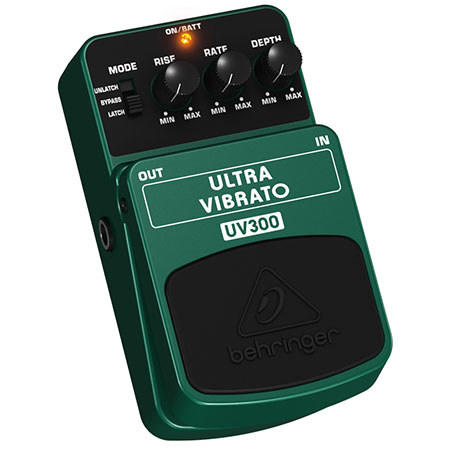
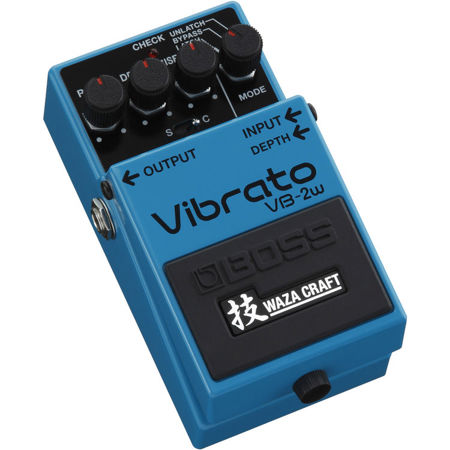
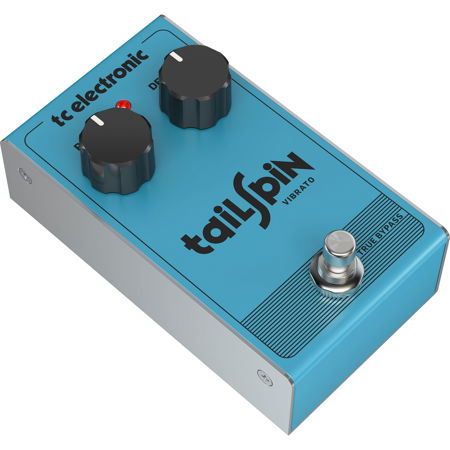
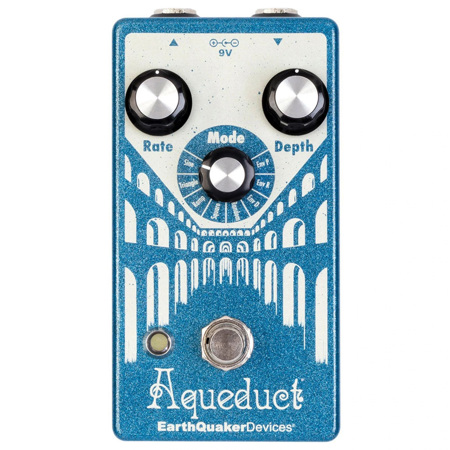
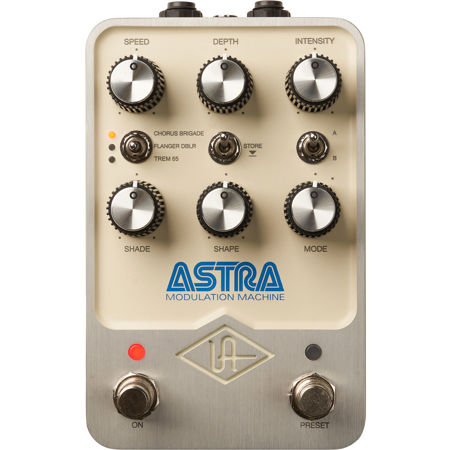
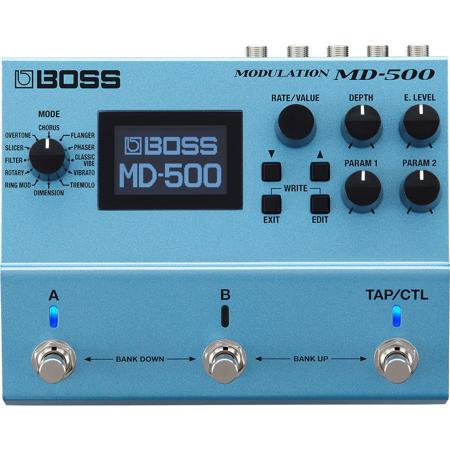
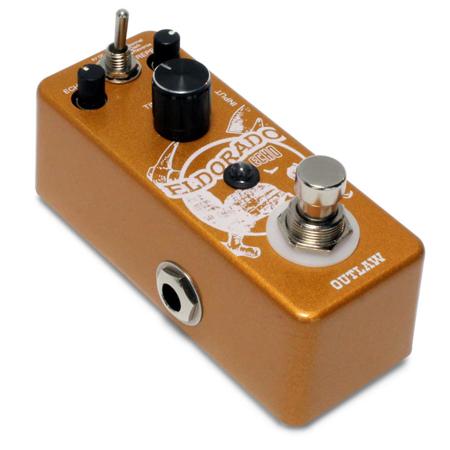
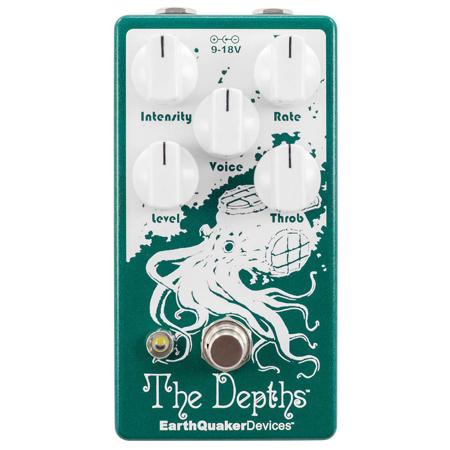
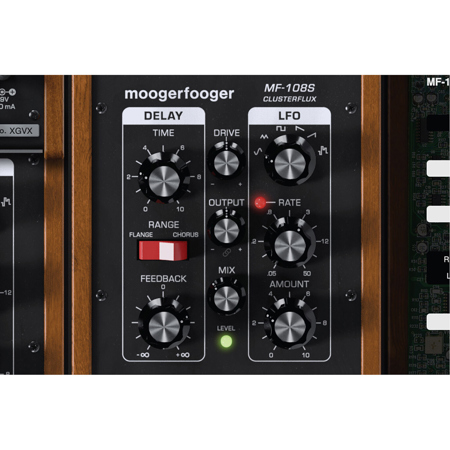
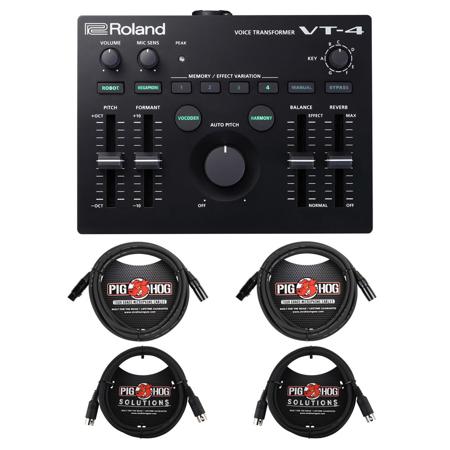
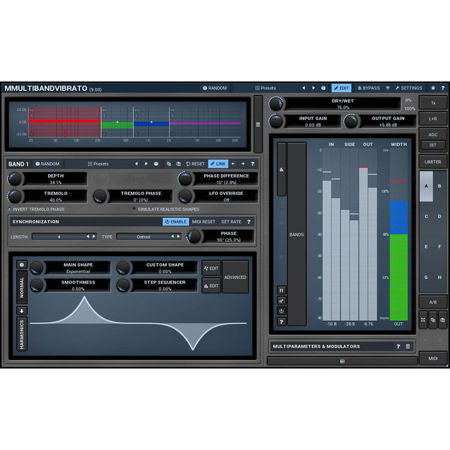
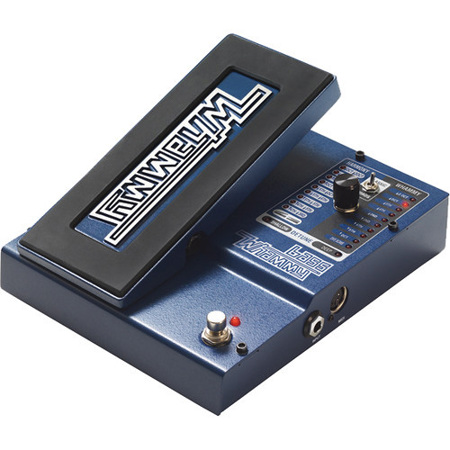
When considering which vibrato effect to add to your setup, it’s important to think about your specific needs and workflow. For live performers, intuitive pedal-based units provide hands-on control, allowing for real-time manipulation of rate and depth, which is perfect for those moments on stage when you want to dial in just the right amount of shimmer or wobble. Studio musicians and producers, on the other hand, might gravitate toward rackmount processors or software plugins that offer precise parameter control and the ability to automate changes throughout a track. The versatility of vibrato effects makes them a thoughtful gift for any musician—guitarists, keyboardists, vocalists using effects processors, or even budding producers exploring the nuances of sound design. There’s a certain magic in watching someone discover how a touch of vibrato can turn a static note into something that pulses with life, reminiscent of a singer’s expressive vibrato or a violinist’s emotive touch. For those just starting out, look for units with straightforward controls and clear labeling, while seasoned professionals might appreciate more advanced features like tap tempo, expression pedal inputs, or stereo operation for immersive soundscapes.
No matter your musical background, integrating vibrato effects into your creative process can yield surprising and delightful results. It’s an effect that rewards experimentation—try stacking it with delay for lush, swirling ambiance, or pairing it with overdrive for a vintage, psychedelic vibe. As you explore the world of modulation, you might also be interested in related effects that complement vibrato’s pitch-based movement, such as chorus or phaser, or delve into the atmospheric realm of Reverb Effects for even greater depth and dimension in your sound. The journey of shaping your tone is ongoing, and vibrato is a tool that continues to inspire musicians of all levels to push boundaries and express themselves in new ways. Whether you’re layering subtle textures in a recording session or making bold statements on stage, the right vibrato effect can help you find that perfect blend of expressiveness and character, making every note you play resonate with emotion and intent.
When considering which vibrato effect to add to your setup, it’s important to think about your specific needs and workflow. For live performers, intuitive pedal-based units provide hands-on control, allowing for real-time manipulation of rate and depth, which is perfect for those moments on stage when you want to dial in just the right amount of shimmer or wobble. Studio musicians and producers, on the other hand, might gravitate toward rackmount processors or software plugins that offer precise parameter control and the ability to automate changes throughout a track. The versatility of vibrato effects makes them a thoughtful gift for any musician—guitarists, keyboardists, vocalists using effects processors, or even budding producers exploring the nuances of sound design. There’s a certain magic in watching someone discover how a touch of vibrato can turn a static note into something that pulses with life, reminiscent of a singer’s expressive vibrato or a violinist’s emotive touch. For those just starting out, look for units with straightforward controls and clear labeling, while seasoned professionals might appreciate more advanced features like tap tempo, expression pedal inputs, or stereo operation for immersive soundscapes.
No matter your musical background, integrating vibrato effects into your creative process can yield surprising and delightful results. It’s an effect that rewards experimentation—try stacking it with delay for lush, swirling ambiance, or pairing it with overdrive for a vintage, psychedelic vibe. As you explore the world of modulation, you might also be interested in related effects that complement vibrato’s pitch-based movement, such as chorus or phaser, or delve into the atmospheric realm of Reverb Effects for even greater depth and dimension in your sound. The journey of shaping your tone is ongoing, and vibrato is a tool that continues to inspire musicians of all levels to push boundaries and express themselves in new ways. Whether you’re layering subtle textures in a recording session or making bold statements on stage, the right vibrato effect can help you find that perfect blend of expressiveness and character, making every note you play resonate with emotion and intent.