
View Cameras
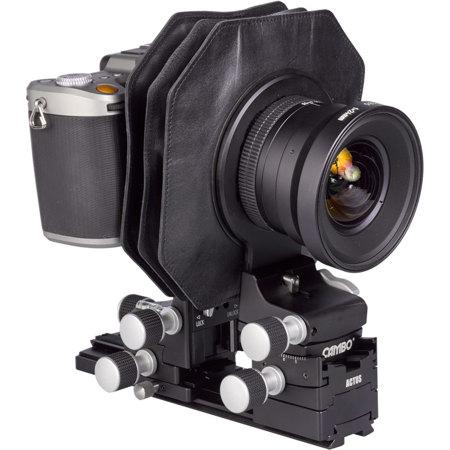
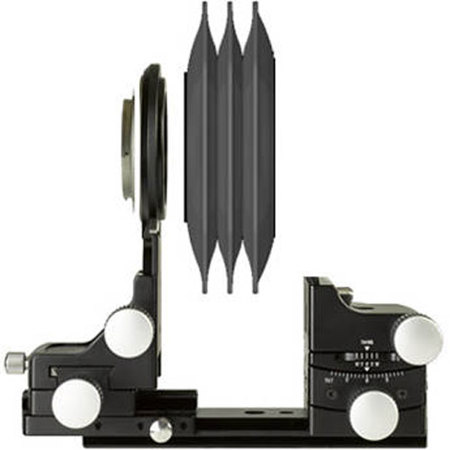
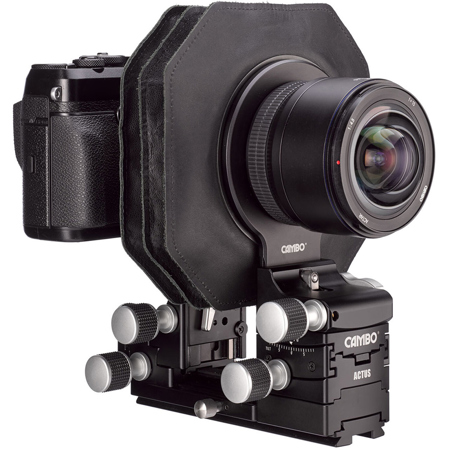
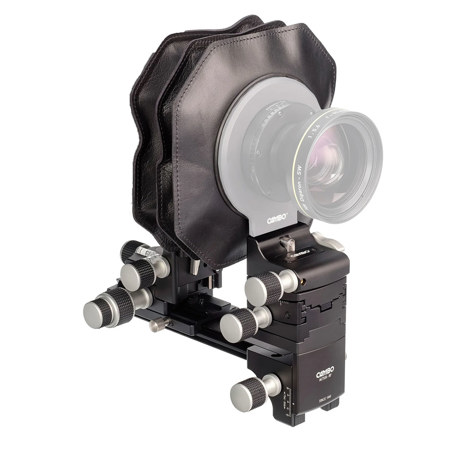
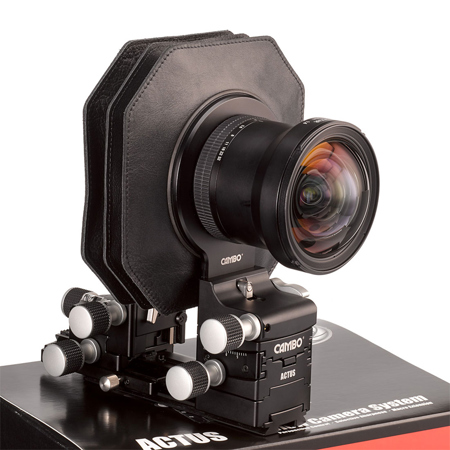
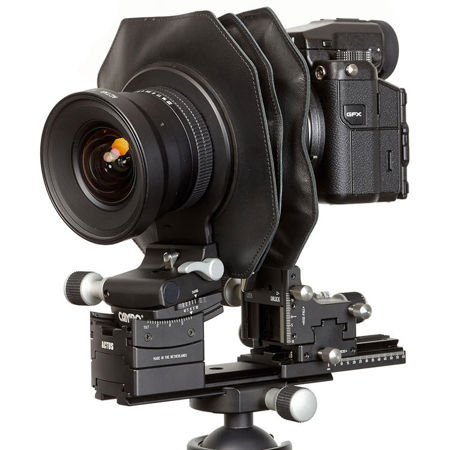
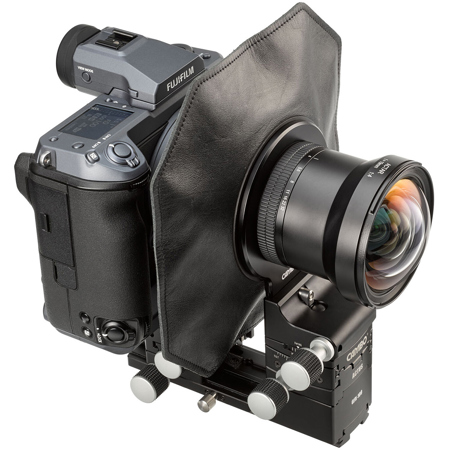
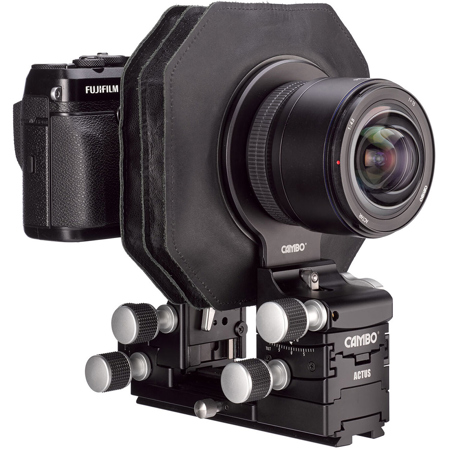
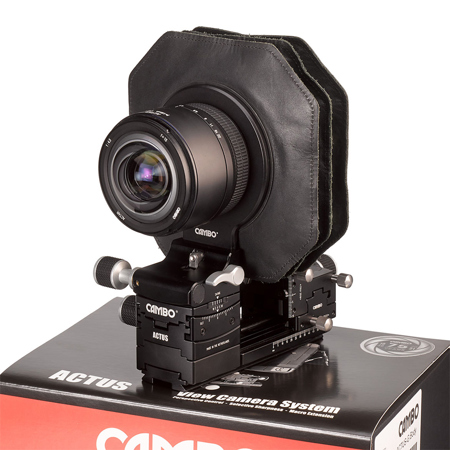
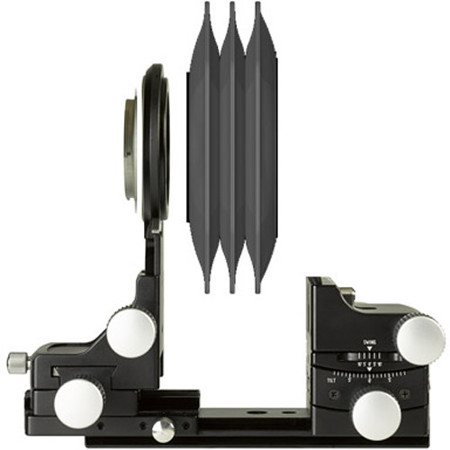
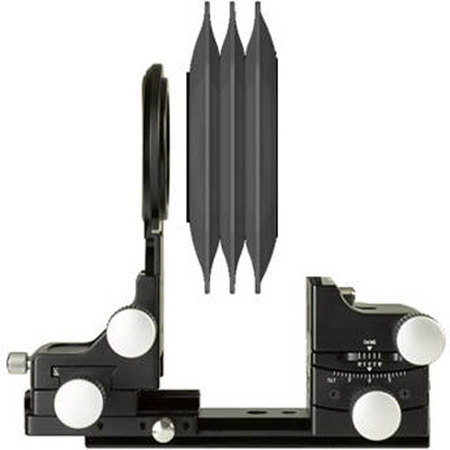
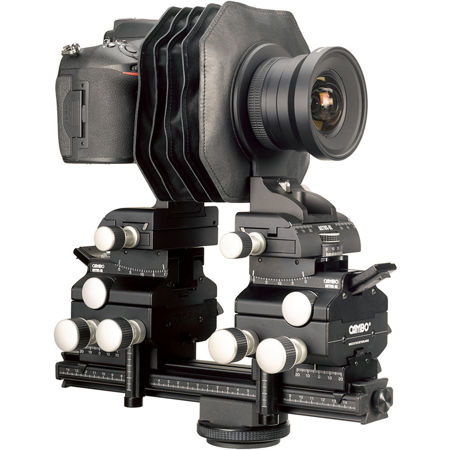
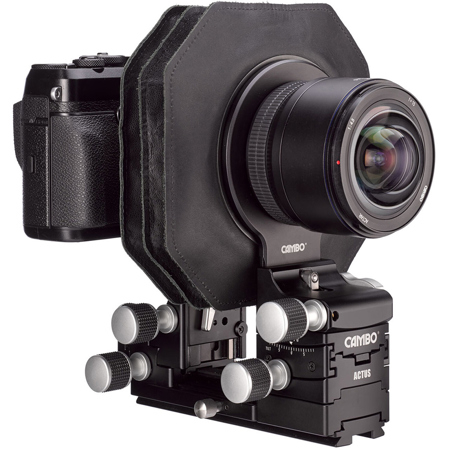
View cameras have long held a special place in the world of photography, offering unparalleled control over perspective and focus that appeals to both seasoned professionals and passionate enthusiasts. With their distinctive design—featuring a lens and film or sensor plane connected by a flexible bellows—view cameras empower photographers to make precise physical adjustments through movements such as tilt, swing, rise, fall, and shift. These movements are more than just technical jargon; they are the secret to capturing architectural marvels without distortion, creating sweeping landscapes with striking depth of field, and achieving a level of image clarity and composition that’s difficult to match with other camera types. As the days grow longer and the light becomes more inviting, many photographers find themselves drawn outdoors, eager to explore the subtle interplay of light and shadow that view cameras capture so well. Whether set up along a misty riverbank at dawn or positioned in front of a historic city building bathed in golden hour light, the process of composing an image on a ground-glass screen—often with the image inverted—becomes a meditative ritual, requiring patience, intention, and a keen eye for detail.
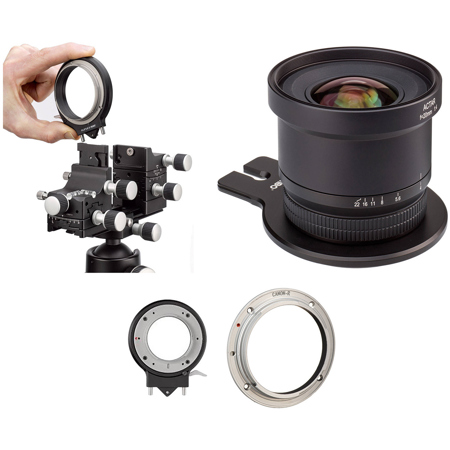
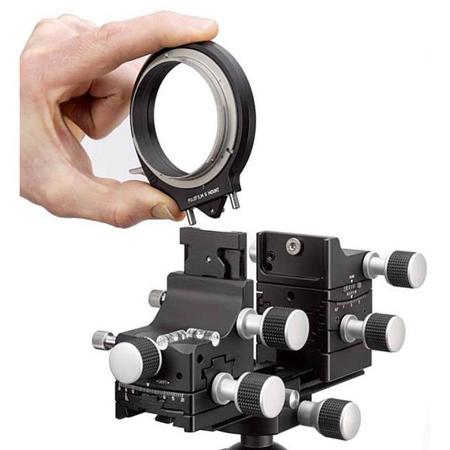
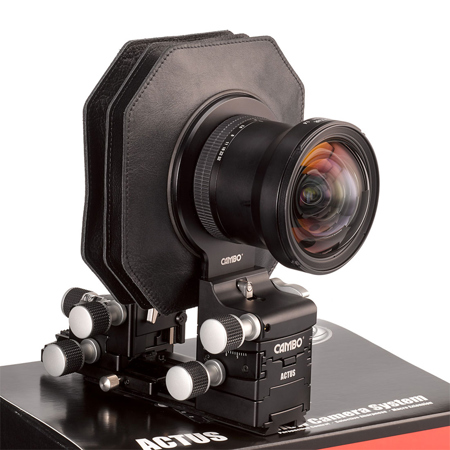
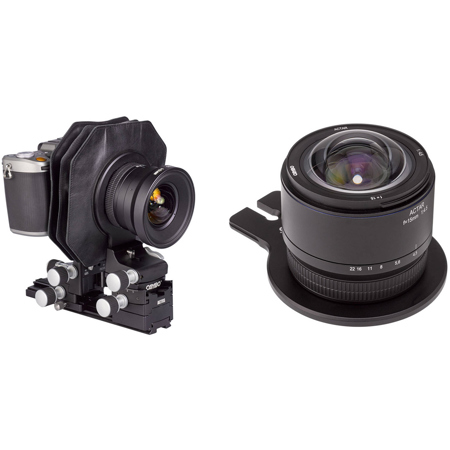
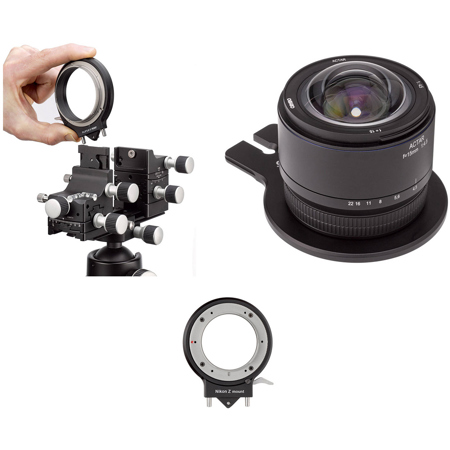
Choosing a view camera is a thoughtful process, influenced by the photographer’s goals, experience level, and preferred shooting environments. Large-format analog models, which shoot onto 4x5, 5x7, or 8x10 inch sheet film, remain popular for their tactile, hands-on workflow and the luxurious detail they deliver. These cameras are ideal for those who appreciate the slow, deliberate pace of traditional photography and the satisfaction of crafting each exposure with care. On the other hand, modern digital view cameras—sometimes referred to as technical cameras—combine classic movements with the convenience and flexibility of digital backs, making them suitable for high-end commercial work or for photographers who want the best of both worlds. Regardless of format, a sturdy tripod is essential, as the weight and precision of view cameras demand a stable foundation. Accessories like high-quality focusing loupes, dark cloths, and specialized lens boards further enhance the shooting experience, allowing photographers to fine-tune every aspect of their image. For those looking to expand their creative toolkit even further, exploring related options on the Flexible Cameras page can provide additional inspiration and versatility.
View cameras also make meaningful gifts for dedicated photographers who are ready to deepen their craft or for students embarking on formal studies in fine art or architectural photography. There’s a sense of ceremony in setting up a view camera—unfolding the bellows, aligning the standards, and carefully composing each frame—that can transform an ordinary outing into an immersive creative experience. During the warm months, when travel and exploration are at their peak, a view camera can be the perfect companion for capturing the grandeur of national parks, the intricate lines of historic architecture, or the subtle textures of a summer landscape. As the seasons shift and the air grows cooler, the same camera finds new purpose indoors, documenting still lifes or interiors with meticulous precision. Ultimately, investing in a view camera is about embracing a photographic tradition that values craftsmanship, patience, and the pursuit of visual excellence—qualities that resonate as deeply today as they have for generations. Whether you’re seeking to master perspective control, create gallery-worthy prints, or simply enjoy the slow, intentional process of large-format photography, a view camera opens up a world of creative possibilities.
Choosing a view camera is a thoughtful process, influenced by the photographer’s goals, experience level, and preferred shooting environments. Large-format analog models, which shoot onto 4x5, 5x7, or 8x10 inch sheet film, remain popular for their tactile, hands-on workflow and the luxurious detail they deliver. These cameras are ideal for those who appreciate the slow, deliberate pace of traditional photography and the satisfaction of crafting each exposure with care. On the other hand, modern digital view cameras—sometimes referred to as technical cameras—combine classic movements with the convenience and flexibility of digital backs, making them suitable for high-end commercial work or for photographers who want the best of both worlds. Regardless of format, a sturdy tripod is essential, as the weight and precision of view cameras demand a stable foundation. Accessories like high-quality focusing loupes, dark cloths, and specialized lens boards further enhance the shooting experience, allowing photographers to fine-tune every aspect of their image. For those looking to expand their creative toolkit even further, exploring related options on the Flexible Cameras page can provide additional inspiration and versatility.
View cameras also make meaningful gifts for dedicated photographers who are ready to deepen their craft or for students embarking on formal studies in fine art or architectural photography. There’s a sense of ceremony in setting up a view camera—unfolding the bellows, aligning the standards, and carefully composing each frame—that can transform an ordinary outing into an immersive creative experience. During the warm months, when travel and exploration are at their peak, a view camera can be the perfect companion for capturing the grandeur of national parks, the intricate lines of historic architecture, or the subtle textures of a summer landscape. As the seasons shift and the air grows cooler, the same camera finds new purpose indoors, documenting still lifes or interiors with meticulous precision. Ultimately, investing in a view camera is about embracing a photographic tradition that values craftsmanship, patience, and the pursuit of visual excellence—qualities that resonate as deeply today as they have for generations. Whether you’re seeking to master perspective control, create gallery-worthy prints, or simply enjoy the slow, intentional process of large-format photography, a view camera opens up a world of creative possibilities.