Volume Pedals
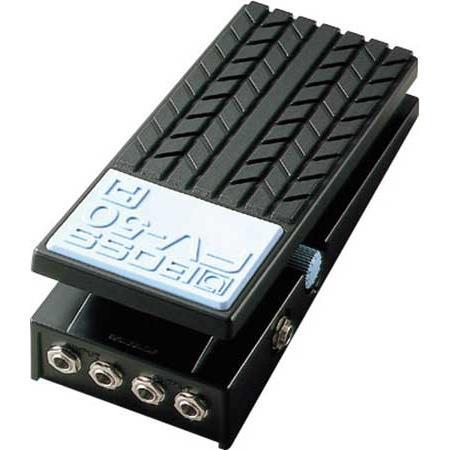
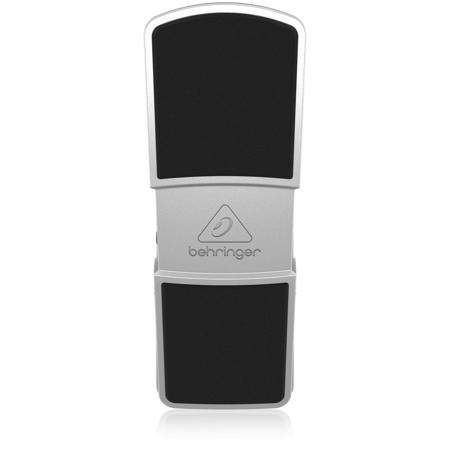
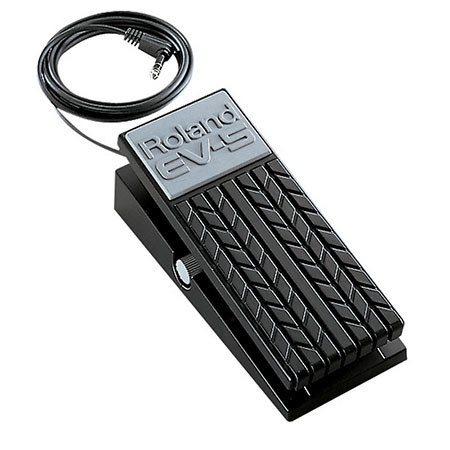
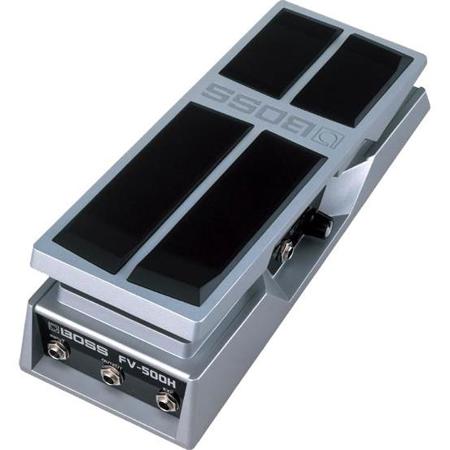
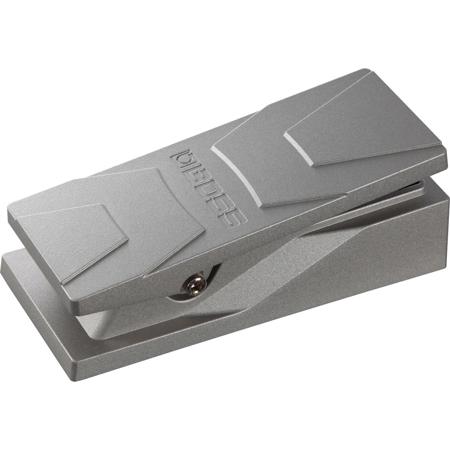
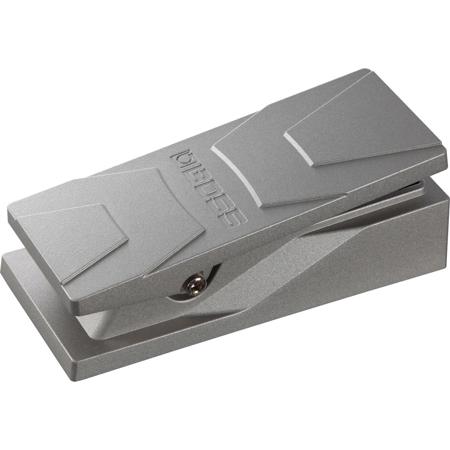
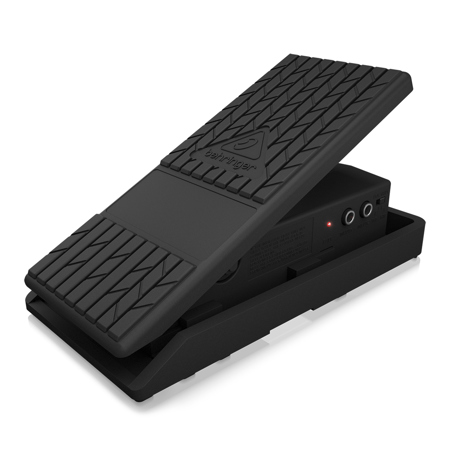
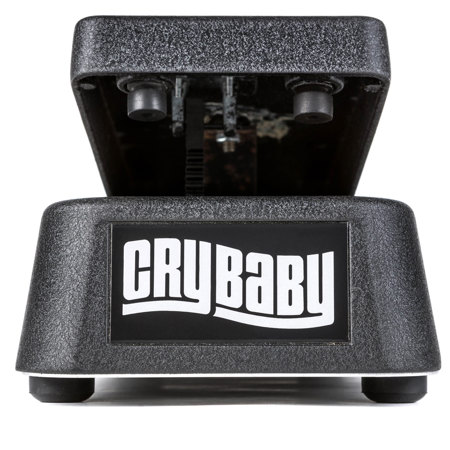
A volume pedal is an essential tool for musicians seeking nuanced control over their sound, whether performing on stage, recording in the studio, or practicing at home. At its core, a volume pedal acts as a hands-free volume knob, allowing players to precisely adjust their output in real time with a simple movement of the foot. This dynamic control is especially valuable for guitarists and keyboardists, who often need to shape their sound on the fly—creating expressive swells, smooth fades, and seamless transitions between soft and loud passages. The versatility of a volume pedal shines through in various rig setups: placing it first in the signal chain lets you clean up your tone and play with the same sensitivity as rolling back your instrument’s volume, while positioning it after gain pedals or time-based effects like delay and reverb allows for lush, ambient soundscapes with perfectly controlled volume fades. For those running high-powered tube amps, inserting a volume pedal into the effects loop can help tame overall loudness without sacrificing the rich, saturated character of the amp’s preamp section. As the weather shifts from the heat of summer to the crispness of fall, musicians often find themselves playing outdoor gigs, festivals, or cozy indoor sets—scenarios where subtle control over stage volume can make all the difference in blending with a band or standing out for a solo moment.
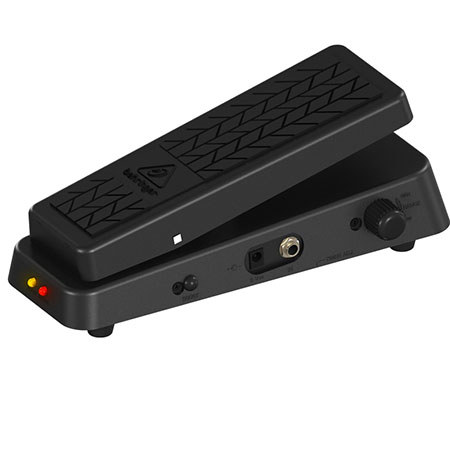
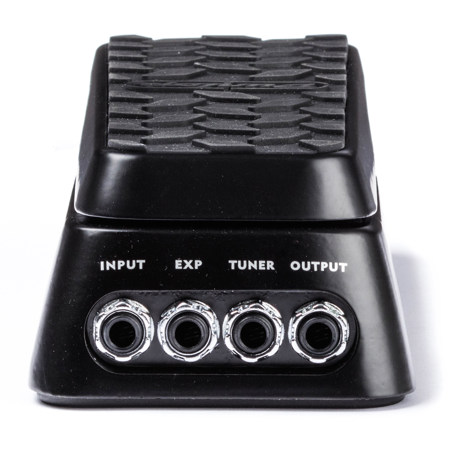
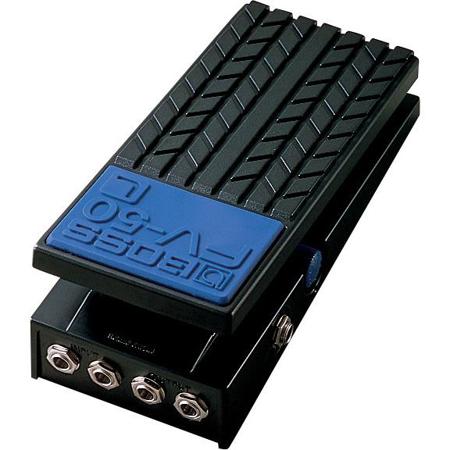
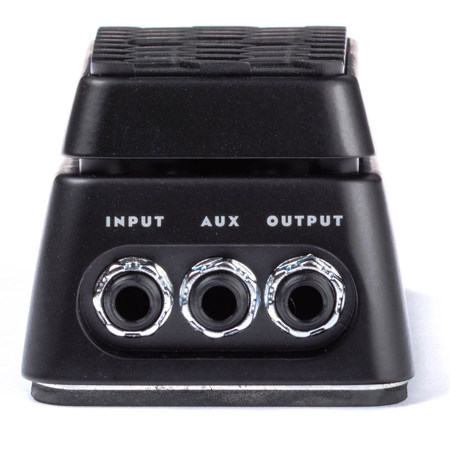
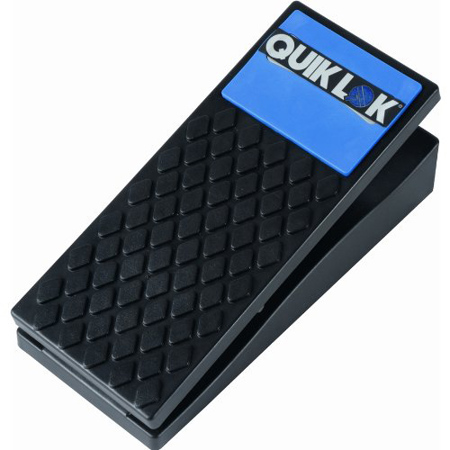
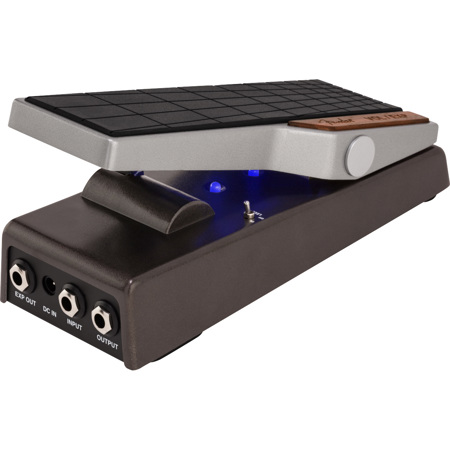
When considering which volume pedal to add to your setup, it’s important to think about the type of instrument you play, your typical signal chain, and the environments where you perform. Passive volume pedals are a popular choice for their simplicity and reliability, requiring no external power and offering a straightforward, transparent response. These commonly come in high-impedance models—ideal for plugging in directly after guitars with passive pickups—and low-impedance versions, which work best later in the chain or with active electronics. Active volume pedals, on the other hand, feature built-in buffers powered by batteries or adapters, preserving your tone over long cable runs and preventing the dreaded “tone suck” that can dull your sound. For keyboardists, a robust pedal with adjustable tension and a smooth sweep is key to delivering dynamic performances, while guitarists might prioritize a rugged, pedalboard-friendly design that can withstand the rigors of travel and frequent use. Many modern volume pedals also offer additional features such as minimum volume controls, tuner outputs, or dual functionality as expression pedals, expanding creative possibilities for players who want to experiment with their sound. Whether you’re a seasoned professional fine-tuning your pedalboard, a hobbyist looking to add expressive flair to your playing, or searching for a thoughtful gift for the musician in your life, a quality volume pedal is a practical and inspiring addition to any setup.
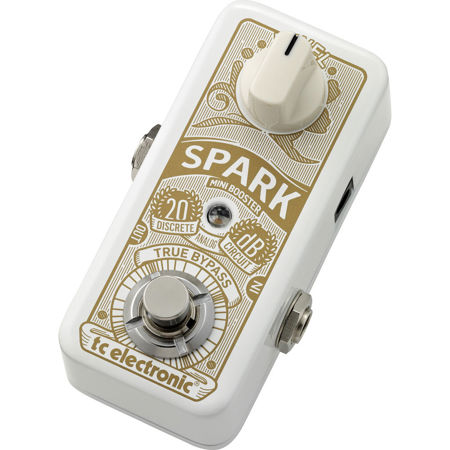
The gift of a volume pedal is particularly meaningful for players exploring new genres, refining their live performances, or building a versatile effects rig. It’s a subtle yet powerful device that encourages musical expression—enabling everything from gentle, violin-like swells in ambient music to precise volume control during intricate solos or rhythm work. As musicians transition between summer’s outdoor shows and the intimate venues of cooler months, the ability to manage stage dynamics without missing a beat becomes even more valuable. For those interested in taking their signal control a step further, pairing a volume pedal with complementary gear like Volume Boost Pedals can unlock even greater tonal flexibility, allowing for both nuanced fades and assertive boosts when the moment calls for it. Ultimately, a well-chosen volume pedal is more than just a utility—it’s a gateway to new sounds, smoother performances, and a deeper connection between a musician and their instrument.
When considering which volume pedal to add to your setup, it’s important to think about the type of instrument you play, your typical signal chain, and the environments where you perform. Passive volume pedals are a popular choice for their simplicity and reliability, requiring no external power and offering a straightforward, transparent response. These commonly come in high-impedance models—ideal for plugging in directly after guitars with passive pickups—and low-impedance versions, which work best later in the chain or with active electronics. Active volume pedals, on the other hand, feature built-in buffers powered by batteries or adapters, preserving your tone over long cable runs and preventing the dreaded “tone suck” that can dull your sound. For keyboardists, a robust pedal with adjustable tension and a smooth sweep is key to delivering dynamic performances, while guitarists might prioritize a rugged, pedalboard-friendly design that can withstand the rigors of travel and frequent use. Many modern volume pedals also offer additional features such as minimum volume controls, tuner outputs, or dual functionality as expression pedals, expanding creative possibilities for players who want to experiment with their sound. Whether you’re a seasoned professional fine-tuning your pedalboard, a hobbyist looking to add expressive flair to your playing, or searching for a thoughtful gift for the musician in your life, a quality volume pedal is a practical and inspiring addition to any setup.
The gift of a volume pedal is particularly meaningful for players exploring new genres, refining their live performances, or building a versatile effects rig. It’s a subtle yet powerful device that encourages musical expression—enabling everything from gentle, violin-like swells in ambient music to precise volume control during intricate solos or rhythm work. As musicians transition between summer’s outdoor shows and the intimate venues of cooler months, the ability to manage stage dynamics without missing a beat becomes even more valuable. For those interested in taking their signal control a step further, pairing a volume pedal with complementary gear like Volume Boost Pedals can unlock even greater tonal flexibility, allowing for both nuanced fades and assertive boosts when the moment calls for it. Ultimately, a well-chosen volume pedal is more than just a utility—it’s a gateway to new sounds, smoother performances, and a deeper connection between a musician and their instrument.