






White Flags
White flags have long stood as a universal symbol of surrender, truce, or a call for negotiation, with their roots stretching back to ancient civilizations such as Rome and China. In contemporary times, the iconic white flag remains a powerful visual cue, instantly recognized across the world as a sign of peace and a request for dialogue. Beyond its historical and military significance, the white flag has found its place in a variety of contexts, from ceremonial uses to signaling at large public events, sporting competitions, and even in creative fields like photography and film production. As the weather warms and gatherings move outdoors, white flags may be used to mark safe zones, designate meeting points, or add a touch of symbolism to celebrations and commemorations. Their presence can evoke a sense of unity and calm, making them a thoughtful addition to community events, parades, or even as a unique gift for those with a passion for history, diplomacy, or visual storytelling.
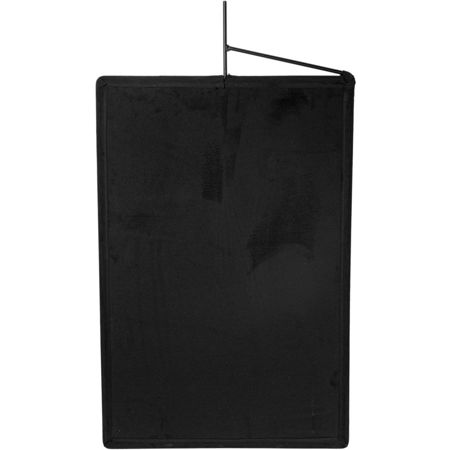
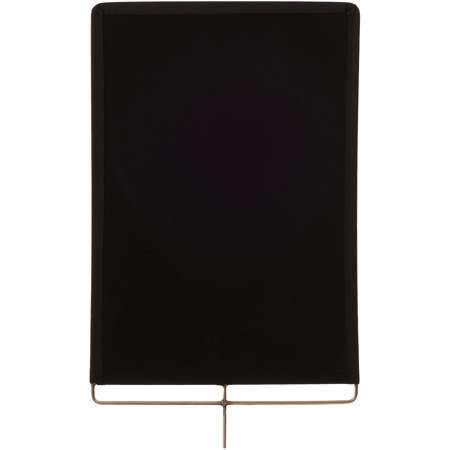
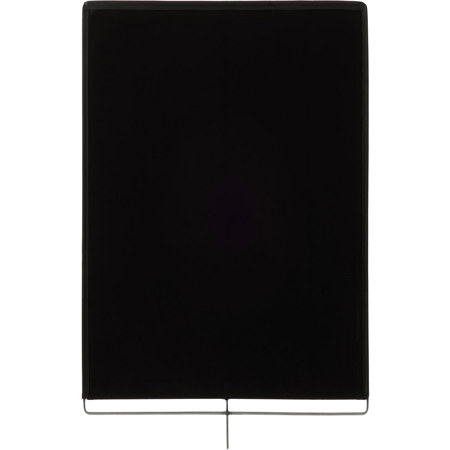
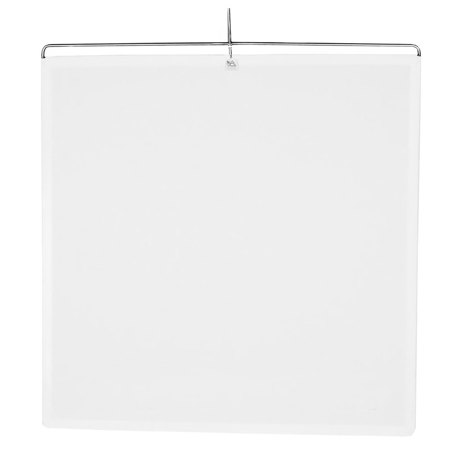
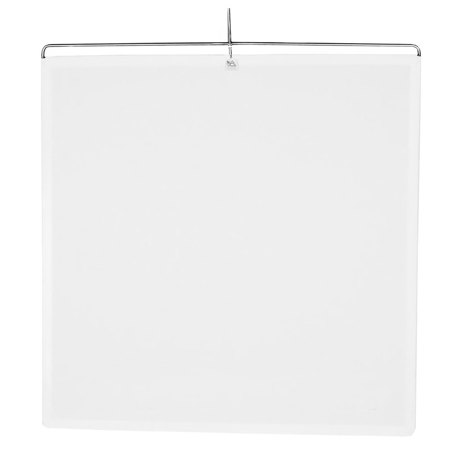
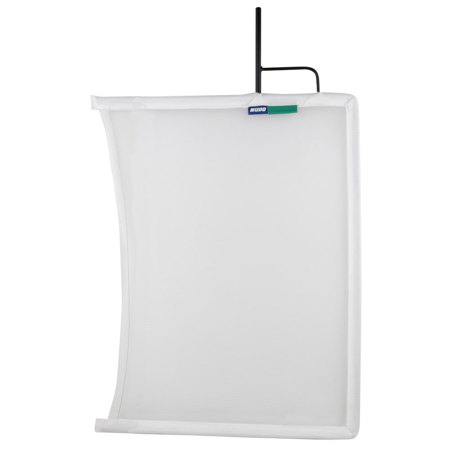
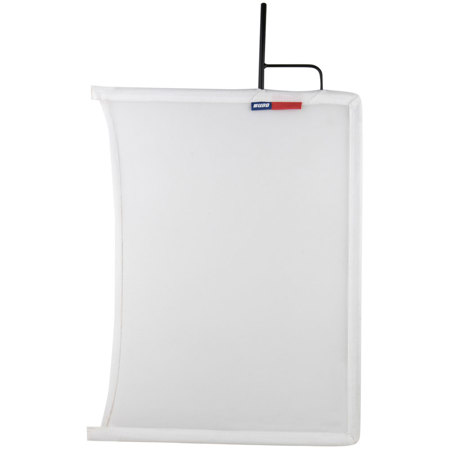
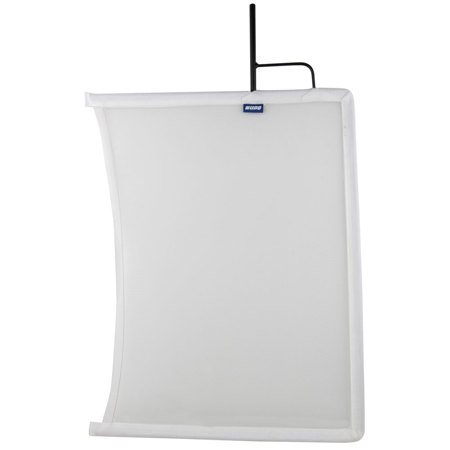
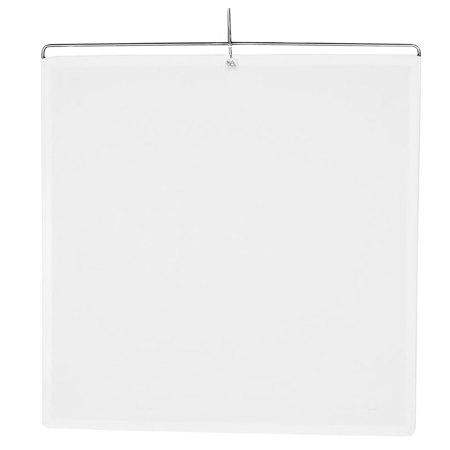
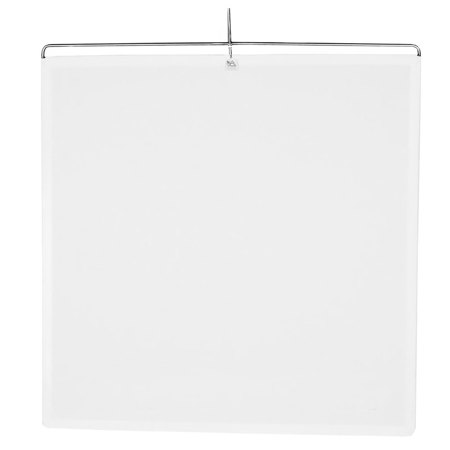
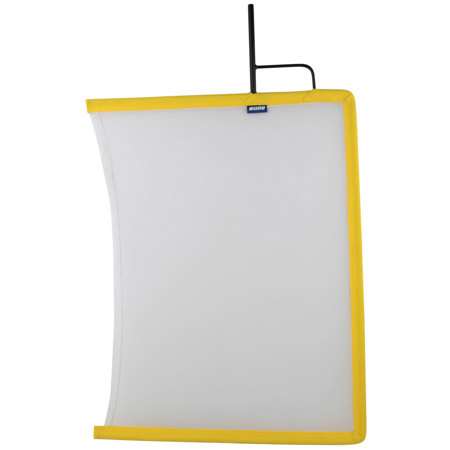
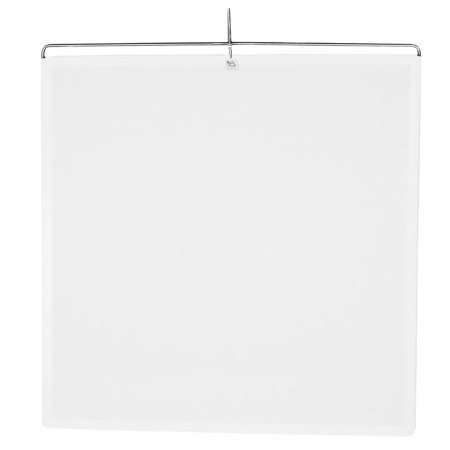
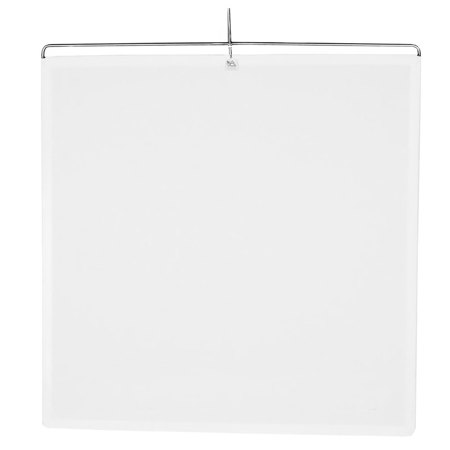
When considering the purchase of white flags, it’s important to think about the intended use and the environment in which they’ll be displayed. For outdoor events or installations, durability is key—look for flags made from weather-resistant materials that can withstand sun, wind, and rain throughout the changing seasons. For indoor displays, lighter fabrics might be preferred for their ease of handling and classic drape. Size also matters; larger flags are more visible from a distance and can make a dramatic statement, while smaller versions may suit more personal or symbolic uses. Educators and history enthusiasts might appreciate white flags as teaching tools or conversation starters, while those in the creative arts can use them as props, set pieces, or even as part of a photographic backdrop to evoke themes of peace and reconciliation. In the world of film, stage, and studio photography, white flags can be adapted for technical purposes as well, such as controlling light or creating soft, diffuse backgrounds. For those interested in the technical side of flag use in image-making, exploring related tools like Diffusion Flags can open up new creative possibilities.
White flags can also serve as meaningful, unexpected gifts, especially for individuals who appreciate symbolism, history, or the art of communication. They can be given as tokens of goodwill, used in peace-themed art projects, or included in educational kits for students learning about international law and cultural symbols. During the transition from early summer into the cooler months, white flags may feature in outdoor ceremonies, peace walks, or as part of installations that invite reflection and dialogue. Whether used to mark a moment of truce, as a sign of hope, or as a practical tool in creative production, the white flag remains a versatile and enduring symbol. Its legacy continues to inspire, offering a visual language that transcends borders and speaks to the universal desire for understanding and peace.
When considering the purchase of white flags, it’s important to think about the intended use and the environment in which they’ll be displayed. For outdoor events or installations, durability is key—look for flags made from weather-resistant materials that can withstand sun, wind, and rain throughout the changing seasons. For indoor displays, lighter fabrics might be preferred for their ease of handling and classic drape. Size also matters; larger flags are more visible from a distance and can make a dramatic statement, while smaller versions may suit more personal or symbolic uses. Educators and history enthusiasts might appreciate white flags as teaching tools or conversation starters, while those in the creative arts can use them as props, set pieces, or even as part of a photographic backdrop to evoke themes of peace and reconciliation. In the world of film, stage, and studio photography, white flags can be adapted for technical purposes as well, such as controlling light or creating soft, diffuse backgrounds. For those interested in the technical side of flag use in image-making, exploring related tools like Diffusion Flags can open up new creative possibilities.
White flags can also serve as meaningful, unexpected gifts, especially for individuals who appreciate symbolism, history, or the art of communication. They can be given as tokens of goodwill, used in peace-themed art projects, or included in educational kits for students learning about international law and cultural symbols. During the transition from early summer into the cooler months, white flags may feature in outdoor ceremonies, peace walks, or as part of installations that invite reflection and dialogue. Whether used to mark a moment of truce, as a sign of hope, or as a practical tool in creative production, the white flag remains a versatile and enduring symbol. Its legacy continues to inspire, offering a visual language that transcends borders and speaks to the universal desire for understanding and peace.