

















Wildlife Photography Archiving Solutions
Wildlife photography is a pursuit that rewards patience, technical skill, and a deep appreciation for the natural world. As the landscape transforms from the vibrant greens of early summer to the golden hues of early fall, photographers find themselves capturing everything from nesting birds to migrating herds and the subtle shifts in animal behavior that come with the changing seasons. With each expedition, memory cards fill with thousands of images—fleeting moments of wildlife activity, rare encounters, and the quiet drama of untamed habitats. Archiving these images is more than just a matter of storage; it’s about preserving irreplaceable memories, maintaining an organized workflow, and ensuring that your most treasured shots remain safe for years to come. Whether you’re a seasoned wildlife photographer with decades of fieldwork behind you, an enthusiastic hobbyist just starting to build your portfolio, or someone searching for a thoughtful gift for the nature lover in your life, investing in the right archiving solutions is essential for protecting your creative legacy.
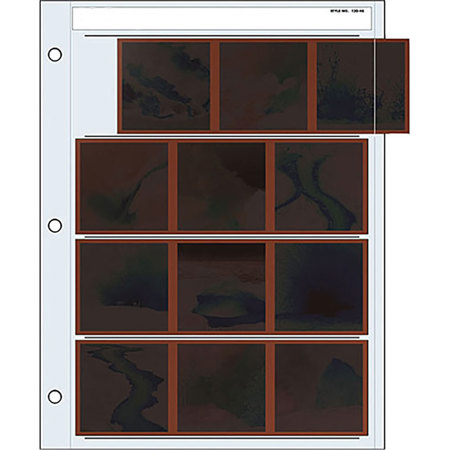
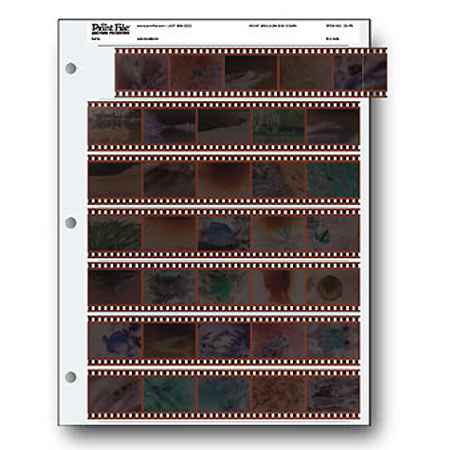
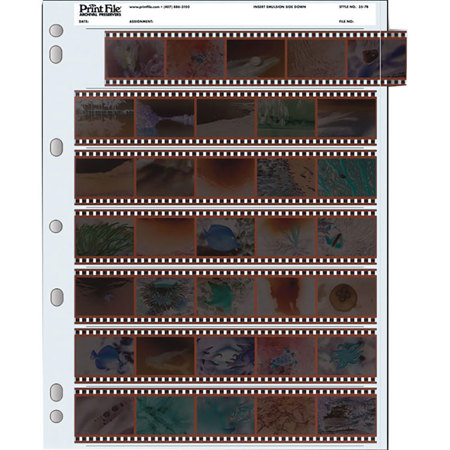
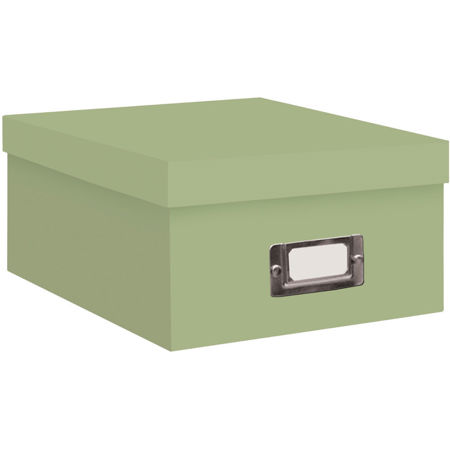
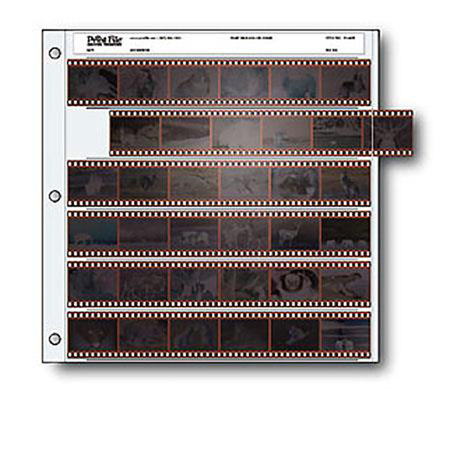
Selecting the best archiving solutions for wildlife photography involves a careful balance of capacity, speed, redundancy, and accessibility. The sheer volume of high-resolution RAW files generated during a single outing can be staggering, making it critical to adopt a workflow that incorporates fast, reliable primary drives for active editing and culling. Many professionals follow the 3-2-1 rule: keeping three copies of every image, stored on at least two different types of media, with one copy offsite or in the cloud. This approach guards against everything from accidental deletions to hardware failures and even natural disasters. Network Attached Storage (NAS) systems with RAID configurations are a popular choice for local backups, offering both redundancy and the ability to scale as your archive grows. For long-term security, offsite cloud backups provide peace of mind, allowing photographers to access their images from anywhere and recover files in the event of a catastrophic loss at home. Beyond digital storage, physical preservation remains important—archival-quality prints and acid-free portfolios can transform your best wildlife shots into lasting keepsakes, immune to technological obsolescence.
Organization is equally vital to a successful wildlife photography archive. Tagging images with detailed metadata—such as species names, locations, and behavioral notes—makes it easy to locate specific shots even years after they were taken. Implementing a logical folder hierarchy, perhaps sorted by animal group, location, or season, streamlines your workflow and saves time when searching for that one elusive image. For those who enjoy sharing their passion, well-organized archives make it simple to submit work for publication, create educational presentations, or assemble personal photo books. If you’re looking for tools to help manage your growing collection, explore our curated selection of Photo Organizers For Wildlife Photography. These solutions are designed to help wildlife photographers of all experience levels keep their images safe, accessible, and ready for the next creative project—whether you’re archiving a summer’s worth of fieldwork or preparing for autumn’s migratory spectacles.
Selecting the best archiving solutions for wildlife photography involves a careful balance of capacity, speed, redundancy, and accessibility. The sheer volume of high-resolution RAW files generated during a single outing can be staggering, making it critical to adopt a workflow that incorporates fast, reliable primary drives for active editing and culling. Many professionals follow the 3-2-1 rule: keeping three copies of every image, stored on at least two different types of media, with one copy offsite or in the cloud. This approach guards against everything from accidental deletions to hardware failures and even natural disasters. Network Attached Storage (NAS) systems with RAID configurations are a popular choice for local backups, offering both redundancy and the ability to scale as your archive grows. For long-term security, offsite cloud backups provide peace of mind, allowing photographers to access their images from anywhere and recover files in the event of a catastrophic loss at home. Beyond digital storage, physical preservation remains important—archival-quality prints and acid-free portfolios can transform your best wildlife shots into lasting keepsakes, immune to technological obsolescence.
Organization is equally vital to a successful wildlife photography archive. Tagging images with detailed metadata—such as species names, locations, and behavioral notes—makes it easy to locate specific shots even years after they were taken. Implementing a logical folder hierarchy, perhaps sorted by animal group, location, or season, streamlines your workflow and saves time when searching for that one elusive image. For those who enjoy sharing their passion, well-organized archives make it simple to submit work for publication, create educational presentations, or assemble personal photo books. If you’re looking for tools to help manage your growing collection, explore our curated selection of Photo Organizers For Wildlife Photography. These solutions are designed to help wildlife photographers of all experience levels keep their images safe, accessible, and ready for the next creative project—whether you’re archiving a summer’s worth of fieldwork or preparing for autumn’s migratory spectacles.