



Wireless Presentation Systems
As the days grow longer and schedules fill with workshops, team meetings, and collaborative projects, wireless presentation systems become an essential tool for anyone looking to streamline communication and enhance group productivity. These innovative solutions transform the way content is shared, whether in a bustling corporate boardroom, a dynamic classroom, or a creative studio. By eliminating the need for tangled cables and complicated adapters, a wireless presentation system allows users to cast or mirror content from laptops, tablets, or smartphones directly onto a shared display with just a few simple steps. This seamless connectivity not only saves time but also encourages spontaneous collaboration—imagine a brainstorming session where multiple team members can project ideas side by side, or a classroom where students can share projects instantly without technical delays. During the warmer months, when outdoor meetings or flexible workspace setups become more popular, the portability and ease of a plug and play wireless presentation system stand out even more. With robust encryption and enterprise-grade security features, these systems ensure that sensitive information remains protected, making them a reliable choice for organizations with strict data privacy requirements.
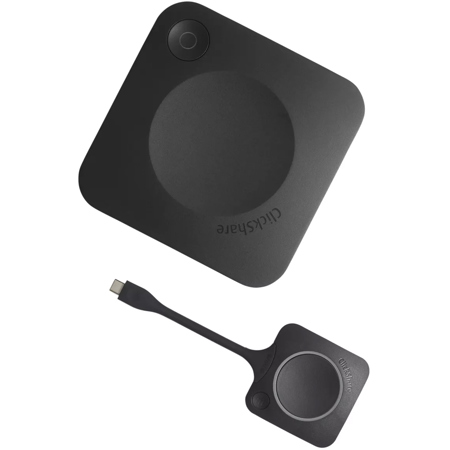
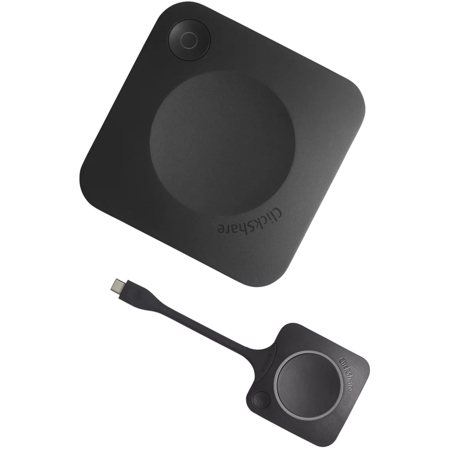
When considering which wireless presentation system best suits your needs, it’s important to think about the environment in which it will be used and the types of devices most commonly connected. For businesses with frequent guest presenters or rotating teams, systems that require no software installation and offer true plug-and-play functionality are invaluable. These setups often use dedicated USB or HDMI transmitters—sometimes called “pucks” or “buttons”—that allow presenters to connect and share content at the press of a button, without needing to join a corporate Wi-Fi network or install drivers. This is especially helpful for visiting clients, consultants, or substitute teachers who need to get started quickly. On the other hand, larger organizations or educational institutions with robust IT infrastructure may prefer wireless presentation systems that integrate with existing networks and support native casting protocols, such as AirPlay, Miracast, or Google Cast. These options offer scalability and advanced features like multi-presenter support, touchback control for interactive displays, and centralized management for IT administrators. Comparing features such as screen resolution, latency, encryption standards, and the number of simultaneous presenters can help you find the right fit—many users find that a wireless presentation system comparison is a valuable step in the decision-making process.
Wireless presentation systems also make thoughtful gifts for educators, home office professionals, or anyone setting up a new creative space. As families and friends gather for summer celebrations or prepare for back-to-school season, these systems can make group activities, remote learning, or hybrid work more engaging and efficient. They are particularly appreciated by those who value simplicity and reliability—no more searching for the right cable or worrying about compatibility issues when sharing vacation photos, pitching a business idea, or collaborating on a group project. For those interested in expanding their technology ecosystem, exploring other wireless solutions such as Wireless Audio Systems can further enhance the multimedia experience in both professional and personal settings. Whether you’re outfitting a conference room for the first time, upgrading classroom technology, or simply looking for a more flexible way to share content at home, investing in a quality wireless presentation system can transform the way you connect and communicate throughout the year.
When considering which wireless presentation system best suits your needs, it’s important to think about the environment in which it will be used and the types of devices most commonly connected. For businesses with frequent guest presenters or rotating teams, systems that require no software installation and offer true plug-and-play functionality are invaluable. These setups often use dedicated USB or HDMI transmitters—sometimes called “pucks” or “buttons”—that allow presenters to connect and share content at the press of a button, without needing to join a corporate Wi-Fi network or install drivers. This is especially helpful for visiting clients, consultants, or substitute teachers who need to get started quickly. On the other hand, larger organizations or educational institutions with robust IT infrastructure may prefer wireless presentation systems that integrate with existing networks and support native casting protocols, such as AirPlay, Miracast, or Google Cast. These options offer scalability and advanced features like multi-presenter support, touchback control for interactive displays, and centralized management for IT administrators. Comparing features such as screen resolution, latency, encryption standards, and the number of simultaneous presenters can help you find the right fit—many users find that a wireless presentation system comparison is a valuable step in the decision-making process.
Wireless presentation systems also make thoughtful gifts for educators, home office professionals, or anyone setting up a new creative space. As families and friends gather for summer celebrations or prepare for back-to-school season, these systems can make group activities, remote learning, or hybrid work more engaging and efficient. They are particularly appreciated by those who value simplicity and reliability—no more searching for the right cable or worrying about compatibility issues when sharing vacation photos, pitching a business idea, or collaborating on a group project. For those interested in expanding their technology ecosystem, exploring other wireless solutions such as Wireless Audio Systems can further enhance the multimedia experience in both professional and personal settings. Whether you’re outfitting a conference room for the first time, upgrading classroom technology, or simply looking for a more flexible way to share content at home, investing in a quality wireless presentation system can transform the way you connect and communicate throughout the year.