
Xenon Flashlights
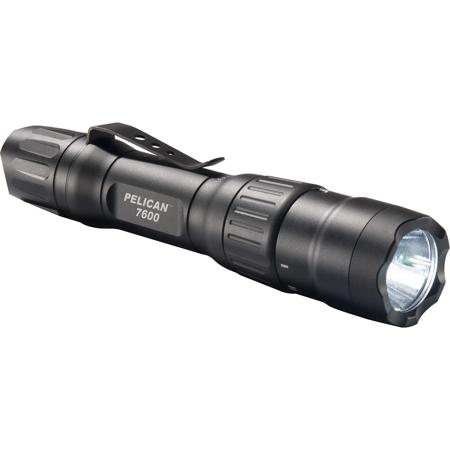
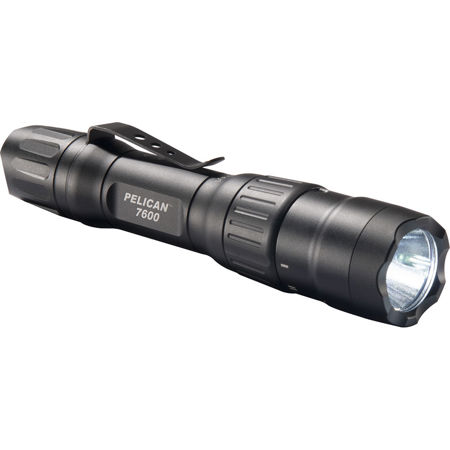
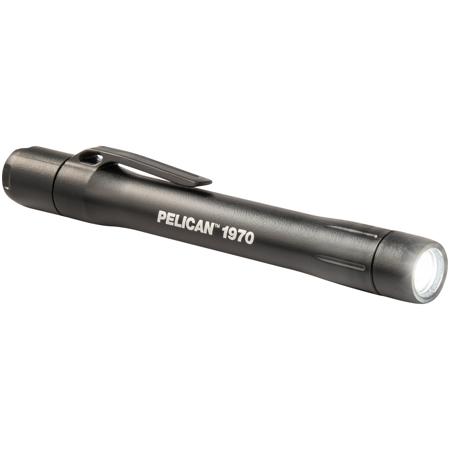
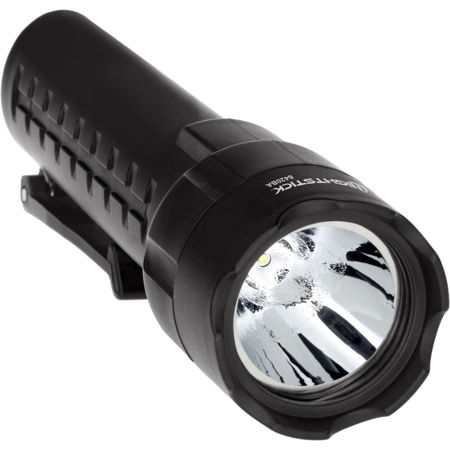
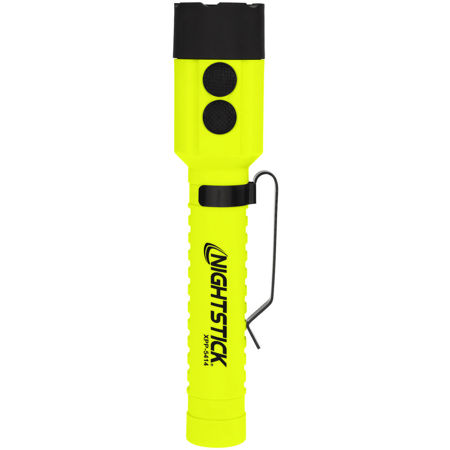
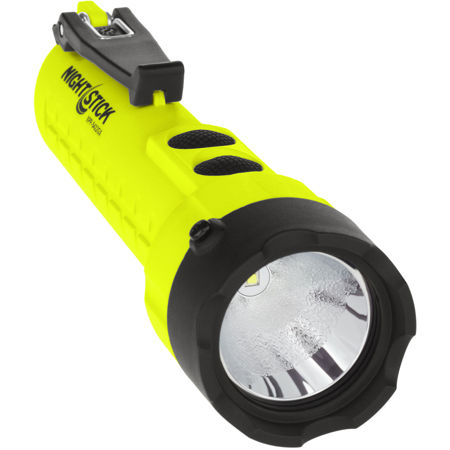
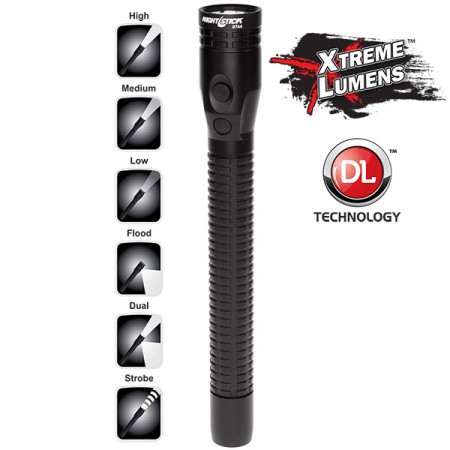
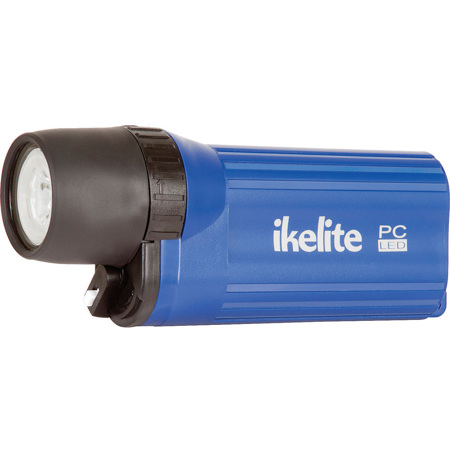
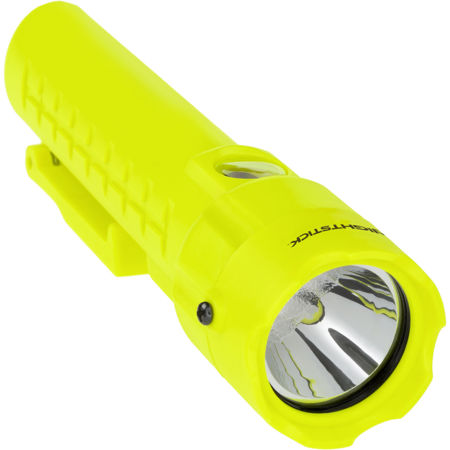
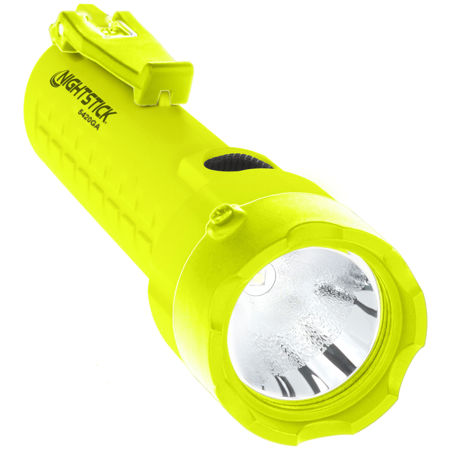
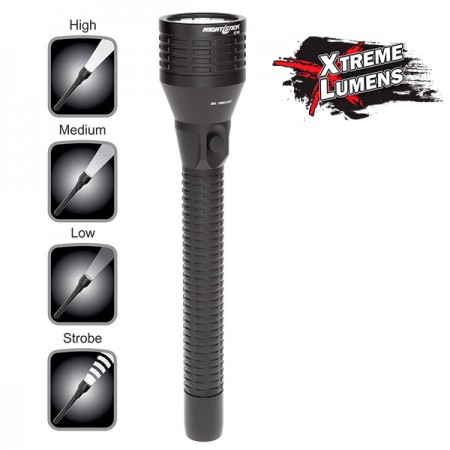
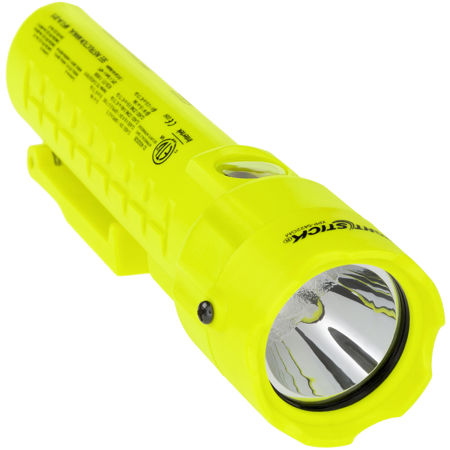
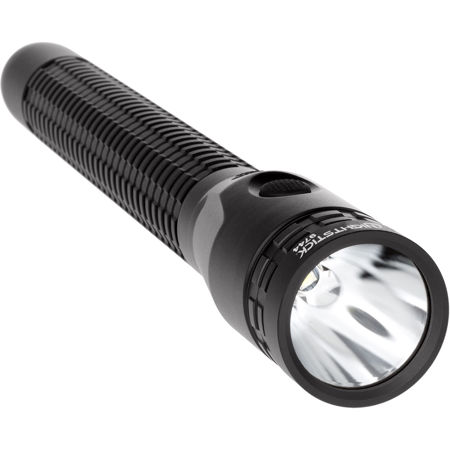
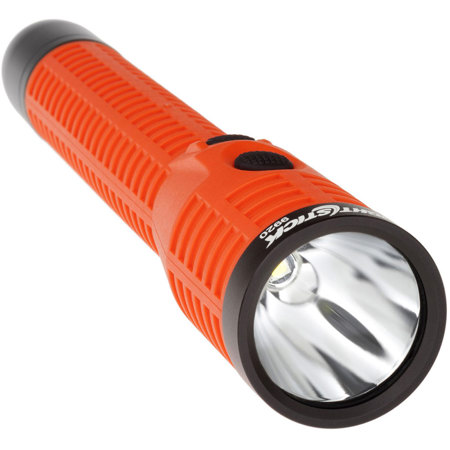
Xenon flashlights stand apart from other portable lighting solutions thanks to their unique gas-discharge technology, which harnesses the power of a high-intensity arc passing through pressurized xenon gas. This produces an exceptionally bright, warm, and penetrating beam that is prized by professionals and enthusiasts alike. Unlike cooler, blue-tinted LED lights, xenon bulbs emit a yellowish glow that excels at cutting through smoke, fog, and other visually challenging conditions—making them a trusted tool for firefighters, law enforcement officers, industrial workers, and search-and-rescue teams. The distinct color rendering of xenon light helps reveal true object colors and details, which can be critical when every second counts or when working in environments where visibility is compromised. This quality has made xenon flashlights a mainstay in toolkits for those who demand reliable, high-output illumination in dynamic or hazardous settings.
For those considering a xenon flashlight, there are several factors to weigh to ensure the right fit for your needs. Xenon flashlights are known for their powerful beams and rapid illumination, but their high performance comes with increased heat output and faster battery consumption compared to modern LED alternatives. This means they are best suited for situations where maximum brightness and beam penetration are prioritized over extended run times. Whether you’re preparing for late summer camping trips, gearing up for autumn outdoor adventures, or equipping your vehicle for roadside emergencies during the cooler months, a xenon flashlight can provide invaluable peace of mind. These flashlights also make thoughtful gifts for outdoor enthusiasts, first responders, or anyone who values robust, professional-grade gear—especially as days grow shorter and reliable lighting becomes more essential. The satisfying heft and instant-on brilliance of a xenon flashlight evoke a sense of readiness, making them a practical companion for night hikes, home maintenance, or storm preparedness kits.
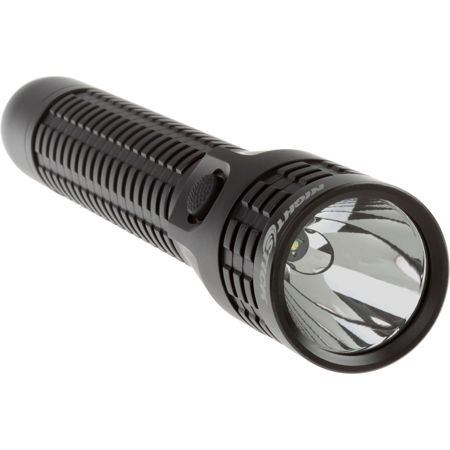
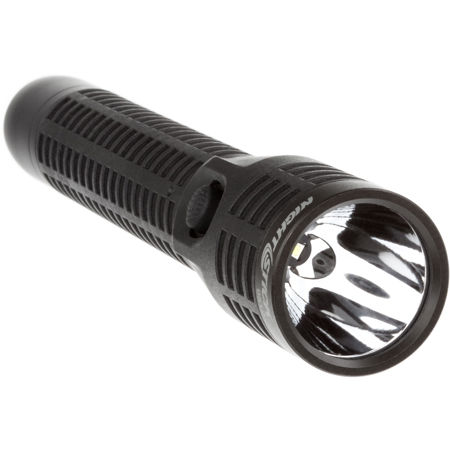
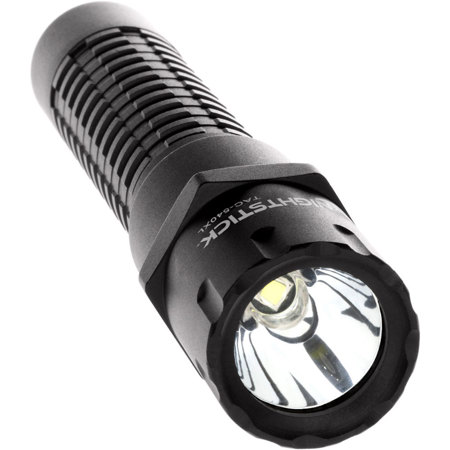
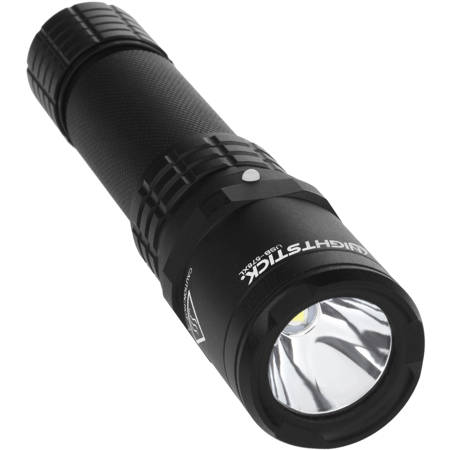
When exploring the available options, consider the size and ergonomics of the flashlight, the ease of bulb replacement, and compatibility with rechargeable or disposable batteries. Some users appreciate the classic feel and tactile feedback of a well-built xenon flashlight, while others may seek models with specialized features such as adjustable focus, rugged waterproofing, or compatibility with mounting accessories for hands-free operation. For those interested in expanding their collection or seeking a different aesthetic, a curated selection of Black Flashlights is also available, offering a modern look with the same commitment to quality and performance. As you browse through the recommended xenon flashlight options, consider not only your immediate lighting needs but also the environments and scenarios where reliable, high-intensity illumination can make all the difference—whether it’s navigating a smoky worksite, lighting a trail after dusk, or ensuring safety during seasonal power outages. The enduring appeal of xenon technology lies in its ability to deliver unmatched brightness and clarity when it matters most.
For those considering a xenon flashlight, there are several factors to weigh to ensure the right fit for your needs. Xenon flashlights are known for their powerful beams and rapid illumination, but their high performance comes with increased heat output and faster battery consumption compared to modern LED alternatives. This means they are best suited for situations where maximum brightness and beam penetration are prioritized over extended run times. Whether you’re preparing for late summer camping trips, gearing up for autumn outdoor adventures, or equipping your vehicle for roadside emergencies during the cooler months, a xenon flashlight can provide invaluable peace of mind. These flashlights also make thoughtful gifts for outdoor enthusiasts, first responders, or anyone who values robust, professional-grade gear—especially as days grow shorter and reliable lighting becomes more essential. The satisfying heft and instant-on brilliance of a xenon flashlight evoke a sense of readiness, making them a practical companion for night hikes, home maintenance, or storm preparedness kits.
When exploring the available options, consider the size and ergonomics of the flashlight, the ease of bulb replacement, and compatibility with rechargeable or disposable batteries. Some users appreciate the classic feel and tactile feedback of a well-built xenon flashlight, while others may seek models with specialized features such as adjustable focus, rugged waterproofing, or compatibility with mounting accessories for hands-free operation. For those interested in expanding their collection or seeking a different aesthetic, a curated selection of Black Flashlights is also available, offering a modern look with the same commitment to quality and performance. As you browse through the recommended xenon flashlight options, consider not only your immediate lighting needs but also the environments and scenarios where reliable, high-intensity illumination can make all the difference—whether it’s navigating a smoky worksite, lighting a trail after dusk, or ensuring safety during seasonal power outages. The enduring appeal of xenon technology lies in its ability to deliver unmatched brightness and clarity when it matters most.