XLR3 Connection Microphone
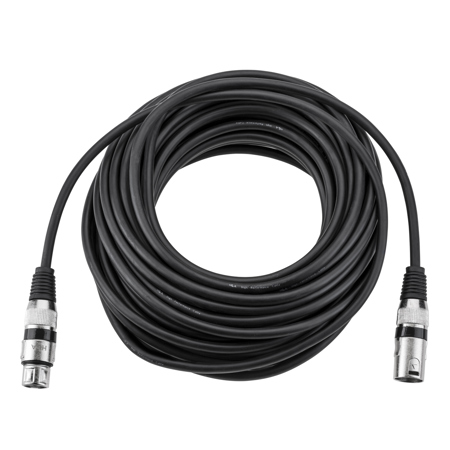
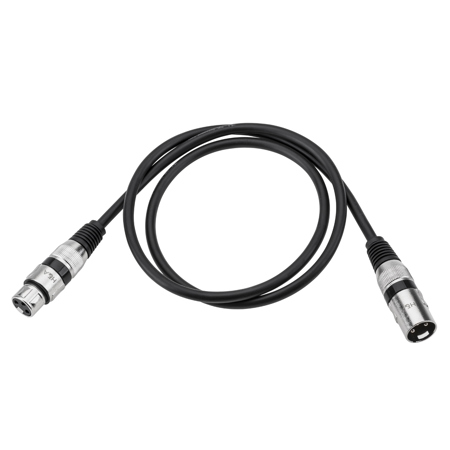
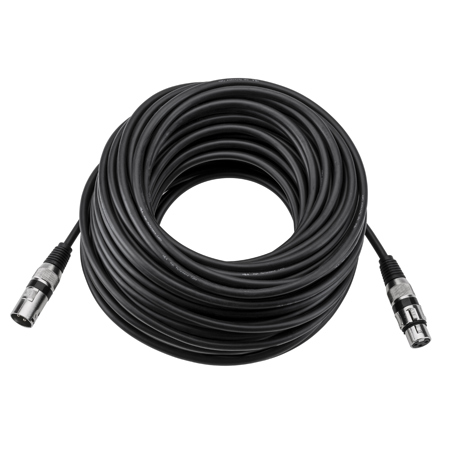
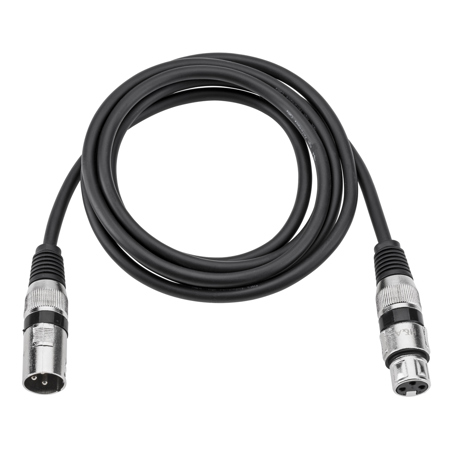
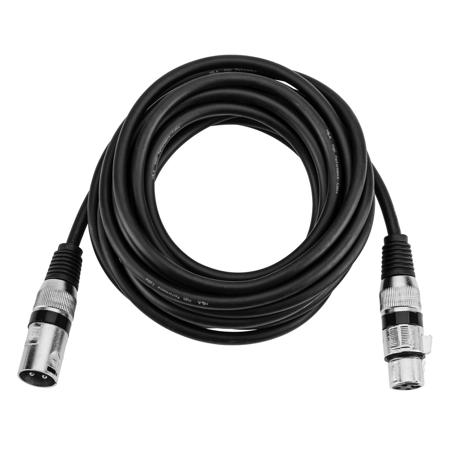
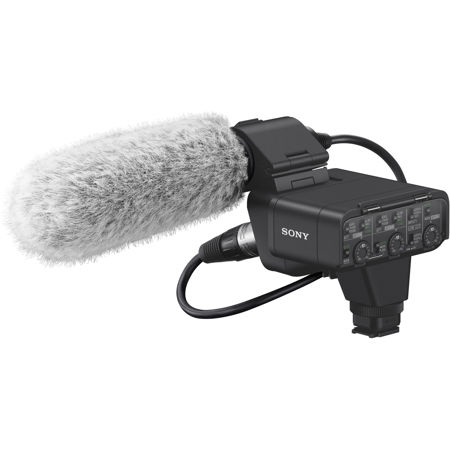
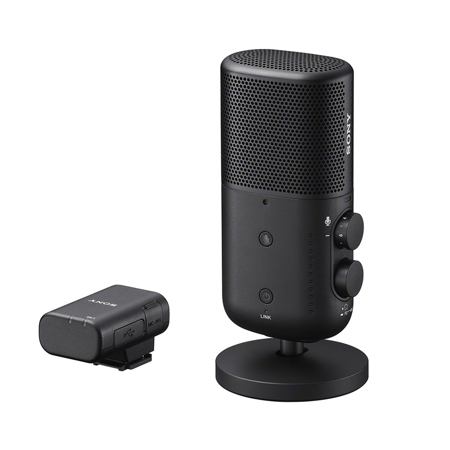
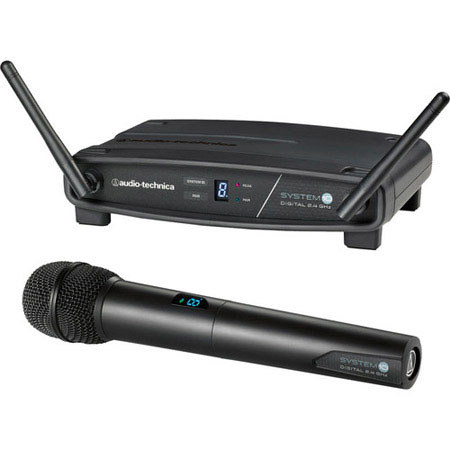
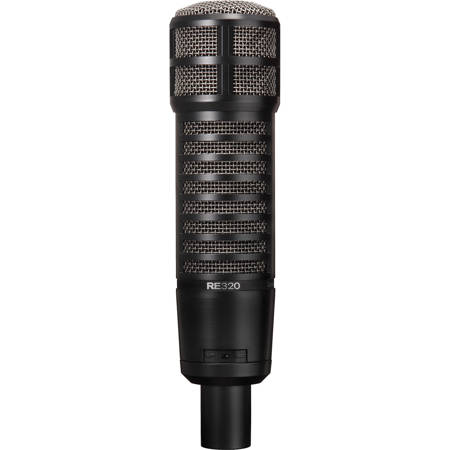
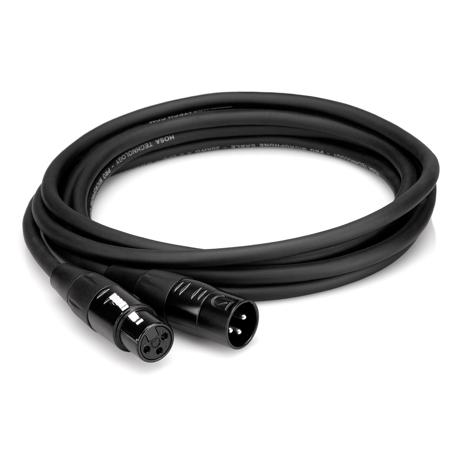
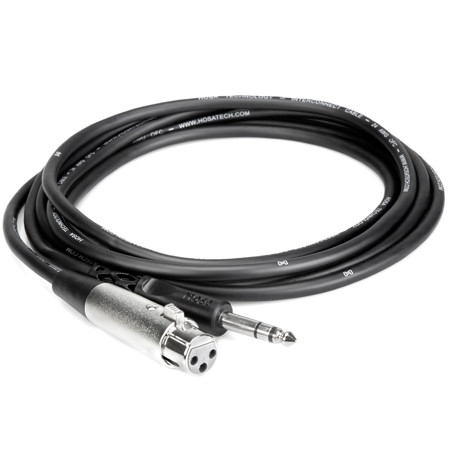
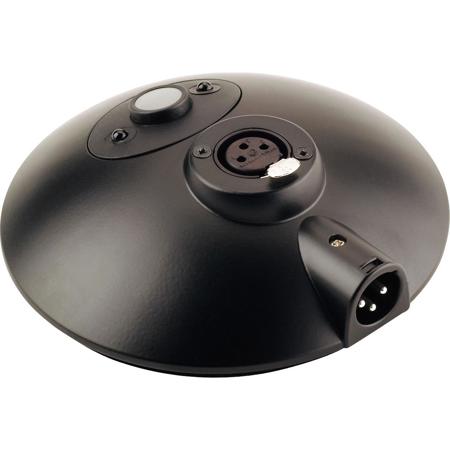
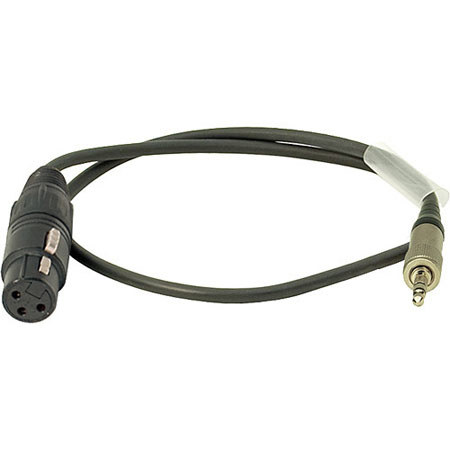
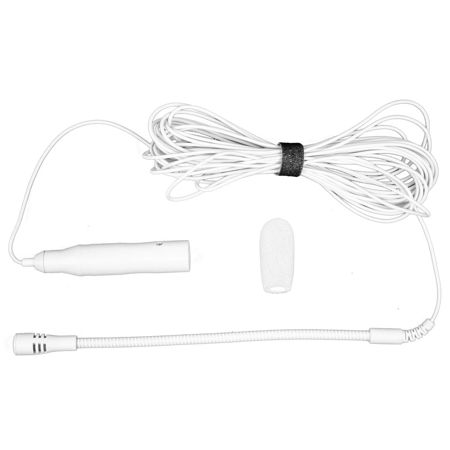
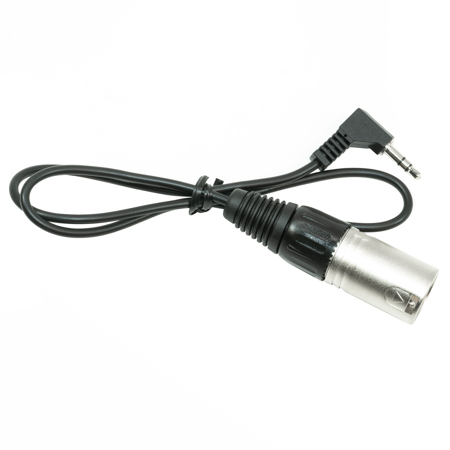
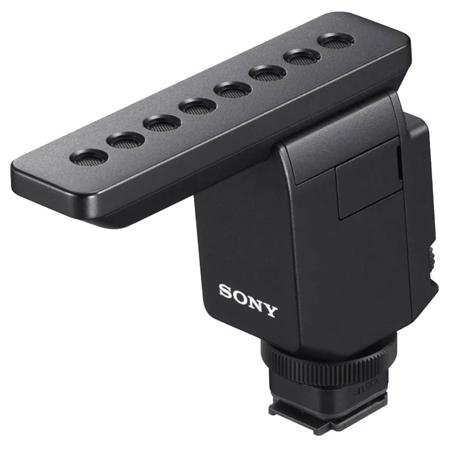
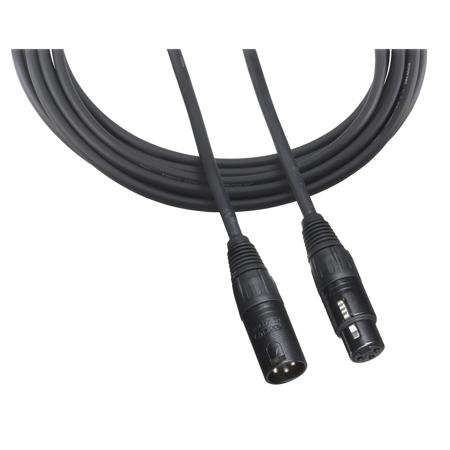
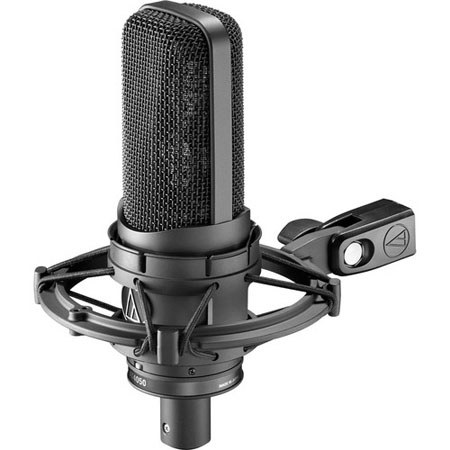
For those exploring the world of professional audio, XLR3 connection microphones represent the gold standard for clarity, durability, and versatility. Whether you’re setting up a home studio, outfitting a stage for live performances, or building a podcasting suite, these microphones are a trusted choice for capturing sound with precision. The 3-pin XLR connection—an industry staple—delivers a balanced analog signal, which means reduced noise and interference even in electrically busy environments. This makes XLR3 microphones ideal not just for seasoned audio engineers and musicians, but also for educators, content creators, and anyone looking to elevate their sound quality. The robust locking mechanism of an XLR connector ensures a secure fit, minimizing accidental disconnects during recording sessions or energetic live shows. As the weather warms and event season moves outdoors, performers and presenters can rely on the durability and consistent performance of XLR3 microphones for everything from open-air concerts to community gatherings.
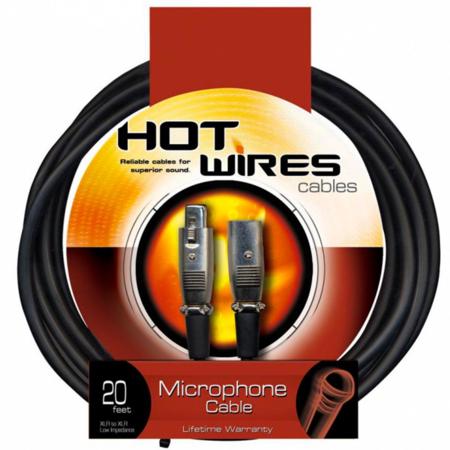
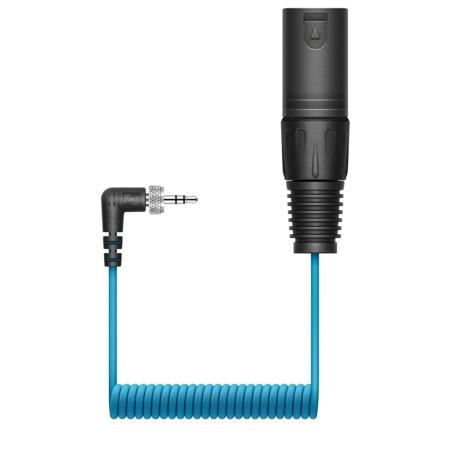
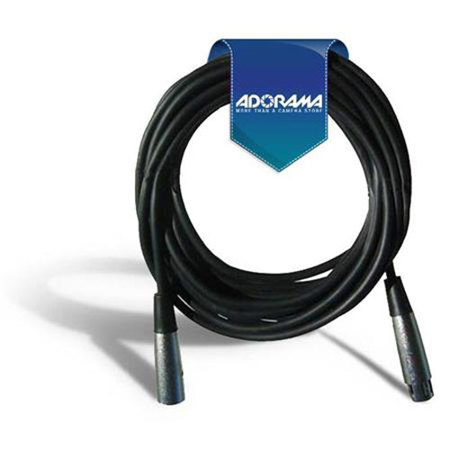
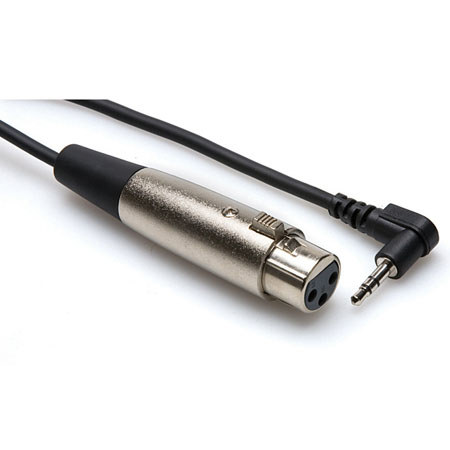
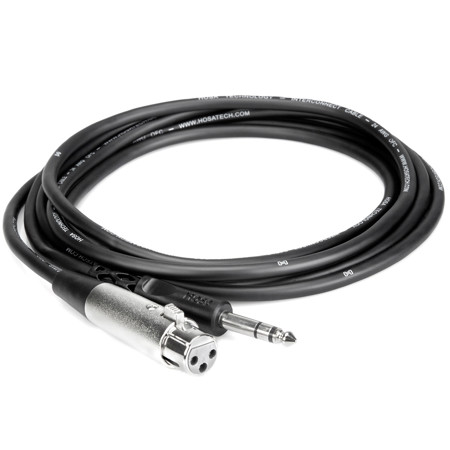
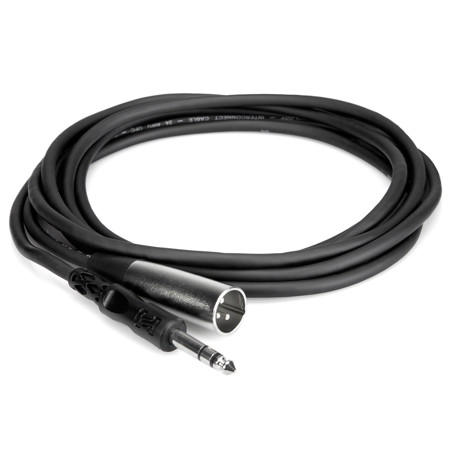
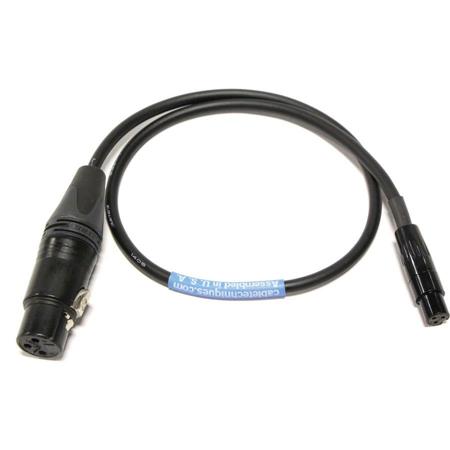
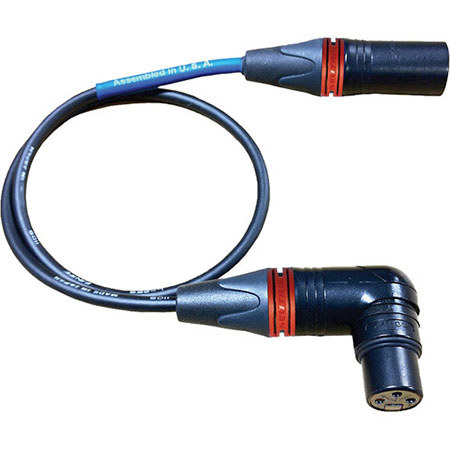
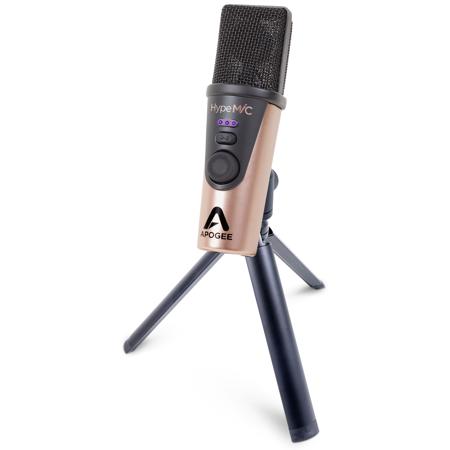
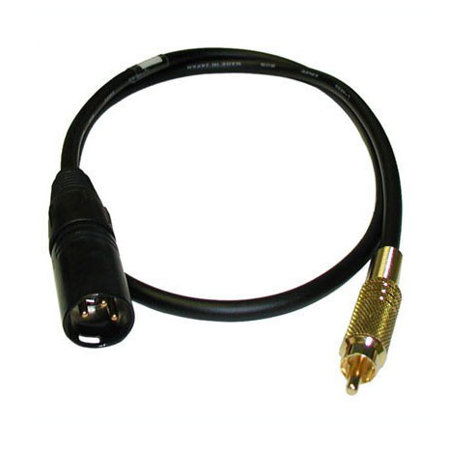
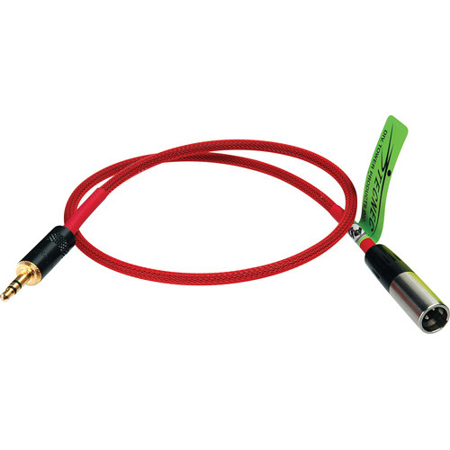
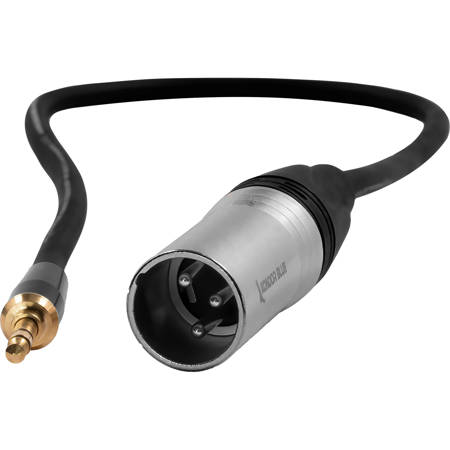
When considering an XLR3 connection microphone, it’s important to think about your specific application. Dynamic microphones with XLR connections are renowned for their resilience and ability to handle high sound pressure levels, making them a staple for live vocals, instrument amplification, and environments where durability is key. On the other hand, condenser microphones with XLR3 connectors offer heightened sensitivity and detail, perfect for studio vocals, voice-overs, and acoustic instruments. Many of these microphones require 48V phantom power, supplied by an audio interface or mixer—a consideration for those building or upgrading their setup. For podcasters, streamers, and home recording enthusiasts, XLR3 microphones unlock a level of audio quality that USB mics simply can’t match, though they do require additional equipment like an interface or mixer to connect to a computer. As families gather and projects move from indoor rehearsal spaces to outdoor stages during the early summer through the cooler fall months, XLR3 microphones also make thoughtful gifts for aspiring musicians, content creators, or anyone passionate about sound. To ensure seamless integration and the best possible performance, it’s essential to pair your microphone with compatible cables and accessories. For a complete range of options, from cables to adapters, visit our dedicated page for Xlr Connectors For Microphones.
Season after season, XLR3 connection microphones remain a cornerstone for professionals and enthusiasts alike. Their reliability under varying conditions—whether in a bustling club, a quiet studio, or an outdoor festival—makes them a wise investment for anyone serious about audio. The tactile feel of a well-made XLR connector clicking into place is a small but reassuring detail, signaling that your equipment is ready to deliver. As technology evolves, the XLR3 standard endures, continuing to bridge the gap between analog warmth and digital precision. Whether you’re capturing the subtle nuances of a solo performance or the energy of a full band, choosing an XLR3 connection microphone is a step toward uncompromising sound quality and enduring performance.
When considering an XLR3 connection microphone, it’s important to think about your specific application. Dynamic microphones with XLR connections are renowned for their resilience and ability to handle high sound pressure levels, making them a staple for live vocals, instrument amplification, and environments where durability is key. On the other hand, condenser microphones with XLR3 connectors offer heightened sensitivity and detail, perfect for studio vocals, voice-overs, and acoustic instruments. Many of these microphones require 48V phantom power, supplied by an audio interface or mixer—a consideration for those building or upgrading their setup. For podcasters, streamers, and home recording enthusiasts, XLR3 microphones unlock a level of audio quality that USB mics simply can’t match, though they do require additional equipment like an interface or mixer to connect to a computer. As families gather and projects move from indoor rehearsal spaces to outdoor stages during the early summer through the cooler fall months, XLR3 microphones also make thoughtful gifts for aspiring musicians, content creators, or anyone passionate about sound. To ensure seamless integration and the best possible performance, it’s essential to pair your microphone with compatible cables and accessories. For a complete range of options, from cables to adapters, visit our dedicated page for Xlr Connectors For Microphones.
Season after season, XLR3 connection microphones remain a cornerstone for professionals and enthusiasts alike. Their reliability under varying conditions—whether in a bustling club, a quiet studio, or an outdoor festival—makes them a wise investment for anyone serious about audio. The tactile feel of a well-made XLR connector clicking into place is a small but reassuring detail, signaling that your equipment is ready to deliver. As technology evolves, the XLR3 standard endures, continuing to bridge the gap between analog warmth and digital precision. Whether you’re capturing the subtle nuances of a solo performance or the energy of a full band, choosing an XLR3 connection microphone is a step toward uncompromising sound quality and enduring performance.