Zinc Air Batteries
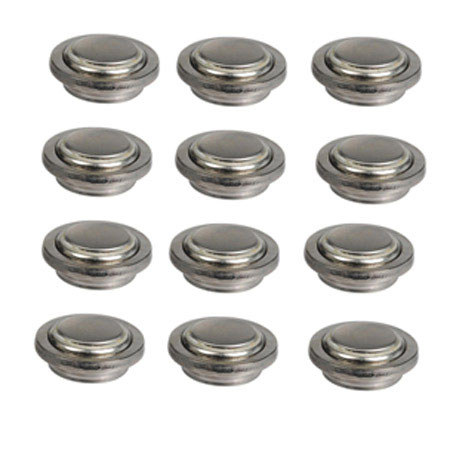
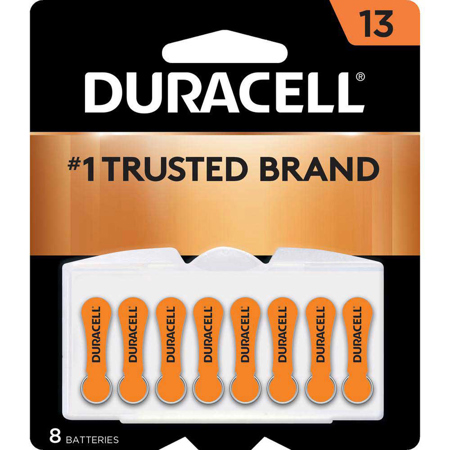
Zinc air batteries stand out as a reliable power solution for a wide range of compact, high-drain electronic devices, thanks to their unique chemistry and innovative design. Unlike traditional batteries that store both fuel and oxidant internally, zinc air batteries harness oxygen from the surrounding air, reacting it with zinc to generate electricity. This approach delivers an impressive energy density in a remarkably lightweight and compact form factor—qualities that make them especially popular for use in hearing aids, medical instruments, and precision measuring tools. The activation process is simple and intuitive: a small tab covers air holes on each battery, preserving freshness until use. Once the tab is removed, air enters and the battery comes to life, usually reaching full power within a minute. This activation method ensures a long shelf life prior to use, though it’s important to remember that, once exposed to air, the battery will gradually self-discharge, even if not powering a device. For those who rely on consistent, dependable energy in a small package—such as audiologists fitting hearing aids, musicians using in-ear monitors, or technicians powering sensitive measurement devices—zinc air batteries offer a compelling balance of performance and convenience.
When selecting zinc air batteries, it’s worth considering the specific demands of your device and your intended usage environment. These batteries typically deliver a steady voltage of about 1.4 volts and are engineered to provide long-lasting power for devices that require a continuous, low-drain energy source. Their safe, non-flammable chemistry and use of abundant, non-toxic materials like zinc and oxygen make them an environmentally friendly choice for everyday electronics. However, their performance can be sensitive to environmental conditions, particularly humidity and temperature, which may affect both lifespan and output. In the colder months of January and beyond, those using hearing aids or outdoor medical devices should be mindful that lower temperatures can slightly reduce battery efficiency, so it’s wise to store spares in a temperate, dry place. For gift-givers, zinc air batteries can be a thoughtful addition to a care package for loved ones who depend on hearing aids, ensuring uninterrupted sound clarity and confidence in social or professional settings. Professionals in audio engineering, fieldwork, or healthcare often keep a spare pack on hand, knowing that these batteries are trusted companions for critical moments—whether it’s capturing an interview in a bustling city or supporting a patient’s daily routine.
As you explore the range of zinc air batteries, you may also encounter the term “pile zinc air,” which refers to their construction as a stack or pile of electrochemical cells. This structural choice maximizes energy output while keeping the overall size minimal, making it easier to integrate into the sleek, ergonomic designs of today’s portable electronics. While zinc air batteries are primarily non-rechargeable, advances in rechargeable zinc air technology are expanding their use into new arenas, from electric vehicles to grid storage, promising a future of even broader energy applications. For those comparing battery types for specialized equipment, it can be helpful to review alternatives like Alkaline Button Cell Batteries, which offer different performance characteristics for various devices. Ultimately, choosing zinc air batteries means investing in a power source that blends high energy density, lightweight convenience, and a commitment to safety and sustainability—qualities that professionals and everyday users alike have come to trust in their most essential tools.
When selecting zinc air batteries, it’s worth considering the specific demands of your device and your intended usage environment. These batteries typically deliver a steady voltage of about 1.4 volts and are engineered to provide long-lasting power for devices that require a continuous, low-drain energy source. Their safe, non-flammable chemistry and use of abundant, non-toxic materials like zinc and oxygen make them an environmentally friendly choice for everyday electronics. However, their performance can be sensitive to environmental conditions, particularly humidity and temperature, which may affect both lifespan and output. In the colder months of January and beyond, those using hearing aids or outdoor medical devices should be mindful that lower temperatures can slightly reduce battery efficiency, so it’s wise to store spares in a temperate, dry place. For gift-givers, zinc air batteries can be a thoughtful addition to a care package for loved ones who depend on hearing aids, ensuring uninterrupted sound clarity and confidence in social or professional settings. Professionals in audio engineering, fieldwork, or healthcare often keep a spare pack on hand, knowing that these batteries are trusted companions for critical moments—whether it’s capturing an interview in a bustling city or supporting a patient’s daily routine.
As you explore the range of zinc air batteries, you may also encounter the term “pile zinc air,” which refers to their construction as a stack or pile of electrochemical cells. This structural choice maximizes energy output while keeping the overall size minimal, making it easier to integrate into the sleek, ergonomic designs of today’s portable electronics. While zinc air batteries are primarily non-rechargeable, advances in rechargeable zinc air technology are expanding their use into new arenas, from electric vehicles to grid storage, promising a future of even broader energy applications. For those comparing battery types for specialized equipment, it can be helpful to review alternatives like Alkaline Button Cell Batteries, which offer different performance characteristics for various devices. Ultimately, choosing zinc air batteries means investing in a power source that blends high energy density, lightweight convenience, and a commitment to safety and sustainability—qualities that professionals and everyday users alike have come to trust in their most essential tools.