Zoom Lenses For DSLR
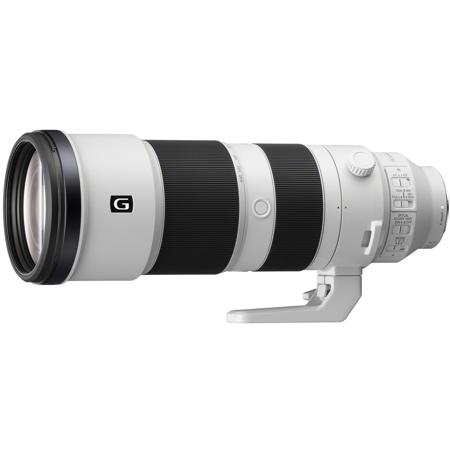
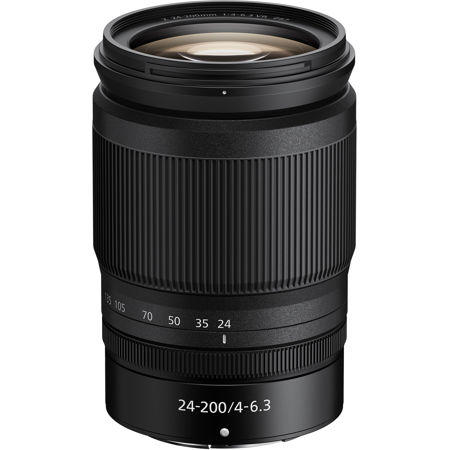
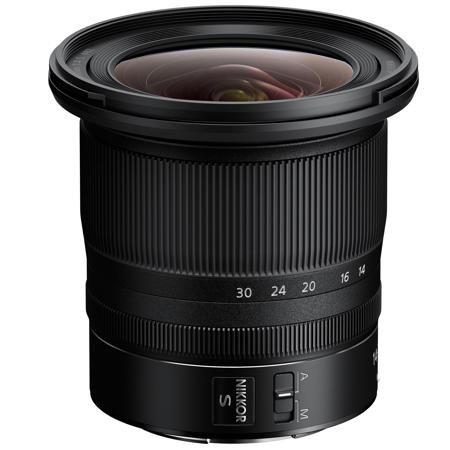
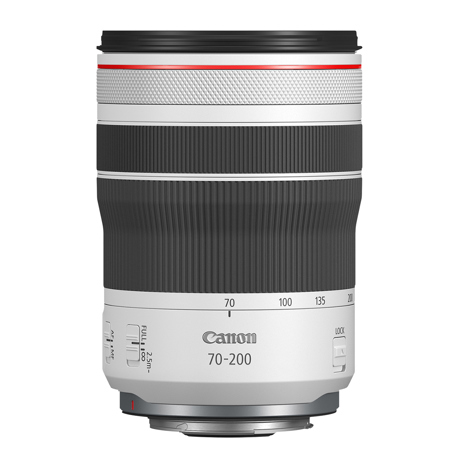
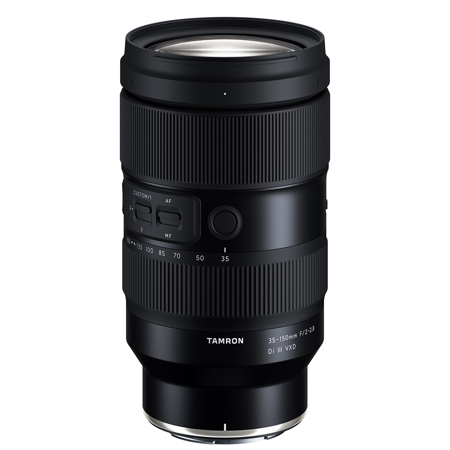
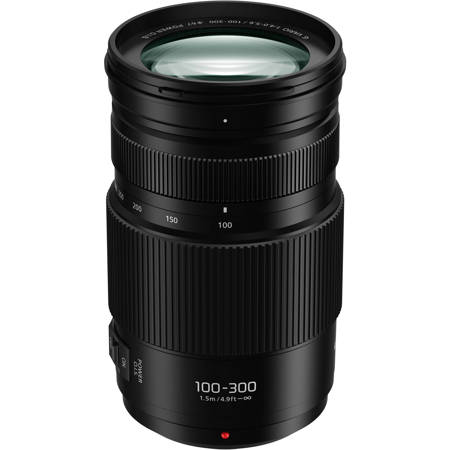
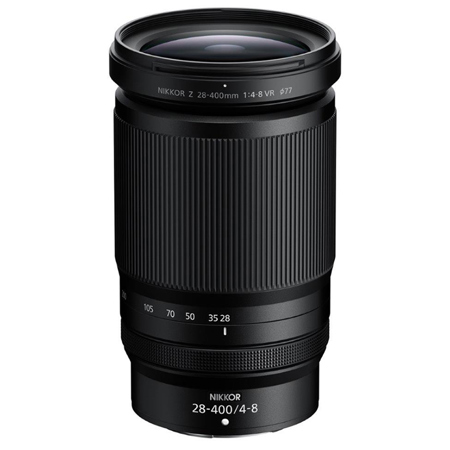
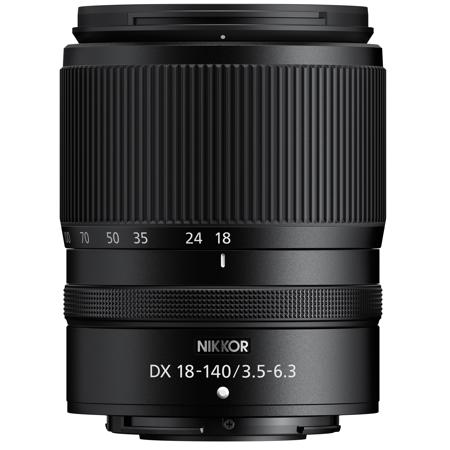
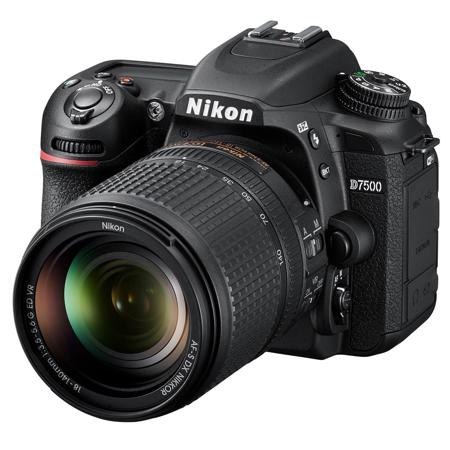
Zoom lenses for DSLR cameras have long been the go-to choice for photographers seeking flexibility, creative control, and convenience. Whether you’re capturing the vibrant colors of a summer street festival, documenting autumn’s golden landscapes, or simply preserving everyday moments, a zoom lens can adapt to nearly any scenario. With the ability to adjust your focal length on the fly, you can easily transition from wide-angle group shots to tight portraits or distant wildlife, all without the need to swap lenses. This versatility makes zoom lenses a popular option for travel, family gatherings, outdoor adventures, and event coverage, where changing conditions and spontaneous moments demand quick adjustments. For those with a passion for storytelling, a zoom in DSLR camera setup lets you frame your vision precisely, whether you’re working with a standard zoom for street photography or reaching for a telephoto to isolate subjects at a distance. As the weather shifts from warm to cool, the changing light and scenery present new opportunities to experiment with focal lengths and perspectives, making a zoom lens an invaluable companion throughout the seasons.
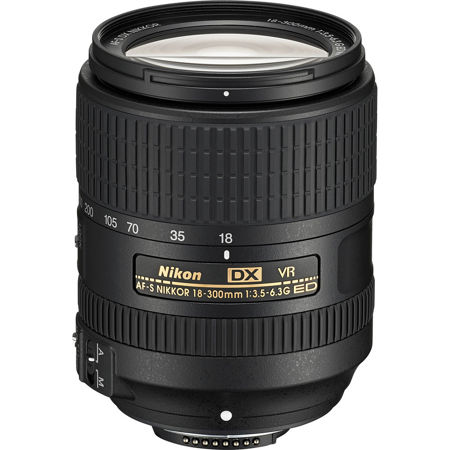
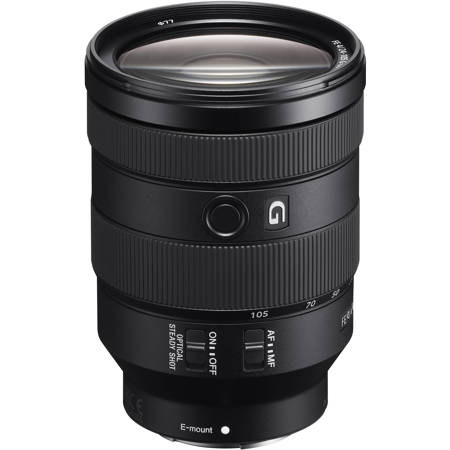
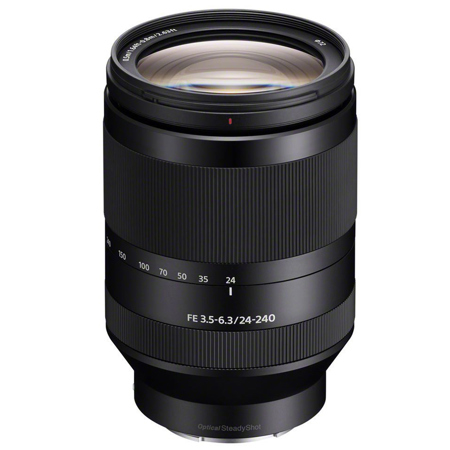
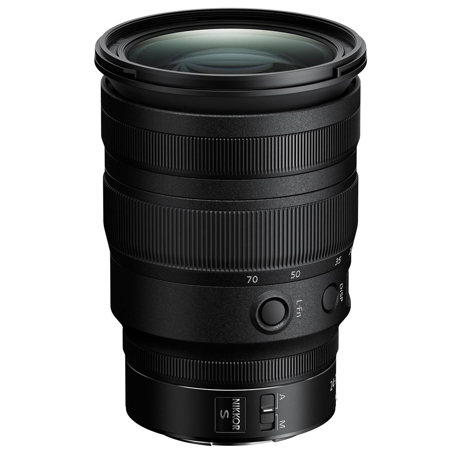
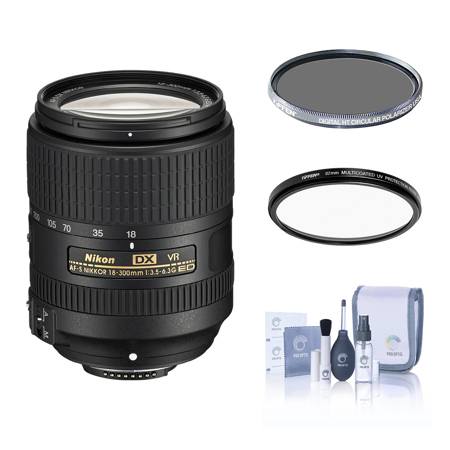
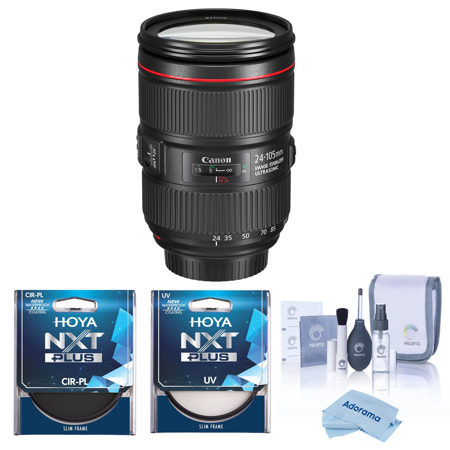
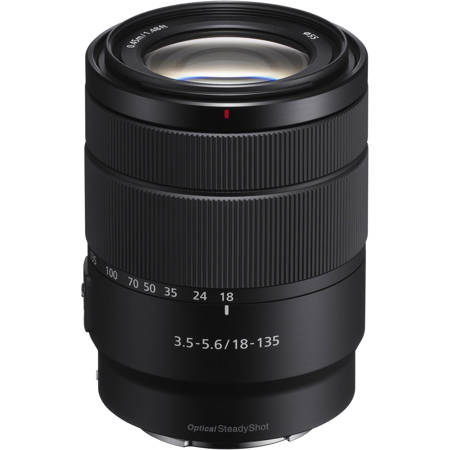
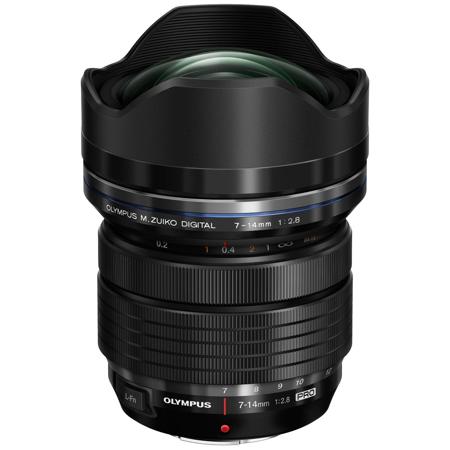
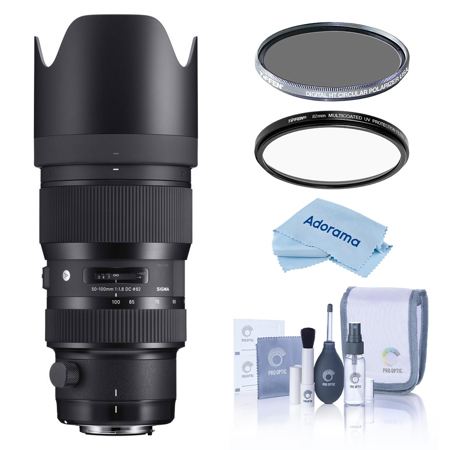
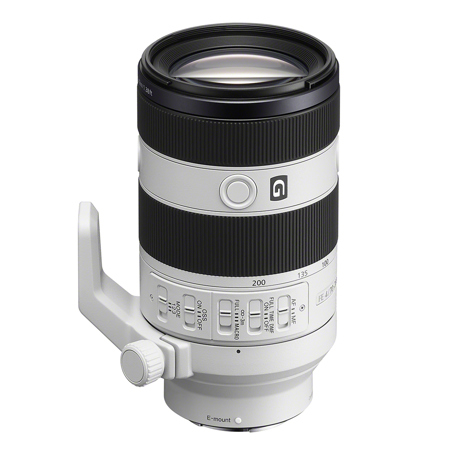
When considering which zoom lens to add to your kit, it’s helpful to think about your camera’s sensor size, your typical shooting environments, and your creative priorities. Full-frame DSLRs and APS-C (crop sensor) bodies require compatible lenses, as the coverage and image circle can vary—using a lens designed for a smaller sensor on a full-frame camera may result in vignetting or reduced image quality. Many photographers gravitate toward lenses with a wide focal range, such as an 18-300mm or 24-105mm, for all-in-one convenience, especially during travel or when packing light is a priority. Others may prefer a constant aperture zoom, like an f/2.8, for consistent exposure and beautiful background blur, especially useful for low-light events or portrait work. Variable aperture lenses, on the other hand, are often lighter and more budget-friendly, making them a smart entry point for hobbyists or as a versatile second lens. Features like image stabilization are particularly valuable when shooting handheld at longer focal lengths or in dim environments, helping to maintain sharpness without the need for a tripod. For those investing in their first “$1,000” lens, it’s worth weighing the long-term value and performance benefits—many professionals recall the leap in image quality and creative freedom they enjoyed after upgrading from a basic kit lens.
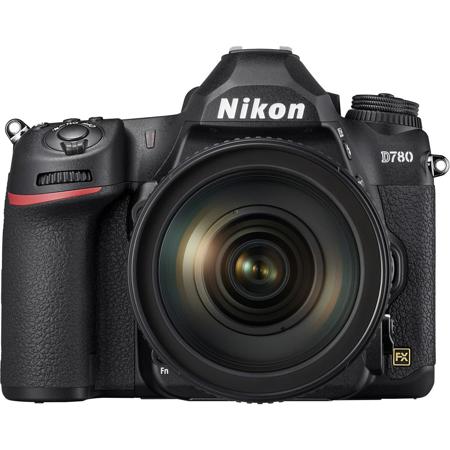
Zoom lenses are also a thoughtful gift for photography enthusiasts, students, or anyone looking to expand their creative toolkit. The right zoom lens can unlock new genres, from sports and wildlife to travel and documentary work, allowing users to experiment with composition and storytelling. Budding filmmakers and content creators will also appreciate the flexibility zoom lenses bring to video production, especially when paired with a capable DSLR like the Nikon D780. If your interests extend into motion work, you can explore dedicated options in our Zoom Lenses for Video Production and Filmmaking collection. No matter your experience level, the adaptability of a zoom lens ensures you’re ready for anything—from spontaneous summer road trips to the rich, textured scenes of harvest season. With thoughtful selection and care, a quality zoom lens becomes a trusted companion, capturing memories and creative visions for years to come.
When considering which zoom lens to add to your kit, it’s helpful to think about your camera’s sensor size, your typical shooting environments, and your creative priorities. Full-frame DSLRs and APS-C (crop sensor) bodies require compatible lenses, as the coverage and image circle can vary—using a lens designed for a smaller sensor on a full-frame camera may result in vignetting or reduced image quality. Many photographers gravitate toward lenses with a wide focal range, such as an 18-300mm or 24-105mm, for all-in-one convenience, especially during travel or when packing light is a priority. Others may prefer a constant aperture zoom, like an f/2.8, for consistent exposure and beautiful background blur, especially useful for low-light events or portrait work. Variable aperture lenses, on the other hand, are often lighter and more budget-friendly, making them a smart entry point for hobbyists or as a versatile second lens. Features like image stabilization are particularly valuable when shooting handheld at longer focal lengths or in dim environments, helping to maintain sharpness without the need for a tripod. For those investing in their first “$1,000” lens, it’s worth weighing the long-term value and performance benefits—many professionals recall the leap in image quality and creative freedom they enjoyed after upgrading from a basic kit lens.
Zoom lenses are also a thoughtful gift for photography enthusiasts, students, or anyone looking to expand their creative toolkit. The right zoom lens can unlock new genres, from sports and wildlife to travel and documentary work, allowing users to experiment with composition and storytelling. Budding filmmakers and content creators will also appreciate the flexibility zoom lenses bring to video production, especially when paired with a capable DSLR like the Nikon D780. If your interests extend into motion work, you can explore dedicated options in our Zoom Lenses for Video Production and Filmmaking collection. No matter your experience level, the adaptability of a zoom lens ensures you’re ready for anything—from spontaneous summer road trips to the rich, textured scenes of harvest season. With thoughtful selection and care, a quality zoom lens becomes a trusted companion, capturing memories and creative visions for years to come.