

This item is no longer available.
Review Summary
2014-07-21T21:00:00
I use the Muse for quick Lensbaby exposures as it focuses quickly. However, it does require some practice as one has to manage the camera differently when using it, holding the camera in ways we do not ordinarily try. The plastic optic is soft, fuzzy, dreamy, but difficult to use as it is hard to find the sweet spot, as even that it out of focus or at least cloudy. Again, practice needed. The Muse and the Plastic Optic are separable so that the optic can go into other housings and other optics can go into the Muse. Most automatic functions of the camera are disabled, although some cameras allow automatic shutter speed selection in aperture priority. No communication between camera and lens is possible. Metering can be unpredictable.
David P.

In an earlier tutorial I showed how to create a faux Lensbaby effect in Photoshop. But like many digital darkroom techniques, it can’t quite replace the real thing.

We take the two newest Lensbaby optic swap lenses out for a quick swing. I've been a huge fan of the Lensbaby line of bendy, sweet-spotted lenses since they first launched way back when a few years ago and ...
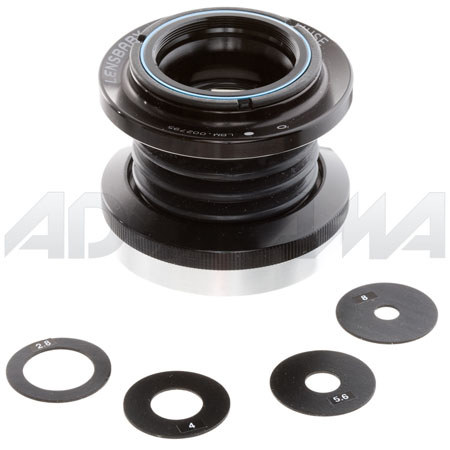
Sure, the Muse looks and acts like the Original Lensbaby. But, like the Composerand the Control Freak, this little baby comes with Lensbaby's new Optic Swap system-offering artists an almost unlimited variety of looks and styles to capture their unique visions.
All Lensbaby lenses bring one area of a photo into sharpest focus with that Sweet Spot surrounded by gradually increasing blur. Photographers focus the Muse by compressing the lens and move the sweet spot by bending the flexible lens tubing.
The Plastic optic blurs and diffuses in a dreamy way that Holga and Diana camera lovers will especially appreciate.