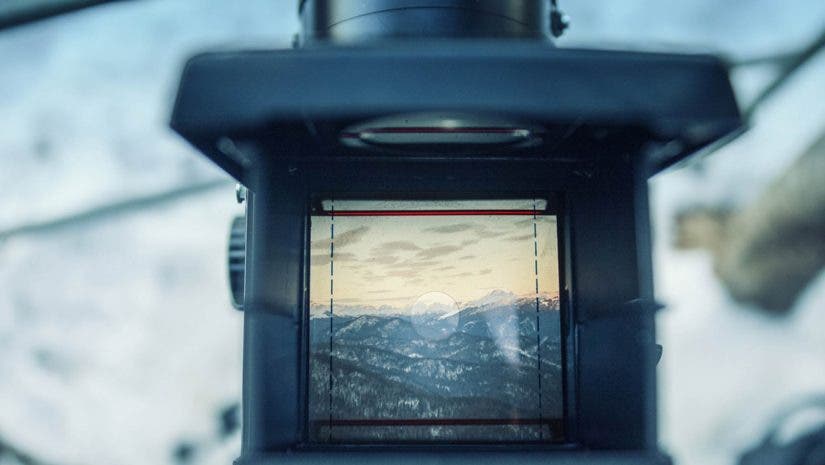
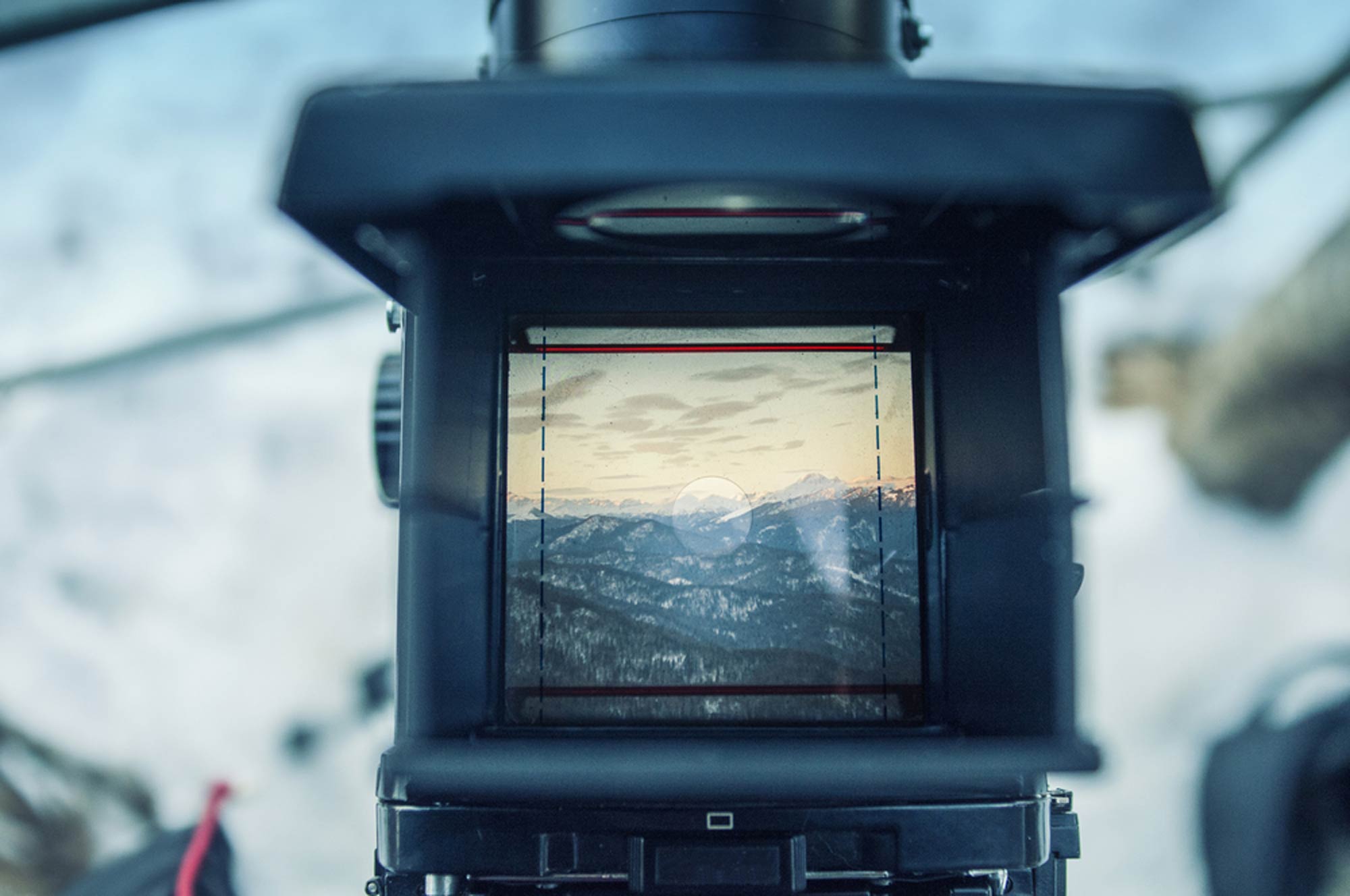
Medium-format is mostly associated with film photography. But like everything else in this world, it has now gone digital to keep up with the changing times. Medium-format is alive and well in the digital age, thanks to the availability of medium-format DSLRs, as well as digital camera backs that can be attached to traditional medium-format film cameras to allow them to take digital images.
If you’ve been shooting with the usual APS-C or full-frame DSLR cameras for most of your photography career, digital medium-format is something that may pique your interest. And if you find yourself wanting to explore other formats and expand your creative horizons, shooting medium-format might be the next logical step.
But to get started, you’re going to need a camera.
What Is a Medium Format Camera?
A medium format camera is a digital or analog camera with interchangeable lenses that captures images on a digital sensor, respectively film, larger than the standard size for 35mm photography and smaller than the standard size for large format photography. Therefore, a medium format camera has a sensor or film size larger than 24×36mm (0.94×1.42″) and lesser than 100x130mm (4×5″).
As a result, a medium format camera provides higher resolutions and a wider dynamic range than traditional 35mm cameras. It also has better performance in low light conditions.
Unfortunately, medium-format digital cameras are not cheap. You can save some money by purchasing a medium-format film camera instead, but if you’re more inclined to shoot digital, this will mean the additional purchase of a compatible digital camera back, which will cost you thousands of dollars on top of the few hundred dollars you spent on the film camera. And then of course, there’s the ongoing cost of buying film—not to mention developing, shipping, scanning, and possibly even printing, if you need to print your shots.
Whether you go film or digital, medium-format photography will definitely cost you a pretty penny. But on the bright side, the beautiful images alone should make it well worth the investment.


What to Look for in a Medium Format Camera
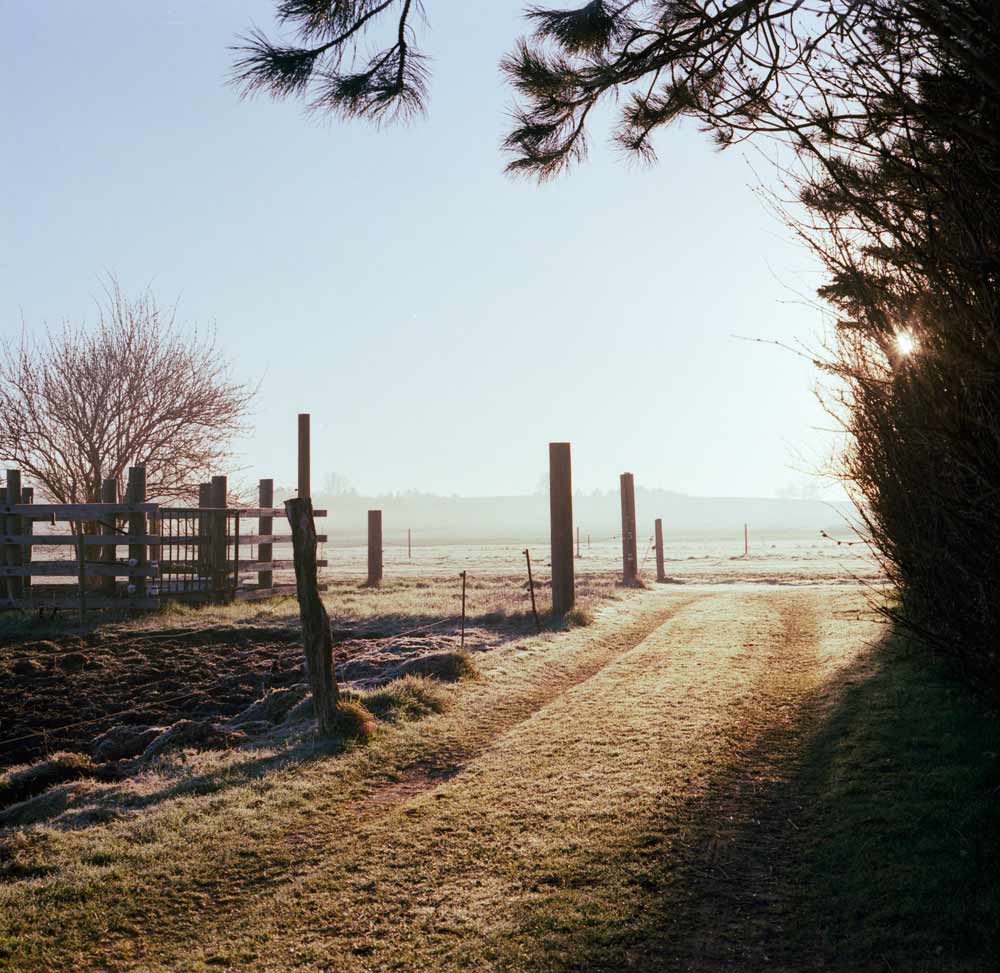
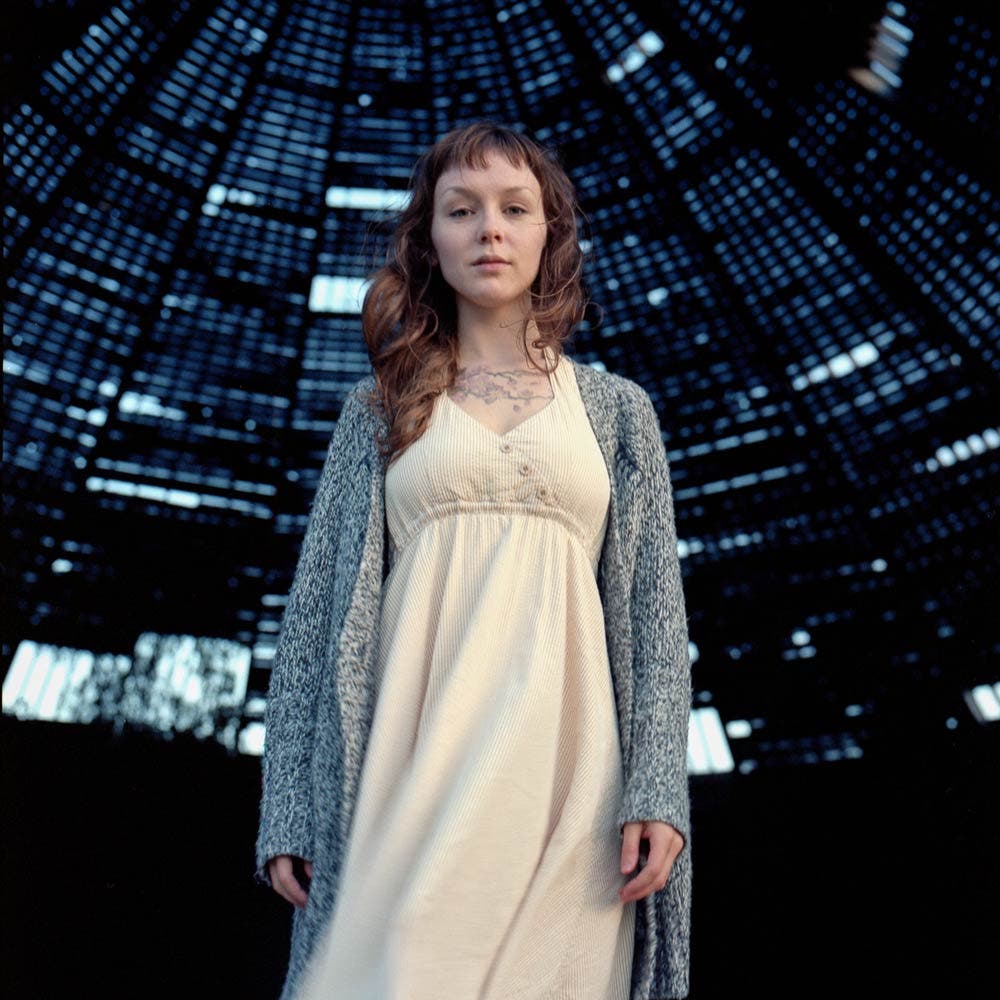
The best medium format camera provides exquisite image quality that creates photographs suited for enlargement and print. It allows you to explore large depths of field, capture accurate colors, and work in low light conditions without producing grainy images. If this sounds good to you, here are the features to consider when buying a medium format camera.
Sensor Size
Digital medium format cameras have sensors two to five times larger than traditional full-frame and cropped cameras. You can choose a medium format camera featuring a mirror system with a 53.7×40.4mm sensor or a mirrorless medium format camera with a smaller sensor (44 x 33mm).
Autofocus
The main focus of medium format camera manufacturers is the quality of the image. That leaves other features on a secondary plan. If you photograph moving subjects, such as sports and animals, look for a camera that provides autofocus. There are a few of them in the mirrorless range.
Viewfinder
The big sensor of the medium format cameras influences the design of the camera. And some manufacturers reduce the complexity of the camera by leaving out the viewfinder. If this is an important feature for you, look for a camera that has one and check its performance (especially if it is an electronic viewfinder).
Lens Offer
There aren’t many medium format camera brands, and the lens offer may be very limited. Look for cameras for which you can find a lens that meets your requests (e.g., wide-angle, macro, etc.).
Ergonomics
Medium format cameras are heavier, bulkier, and harder to handle than regular DSLRs. However, especially in the mirrorless range, you can find cameras more compact, with a better grip, and suited for an outdoor photo setup.
What are the best medium-format digital cameras?
If you’re looking to get into medium-format photography, your camera options are somewhat limited. Unlike APS-C and full-frame cameras, only a handful of manufacturers make digital medium-format cameras—namely Pentax, Hasselblad, Leica, Mamiya, and most recently Fujifilm, following the release of its first digital medium-format mirrorless camera.
Because medium-format cameras are quite expensive, you need to carefully consider your options before you decide which one to buy. And to make it easier, we’ve narrowed down your choices and listed some of the best medium-format cameras that are out on the market today:
Hasselblad 907X 100C
Step into the world of medium format excellence with the Hasselblad 907X CFV 100C, where timeless design meets cutting-edge versatility. This camera transcends traditional boundaries by offering three distinct photographic applications, showcasing a 100-megapixel back-side illuminated CMOS sensor that delivers unparalleled image quality with 15 stops of dynamic range and a native ISO as low as 64. Elevating the photography experience, the advanced Phase Detection Autofocus (PDAF) system, featuring 294 zones and a new face detection function, ensures agile and precise focusing for capturing moments with creativity and precision.
Key Specifications:
- 100MP sensor
- Detachable CFV 100C digital back
- Hasselblad Natural Color Solution (HNCS)
- Phase Detection Autofocus (PDAF) and new face detection function
Pentax 645Z
Despite the hefty price tag, the Pentax 645Z is arguably one of the most budget-friendly medium-format digital cameras out of all the other cameras on this list. And for this reason alone, this camera is a great choice for anyone who wants to get their toes wet with medium-format photography without spending tens of thousands on a single camera.
But in addition to the price, the Pentax 645Z also offers powerful specs for creating beautiful, incredibly detailed medium-format images.
Key Specifications:
- 51.4MP CMOS sensor (43.8 x 32.8mm)
- Prime III image processor
- Anti-aliasing filter-less design
- HDR (High Dynamic Range) shooting mode
- Full HD 1080p video
- Tiltable, air-gapless 3.2-inch 1037K-Dot TFT LCD screen
- Durable, weather-sealed body
Fujifilm GFX50S II Mirrorless Digital Camera
The GFX50S II packs a 1.7x larger sensor than a full-frame camera in a compact and weather-resistant body. It aims to be the best medium format camera based on its advanced autofocus system, in-body image stabilization, wide dynamic range (50- 102400 ISO range), and ergonomic grip.
Key Specifications:
- 51.4MP CMOS sensor (43.8 x 32.8mm)
- X-Processor 4 image processor
- Autofocus optimized for G Mount lenses
- Internal Body Image Stabilization
- Electronic viewfinder
- Compact, weather-resistant body
- Weight 31.7 oz. (900g)
Hasselblad 907X
The 907X offers high-quality images and videos but also intuitive controls and versatility. The large screen allows a smooth live view experience, while the optical viewfinder lets you keep everything under control. The camera supports XCD, HC/HCD, V, and XPAN lenses via adapters.
Key Specifications:
- 50MP CMOS sensor (43.8 x 32.8mm)
- Up to 14 stops of dynamic range
- Optical viewfinder
- High-resolution 3.2-inch 2.36M dot touch and tilt screen
- Dual SD card slots
- Weight 30.5 oz. (865g)
Hasselblad H6D-100c
By now, you’ve probably guessed that Hasselblad reigns as one of the leading makers of the best medium-format cameras that are currently available on the market. In addition to the previously mentioned cameras, it also offers the highly impressive Hasselblad H6D-100c, which boasts of a 100-megapixel CMOS sensor for ultra-high definition photo and video capture.
Designed for hardcore photographers who need the highest-quality output out of their camera, the H6D-100c has superior low-light capabilities, a wide ISO sensitivity range of 64 to 12800, 6-bit color depth and 15 stops of dynamic range, shutter speeds of 60 minutes to 1/2000 seconds, a highly advanced processor, and superior connectivity for improved workflow.
Key Specifications:
- 100MP CMOS sensor (53.4 x 40.0mm)
- 16-bit color and 15-stop dynamic range
- HVD 90x viewfinder
- 3-inch 920k-dot touchscreen LCD screen
- UHD 4K and full HD RAW video (at 30fps)
- Dual CFast and SD memory card slots
- Built-in Wi-Fi, USB 3.0 type-C
- Phocus software (3.0)
Fujifilm GFX 100
The Fujifilm GFX100 combines the high-quality capabilities of a medium format camera with the compact design of a mirrorless camera. It sports a broad ISO 100 to 12800 sensitivity range, which can be further extended to ISO 50 to 102400. Its 102MP 43.8 x 32.9mm BSI CMOS sensor and X-Processor 4 allows the GFX100 to render high-quality images and footage. It also boasts 16-bit raw imagery output with low noise levels while maintaining a broad dynamic range.
The GFX100 comes with an integrated sensor-shift image stabilization system that is revolutionary for mirrorless medium formats. This system compensates for up to 5.5 stops of camera shake across five axes, reducing the appearance of camera shake and allows you to work with any lens, including non-optically stabilized FUJINON lenses. It has a built-in vertical battery grip which houses two batteries, allowing for longer and more comfortable operability. Have a capable but lightweight and compact medium format camera with the Fujifilm GFX100.
Key Specifications:
- 102MP 43.8 x 32.9mm BSI CMOS sensor & X-Processor 4
- Integrated sensor-shift image stabilization
- Removable 5.76m-dot OLED electronic viewfinder
- Rear 3.2″ 2.36m-dot touchscreen LCD with a three-way tilting design
- Ergonomic battery grip
- Weather-sealed, lightweight & durable magnesium alloy body
Hasselblad H6D-400c MS
The Hasselblad H6D-400c Multi-Shot camera pushes the envelope of color accuracy and resolution. This medium format camera features a multi-shot system which can record up to six sequential images and compiles them into a 400MP-equivalent frame with improved color detail, as well as an almost complete lack of aliasing and moiré. The H6D-400c’s design is based on the H6D-100c platform, while its 100MP 53.4 x 40mm CMOS sensor has an ISO 64-12800 sensitivity range. It also has a 16-bit color depth and a dynamic range of up to 15 stops for maintaining detail and quality when working under difficult lighting conditions.
This Hasselblad camera can record in both UHD 4K and Full HD 1080p video at 30 fps and saves them in the proprietary Hasselblad Raw format. The camera has a built-in 3.0″ 920k-dot touchscreen LCD for quick and intuitive controls as well as Wi-Fi capabilities to let you control the H6D-400c remotely and view your images and other files wirelessly.
Key Specifications:
- 53.4 x 40mm 100MP CMOS sensor
- Multi-Shot technology & True Focus II
- Compatible with updated HC & HCD lenses
- Dual Media Card Slots
- USB 3.0 Type-C connector for quick file transfers
- Comes with the Phocus 3.0 image processing software
Leica S3
The Leica S3 is a medium format DSLR that can render high-resolution stills and video recordings. This Leica camera features a 64MP 30 x 45mm CMOS sensor and a Maestro II image processor, allowing it to produce clear and sharp images consistently and deliver a wide dynamic range. It has a maximum sensitivity of ISO 50,000 and can record up to 32 consecutive DNG files at 3.5 fps thanks to its high-performance sensor and image processor.
The Leica S foregoes the traditional optical low-pass filter while incorporating on-chip microlenses into the sensor’s design to achieve even light distribution and consistent sharpness from edge-to-edge. The Leica S can also record 4K video by using a Super 35-sized area of the sensor or shoot full HD 1080p video using the entire sensor area. 4K recordings can frame rates of up to 24 fps while HD recordings can have frame rates as much as 30s. Additionally, the Leica S (typ 007) combines high-performance imaging capabilities with a compact and robust build, ensuring optimum footage and photos every time.
Key Specifications:
- 64MP 30 x 45mm CMOS sensor
- Maestro II image processor
- Rear 3.0″, 921.6k-dot LCD image review & live view monitoring
- Built-in Wi-Fi connectivity
- Weather-sealed magnesium alloy body
Fujifilm GFX100 IR Medium Format Mirrorless Camera
The GFX100 IR allows you to take photographs in the infrared spectrum and even analyze pigments and historical artifacts. It features the Pixel Shift Multi-Shot function for recording accurate colors, an AF phase-detection autofocus system, 100-12800 ISO range, image stabilization, and a weather-sealed body.
Key Specifications:
- 102MP BSI CMOS sensor (43.8 x 32.8mm)
- X-Processor 4 Quad-Core Imaging Engine
- Image stabilization with 5-axis compensation
- AF phase detection autofocus
- Weight 49.38 oz. (1400g)
Fujifilm GFX 50R
Have a sleek but capable medium format mirrorless camera with the Fujifilm GFX 50R. This compact camera sports a 43.8×32.9mm 51.4MP CMOS sensor and the X-Processor Pro image processor. These specs allow it to capture high-resolution photos and shoot full HD 1080p videos at up to 30fps. Its compact, rangefinder-inspired design makes this medium format camera elegant yet portable enough to bring anywhere. Additionally, the GFX 50R utilizes a 117-Point contrast-detection autofocus system for improved focusing speed and accuracy.
The Fujifilm GFX 50R can extend its ISO sensitivity up to 102400 to render realistic colors and highly detailed images while also allowing you to shoot under low-light situations. Its 3.69m-dot OLED electronic viewfinder makes framing and shooting more comfortable, while its 3.2″ 2.36m-dot touchscreen LCD has touchscreen camera control and a three-way tilting design that lets you view your shots conveniently regardless of the camera’s angle and position.
Key Specifications:
- 51.4MP CMOS Sensor and X-Processor Pro
- 117-Point Autofocus System
- Built-in 3.69m-dot OLED electronic viewfinder
- Rear 3.2″ 2.36m-dot touchscreen LCD
- Includes a NP-T125 rechargeable lithium-ion battery
- Weather-sealed body and magnesium-alloy construction
Hasselblad H6X Medium Format Camera with HVD90X Viewfinder
The Hasselblad H6X is a medium format SLR designed to utilize HC and HCD lenses, as well as numerous dedicated backs and viewfinders. This camera features the H6X lens program made by Hasselblad to reach the optimized optical performance specifications. Its lens shutter can sync with flashes at up to 1/800 seconds while maintaining a quiet and vibration-free operation.
The Hasselblad H6X uses a single central autofocus point with True Focus and Absolute Position Lock technologies, allowing it to maintain focusing precision. This method is more accurate compared to using multi-point AF systems, especially when using a focus-then-recompose method of shooting. The H6X now has eight shooting profiles for quick changing of presets—seven of which are fully customizable to suit your preferences. The H6X is made of durable stainless steel and aluminum alloy and has a lithium-ion battery grip to give users a robust build along with a comfortable grip while operating the camera.
Key Specifications:
- True Focus & Absolute Lock Technology
- High Power Autofocus illumination
- Increased number of profiles to 8
- Compatible with HCD lenses
- Includes an HVD 90x viewfinder
- Integrated & programmable buttons
Pros and Cons of a Medium Format Camera
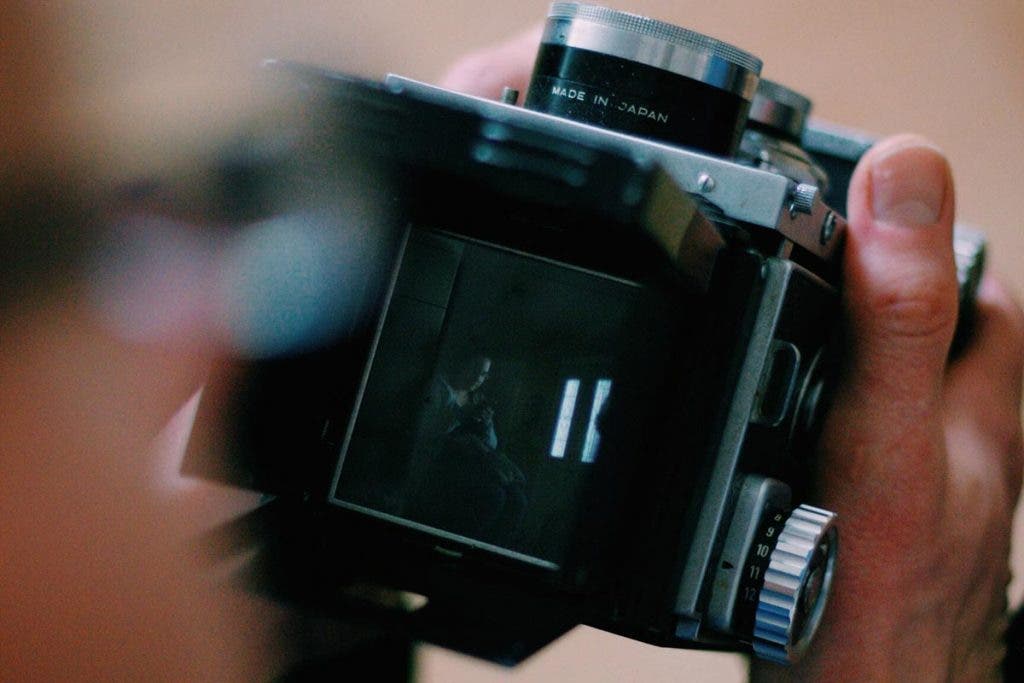
Like any other photography gear, medium format cameras have advantages and drawbacks. The best medium format camera is not the perfect camera, but the best one for your needs. You don’t buy a medium format camera just to try one out. You have to want that ‘medium format look’ and be prepared to deal with the consequences. Finally, these pros and cons will help you decide.
Pros:
- High-resolution images that allow enlargement, cropping, and large print sizes. A RAW file recorded with a medium camera can become a billboard, poster, or artwork, illustrate magazine articles, or be divided into several high-quality smaller images.
- High color accuracy and detail essential for fashion and commercial photography
- Wide dynamic range
- Large depth of field range that allows everything between very deep depth of field for landscape photographs and shallow depth of field for portraits
- Better separation between subject and background, part of the ‘medium format look’
- Wider angle of view than a DSLR using the same lens
- Low noise levels
Cons:
- Expensive
- Large, heavy, and fragile, not meant for use without a tripod
- Some models don’t have image stabilization
- Lack or less advanced autofocus systems, not really meant for photographing fast-moving subjects
- Slow burst mode speeds require patience and a steady subject
- Limited lens offerings, mostly general-purpose prime lenses (no ultra-wide or super-telephoto ones, no tilt-shifts, no large aperture lenses).
Is a Medium Format Camera Worth It?
A medium camera format is worth it if you use it for the right purpose, which is fashion, editorial, and commercial photography, studio photography, fine art prints, and large photographs of any kind (e.g., landscapes, portraits, etc.). Finally, if you want to print your photographs on a large scale, go for a medium format camera. If you only post them on social media, stick to a more affordable camera.