48 Port Switches
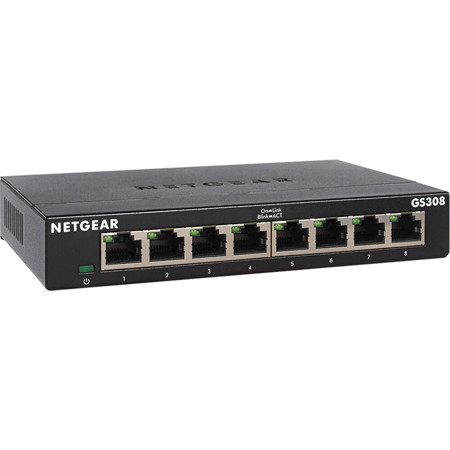
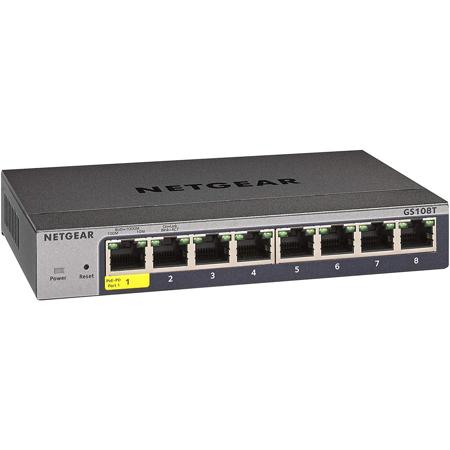
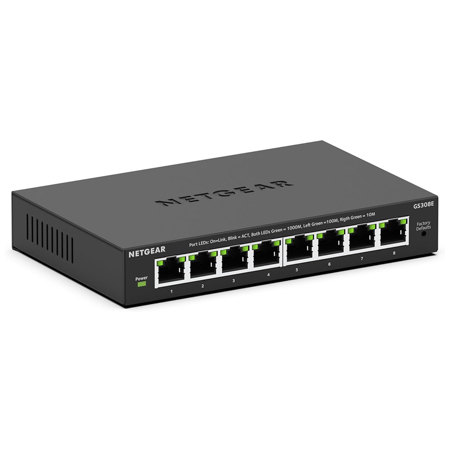
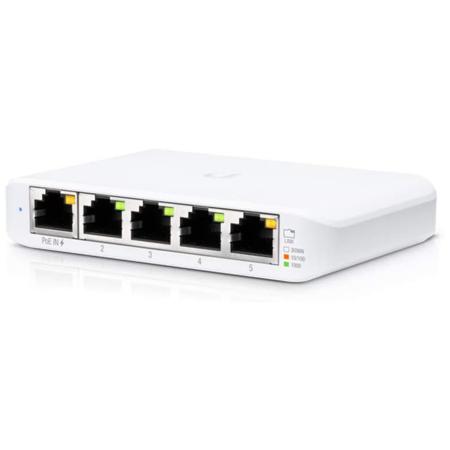
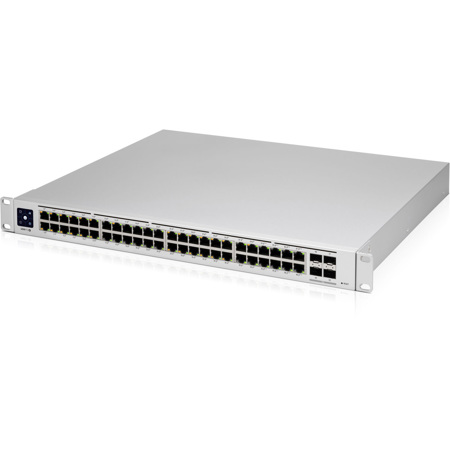
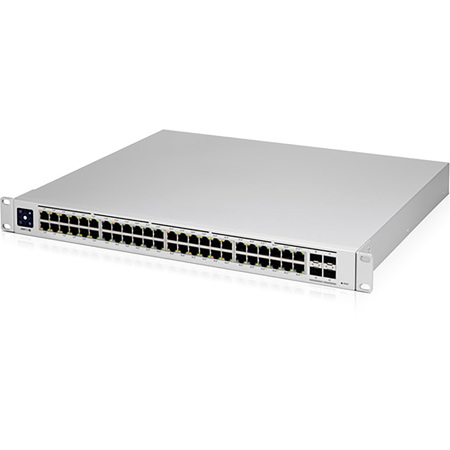
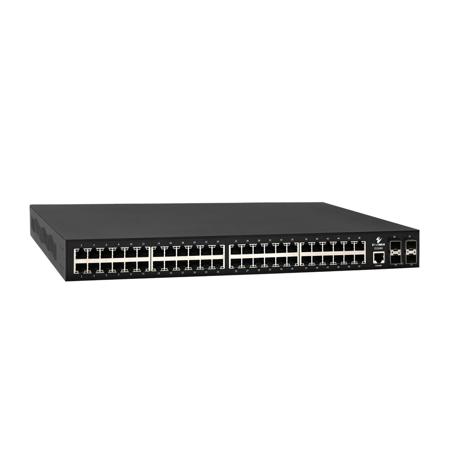
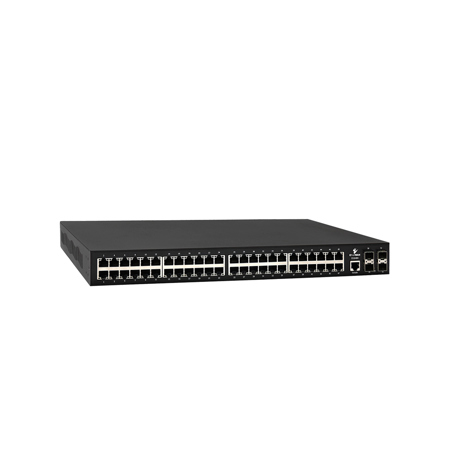
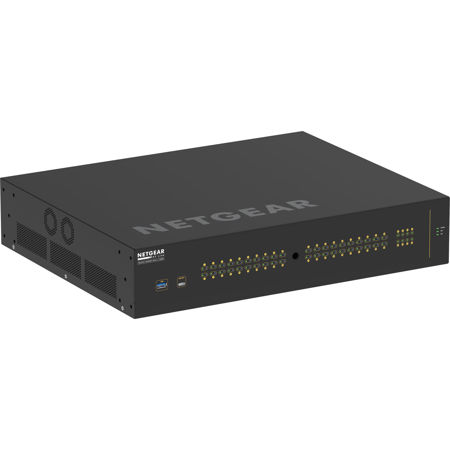
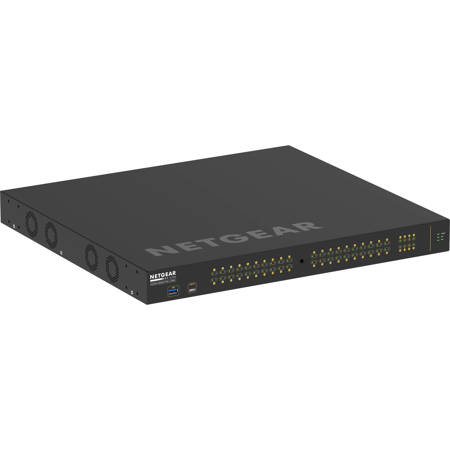
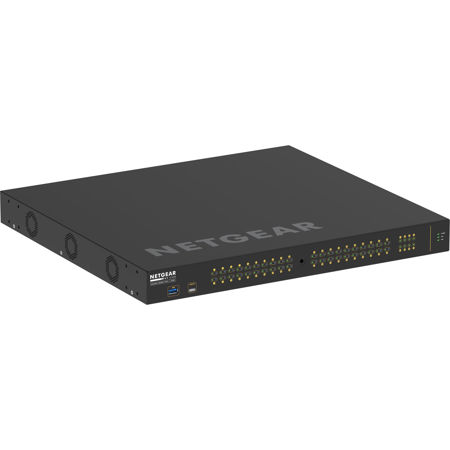
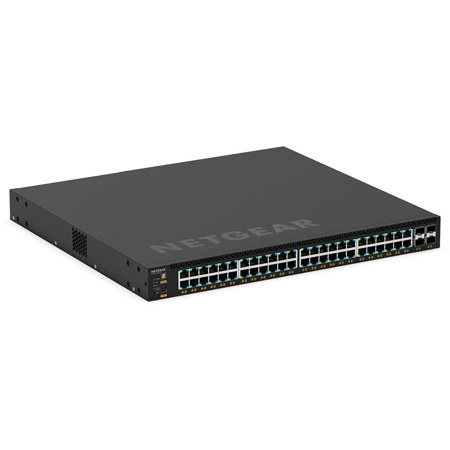
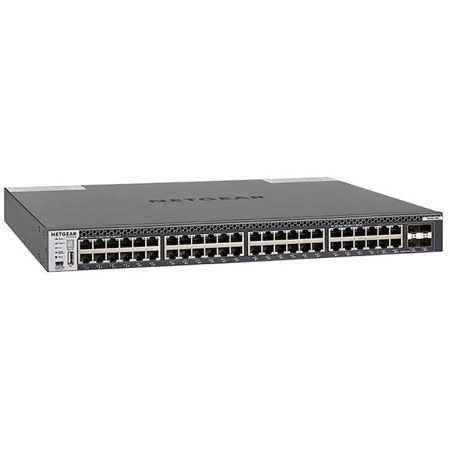
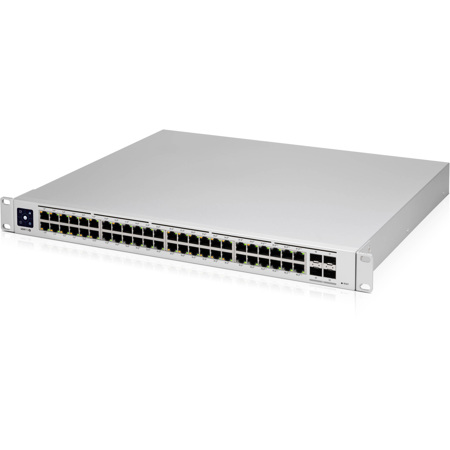
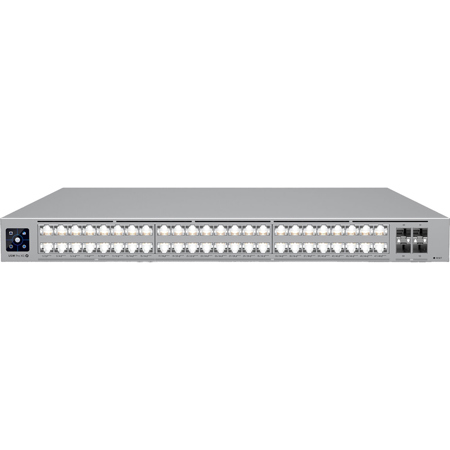
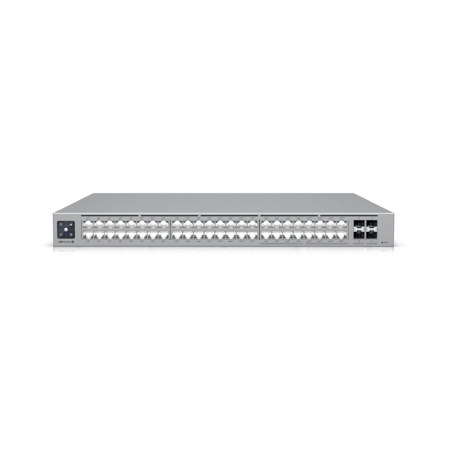
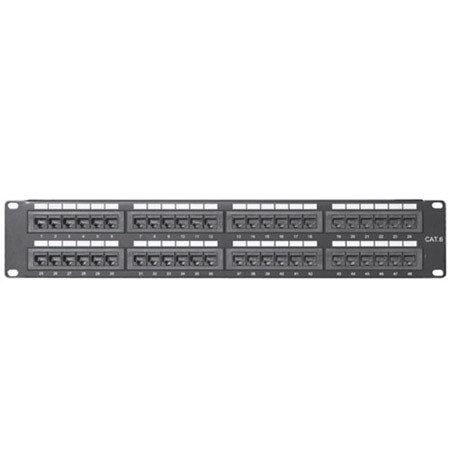
In today’s fast-paced digital landscape, 48-port switches are the backbone of robust network infrastructures, delivering the connectivity, speed, and flexibility that growing businesses and high-demand environments require. With 48 individual ports, these switches are purpose-built for organizations that need to connect a large number of devices within a local area network (LAN), such as desktop computers, VoIP phones, security cameras, wireless access points, and more. Whether it’s a bustling office during the winter months, a school campus preparing for the spring semester, or a creative studio scaling up its operations, a 48-port switch offers the scalability to handle current needs while leaving ample headroom for future expansion. The versatility of these switches—available in unmanaged, smart managed, and fully managed configurations—means there’s a solution for every level of technical expertise and network complexity. Unmanaged switches are ideal for straightforward plug-and-play installations where simplicity is paramount, while smart managed and fully managed models provide advanced features like VLANs, Quality of Service (QoS), and network monitoring for those who demand granular control and enhanced security.
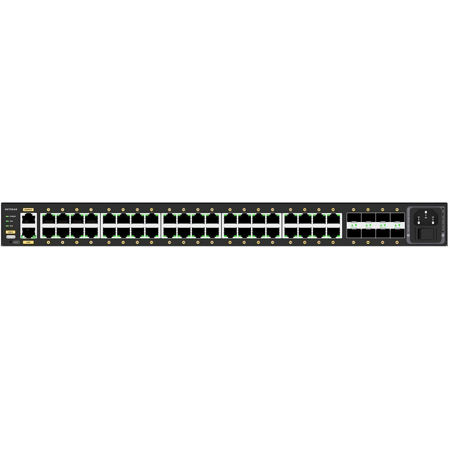
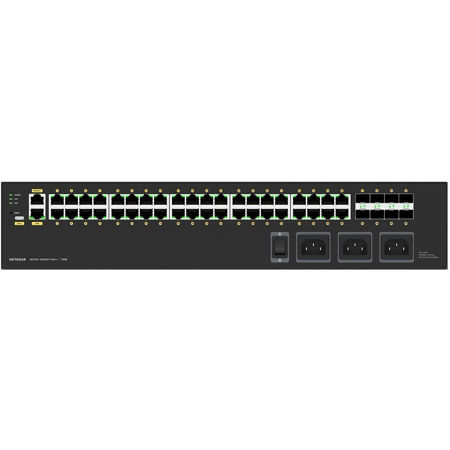
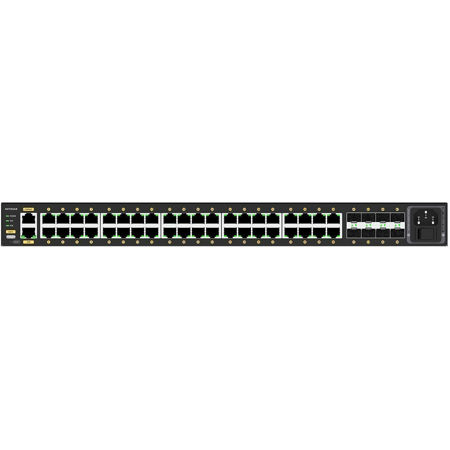
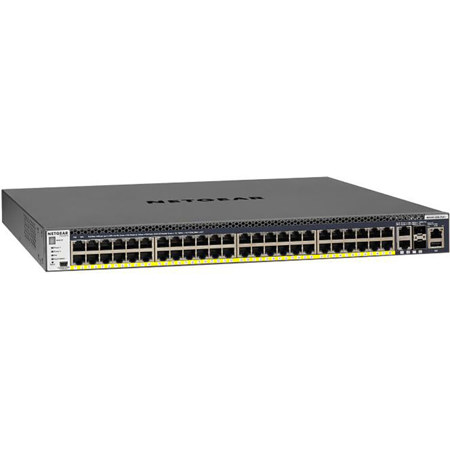
For IT professionals, system integrators, and anyone responsible for maintaining a reliable network, the choice of a 48-port switch often comes down to specific requirements such as bandwidth, management features, and power delivery. Many modern 48-port switches come equipped with Power over Ethernet (PoE) capabilities, allowing them to supply power and data through a single cable to devices like IP cameras and wireless access points—an invaluable feature for streamlining installations and reducing cable clutter, especially during times of year when inclement weather can make infrastructure changes more challenging. Additionally, options with Gigabit or 10-Gigabit SFP/SFP+ uplink ports enable seamless connectivity to other switches or core network devices, ensuring high-speed data flow across even the most demanding environments. For those managing distributed teams, remote offices, or hybrid workspaces, the right switch can mean the difference between smooth collaboration and frustrating bottlenecks. And while a 48-port switch is often an essential purchase for IT departments, it can also be a thoughtful gift for tech-savvy professionals, small business owners, or educators looking to upgrade their network capabilities—especially as organizations refresh their technology in anticipation of new projects and seasonal transitions.
Selecting the appropriate 48-port switch involves considering not just the immediate number of connected devices, but also the desired level of network management and the potential for future growth. Features like stackability, advanced security protocols, and intuitive management interfaces can make a significant impact on long-term network reliability and ease of use. As you evaluate your options, it’s helpful to compare the benefits of a 48-port model with those of smaller capacity switches, such as 24 Port Poe Network Switches, to ensure the right balance of performance and scalability for your specific environment. Whether you’re upgrading a legacy system, building out a new office, or supporting a growing array of connected devices, a 48-port switch is a future-proof investment that empowers your network to meet the challenges of today and tomorrow.
For IT professionals, system integrators, and anyone responsible for maintaining a reliable network, the choice of a 48-port switch often comes down to specific requirements such as bandwidth, management features, and power delivery. Many modern 48-port switches come equipped with Power over Ethernet (PoE) capabilities, allowing them to supply power and data through a single cable to devices like IP cameras and wireless access points—an invaluable feature for streamlining installations and reducing cable clutter, especially during times of year when inclement weather can make infrastructure changes more challenging. Additionally, options with Gigabit or 10-Gigabit SFP/SFP+ uplink ports enable seamless connectivity to other switches or core network devices, ensuring high-speed data flow across even the most demanding environments. For those managing distributed teams, remote offices, or hybrid workspaces, the right switch can mean the difference between smooth collaboration and frustrating bottlenecks. And while a 48-port switch is often an essential purchase for IT departments, it can also be a thoughtful gift for tech-savvy professionals, small business owners, or educators looking to upgrade their network capabilities—especially as organizations refresh their technology in anticipation of new projects and seasonal transitions.
Selecting the appropriate 48-port switch involves considering not just the immediate number of connected devices, but also the desired level of network management and the potential for future growth. Features like stackability, advanced security protocols, and intuitive management interfaces can make a significant impact on long-term network reliability and ease of use. As you evaluate your options, it’s helpful to compare the benefits of a 48-port model with those of smaller capacity switches, such as 24 Port Poe Network Switches, to ensure the right balance of performance and scalability for your specific environment. Whether you’re upgrading a legacy system, building out a new office, or supporting a growing array of connected devices, a 48-port switch is a future-proof investment that empowers your network to meet the challenges of today and tomorrow.