Acoustic Foam For Studios
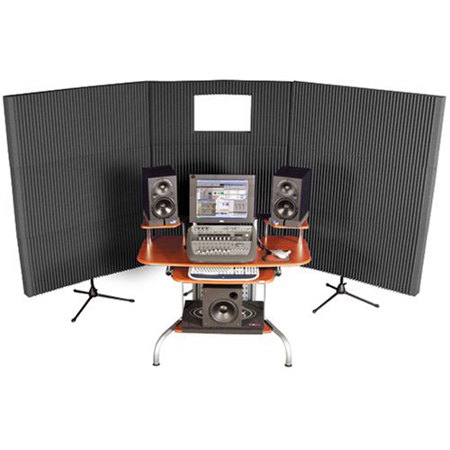
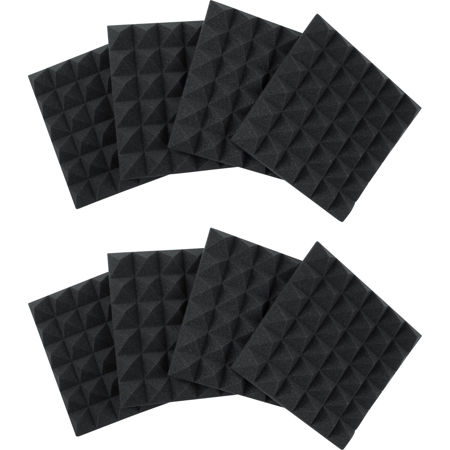
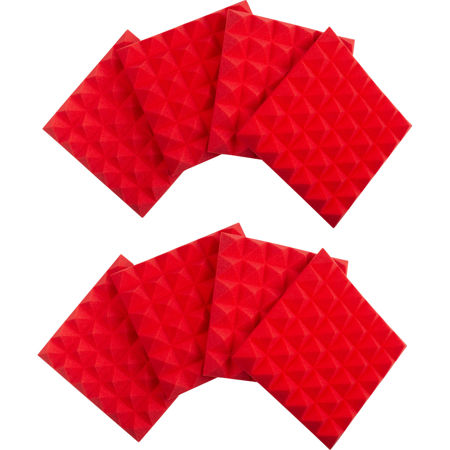
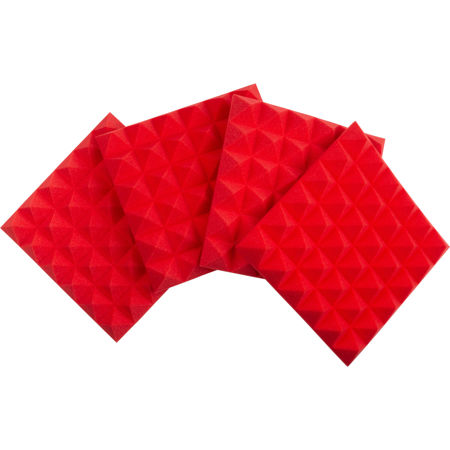
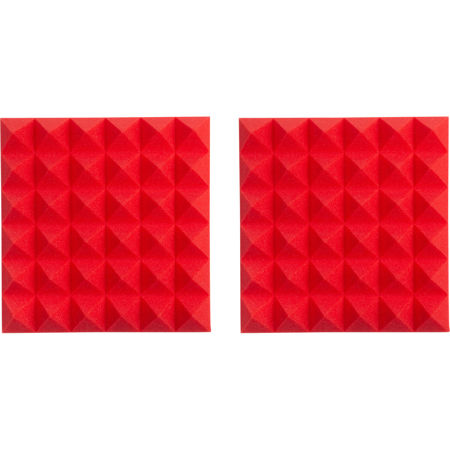
When designing or upgrading a studio space—whether it’s a home recording booth, podcasting nook, or a professional mixing suite—acoustic foam is a foundational tool for achieving clear, controlled sound. The purpose of acoustic foam is to absorb unwanted sound waves, taming echoes and reverberations that can muddy your audio. It’s important to note that while acoustic foam is highly effective at improving the quality of sound within a room, it does not block noise from entering or leaving the space; rather, it enhances the listening and recording environment by reducing internal reflections. For most studio applications, experts recommend covering about a quarter of the wall surface with foam. This strikes a balance between minimizing distracting echoes and preserving a natural, lively character in the room. Over-treating a space can result in a “dead” sound, which is rarely desirable, even in critical listening environments.
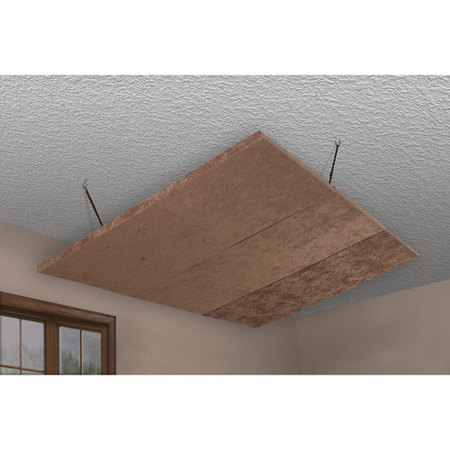
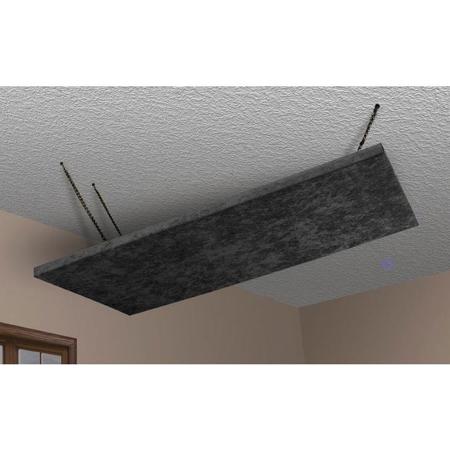
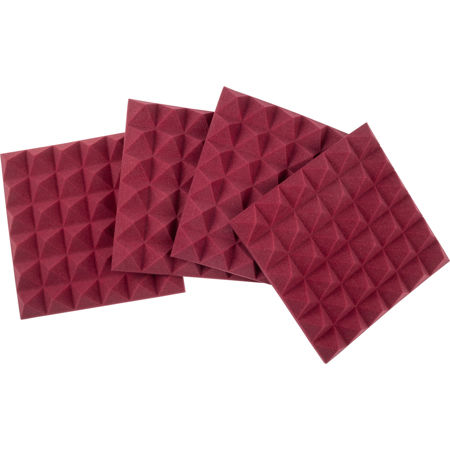
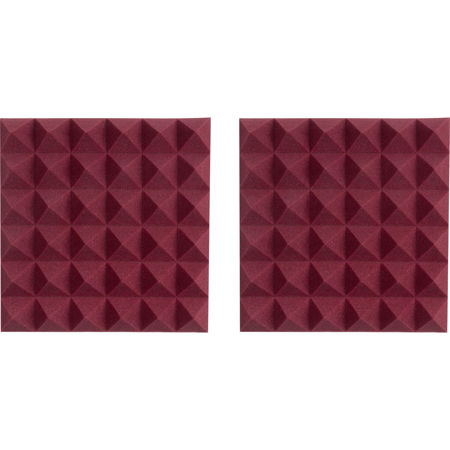
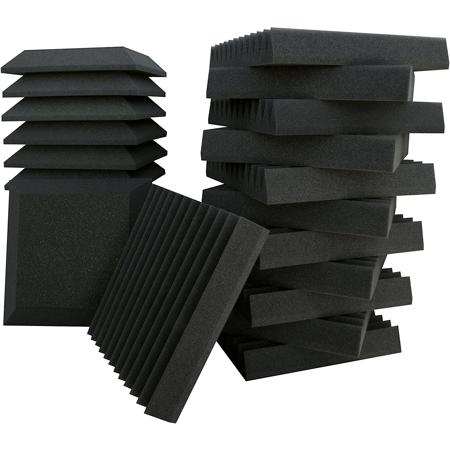
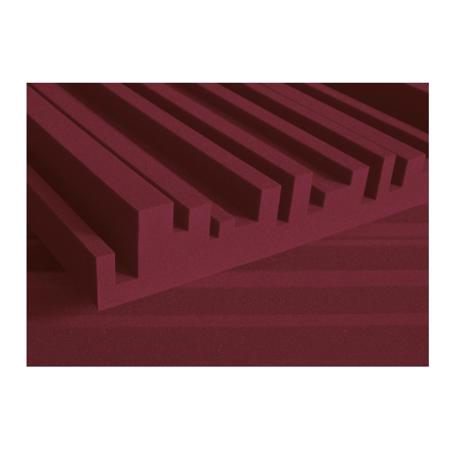
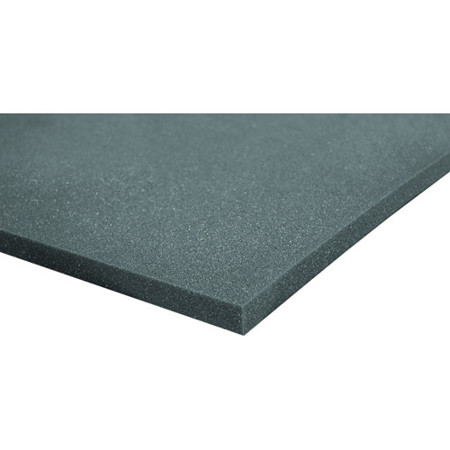
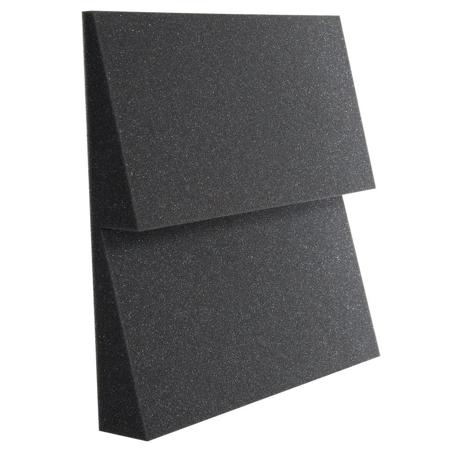
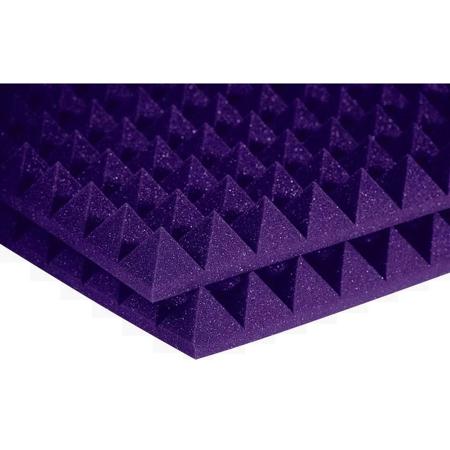
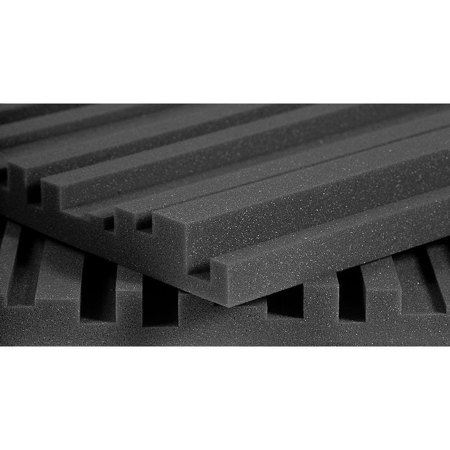
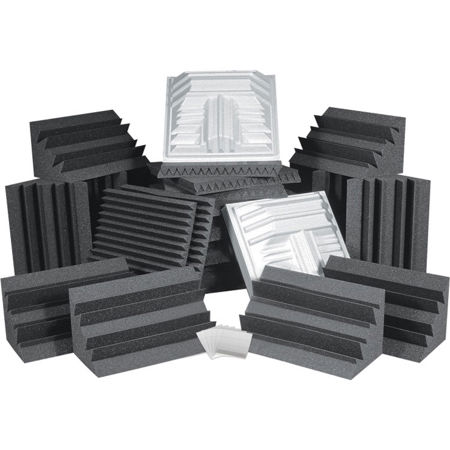
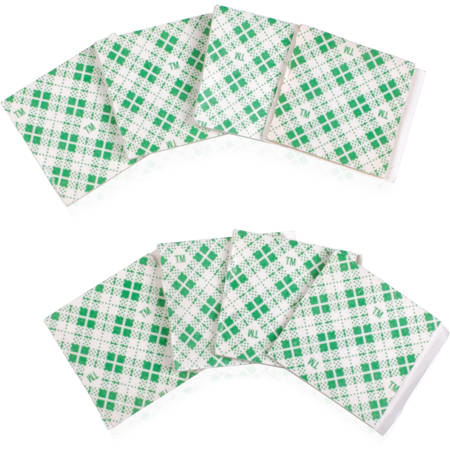
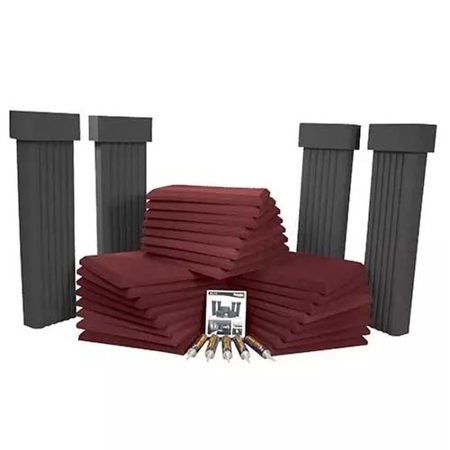
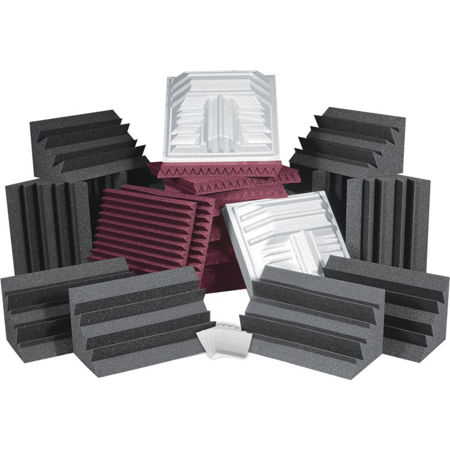
Selecting the right acoustic foam involves careful consideration of several factors. Thickness is a top priority: panels of at least two inches are generally preferred, as thinner options often fail to absorb the full range of frequencies, particularly in the mid and low registers. Material density also matters—look for open-cell, acoustic-grade foam, which is engineered to trap and dissipate sound energy efficiently. Avoid the temptation to repurpose household foams like those found in mattresses, as they lack the structure needed for true acoustic absorption. Placement is another key consideration. For the most noticeable improvement, install foam at the “first reflection points”—the spots on your walls and ceiling where sound from your speakers bounces before reaching your ears. Corners are notorious for harboring bass build-up, so thick, wedge-shaped foam blocks known as bass traps are often used there to catch low, muddy frequencies. Mounting methods can vary: some users prefer double-sided tape for its simplicity, while others opt to pin foam panels to cardboard first, protecting the studio walls from adhesive damage and making future adjustments easier. As the seasons shift from the warmth of summer into the cooler, introspective days of fall, many creators find themselves spending more time indoors, refining projects or experimenting with new sounds—making it an ideal period to revisit the acoustics of your space.
Acoustic foam is a thoughtful and practical gift for anyone passionate about music, audio engineering, gaming, or content creation. Whether you’re shopping for a budding musician eager to record their first EP, a podcaster striving for professional sound, or a gamer seeking a more immersive experience, the right acoustic treatment can make a world of difference. Even for seasoned professionals, upgrading to larger or more strategically placed panels can reveal new layers of clarity in mixes and recordings. For those working with bigger rooms or seeking to address broader frequency issues, consider exploring options like Large Acoustic Foam Panels, which offer increased coverage and enhanced absorption. Ultimately, investing in acoustic foam is about creating a space where creativity can flourish, free from the distractions of unwanted noise and echo. With careful planning and the right materials, any room can be transformed into a haven for focused listening, inspired performance, and high-quality recordings—no matter the season.
Selecting the right acoustic foam involves careful consideration of several factors. Thickness is a top priority: panels of at least two inches are generally preferred, as thinner options often fail to absorb the full range of frequencies, particularly in the mid and low registers. Material density also matters—look for open-cell, acoustic-grade foam, which is engineered to trap and dissipate sound energy efficiently. Avoid the temptation to repurpose household foams like those found in mattresses, as they lack the structure needed for true acoustic absorption. Placement is another key consideration. For the most noticeable improvement, install foam at the “first reflection points”—the spots on your walls and ceiling where sound from your speakers bounces before reaching your ears. Corners are notorious for harboring bass build-up, so thick, wedge-shaped foam blocks known as bass traps are often used there to catch low, muddy frequencies. Mounting methods can vary: some users prefer double-sided tape for its simplicity, while others opt to pin foam panels to cardboard first, protecting the studio walls from adhesive damage and making future adjustments easier. As the seasons shift from the warmth of summer into the cooler, introspective days of fall, many creators find themselves spending more time indoors, refining projects or experimenting with new sounds—making it an ideal period to revisit the acoustics of your space.
Acoustic foam is a thoughtful and practical gift for anyone passionate about music, audio engineering, gaming, or content creation. Whether you’re shopping for a budding musician eager to record their first EP, a podcaster striving for professional sound, or a gamer seeking a more immersive experience, the right acoustic treatment can make a world of difference. Even for seasoned professionals, upgrading to larger or more strategically placed panels can reveal new layers of clarity in mixes and recordings. For those working with bigger rooms or seeking to address broader frequency issues, consider exploring options like Large Acoustic Foam Panels, which offer increased coverage and enhanced absorption. Ultimately, investing in acoustic foam is about creating a space where creativity can flourish, free from the distractions of unwanted noise and echo. With careful planning and the right materials, any room can be transformed into a haven for focused listening, inspired performance, and high-quality recordings—no matter the season.