
Thick Acoustic Foam Panels
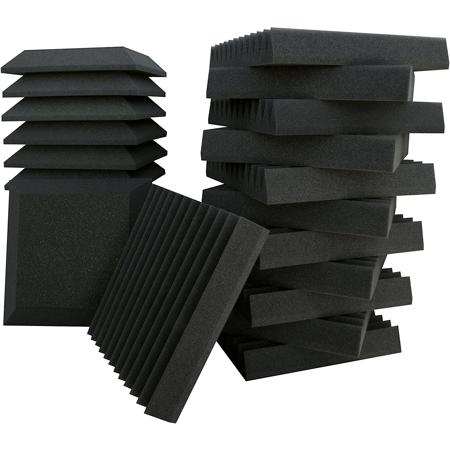
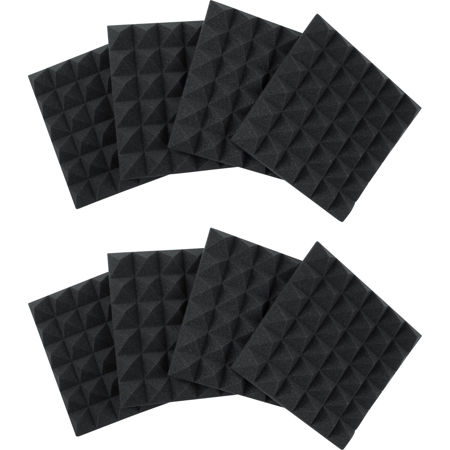
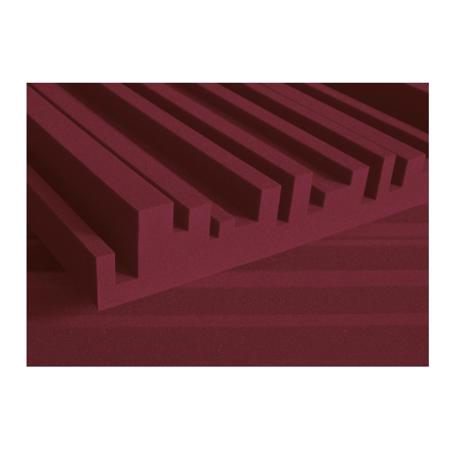
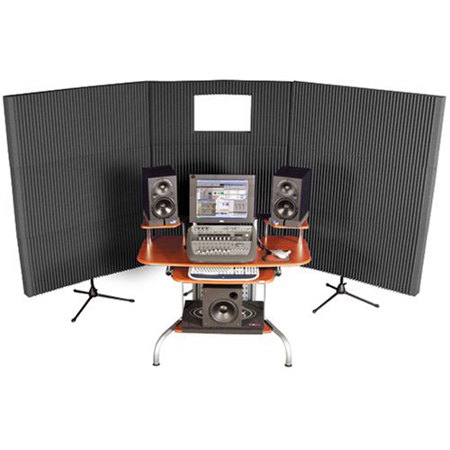
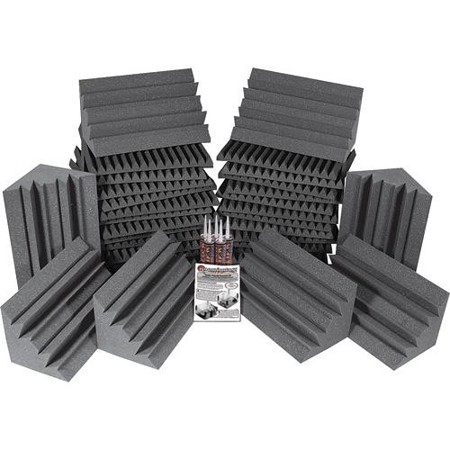
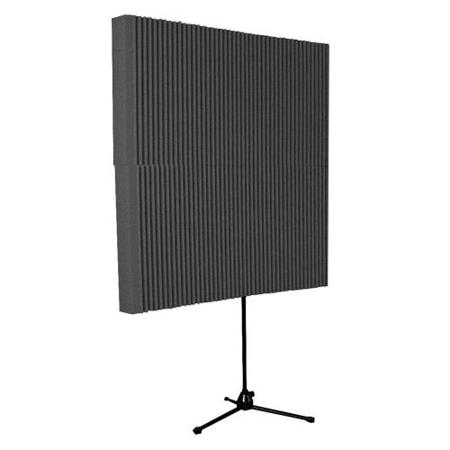
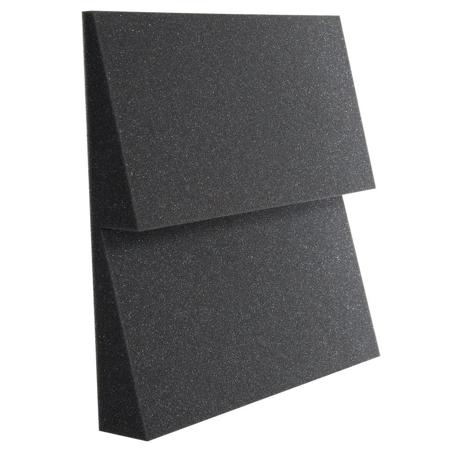
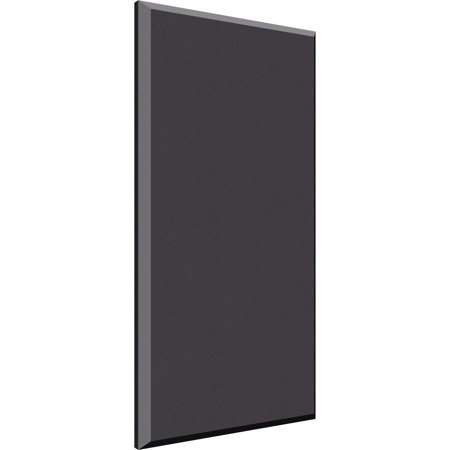
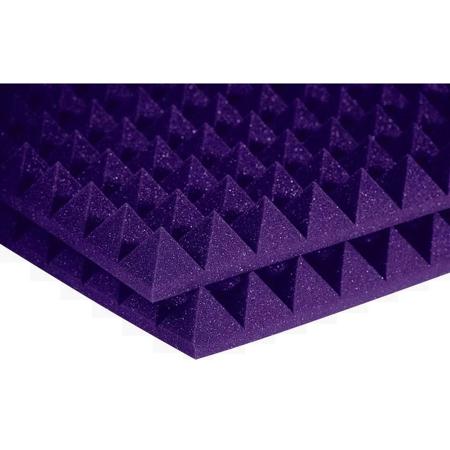
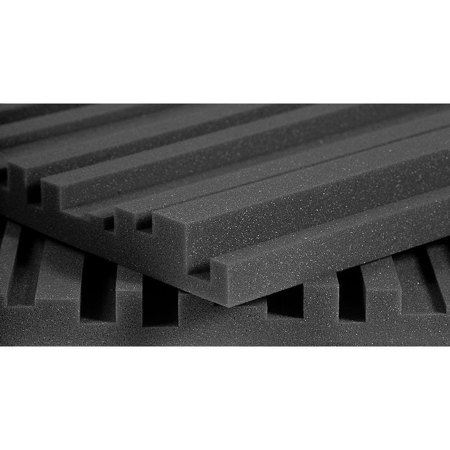
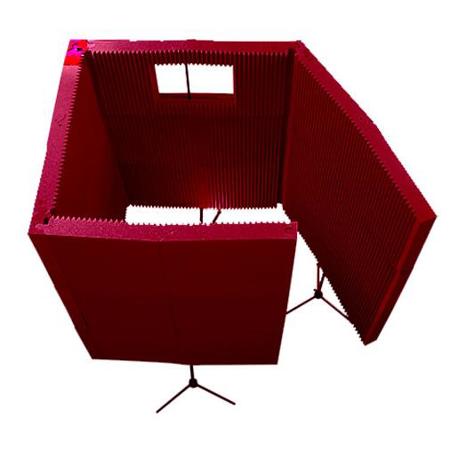
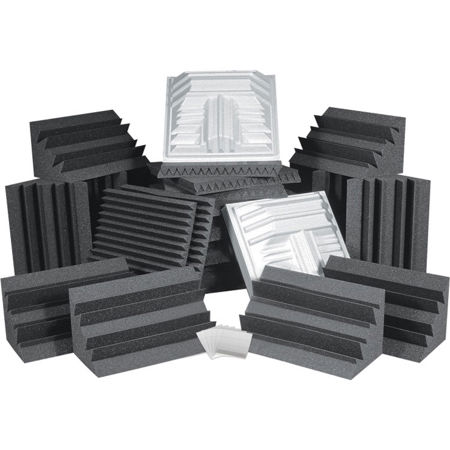
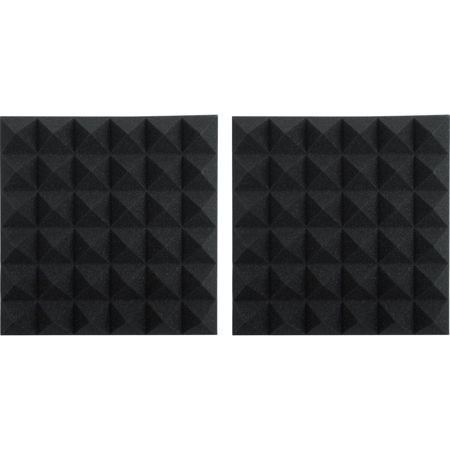
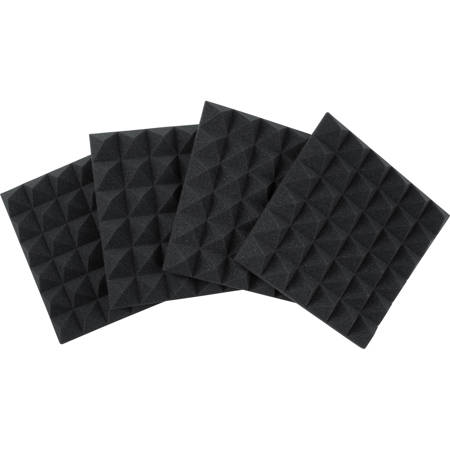
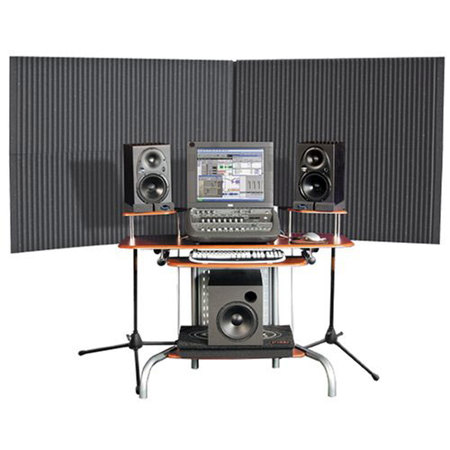
Thick acoustic foam panels, ranging from 2 to 4 inches in depth, have become an essential tool for anyone seeking to shape the sound of their environment with precision and control. Whether you’re a musician tracking vocals in a bedroom studio, a podcaster aiming for crisp, echo-free dialogue, or a content creator looking to enhance the clarity of your streaming setup, these panels provide a straightforward solution to common acoustic challenges. Unlike standard thin foam tiles, thick acoustic foam is specially engineered to absorb a broader range of frequencies, including those troublesome lower-mids that can muddy up recordings and make mixes sound boxy. This makes them particularly valuable in rooms with hard surfaces—think concrete basements, spare bedrooms with bare walls, or even converted garages—where sound waves tend to bounce unchecked, creating unwanted reverberations and flutter echoes. By strategically placing thick panels at primary reflection points, corners, and behind speakers or microphones, users can dramatically tighten up the acoustics, making both live and recorded sound more detailed, defined, and enjoyable.
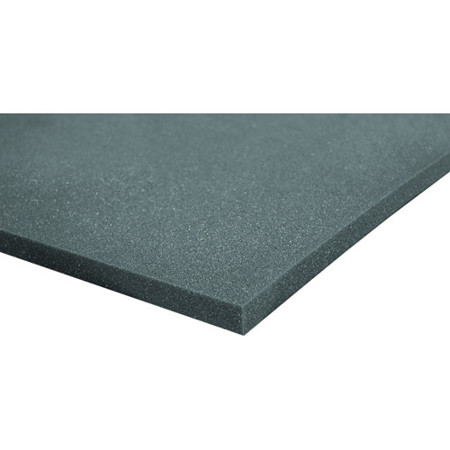
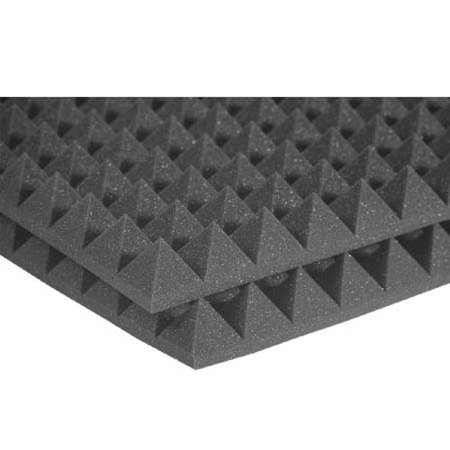
When considering thick acoustic foam panels for your space, it’s important to factor in both the size of the room and the specific acoustic issues you’re aiming to resolve. For smaller rooms or spaces where speech intelligibility is crucial—such as podcast studios, voiceover booths, or home offices—panels that are 2 inches thick are often sufficient to tame high-frequency reflections and eliminate harshness. However, for larger areas or environments where music mixing, instrument recording, or home theater audio is a priority, opting for 3- or 4-inch panels can provide the additional absorption needed to manage lower-mid frequencies and reduce bass buildup. Density is another key consideration; panels with a density around 30 kg/m³ strike a balance between effective sound absorption and structural integrity, ensuring that the foam doesn’t simply reflect sound back into the room. It’s also worth noting that while thick acoustic foam panels excel at absorbing sound and improving in-room acoustics, they are not designed for soundproofing—meaning they won’t prevent noise from entering or leaving a space. For those seeking to block external sounds or contain loud audio, a combination of additional materials and construction techniques is required.
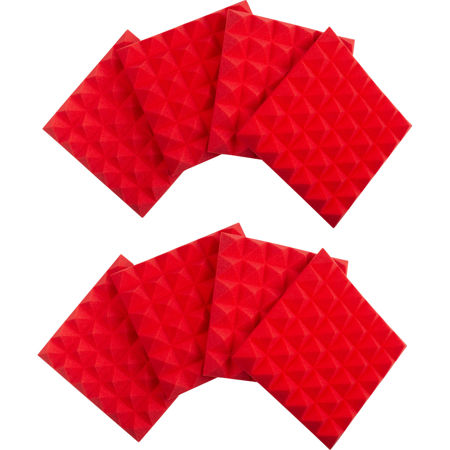
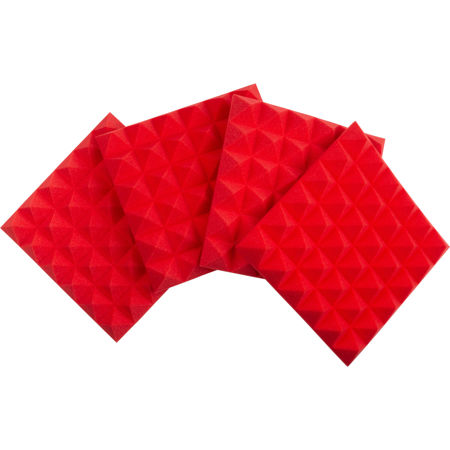
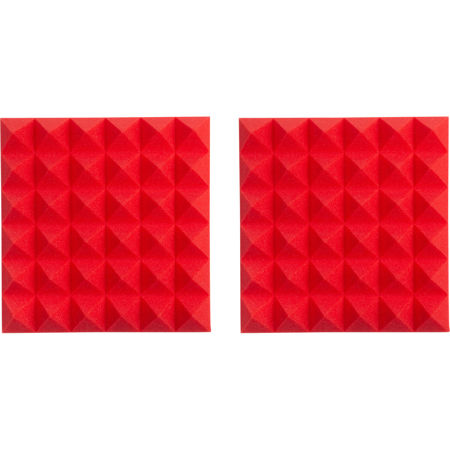
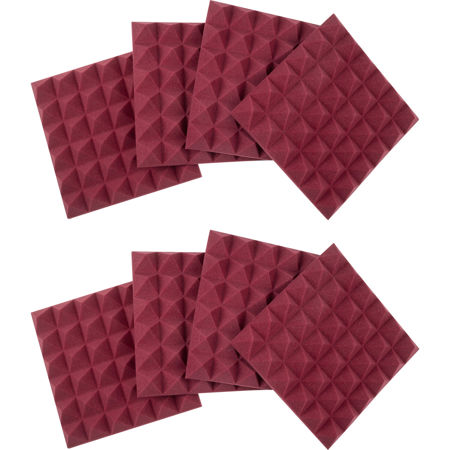
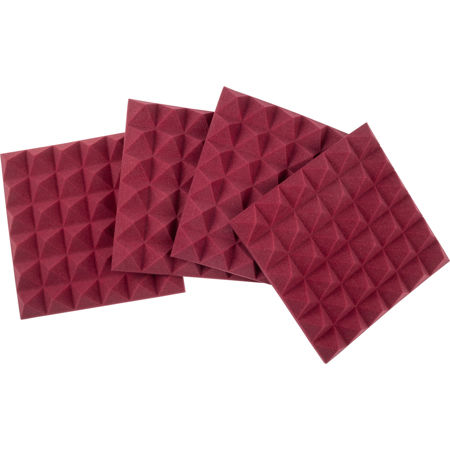
Thick acoustic foam panels make a thoughtful and practical gift for anyone passionate about audio, from aspiring musicians and seasoned producers to gamers and home theater enthusiasts. As the weather warms and people find themselves spending more time indoors working on creative projects, upgrading a space with quality acoustic treatment can be a transformative experience—one that not only enhances sound quality but also inspires productivity and creativity. The installation process is straightforward, often requiring nothing more than adhesive strips or mounting tape, making it accessible even to those new to acoustic treatment. With a variety of shapes and finishes available, these panels can be integrated seamlessly into any décor, whether you’re outfitting a minimalist workspace or a colorful, personality-filled studio. For those looking to explore more options or learn about the full spectrum of acoustic treatment solutions, our Acoustic Foam Panels page offers a comprehensive overview and additional resources to help you create the perfect sound environment for your needs.
When considering thick acoustic foam panels for your space, it’s important to factor in both the size of the room and the specific acoustic issues you’re aiming to resolve. For smaller rooms or spaces where speech intelligibility is crucial—such as podcast studios, voiceover booths, or home offices—panels that are 2 inches thick are often sufficient to tame high-frequency reflections and eliminate harshness. However, for larger areas or environments where music mixing, instrument recording, or home theater audio is a priority, opting for 3- or 4-inch panels can provide the additional absorption needed to manage lower-mid frequencies and reduce bass buildup. Density is another key consideration; panels with a density around 30 kg/m³ strike a balance between effective sound absorption and structural integrity, ensuring that the foam doesn’t simply reflect sound back into the room. It’s also worth noting that while thick acoustic foam panels excel at absorbing sound and improving in-room acoustics, they are not designed for soundproofing—meaning they won’t prevent noise from entering or leaving a space. For those seeking to block external sounds or contain loud audio, a combination of additional materials and construction techniques is required.
Thick acoustic foam panels make a thoughtful and practical gift for anyone passionate about audio, from aspiring musicians and seasoned producers to gamers and home theater enthusiasts. As the weather warms and people find themselves spending more time indoors working on creative projects, upgrading a space with quality acoustic treatment can be a transformative experience—one that not only enhances sound quality but also inspires productivity and creativity. The installation process is straightforward, often requiring nothing more than adhesive strips or mounting tape, making it accessible even to those new to acoustic treatment. With a variety of shapes and finishes available, these panels can be integrated seamlessly into any décor, whether you’re outfitting a minimalist workspace or a colorful, personality-filled studio. For those looking to explore more options or learn about the full spectrum of acoustic treatment solutions, our Acoustic Foam Panels page offers a comprehensive overview and additional resources to help you create the perfect sound environment for your needs.