
Acoustic Foams For School
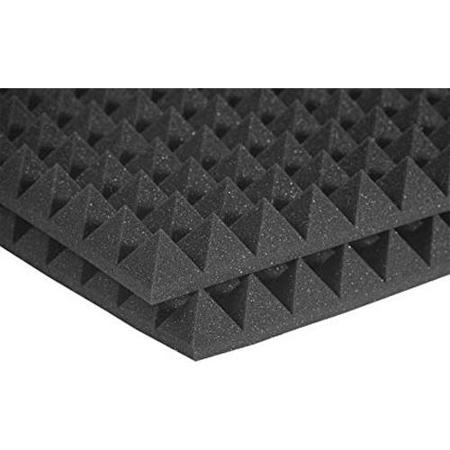
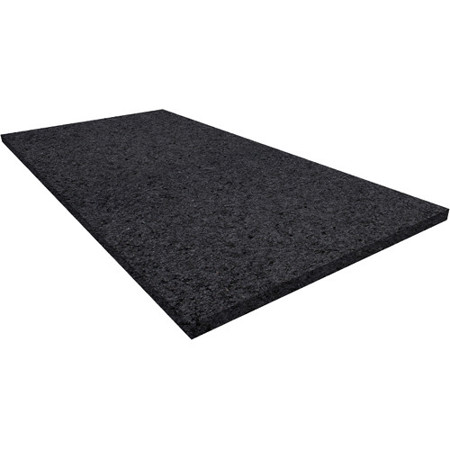
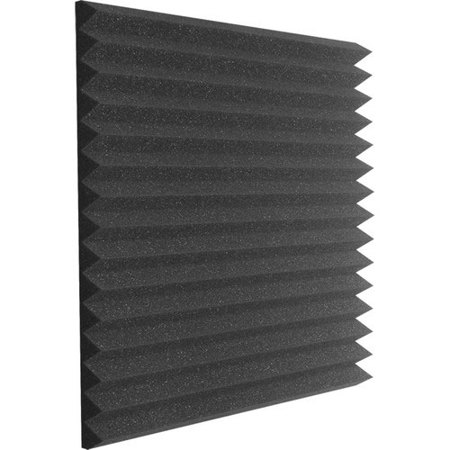
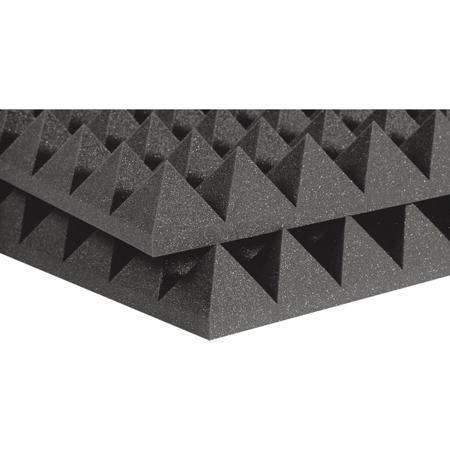
Acoustic foams have become an essential addition to educational environments, especially as schools strive to create spaces that foster learning and minimize distractions. Whether preparing classrooms for a new academic year, sprucing up music rooms for rehearsals, or upgrading multipurpose halls as the weather transitions from summer’s warmth to the cooler, bustling days of fall, acoustic treatments can make a world of difference. Hard surfaces like tile flooring, cinderblock walls, and high ceilings—common in schools—tend to amplify sound, causing echoes and reverberation that can overwhelm students and teachers alike. Installing acoustic foam helps tame these noisy reflections, creating a more focused, comfortable atmosphere where speech is clearer, lessons are easier to follow, and fatigue from background noise is dramatically reduced. This is especially important in spaces like libraries, cafeterias, and gymnasiums, where multiple activities can occur simultaneously and sound control is crucial for productivity and well-being.
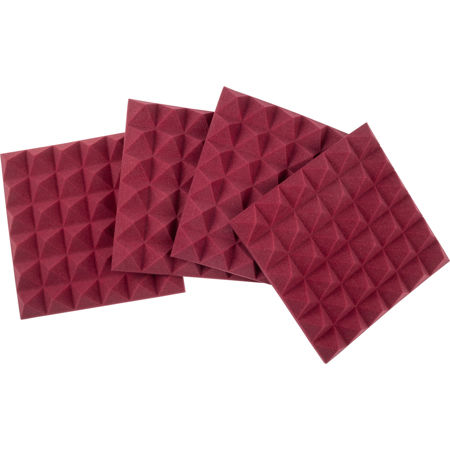
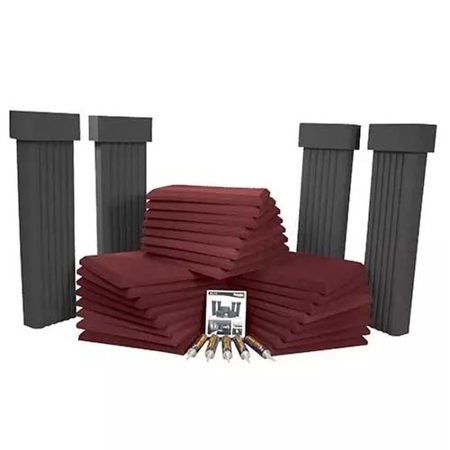
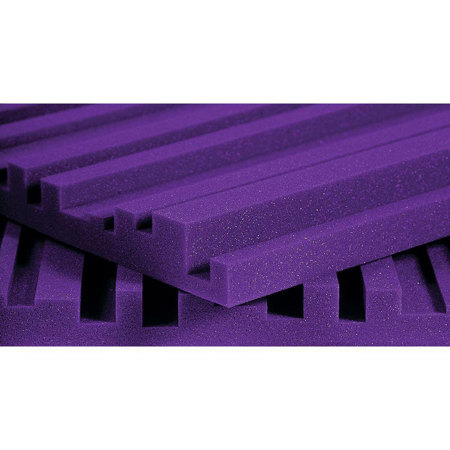
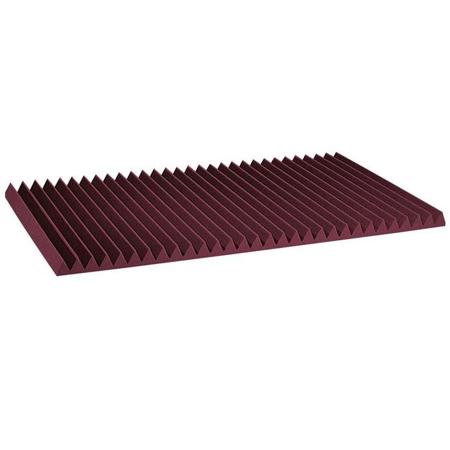
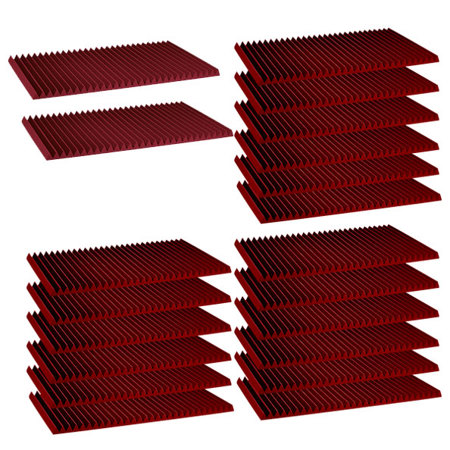
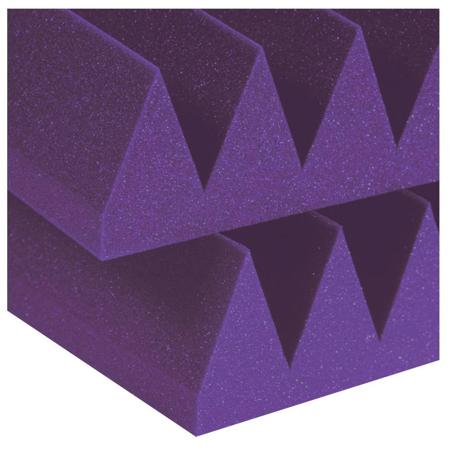
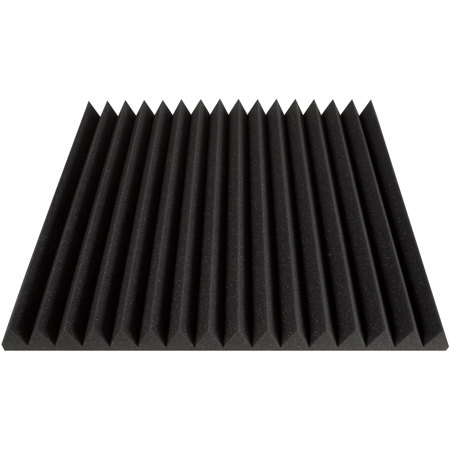
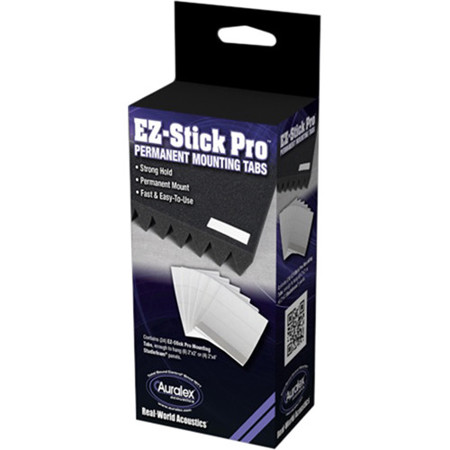
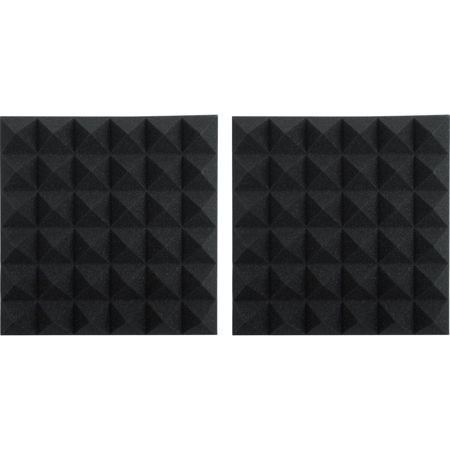
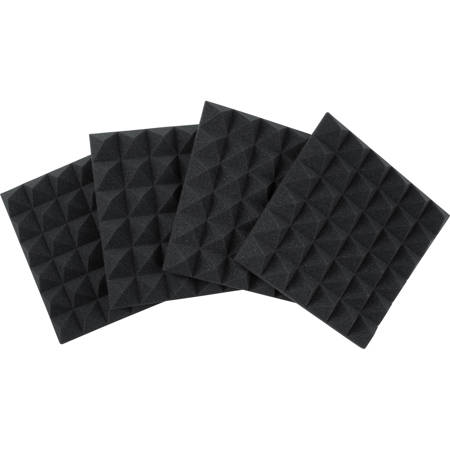
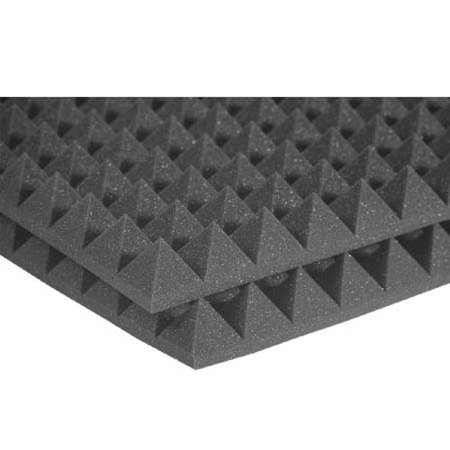
When selecting acoustic foams for school environments, several practical considerations come into play. Safety is paramount, so it’s important to choose materials that are fire-resistant and meet relevant building codes—look for Class A fire ratings and compliance with standards such as ASTM E84. The size and shape of the room, along with its surface materials, will influence how much foam is needed and where panels should be placed for maximum effectiveness. Smaller classrooms may require less coverage to achieve recommended reverberation times, while larger lecture halls or auditoriums might benefit from a more comprehensive approach. For schools seeking easy installation and flexibility—perhaps for temporary summer programs or seasonal events—lightweight foam panels can be mounted with water-based adhesives or removable strips, making them a practical solution that won’t damage walls or disrupt existing décor. These features not only make acoustic foams a smart investment for administrators and facility managers but also a thoughtful gift for music teachers, speech therapists, or anyone dedicated to improving the learning environment. And for those exploring a broader range of solutions, our selection of Acoustic Foam Panels offers options to suit every space and budget, ensuring that every corner of the school can benefit from improved sound quality.
Beyond classrooms, acoustic foams play a vital role in specialized learning spaces. Music departments rely on them to enhance rehearsal rooms and recording studios, ensuring that every note rings true without interference from unwanted echoes. STEM labs and makerspaces, often filled with the hum of equipment and excited conversation, become calmer and more conducive to concentration when sound is properly managed. Even administrative offices and conference rooms can benefit, making meetings more productive and private. As schools welcome students and staff back after summer breaks or prepare for the busy fall season, investing in acoustic treatments helps set the stage for a successful, harmonious year. With the right acoustic foam in place, every corner of the school—from the quietest reading nook to the most energetic gym—can become a space where learning thrives and every voice is heard.
When selecting acoustic foams for school environments, several practical considerations come into play. Safety is paramount, so it’s important to choose materials that are fire-resistant and meet relevant building codes—look for Class A fire ratings and compliance with standards such as ASTM E84. The size and shape of the room, along with its surface materials, will influence how much foam is needed and where panels should be placed for maximum effectiveness. Smaller classrooms may require less coverage to achieve recommended reverberation times, while larger lecture halls or auditoriums might benefit from a more comprehensive approach. For schools seeking easy installation and flexibility—perhaps for temporary summer programs or seasonal events—lightweight foam panels can be mounted with water-based adhesives or removable strips, making them a practical solution that won’t damage walls or disrupt existing décor. These features not only make acoustic foams a smart investment for administrators and facility managers but also a thoughtful gift for music teachers, speech therapists, or anyone dedicated to improving the learning environment. And for those exploring a broader range of solutions, our selection of Acoustic Foam Panels offers options to suit every space and budget, ensuring that every corner of the school can benefit from improved sound quality.
Beyond classrooms, acoustic foams play a vital role in specialized learning spaces. Music departments rely on them to enhance rehearsal rooms and recording studios, ensuring that every note rings true without interference from unwanted echoes. STEM labs and makerspaces, often filled with the hum of equipment and excited conversation, become calmer and more conducive to concentration when sound is properly managed. Even administrative offices and conference rooms can benefit, making meetings more productive and private. As schools welcome students and staff back after summer breaks or prepare for the busy fall season, investing in acoustic treatments helps set the stage for a successful, harmonious year. With the right acoustic foam in place, every corner of the school—from the quietest reading nook to the most energetic gym—can become a space where learning thrives and every voice is heard.