
Acoustic Treatment For Home Studios
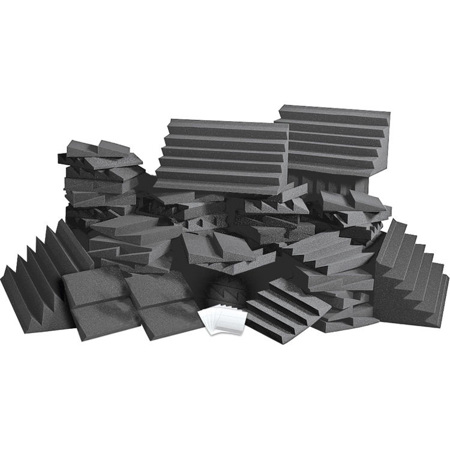
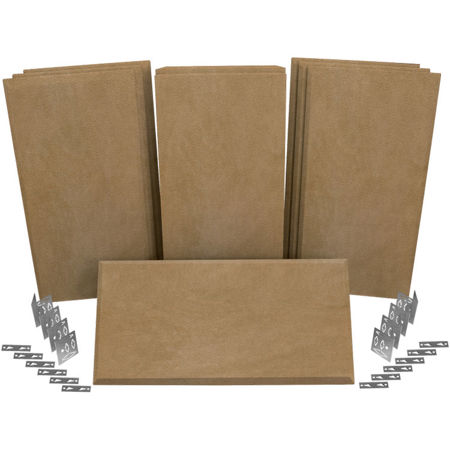
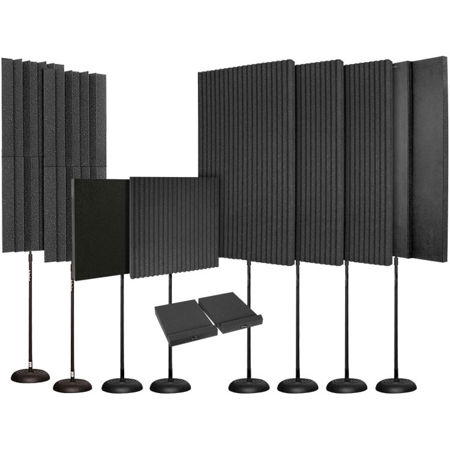
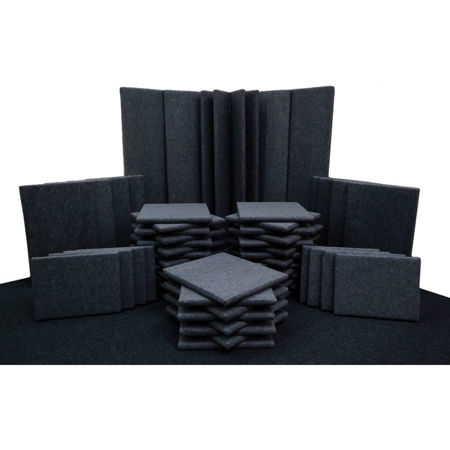
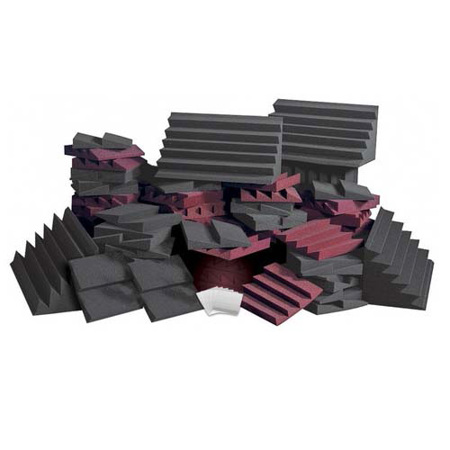
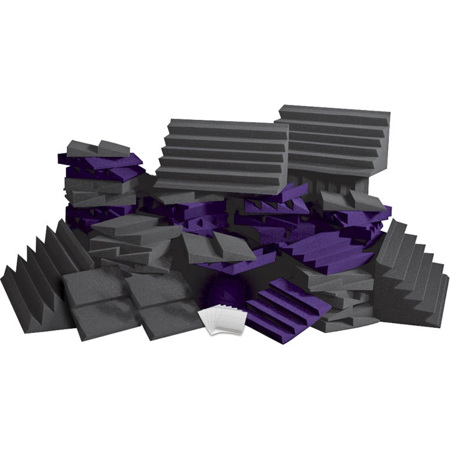
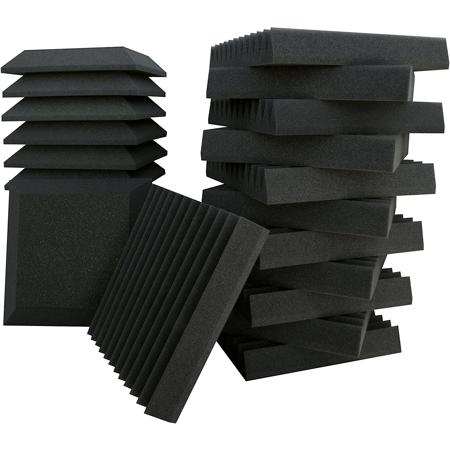
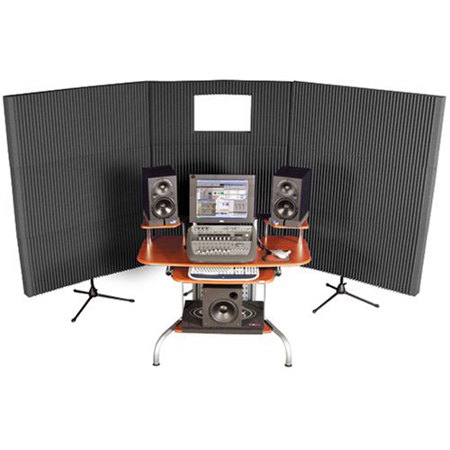
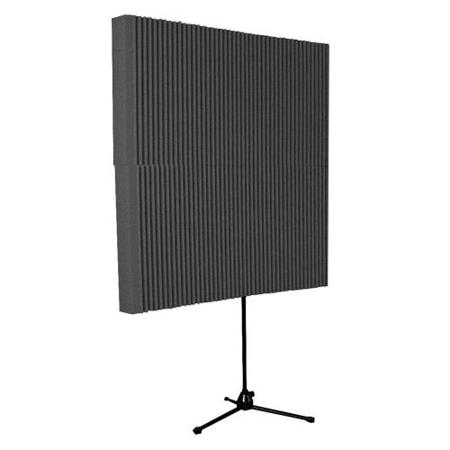
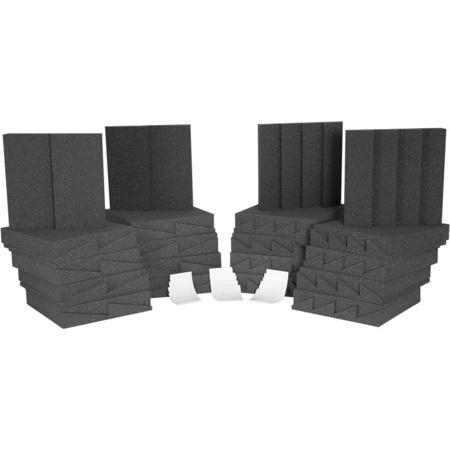
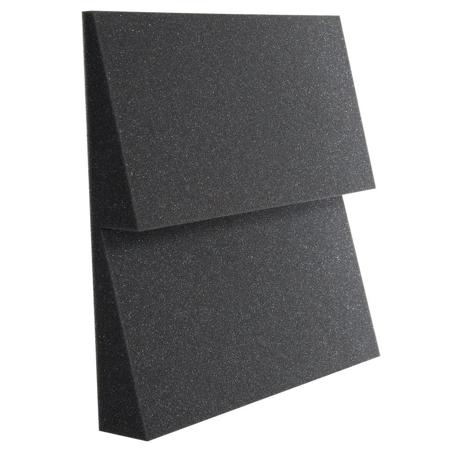
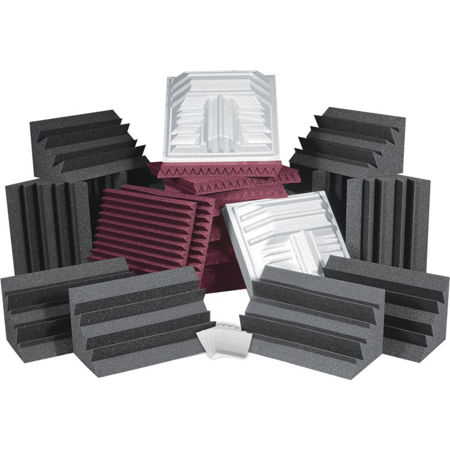
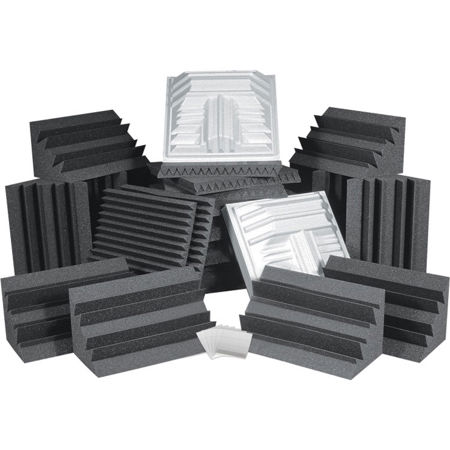
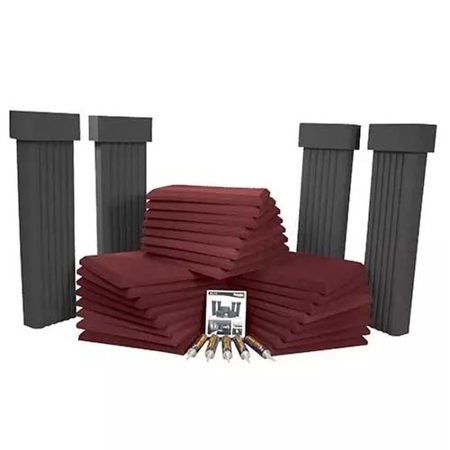
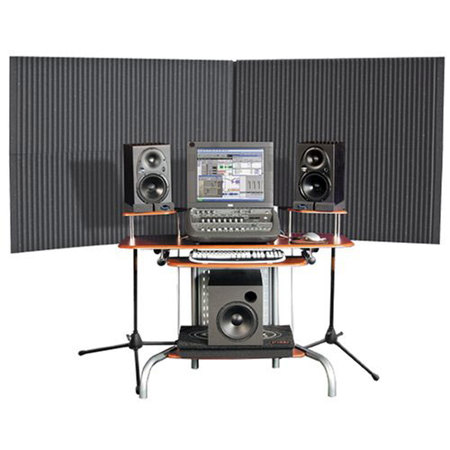
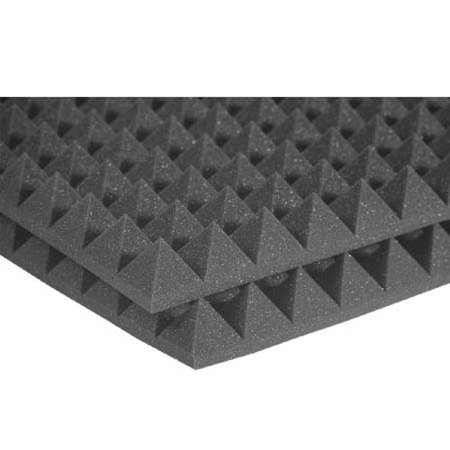
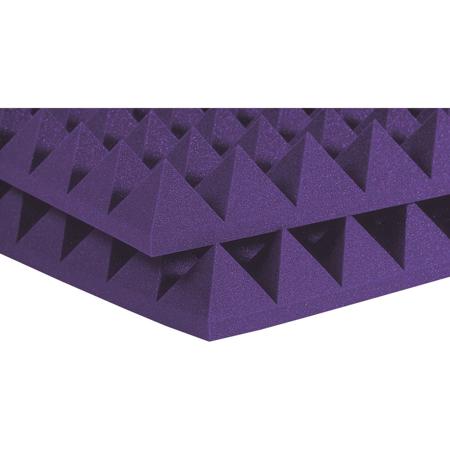
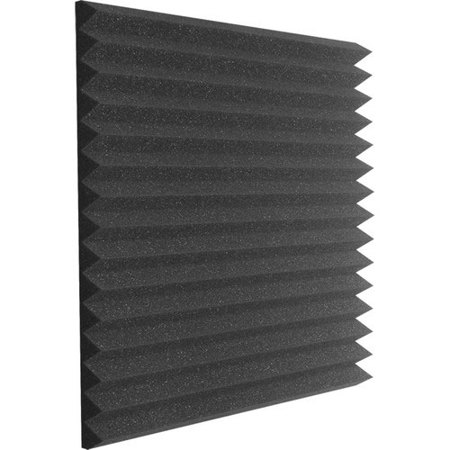
Fine-tuning the sound of a home studio is an art form in itself, and acoustic treatment is the brush that brings clarity and depth to your creative space. Whether you’re a seasoned audio engineer, a passionate musician laying down tracks, or a podcaster seeking professional-grade sound, the right acoustic solutions can transform even the most ordinary room into a reliable workspace for recording, mixing, or mastering. As the weather shifts from the warmth of summer into the crispness of early fall, many creators find themselves inspired to dive into new projects or revisit unfinished ideas. This period is ideal for reimagining your studio setup—perhaps you’re moving gear around, clearing out clutter, or seeking to create a more inviting environment for collaboration. Acoustic treatment is often the missing piece that separates amateur recordings from polished, radio-ready results. By thoughtfully placing broadband absorbers along the walls, installing bass traps in corners, and suspending ceiling clouds above your listening position, you can tame unwanted reflections, control low-frequency buildup, and ensure a balanced, accurate soundstage. These improvements not only enhance the quality of your recordings but also reduce ear fatigue, making long creative sessions more productive and enjoyable.
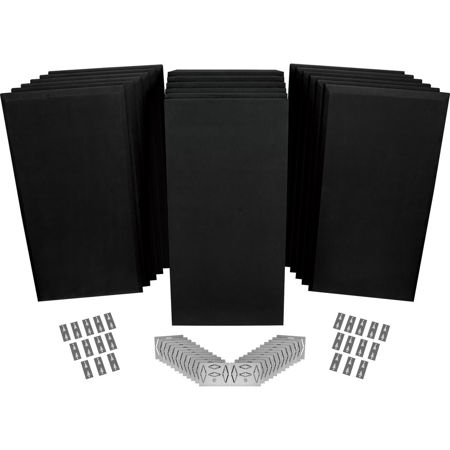
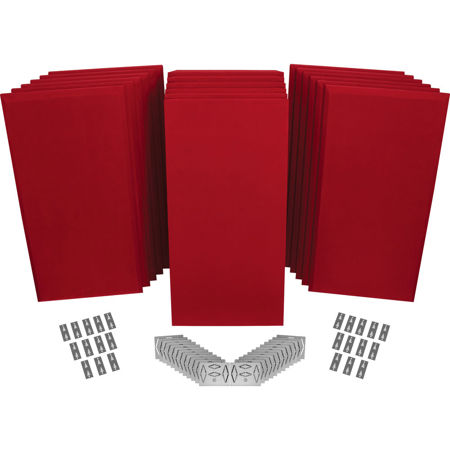
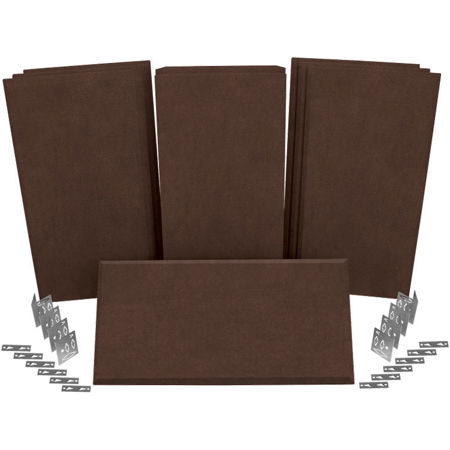
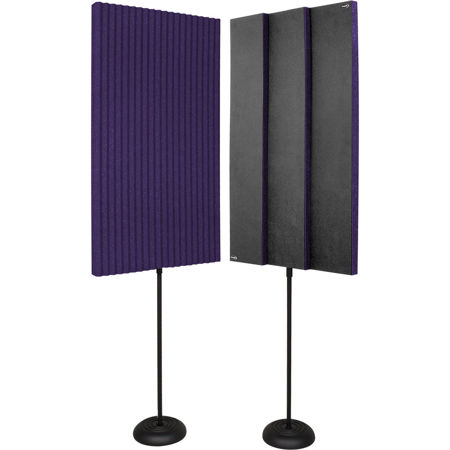
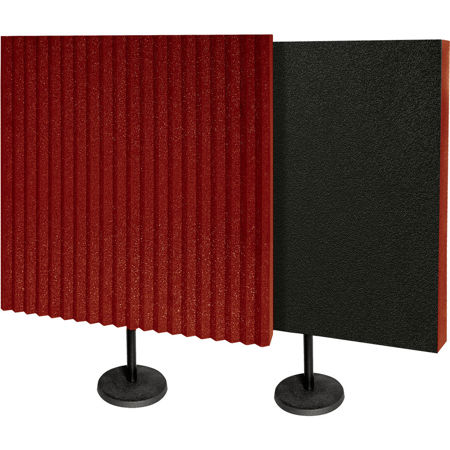
When considering which acoustic treatments to invest in, it’s important to assess the primary purpose of your studio. Producers and engineers focused on mixing and mastering require a space with a flat, neutral frequency response—broadband panels and substantial bass traps are essential for revealing subtle details and preventing muddiness in the low end. Vocalists and instrumentalists, on the other hand, may prioritize a natural, inspiring sound that softens harsh echoes without deadening the room’s character. Diffusion panels can help scatter sound energy, adding life and dimension to recordings of acoustic instruments or spoken word. For those who enjoy do-it-yourself projects, building custom panels with dense insulation and fabric coverings can be an affordable way to tailor your space, while pre-made kits offer convenience and consistency for anyone eager to get started without the hassle. Acoustic treatment also makes a thoughtful, practical gift for the creative person in your life—whether it’s a student setting up a dorm studio, a friend launching a podcast, or a family member embarking on a home recording journey. As you browse the options, remember that you don’t need to cover every inch of wall space; strategic placement at first reflection points and maintaining symmetry between side walls can yield impressive results with fewer panels. Everyday furnishings like bookcases, thick rugs, and heavy curtains can further support your efforts, blending aesthetics with acoustic function. For a curated selection of solutions designed to fit a variety of rooms and budgets, explore our collection of Acoustic Studio Panels to find the right pieces for your unique creative space. With the right treatment, your studio will not only sound better but also feel more inspiring, inviting you to create your best work as the seasons transition.
When considering which acoustic treatments to invest in, it’s important to assess the primary purpose of your studio. Producers and engineers focused on mixing and mastering require a space with a flat, neutral frequency response—broadband panels and substantial bass traps are essential for revealing subtle details and preventing muddiness in the low end. Vocalists and instrumentalists, on the other hand, may prioritize a natural, inspiring sound that softens harsh echoes without deadening the room’s character. Diffusion panels can help scatter sound energy, adding life and dimension to recordings of acoustic instruments or spoken word. For those who enjoy do-it-yourself projects, building custom panels with dense insulation and fabric coverings can be an affordable way to tailor your space, while pre-made kits offer convenience and consistency for anyone eager to get started without the hassle. Acoustic treatment also makes a thoughtful, practical gift for the creative person in your life—whether it’s a student setting up a dorm studio, a friend launching a podcast, or a family member embarking on a home recording journey. As you browse the options, remember that you don’t need to cover every inch of wall space; strategic placement at first reflection points and maintaining symmetry between side walls can yield impressive results with fewer panels. Everyday furnishings like bookcases, thick rugs, and heavy curtains can further support your efforts, blending aesthetics with acoustic function. For a curated selection of solutions designed to fit a variety of rooms and budgets, explore our collection of Acoustic Studio Panels to find the right pieces for your unique creative space. With the right treatment, your studio will not only sound better but also feel more inspiring, inviting you to create your best work as the seasons transition.