Antenna Splitters
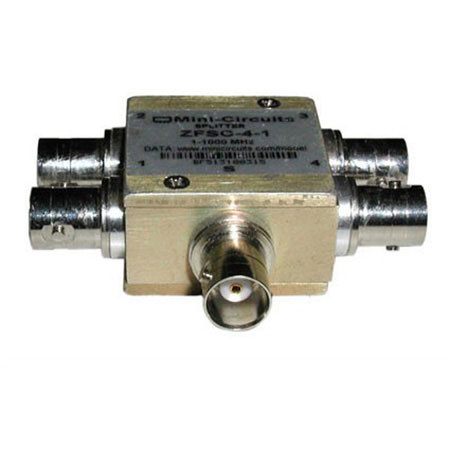
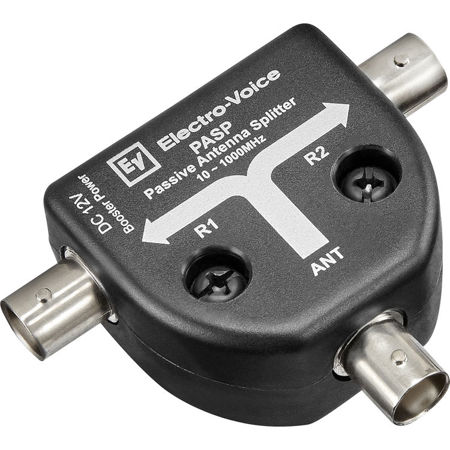
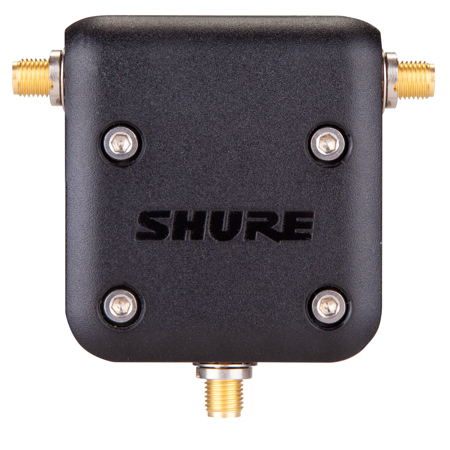
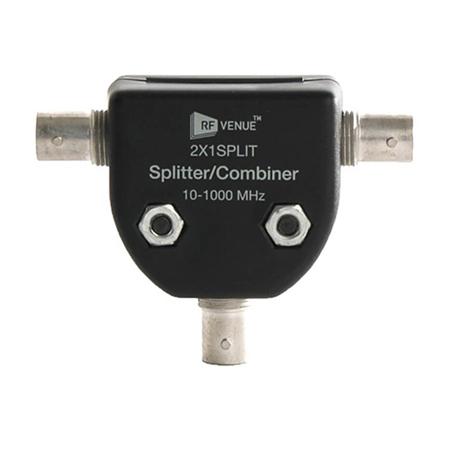
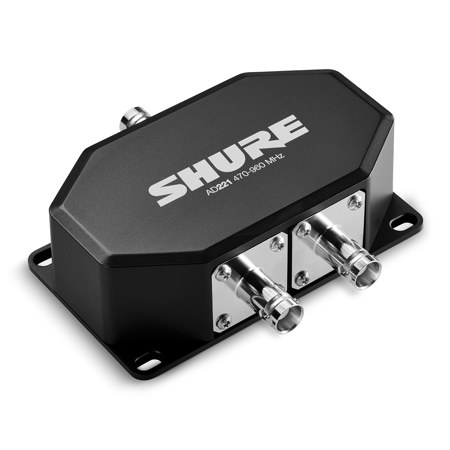
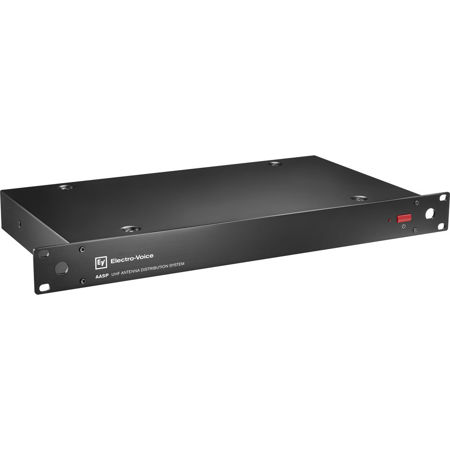
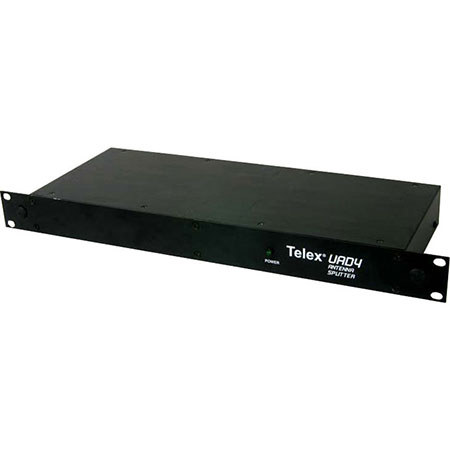
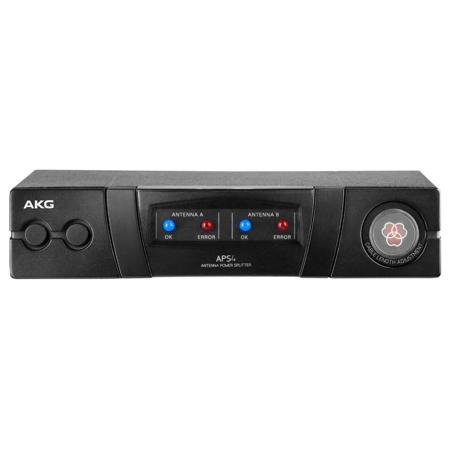
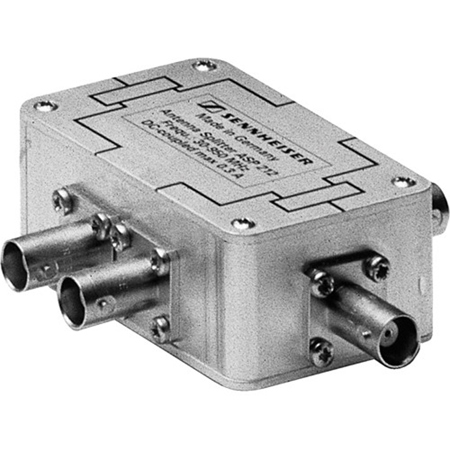
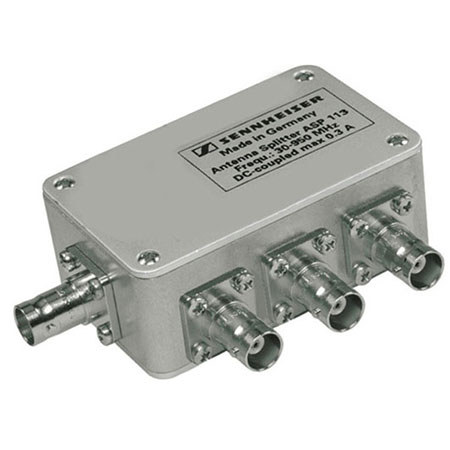
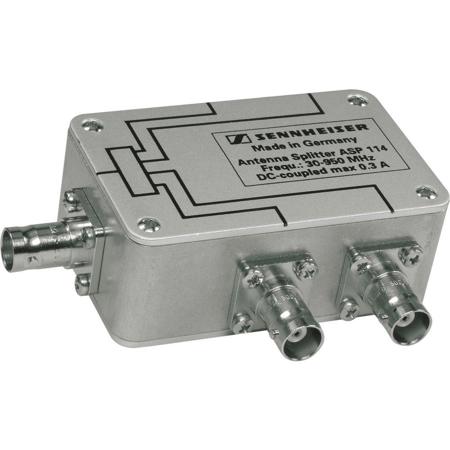
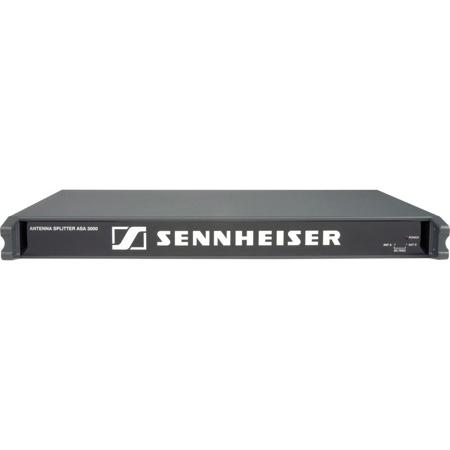
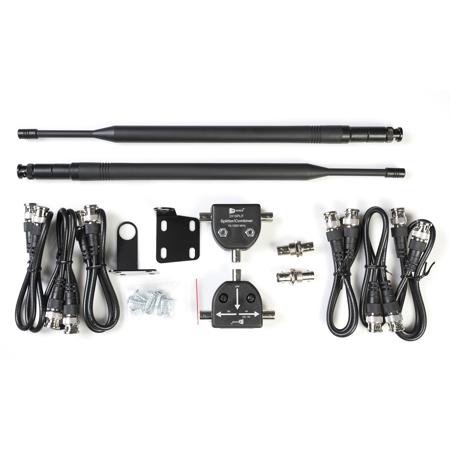
Antenna splitters are essential tools for anyone looking to distribute a single antenna signal to multiple devices, whether in a home, office, or professional studio setting. As the days grow longer and people spend more time enjoying live sports, outdoor movie nights, or catching up on favorite shows indoors, the need to efficiently share a strong, clear signal becomes more important. Antenna splitters work by dividing the incoming signal from your over-the-air antenna, allowing you to connect two or more TVs, radios, or receivers without the hassle of running separate antennas for each device. This makes them a practical solution for families with different viewing preferences, shared living spaces, or even small businesses and venues that need to broadcast the same content across multiple screens. Audio-visual professionals, content creators, and field engineers also rely on high-frequency splitters—such as a 100 GHz passive splitter—when managing complex signal distribution in studios or event spaces, where reliability and minimal signal loss are crucial.
When selecting an antenna splitter, it's important to consider factors like signal loss, power passing capability, and port compatibility. Every time a signal is split, a certain amount of strength is lost; for instance, a basic 2-way splitter typically introduces about 3.5 dB of signal loss, while a 4-way splitter can reduce the signal by around 7 dB. If your antenna signal is already just strong enough for a single device, splitting it further may result in pixelation, channel dropouts, or degraded audio and video quality. In these cases, adding an amplified distribution block or relocating your antenna for a stronger initial feed can make a significant difference. For installations that use antenna amplifiers or mast-mounted preamps, choosing a power passing splitter ensures that electricity can travel from the power inserter up to the antenna, maintaining optimal performance. Most splitters use standard 75-ohm F-Type coaxial connections, which are compatible with the majority of home and professional AV equipment. However, those working in specialized applications or environments with higher frequency requirements may need to explore advanced options, such as a 100 GHz passive splitter, to maintain signal integrity across all connected devices.
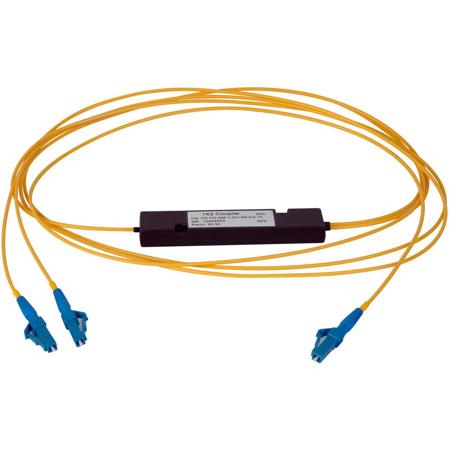
Antenna splitters are not only practical for personal use but also make thoughtful gifts for tech enthusiasts, DIY home theater builders, or anyone upgrading their entertainment setup as the weather warms and gatherings move from indoors to patios and back again. They are equally valuable for educators setting up multi-screen classrooms, event organizers managing large displays, or hobbyists experimenting with radio and television signals. For those interested in expanding their signal distribution capabilities beyond traditional coaxial systems, exploring related technologies such as Fiber Optic Splitters can offer even greater flexibility and performance, especially in professional or high-demand environments. Whether you're enhancing your home setup for summer movie marathons or equipping a venue for fall events, understanding the nuances of antenna splitters ensures a seamless, high-quality viewing experience for everyone involved.
When selecting an antenna splitter, it's important to consider factors like signal loss, power passing capability, and port compatibility. Every time a signal is split, a certain amount of strength is lost; for instance, a basic 2-way splitter typically introduces about 3.5 dB of signal loss, while a 4-way splitter can reduce the signal by around 7 dB. If your antenna signal is already just strong enough for a single device, splitting it further may result in pixelation, channel dropouts, or degraded audio and video quality. In these cases, adding an amplified distribution block or relocating your antenna for a stronger initial feed can make a significant difference. For installations that use antenna amplifiers or mast-mounted preamps, choosing a power passing splitter ensures that electricity can travel from the power inserter up to the antenna, maintaining optimal performance. Most splitters use standard 75-ohm F-Type coaxial connections, which are compatible with the majority of home and professional AV equipment. However, those working in specialized applications or environments with higher frequency requirements may need to explore advanced options, such as a 100 GHz passive splitter, to maintain signal integrity across all connected devices.
Antenna splitters are not only practical for personal use but also make thoughtful gifts for tech enthusiasts, DIY home theater builders, or anyone upgrading their entertainment setup as the weather warms and gatherings move from indoors to patios and back again. They are equally valuable for educators setting up multi-screen classrooms, event organizers managing large displays, or hobbyists experimenting with radio and television signals. For those interested in expanding their signal distribution capabilities beyond traditional coaxial systems, exploring related technologies such as Fiber Optic Splitters can offer even greater flexibility and performance, especially in professional or high-demand environments. Whether you're enhancing your home setup for summer movie marathons or equipping a venue for fall events, understanding the nuances of antenna splitters ensures a seamless, high-quality viewing experience for everyone involved.