Fiber Optic Splitters
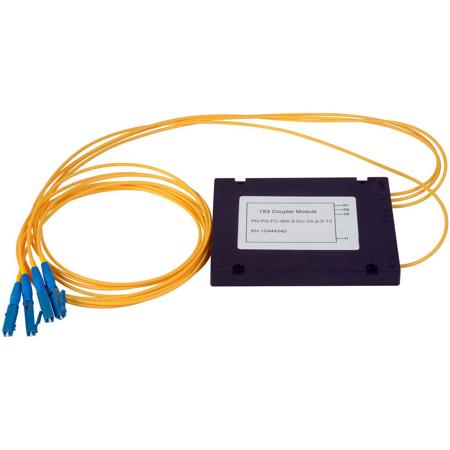
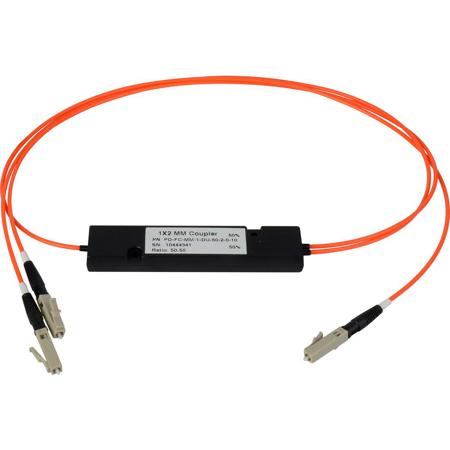
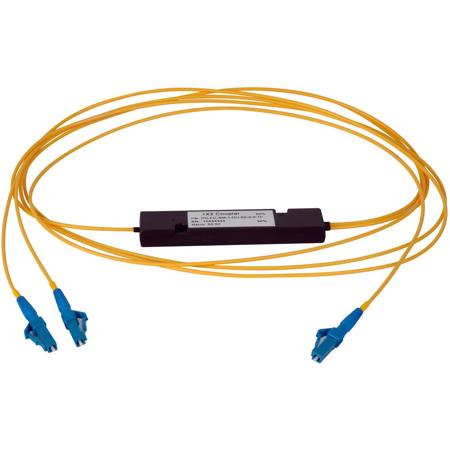
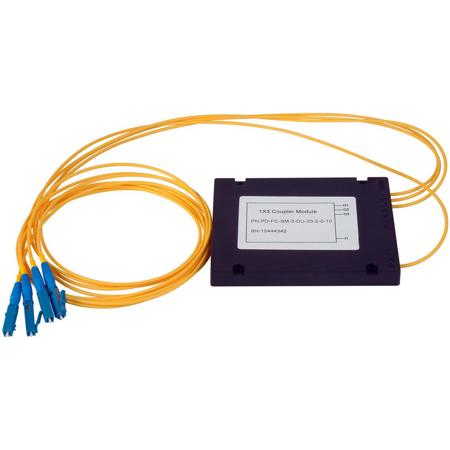
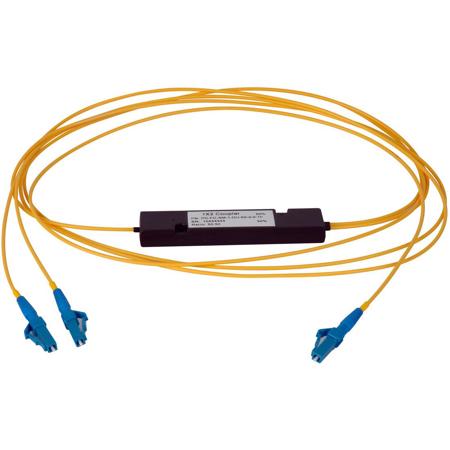
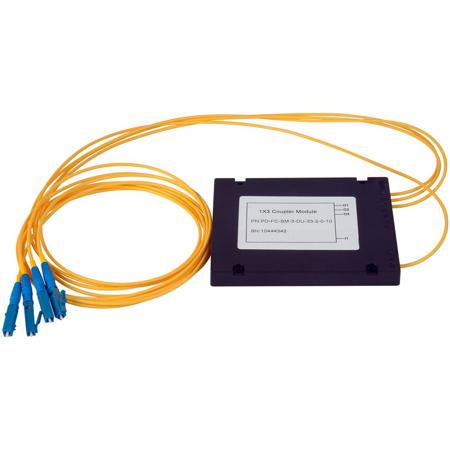
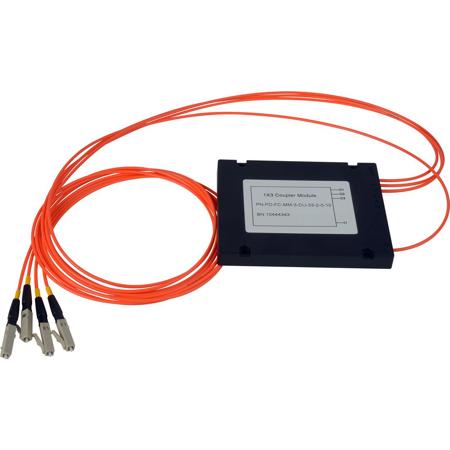
Fiber optic splitters are essential components in modern network infrastructure, designed to distribute optical signals from a single fiber into multiple outputs with precision and reliability. Whether you’re building out a new fiber-to-the-home (FTTH) deployment or expanding an existing FTTx network, understanding the types and characteristics of fiber splitter technology can make a significant difference in performance and efficiency. These passive devices—requiring no external power—operate by harnessing the inherent properties of light transmission through quartz, making them a dependable choice for both large-scale commercial installations and smaller, specialized applications. For those planning network upgrades during the warmer months or preparing for increased demand as organizations return to full operations in the fall, fiber optic splitters provide a scalable solution, allowing one optical signal to serve dozens of endpoints with minimal maintenance.
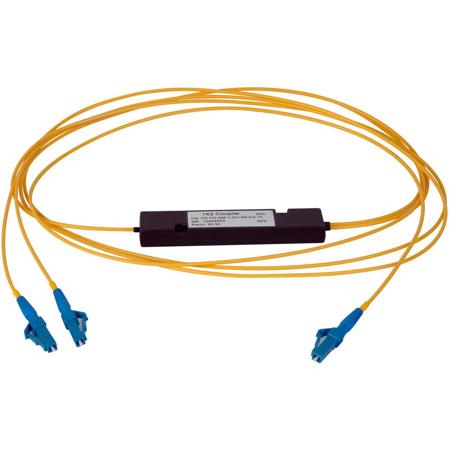
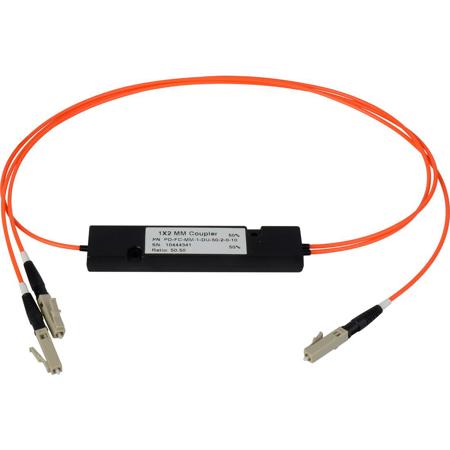
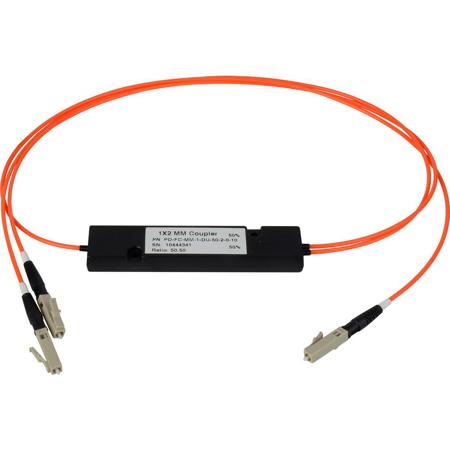
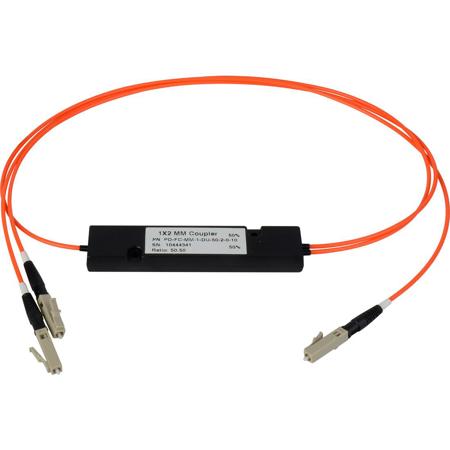
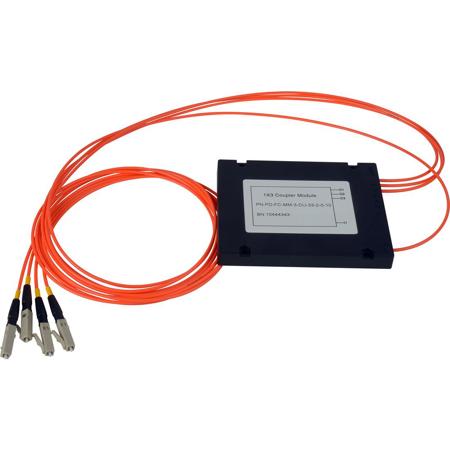
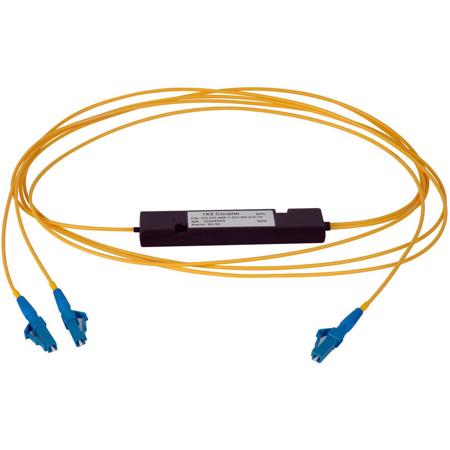
Selecting the right fiber optic cable splitter involves weighing several key factors, including split ratio, insertion loss, connector type, and the specific technology used in the splitter’s construction. Split ratios, such as 1x2, 1x8, or 1x64, determine how many output fibers are created from a single input—higher split ratios are ideal for densely populated networks, while lower ratios suit more focused applications. Insertion loss, measured in decibels (dB), indicates the amount of signal power lost in the splitting process; for example, a 1x2 splitter typically incurs a 3dB loss, halving the light intensity, while a 1x4 splitter results in a 6dB loss. The choice between PLC (Planar Lightwave Circuit), FBT (Fused Biconical Taper), and micro-optic splitters depends on your network’s bandwidth, stability, and power requirements. PLC splitters, crafted using photolithography on a silica substrate, offer compactness and support high fiber counts, making them a favorite for large-scale FTTH rollouts. In contrast, FBT splitters, created by fusing and stretching fibers, excel in low-loss, high-power applications but are limited in bandwidth and polarization performance. For those seeking the utmost in stability and ultra-broad bandwidth—perhaps in laboratory or high-end commercial environments—micro-optic splitters provide a premium, albeit at a higher cost.
Fiber optic splitters are not only the backbone of telecommunications and data networks, but they’re also invaluable tools for anyone working in enterprise IT, education, healthcare, or government. Integrators and installers appreciate the flexibility and reliability these devices offer, especially when expanding service from a central point to multiple users or buildings. Even hobbyists experimenting with home networking or advanced AV setups can benefit from a well-chosen fiber splitter, particularly as high-speed internet and streaming demands grow with the seasons. For those considering a thoughtful, practical gift for a tech professional, network engineer, or student heading into a new academic year, a quality fiber optic splitter can be an indispensable addition to their toolkit. As you explore options, remember that compatibility with existing connectors—such as SC or LC types—and wavelength support (typically 1310/1550nm) are crucial for seamless integration. For specialized requirements or to further enhance your optical network, you may also want to browse our selection of Fiber Couplers, which complement splitters by enabling efficient signal combination and routing. With the right fiber splitter in your setup, you’ll be prepared for the evolving needs of your network, whether you’re supporting increased summer activity or gearing up for the busy fall season.
Selecting the right fiber optic cable splitter involves weighing several key factors, including split ratio, insertion loss, connector type, and the specific technology used in the splitter’s construction. Split ratios, such as 1x2, 1x8, or 1x64, determine how many output fibers are created from a single input—higher split ratios are ideal for densely populated networks, while lower ratios suit more focused applications. Insertion loss, measured in decibels (dB), indicates the amount of signal power lost in the splitting process; for example, a 1x2 splitter typically incurs a 3dB loss, halving the light intensity, while a 1x4 splitter results in a 6dB loss. The choice between PLC (Planar Lightwave Circuit), FBT (Fused Biconical Taper), and micro-optic splitters depends on your network’s bandwidth, stability, and power requirements. PLC splitters, crafted using photolithography on a silica substrate, offer compactness and support high fiber counts, making them a favorite for large-scale FTTH rollouts. In contrast, FBT splitters, created by fusing and stretching fibers, excel in low-loss, high-power applications but are limited in bandwidth and polarization performance. For those seeking the utmost in stability and ultra-broad bandwidth—perhaps in laboratory or high-end commercial environments—micro-optic splitters provide a premium, albeit at a higher cost.
Fiber optic splitters are not only the backbone of telecommunications and data networks, but they’re also invaluable tools for anyone working in enterprise IT, education, healthcare, or government. Integrators and installers appreciate the flexibility and reliability these devices offer, especially when expanding service from a central point to multiple users or buildings. Even hobbyists experimenting with home networking or advanced AV setups can benefit from a well-chosen fiber splitter, particularly as high-speed internet and streaming demands grow with the seasons. For those considering a thoughtful, practical gift for a tech professional, network engineer, or student heading into a new academic year, a quality fiber optic splitter can be an indispensable addition to their toolkit. As you explore options, remember that compatibility with existing connectors—such as SC or LC types—and wavelength support (typically 1310/1550nm) are crucial for seamless integration. For specialized requirements or to further enhance your optical network, you may also want to browse our selection of Fiber Couplers, which complement splitters by enabling efficient signal combination and routing. With the right fiber splitter in your setup, you’ll be prepared for the evolving needs of your network, whether you’re supporting increased summer activity or gearing up for the busy fall season.