
Fiber Optic Transceivers
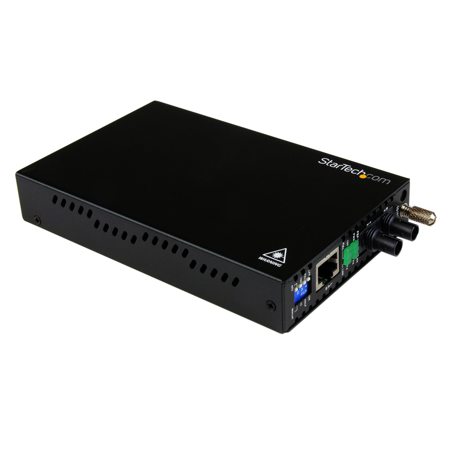
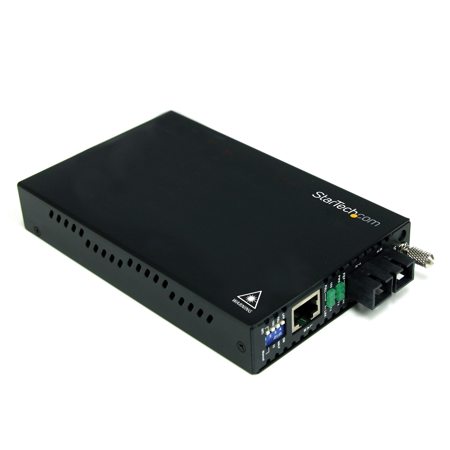
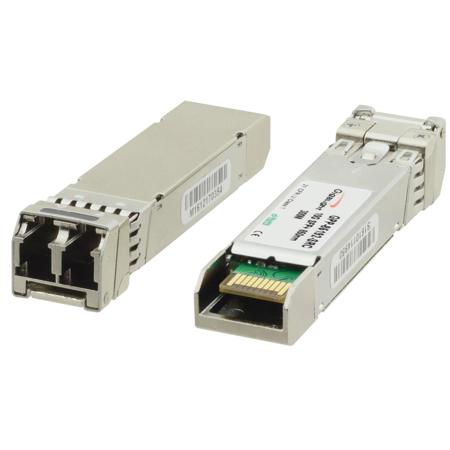
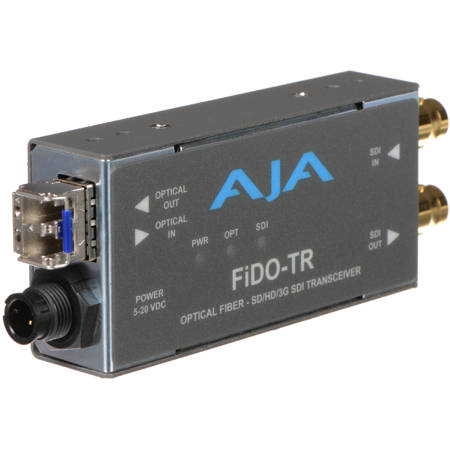
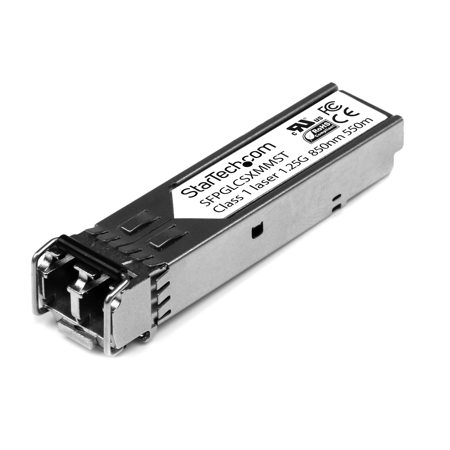
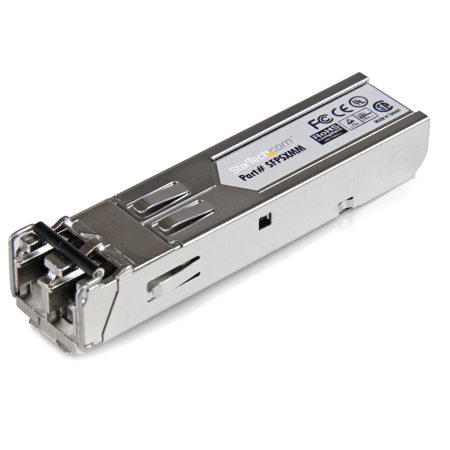
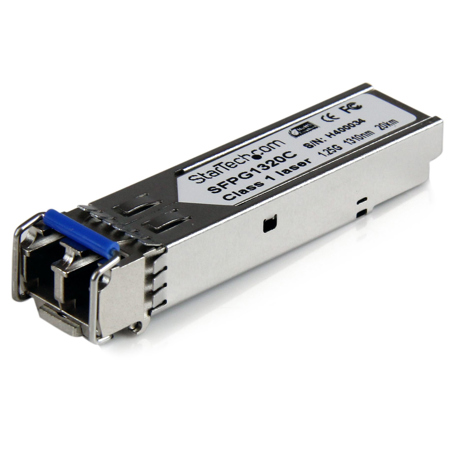
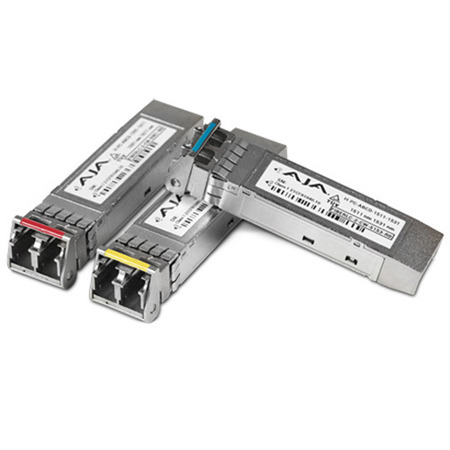
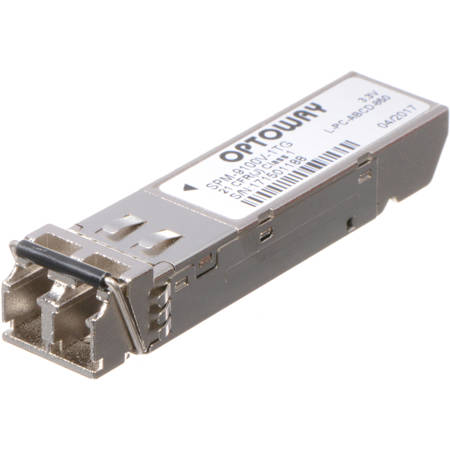
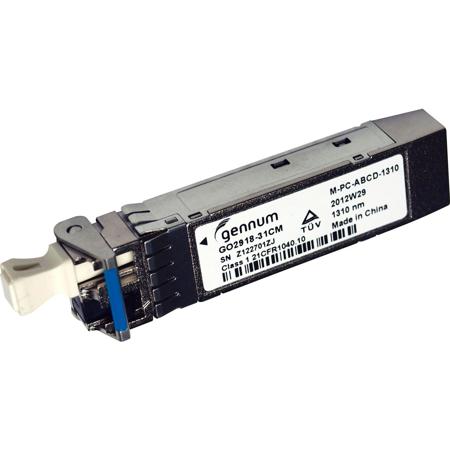
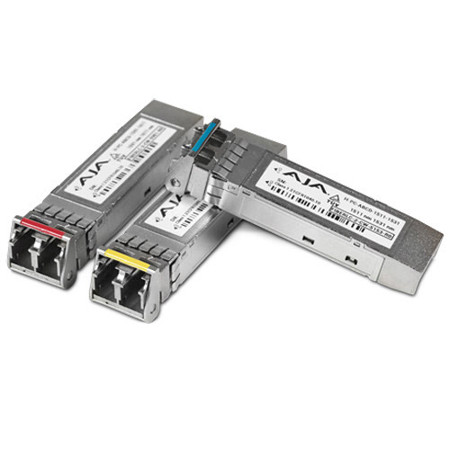
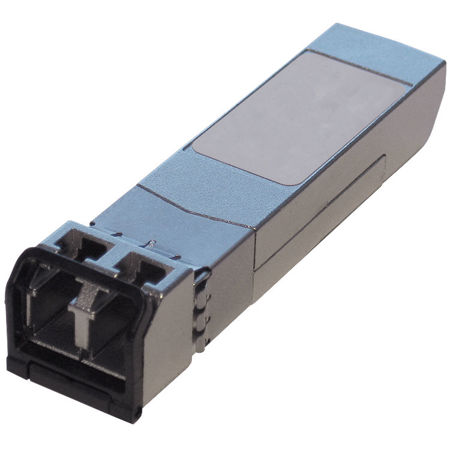
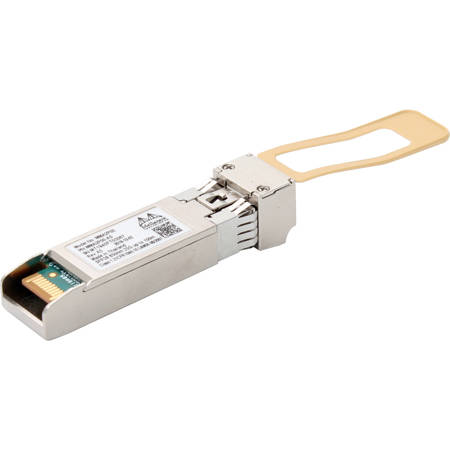
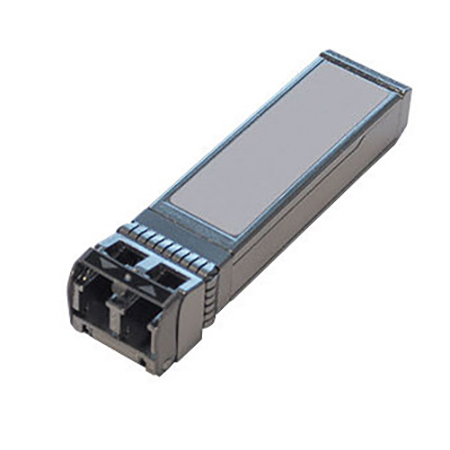
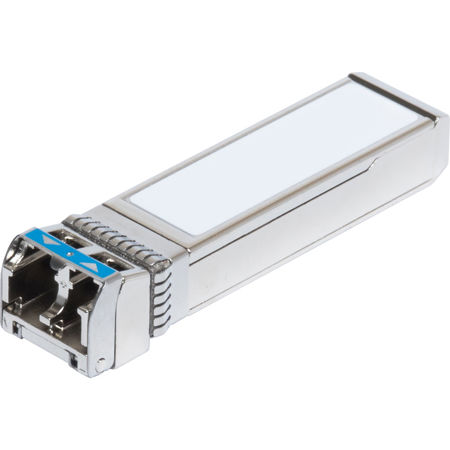
Fiber optic transceivers are the unsung heroes powering the backbone of modern digital communication, seamlessly bridging the gap between electrical and optical signals to enable high-speed data transfer across vast distances. Whether you’re managing a bustling data center, building an enterprise network, or upgrading industrial automation systems, selecting the right transceiver is essential for achieving reliable connectivity and optimal performance. These compact, hot-pluggable modules come in a variety of form factors—such as SFP, SFP+, QSFP, and XFP—each tailored for specific data rates and network infrastructures. From the crisp chill of February, when many organizations undertake network upgrades in anticipation of spring growth, to the peak of summer when data demands surge, fiber optic transceivers keep information flowing smoothly and securely. They are engineered to withstand electromagnetic interference, making them particularly valuable in environments with heavy electrical equipment or radio frequency noise.
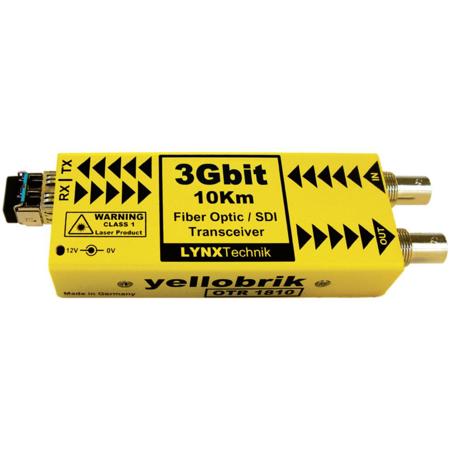
When choosing fiber optic transceivers, it’s important to consider several key factors to ensure compatibility and future-proof your network. Data rate is a primary consideration, with options ranging from 1G for standard office applications to high-capacity 100G modules for enterprise and cloud data centers. Cable type also plays a crucial role: single-mode fiber (SMF) transceivers are ideal for long-distance connections spanning kilometers, while multimode fiber (MMF) modules excel in shorter, high-bandwidth applications within buildings or campus environments. Connector type—commonly LC or SC—must match your existing infrastructure, and it’s essential to verify that the transceiver is compatible with your specific switch, router, or server. Advanced options like 3g cfp transceivers offer expanded bandwidth and flexibility for evolving network demands. For those building out wavelength-division multiplexing systems, CWDM and DWDM transceivers enable multiple data streams over a single fiber, maximizing efficiency without the need for additional cabling. If you’re in the process of expanding your network this season, investing in the right transceiver can mean the difference between seamless scalability and costly downtime.
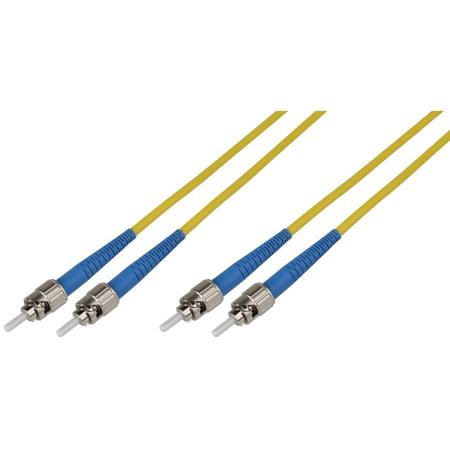
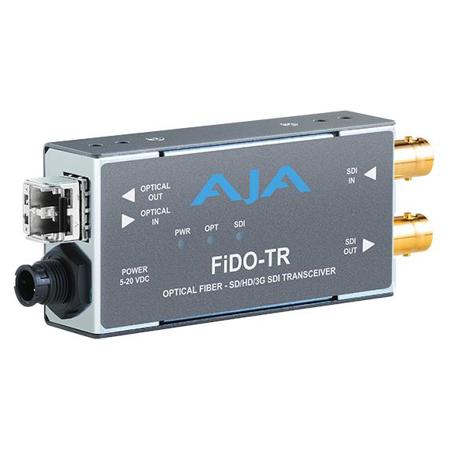
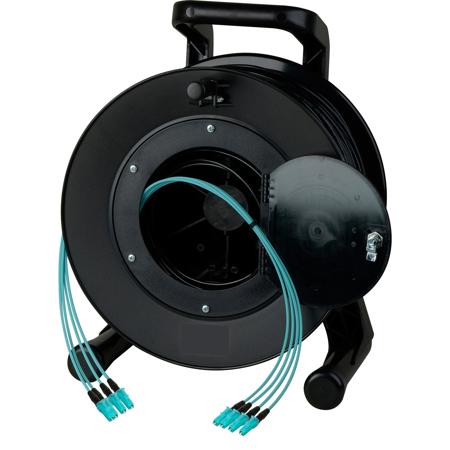
Fiber optic transceivers are not just for IT professionals or network engineers—they’re also a thoughtful gift for tech enthusiasts, system integrators, or anyone passionate about home lab setups and high-performance networking. As more people work remotely and rely on robust digital infrastructure, the demand for reliable, high-speed connections continues to rise. These modules are indispensable for connecting switches, servers, and storage arrays, ensuring that data moves quickly and securely between devices. For those looking to upgrade or maintain their network, pairing the right transceiver with quality Fiber Optic Cables is essential for achieving peak performance. Whether you’re supporting a growing business, optimizing a creative studio’s workflow, or simply future-proofing your home office, fiber optic transceivers provide the scalability and reliability needed to keep you connected year-round. With the right selection, you’ll enjoy uninterrupted performance, streamlined management, and the confidence that your network is ready for whatever challenges the season—and the future—may bring.
When choosing fiber optic transceivers, it’s important to consider several key factors to ensure compatibility and future-proof your network. Data rate is a primary consideration, with options ranging from 1G for standard office applications to high-capacity 100G modules for enterprise and cloud data centers. Cable type also plays a crucial role: single-mode fiber (SMF) transceivers are ideal for long-distance connections spanning kilometers, while multimode fiber (MMF) modules excel in shorter, high-bandwidth applications within buildings or campus environments. Connector type—commonly LC or SC—must match your existing infrastructure, and it’s essential to verify that the transceiver is compatible with your specific switch, router, or server. Advanced options like 3g cfp transceivers offer expanded bandwidth and flexibility for evolving network demands. For those building out wavelength-division multiplexing systems, CWDM and DWDM transceivers enable multiple data streams over a single fiber, maximizing efficiency without the need for additional cabling. If you’re in the process of expanding your network this season, investing in the right transceiver can mean the difference between seamless scalability and costly downtime.
Fiber optic transceivers are not just for IT professionals or network engineers—they’re also a thoughtful gift for tech enthusiasts, system integrators, or anyone passionate about home lab setups and high-performance networking. As more people work remotely and rely on robust digital infrastructure, the demand for reliable, high-speed connections continues to rise. These modules are indispensable for connecting switches, servers, and storage arrays, ensuring that data moves quickly and securely between devices. For those looking to upgrade or maintain their network, pairing the right transceiver with quality Fiber Optic Cables is essential for achieving peak performance. Whether you’re supporting a growing business, optimizing a creative studio’s workflow, or simply future-proofing your home office, fiber optic transceivers provide the scalability and reliability needed to keep you connected year-round. With the right selection, you’ll enjoy uninterrupted performance, streamlined management, and the confidence that your network is ready for whatever challenges the season—and the future—may bring.