Ethernet Transceivers
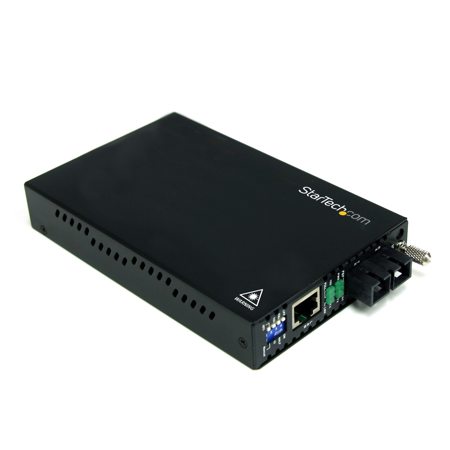
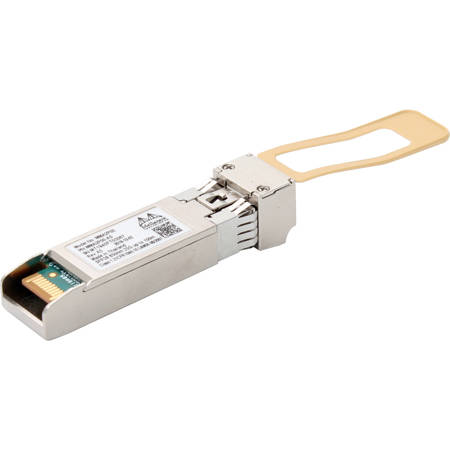
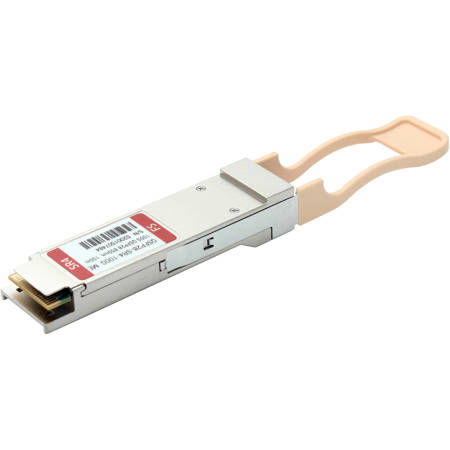
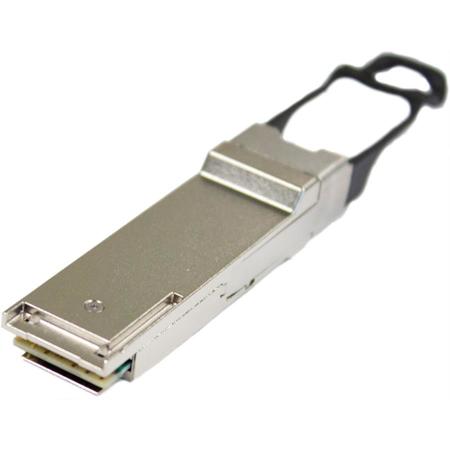
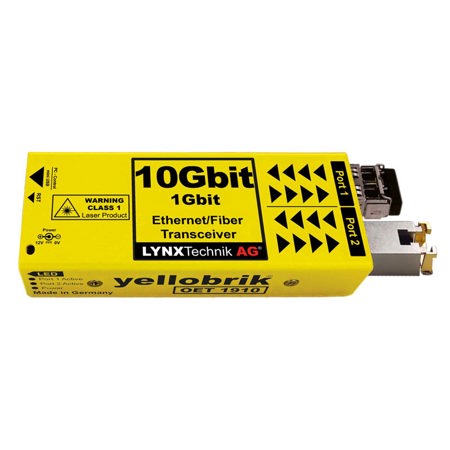
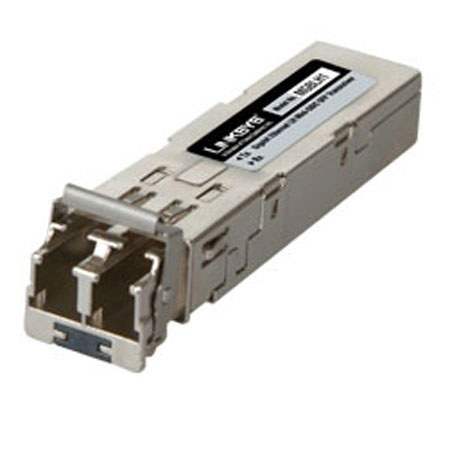
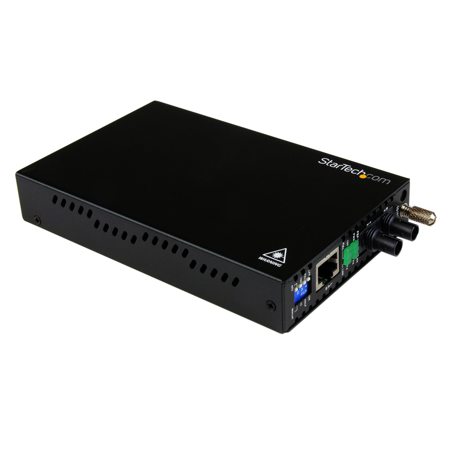
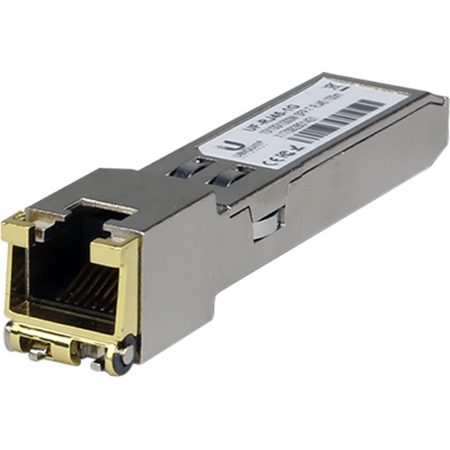
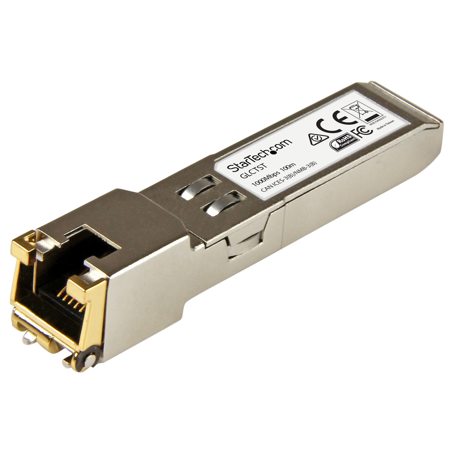
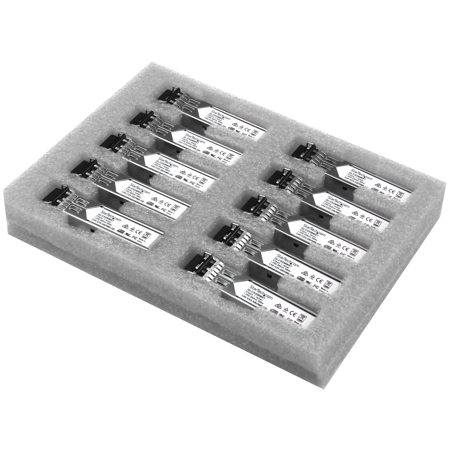
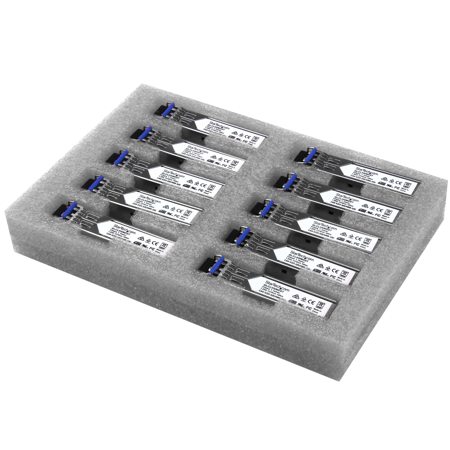
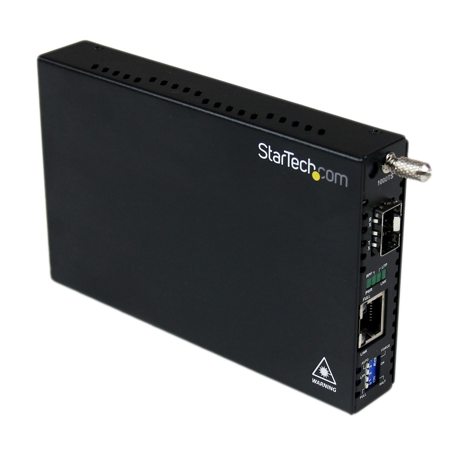
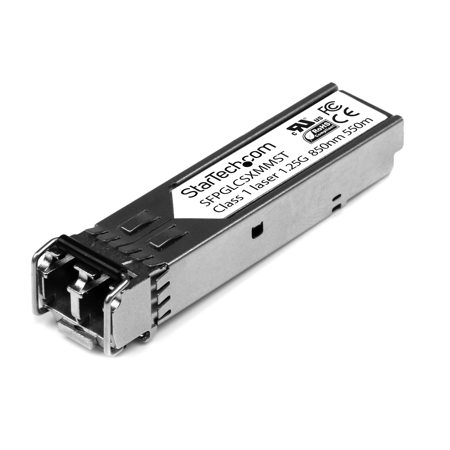
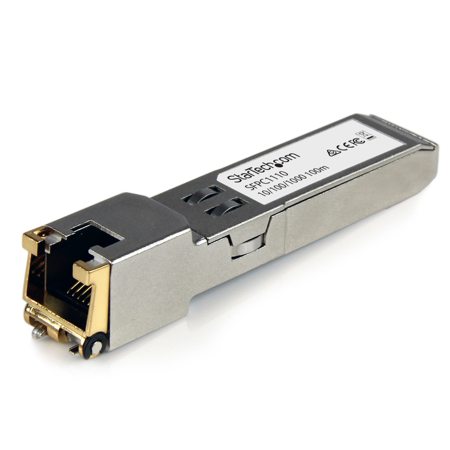
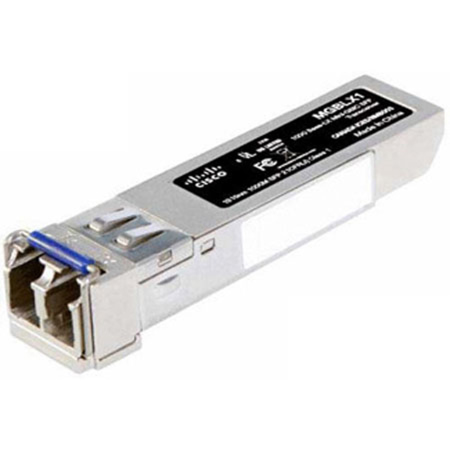
In the ever-evolving world of network infrastructure, Ethernet transceivers have become indispensable tools for IT professionals, system integrators, and anyone managing high-performance connectivity. These compact, hot-swappable modules—ranging from SFP and SFP+ to QSFP form factors—are the quiet workhorses behind robust data transfer, enabling seamless communication between switches, routers, and servers. Whether you’re building out a data center, upgrading an office network, or extending connectivity across a campus, the right Ethernet transceiver ensures reliable, high-speed transmission over both copper and fiber optic cabling. As organizations and creative professionals increasingly rely on fast, uninterrupted access to digital assets, transceivers provide the flexibility to scale network speeds from 1 Gbps for everyday tasks up to 100 Gbps or more for bandwidth-intensive environments. The ability to mix and match copper (RJ45) and fiber (LC/SC) modules within the same switch chassis means you can tailor your network to the unique demands of each location, whether that’s a studio, a production suite, or a bustling server room. During the transition from the heat of summer into the cooler months, when many businesses and institutions undertake infrastructure upgrades or prepare for seasonal spikes in data usage, reliable transceivers are essential for keeping operations running smoothly.
Choosing the right Ethernet transceiver involves more than just matching data rates. It’s about understanding your network’s topology, the types of cables in use, and the specific requirements of your hardware—ensuring compatibility with your existing switches or routers is critical. For those setting up new installations or expanding current setups, considering factors such as signal distance, power consumption, and environmental resilience can make all the difference in long-term performance. For IT teams, AV professionals, and even advanced home users who demand enterprise-grade reliability, selecting transceivers that support the latest standards can future-proof investments and simplify ongoing maintenance. These modules are also popular as thoughtful, practical gifts for tech enthusiasts, small business owners, or anyone embarking on a major networking project—especially as organizations gear up for the busy fall season or look to optimize performance ahead of year-end deadlines. As you refine your network, don’t overlook the importance of quality cabling and connectors; robust Ethernet Connectors are the backbone of any reliable setup, ensuring that every transceiver operates at its best. With the right combination of transceivers and accessories, you can create a network that’s ready for the demands of today—and scalable for the challenges of tomorrow.
Choosing the right Ethernet transceiver involves more than just matching data rates. It’s about understanding your network’s topology, the types of cables in use, and the specific requirements of your hardware—ensuring compatibility with your existing switches or routers is critical. For those setting up new installations or expanding current setups, considering factors such as signal distance, power consumption, and environmental resilience can make all the difference in long-term performance. For IT teams, AV professionals, and even advanced home users who demand enterprise-grade reliability, selecting transceivers that support the latest standards can future-proof investments and simplify ongoing maintenance. These modules are also popular as thoughtful, practical gifts for tech enthusiasts, small business owners, or anyone embarking on a major networking project—especially as organizations gear up for the busy fall season or look to optimize performance ahead of year-end deadlines. As you refine your network, don’t overlook the importance of quality cabling and connectors; robust Ethernet Connectors are the backbone of any reliable setup, ensuring that every transceiver operates at its best. With the right combination of transceivers and accessories, you can create a network that’s ready for the demands of today—and scalable for the challenges of tomorrow.