Assembly Cables
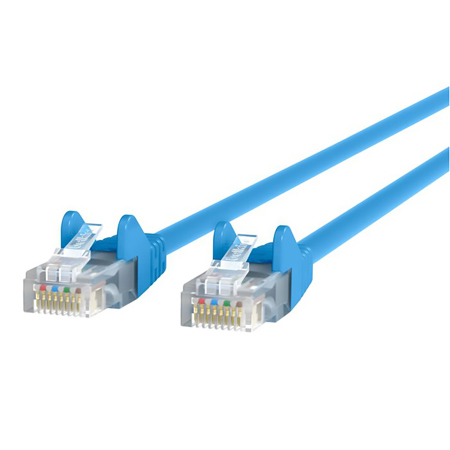
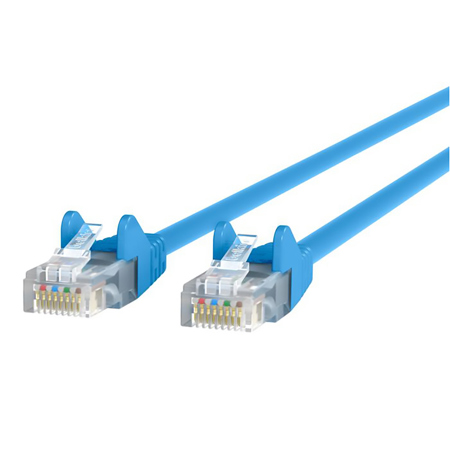
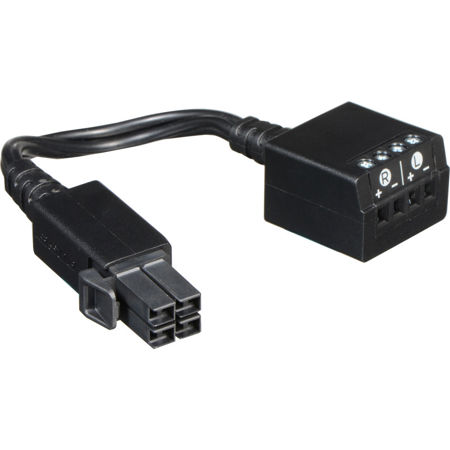
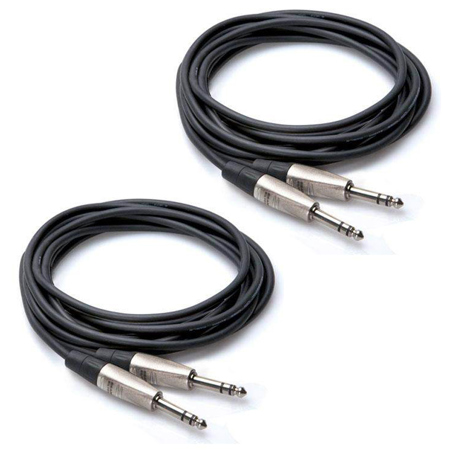
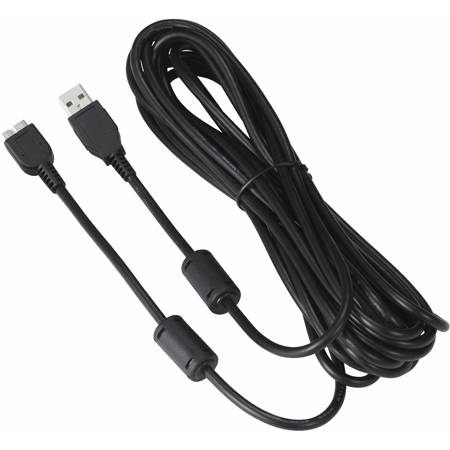
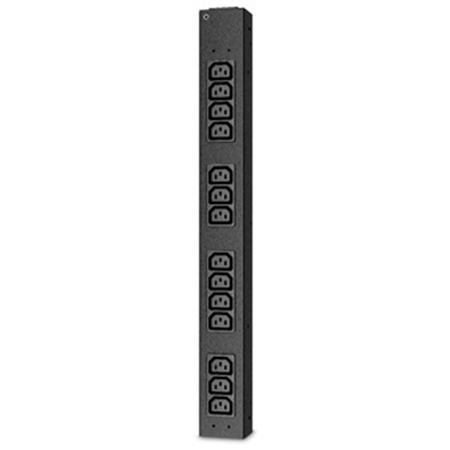
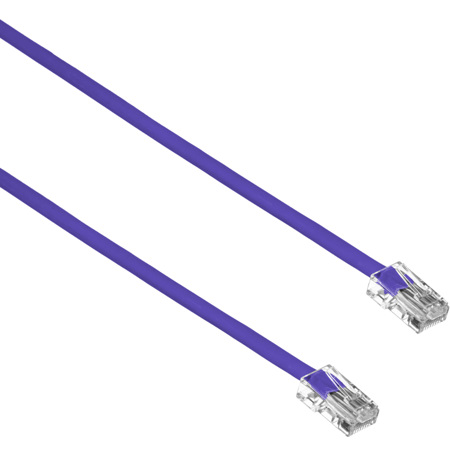
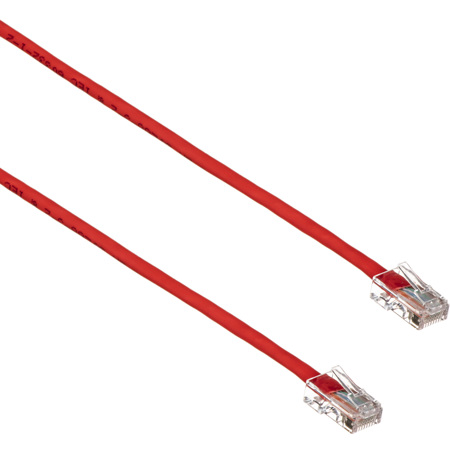
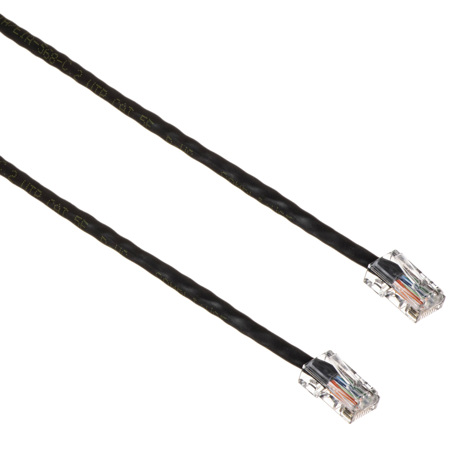
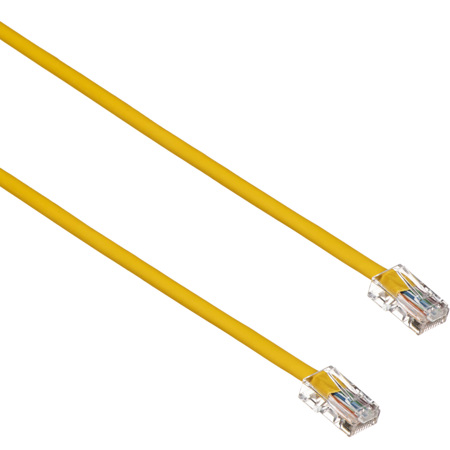
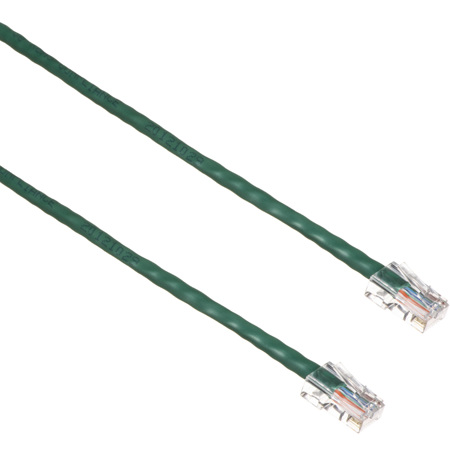
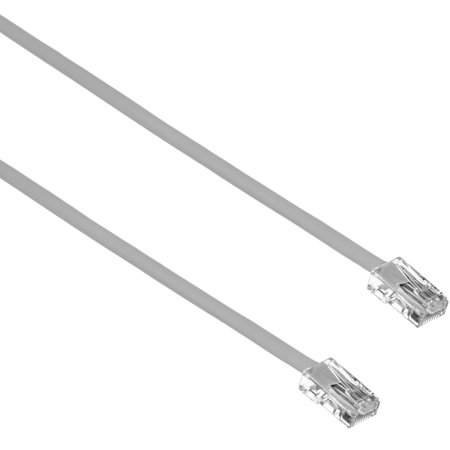
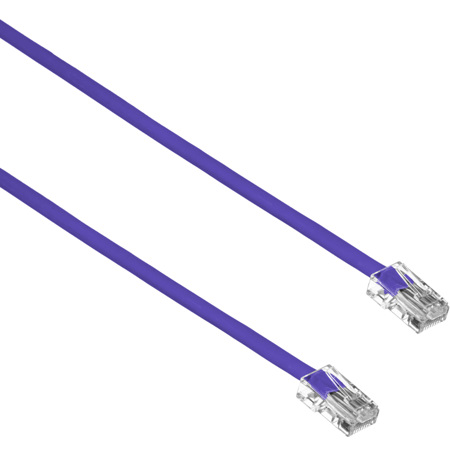
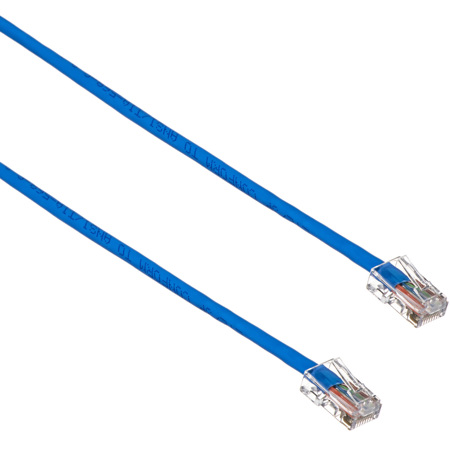
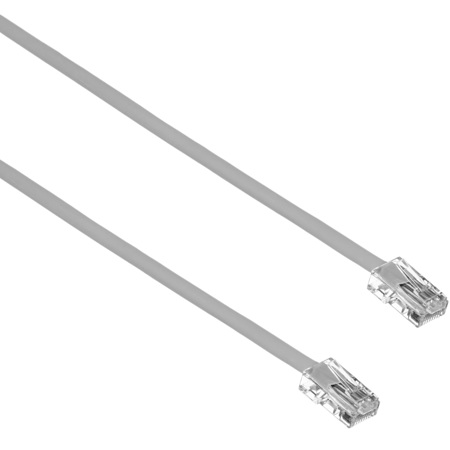
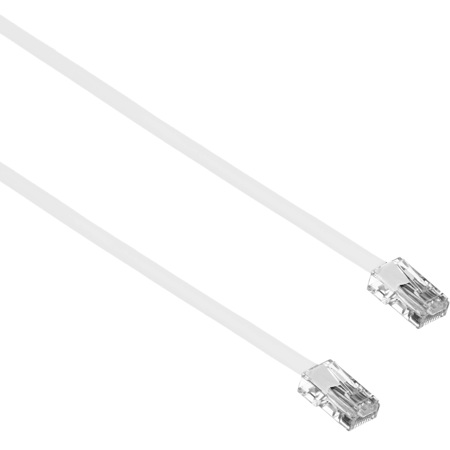
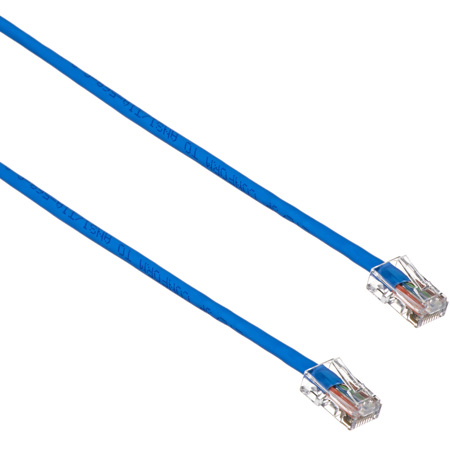
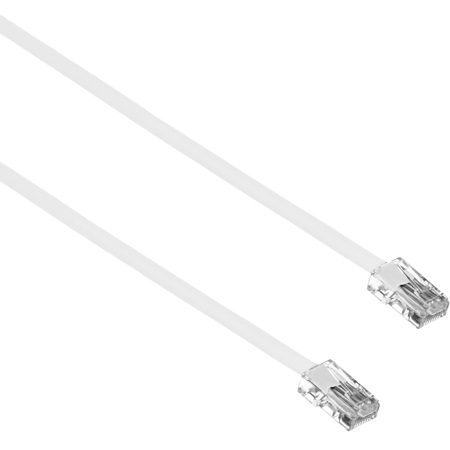
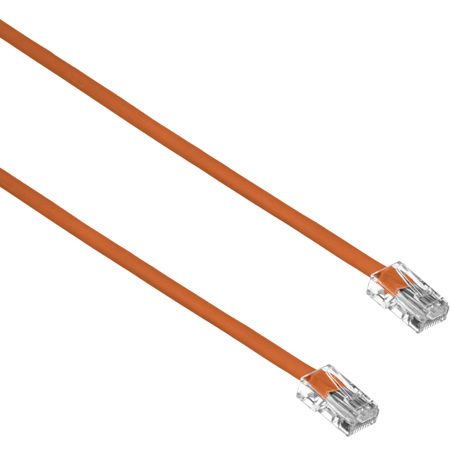
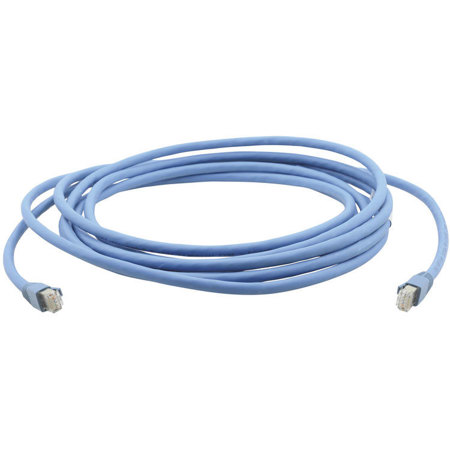
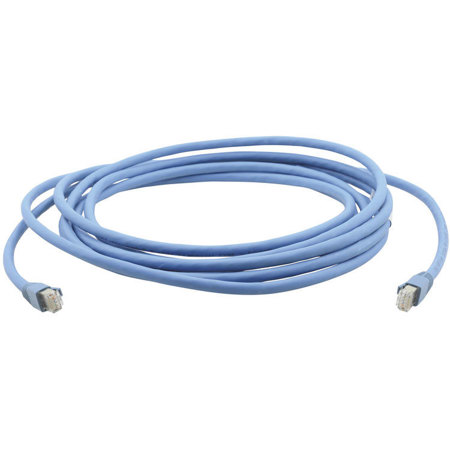
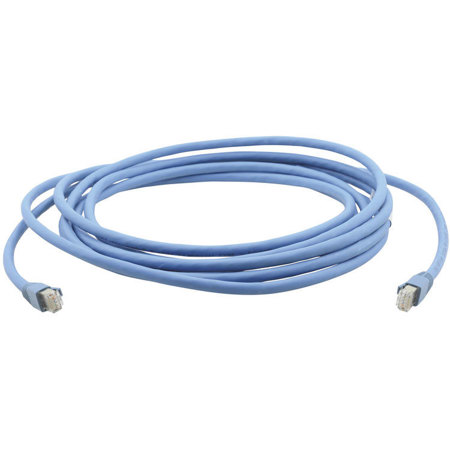
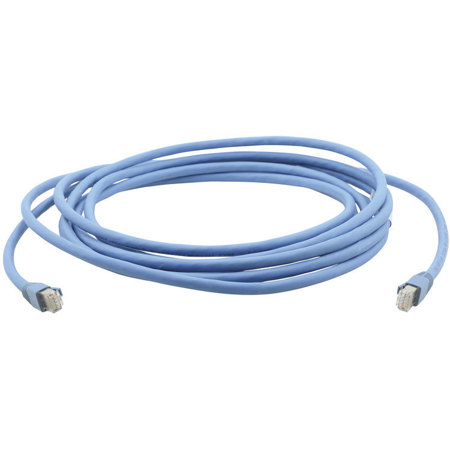
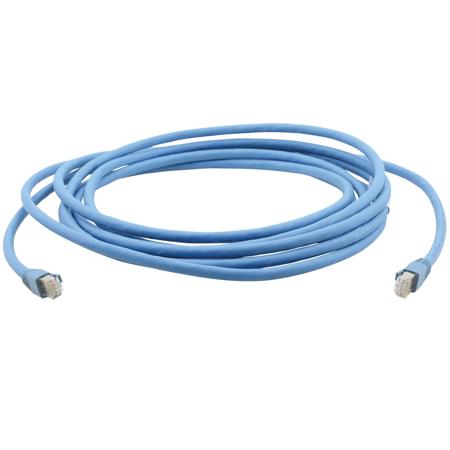
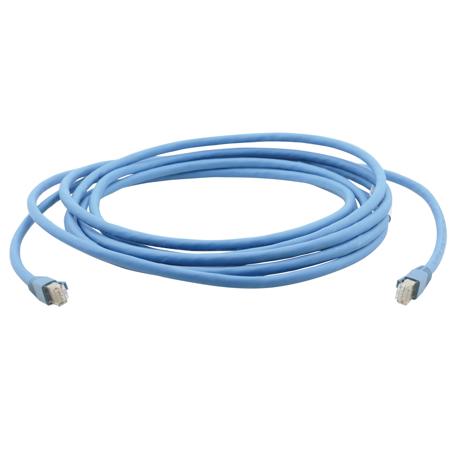
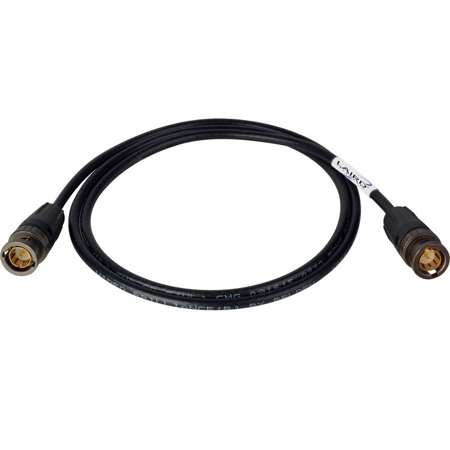
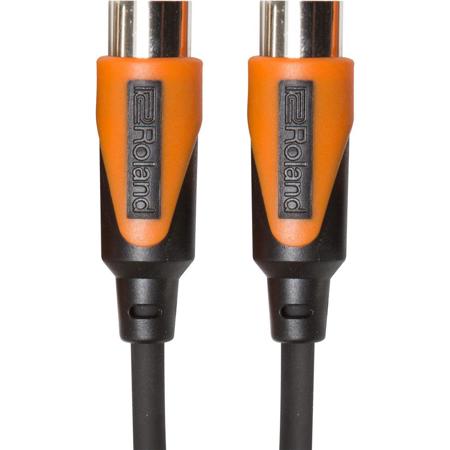
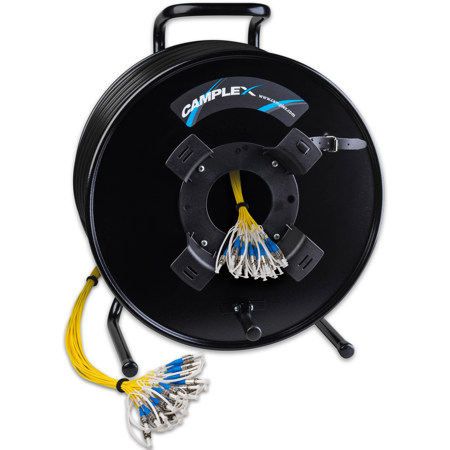
Assembly cables are the unsung heroes behind seamless connectivity in countless professional and creative environments, offering a reliable and organized solution for transmitting electrical power, data, or signals between devices. Whether you’re outfitting a photography studio, upgrading a live sound rig, or managing a complex AV installation, the right cable assemblies ensure your equipment communicates efficiently and safely. These cables are carefully engineered, often featuring stranded copper or alloy conductors that maximize signal integrity, surrounded by robust insulation and shielding to ward off electromagnetic interference (EMI) and physical wear. Connectors and terminals—ranging from specialized jacks and plugs to ring terminals—are securely fitted to each end, making it easy to bridge devices without the trial and error of manual wiring. For those working in demanding environments, such as outdoor events or industrial settings, cable assemblies with waterproofing and heavy-duty protective coverings like heat-shrink tubing or over-molded backshells provide peace of mind, even in unpredictable weather as the seasons shift from the warmth of early summer to the crispness of fall.
From the perspective of a professional installer, assembling a system with pre-configured cable assemblies can dramatically reduce setup time and minimize troubleshooting, especially when managing intricate networks of audio, video, or data lines. Photographers and videographers, for example, benefit from the tidy organization and robust performance that assembly cables bring to tethered shooting setups or multi-light arrangements. Musicians and sound engineers rely on them for clear, uninterrupted audio transmission during live performances or recording sessions, where a single faulty connection can make or break a show. Even hobbyists and home studio enthusiasts will appreciate the plug-and-play convenience, whether setting up a home theater, connecting modular synthesizers, or building out a smart home network. Assembly cables also make thoughtful gifts for anyone with a passion for technology, music, or DIY projects—especially as new creative endeavors often take shape during the longer days and increased activity of the summer and early fall months. When selecting the right cable assembly, consider the specific requirements of your equipment: cable length, connector type, shielding needs, and environmental durability all play a role in ensuring optimal performance. For those seeking even greater control over their signal routing or automation systems, exploring related solutions like Control Cables can open up new possibilities for customization and system integration.
In a world where reliability and efficiency are paramount, professionally manufactured cable assemblies—built and tested to rigorous industry standards—offer a level of assurance that hand-assembled or generic cables simply can’t match. Many assemblies are produced using advanced techniques such as automated cut-and-crimp machines, precision soldering, and over-molding, resulting in consistent quality across high-volume projects. These manufacturing standards are especially critical in industries like automotive, aerospace, and broadcasting, where continuous power delivery and signal integrity are non-negotiable, even in extreme temperatures or high-vibration environments. As technology continues to evolve and the demand for high-speed data transfer grows, modern assembly cables are designed to handle everything from gigabit Ethernet and USB connectivity to coaxial video and power distribution. Whether you’re planning a new installation or upgrading an existing setup, choosing the right assembly cables ensures your workflow remains uninterrupted, your equipment stays protected, and your creative or technical vision comes to life—all while adapting to the changing pace and energy of the season.
From the perspective of a professional installer, assembling a system with pre-configured cable assemblies can dramatically reduce setup time and minimize troubleshooting, especially when managing intricate networks of audio, video, or data lines. Photographers and videographers, for example, benefit from the tidy organization and robust performance that assembly cables bring to tethered shooting setups or multi-light arrangements. Musicians and sound engineers rely on them for clear, uninterrupted audio transmission during live performances or recording sessions, where a single faulty connection can make or break a show. Even hobbyists and home studio enthusiasts will appreciate the plug-and-play convenience, whether setting up a home theater, connecting modular synthesizers, or building out a smart home network. Assembly cables also make thoughtful gifts for anyone with a passion for technology, music, or DIY projects—especially as new creative endeavors often take shape during the longer days and increased activity of the summer and early fall months. When selecting the right cable assembly, consider the specific requirements of your equipment: cable length, connector type, shielding needs, and environmental durability all play a role in ensuring optimal performance. For those seeking even greater control over their signal routing or automation systems, exploring related solutions like Control Cables can open up new possibilities for customization and system integration.
In a world where reliability and efficiency are paramount, professionally manufactured cable assemblies—built and tested to rigorous industry standards—offer a level of assurance that hand-assembled or generic cables simply can’t match. Many assemblies are produced using advanced techniques such as automated cut-and-crimp machines, precision soldering, and over-molding, resulting in consistent quality across high-volume projects. These manufacturing standards are especially critical in industries like automotive, aerospace, and broadcasting, where continuous power delivery and signal integrity are non-negotiable, even in extreme temperatures or high-vibration environments. As technology continues to evolve and the demand for high-speed data transfer grows, modern assembly cables are designed to handle everything from gigabit Ethernet and USB connectivity to coaxial video and power distribution. Whether you’re planning a new installation or upgrading an existing setup, choosing the right assembly cables ensures your workflow remains uninterrupted, your equipment stays protected, and your creative or technical vision comes to life—all while adapting to the changing pace and energy of the season.