Audio Interface for Guitar Recording
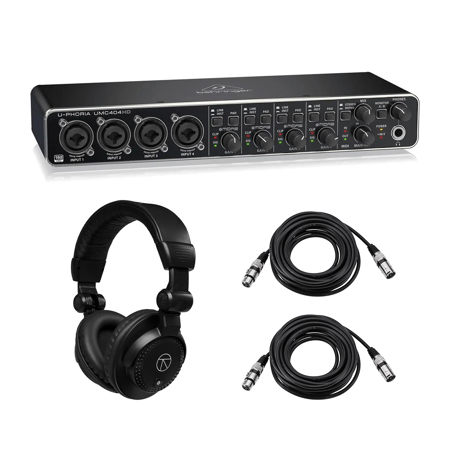
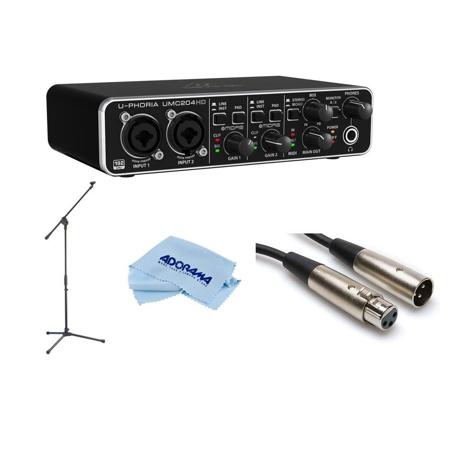
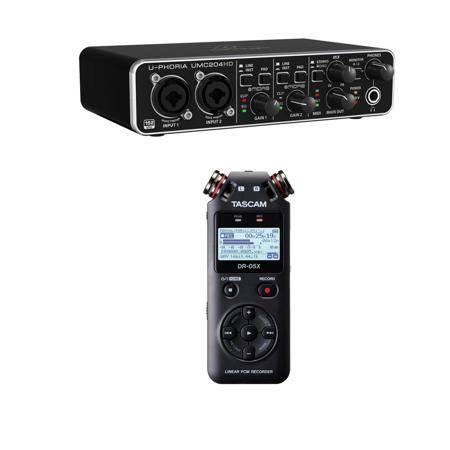
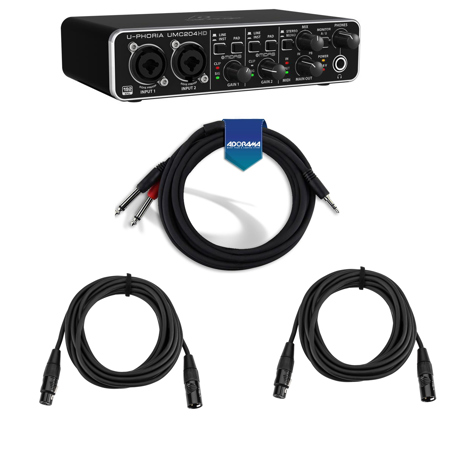
Whether you’re a seasoned musician laying down tracks for your next album or a hobbyist capturing the spark of a late-night riff, an audio interface designed for guitar recording is an essential bridge between your instrument and the digital world. These devices convert the analog signal from your guitar into pristine digital audio, enabling you to harness the creative power of recording software, virtual amps, and effects right from your home studio or even on the go. The summer months often inspire spontaneous jam sessions, outdoor songwriting retreats, or the urge to capture new ideas as they come, while the transition into cooler weather can bring a renewed focus on refining your sound indoors. No matter the season, an audio interface offers a reliable and portable solution for guitarists eager to explore new sonic landscapes, collaborate remotely, or simply document their musical journey with professional clarity.
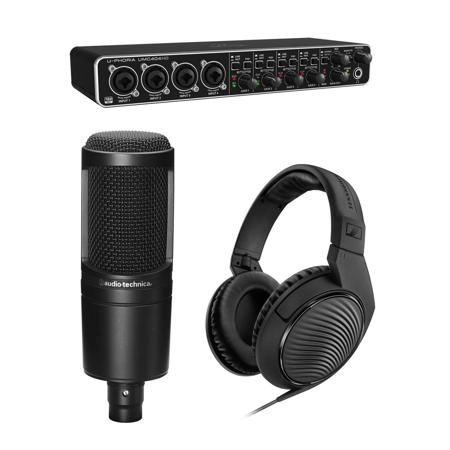
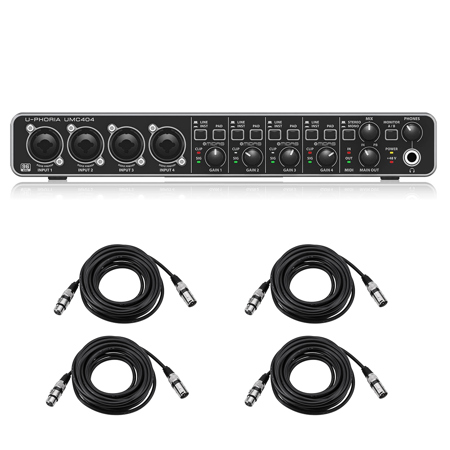
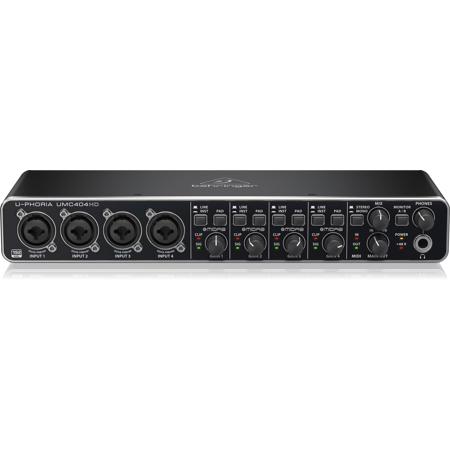
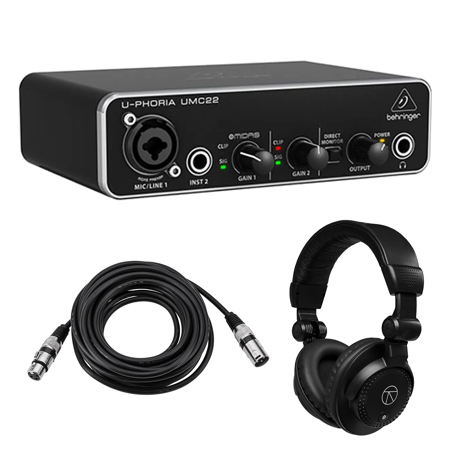
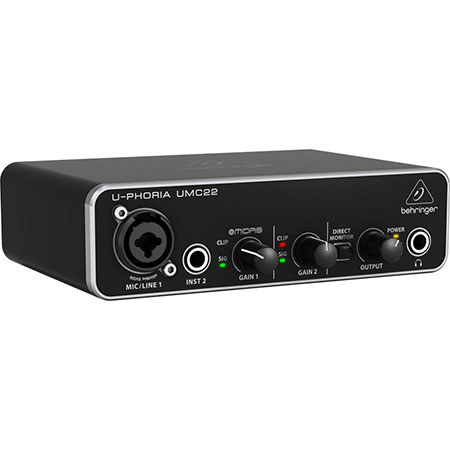
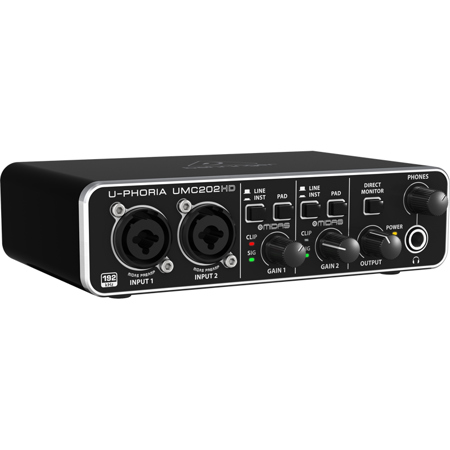
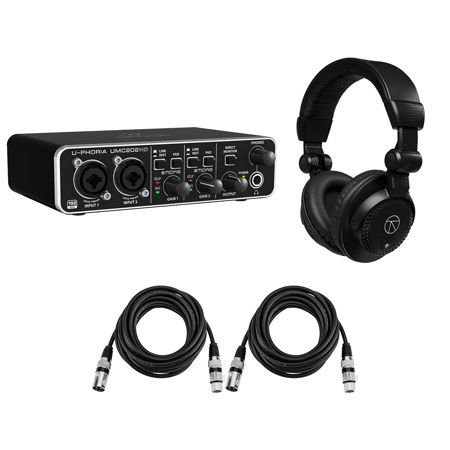
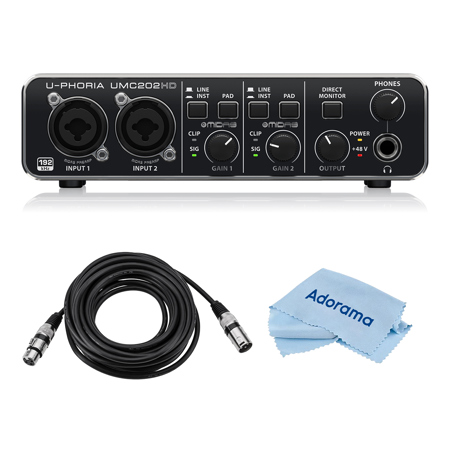
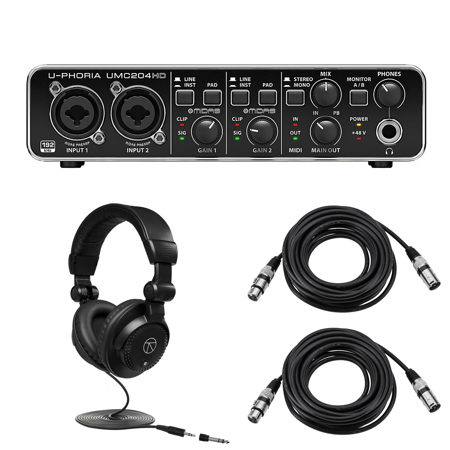
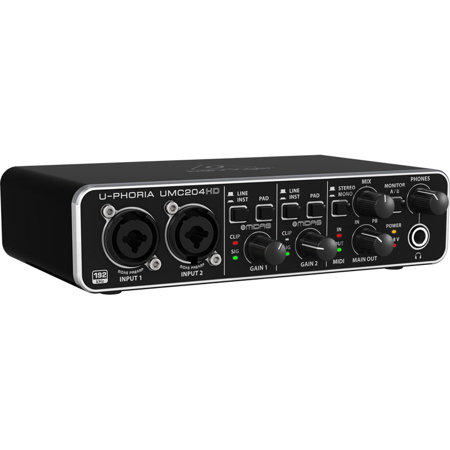
When selecting an audio interface for guitar recording, there are several key factors to consider that can make a significant difference in your workflow and the quality of your recordings. First and foremost, look for interfaces equipped with dedicated “Hi-Z” instrument inputs—these are specifically designed to match the impedance of electric and bass guitars, preserving the nuance and punch of your tone that can otherwise be lost through standard line inputs. Zero-latency direct monitoring is another vital feature, allowing you to hear your performance in real time without distracting delay, which is especially important when layering tracks or recording alongside other musicians. For those who sing as well as play, interfaces with multiple inputs and high-quality preamps provide the flexibility to capture both guitar and vocals simultaneously, making them ideal for singer-songwriters or small ensembles. The choice of connectivity—USB-C, Thunderbolt, or traditional USB—should match your computer setup for seamless integration and reliable performance. Many audio interfaces also come bundled with starter versions of popular recording software and virtual amp suites, offering a complete toolkit for crafting your sound from the first note to the final mix. If you’re looking to expand your creative possibilities further, explore our curated selection of Guitar Recording Software to complement your hardware with powerful tools for editing, mixing, and mastering.
Audio interfaces for guitar recording make thoughtful gifts for musicians at any stage of their journey, whether they’re aspiring producers, gigging players, or students eager to experiment with home recording. Imagine the excitement of unboxing a new interface, plugging in your favorite guitar, and instantly accessing a world of tones and effects that once required a room full of gear. These devices are compact enough to slip into a backpack for mobile sessions, yet robust enough to anchor a professional studio setup. As the creative energy of summer gives way to the introspective mood of autumn, having a reliable audio interface on hand means you never have to let inspiration pass you by. Whether you’re capturing the raw energy of a live take or meticulously layering harmonies late into the evening, the right interface ensures your guitar’s character shines through in every recording.
When selecting an audio interface for guitar recording, there are several key factors to consider that can make a significant difference in your workflow and the quality of your recordings. First and foremost, look for interfaces equipped with dedicated “Hi-Z” instrument inputs—these are specifically designed to match the impedance of electric and bass guitars, preserving the nuance and punch of your tone that can otherwise be lost through standard line inputs. Zero-latency direct monitoring is another vital feature, allowing you to hear your performance in real time without distracting delay, which is especially important when layering tracks or recording alongside other musicians. For those who sing as well as play, interfaces with multiple inputs and high-quality preamps provide the flexibility to capture both guitar and vocals simultaneously, making them ideal for singer-songwriters or small ensembles. The choice of connectivity—USB-C, Thunderbolt, or traditional USB—should match your computer setup for seamless integration and reliable performance. Many audio interfaces also come bundled with starter versions of popular recording software and virtual amp suites, offering a complete toolkit for crafting your sound from the first note to the final mix. If you’re looking to expand your creative possibilities further, explore our curated selection of Guitar Recording Software to complement your hardware with powerful tools for editing, mixing, and mastering.
Audio interfaces for guitar recording make thoughtful gifts for musicians at any stage of their journey, whether they’re aspiring producers, gigging players, or students eager to experiment with home recording. Imagine the excitement of unboxing a new interface, plugging in your favorite guitar, and instantly accessing a world of tones and effects that once required a room full of gear. These devices are compact enough to slip into a backpack for mobile sessions, yet robust enough to anchor a professional studio setup. As the creative energy of summer gives way to the introspective mood of autumn, having a reliable audio interface on hand means you never have to let inspiration pass you by. Whether you’re capturing the raw energy of a live take or meticulously layering harmonies late into the evening, the right interface ensures your guitar’s character shines through in every recording.