Guitar Interfaces
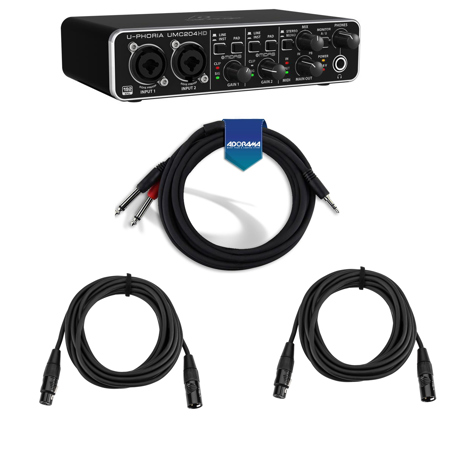
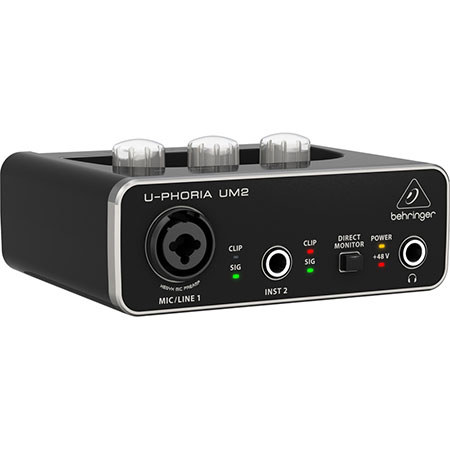
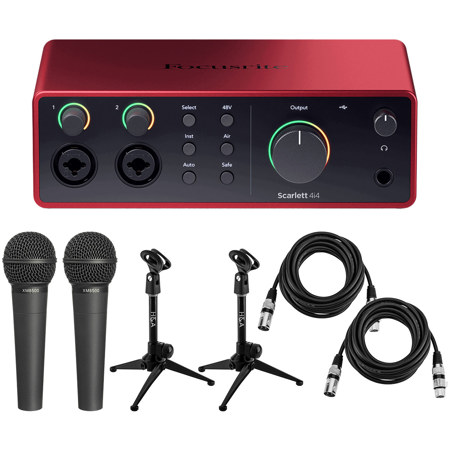
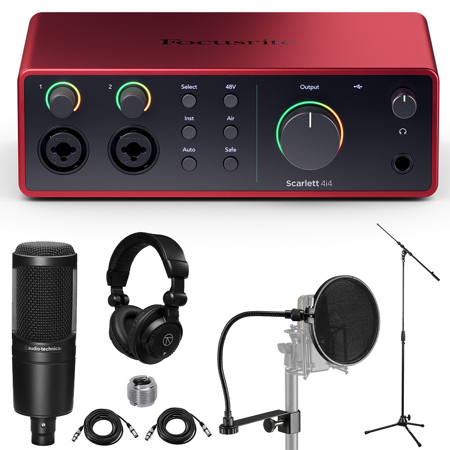
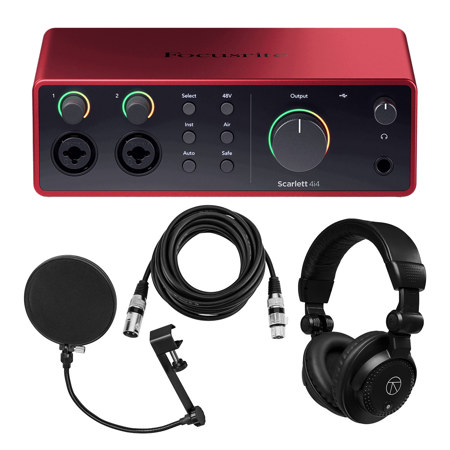
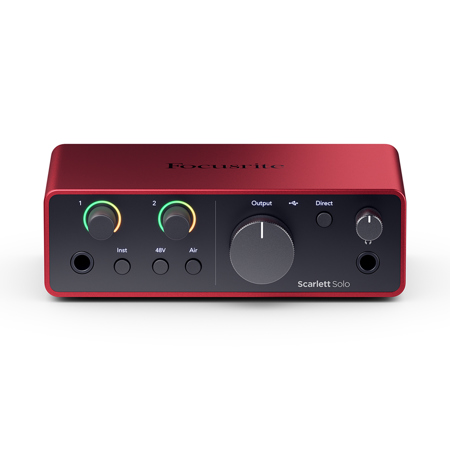
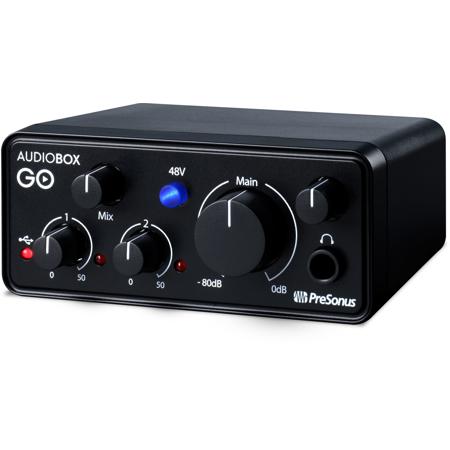
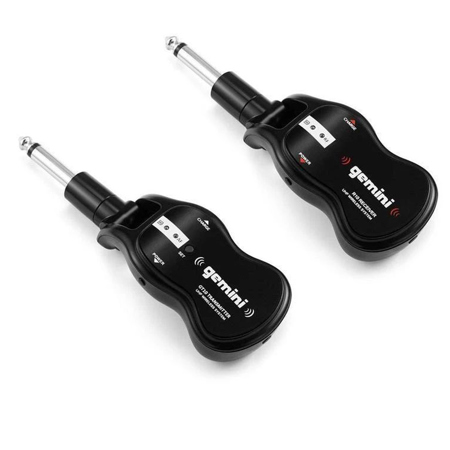
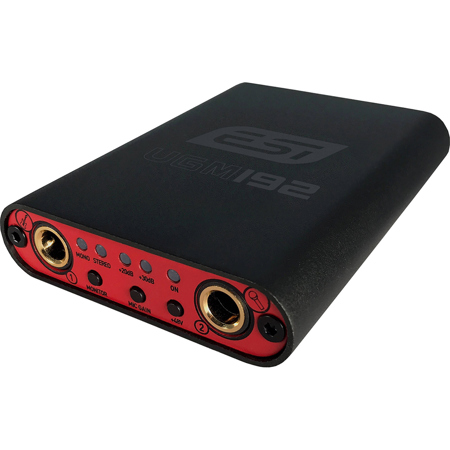
As music-making continues to evolve, guitar interfaces have become an essential bridge between the analog world of stringed instruments and the limitless creativity offered by digital technology. Whether you’re a hobbyist practicing at home, a songwriter capturing inspiration on the go, or a professional guitarist laying down tracks in a studio, these compact devices open up a world of possibilities. Guitar interfaces convert your instrument’s signal into a format that computers, tablets, and smartphones can understand, allowing you to explore amp simulators, effects plugins, and digital audio workstations with ease. The versatility they offer means you can practice silently with headphones during the quieter, cooler evenings or record high-quality tracks as inspiration strikes—without the need for bulky amps or complicated setups. As the seasons shift and routines change, having a reliable guitar interface at your fingertips can make it easier to seize creative moments, whether you’re jamming in your backyard under the late summer sun or refining your tone on a crisp autumn night indoors.
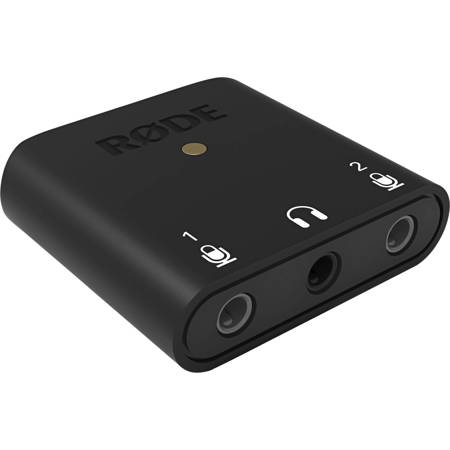
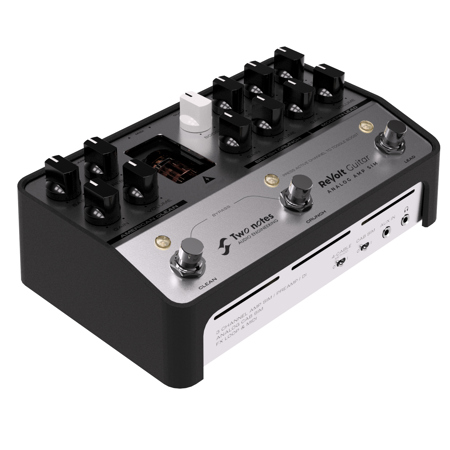
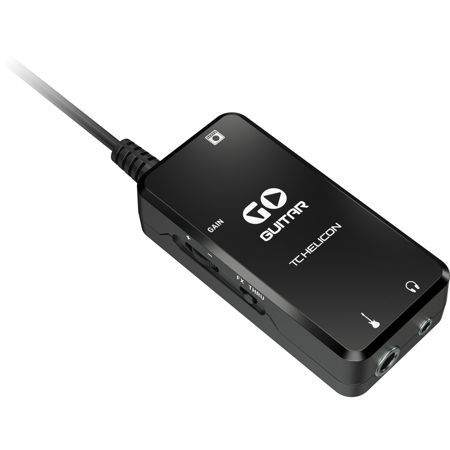
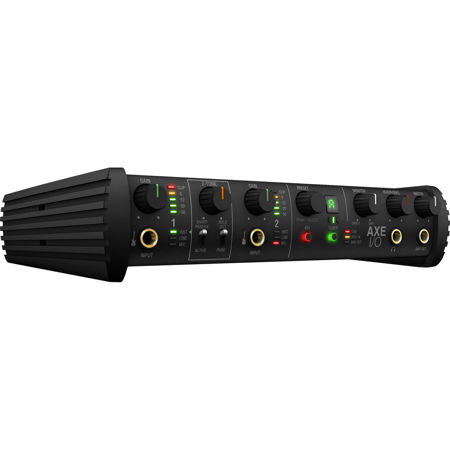
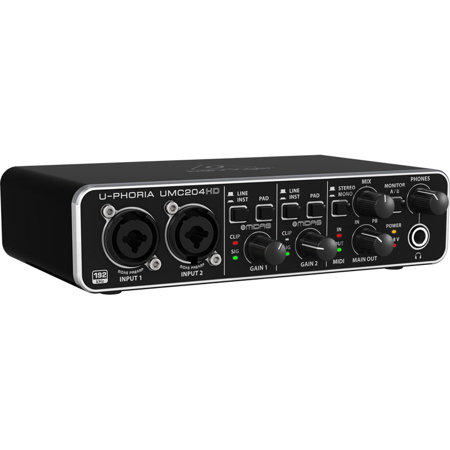
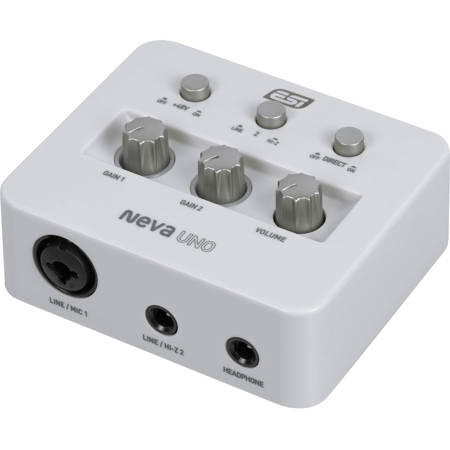
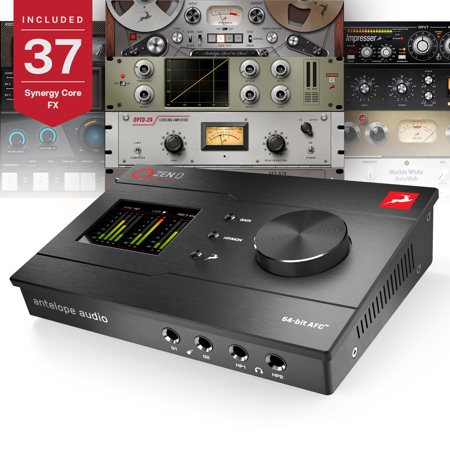
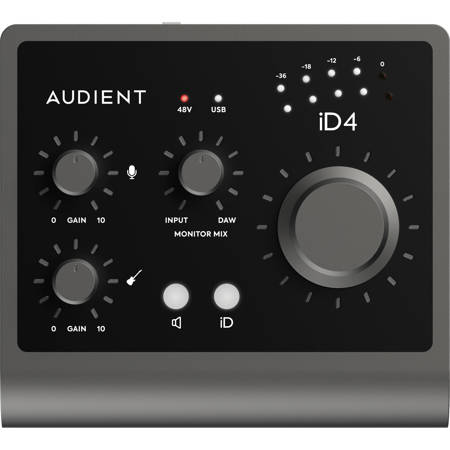
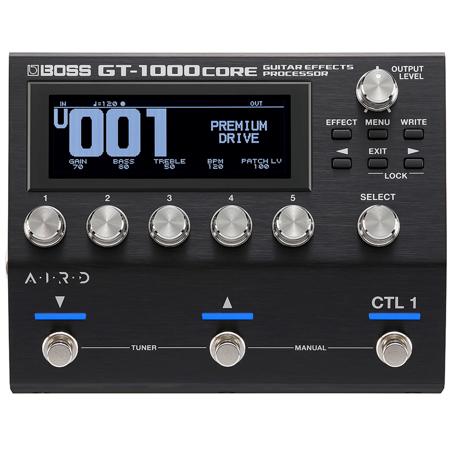
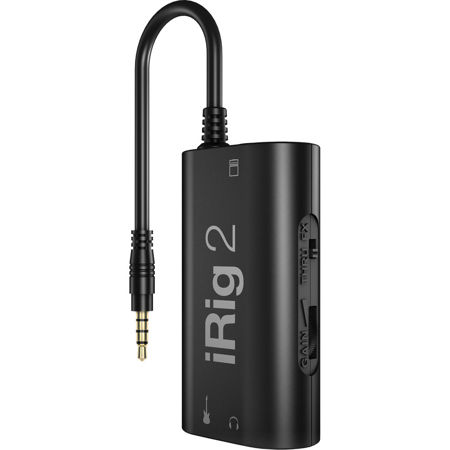
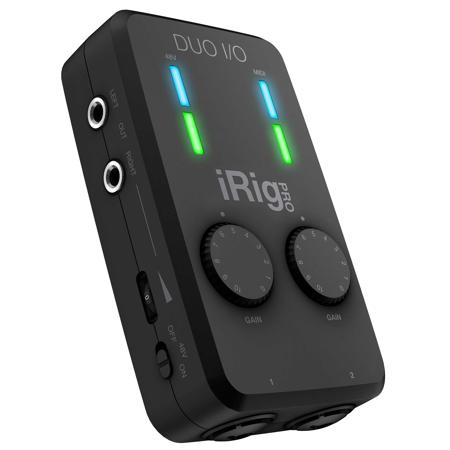
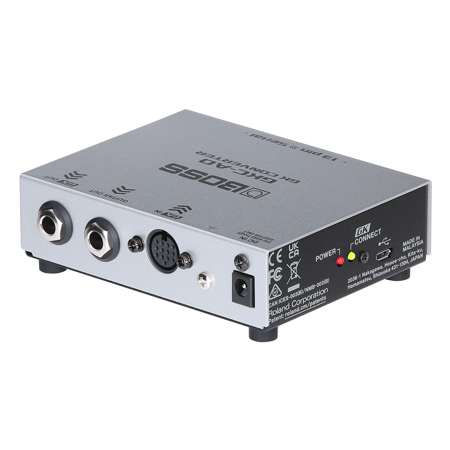
Choosing the right guitar interface depends on your individual needs and aspirations. For those just starting out or looking for portability, there are ultra-compact interfaces designed for mobile devices—perfect for spontaneous sessions in the park, quick practice before a gig, or capturing ideas while traveling. These entry-level models are often budget-friendly and make great gifts for aspiring musicians, students, or anyone eager to experiment with recording and effects without a steep learning curve. On the other hand, more advanced interfaces cater to experienced players and producers who demand pristine audio quality, low-latency monitoring, and specialized features like dedicated Hi-Z instrument inputs and reamping outputs. These tools are invaluable for home studios, project setups, and professional environments, where capturing the nuances of your playing and achieving the right tone is paramount. Features like direct monitoring ensure you can hear your guitar and backing tracks in real-time, while reamp outputs let you record a clean signal and send it to an amplifier later for ultimate flexibility. For those already using high-end multi-effects floorboards, it’s worth checking if your unit doubles as a USB audio interface—modern gear often blurs the line between effects processing and recording hardware.
Guitar interfaces are not just practical tools; they’re also gateways to creative exploration and musical growth. They empower musicians to experiment with new sounds, collaborate remotely, and share their music with the world, all from the comfort of home or while on the move. As gift ideas, they’re thoughtful choices for guitarists of all ages—whether it’s a student discovering digital recording for the first time, a friend eager to start live-streaming performances, or a seasoned player building out a home studio. The right interface can transform the way you interact with your instrument, unlocking access to a universe of amps, effects, and recording possibilities that were once reserved for professional studios. For those looking to dive deeper into the world of digital guitar recording, explore our dedicated guide on selecting the best Audio Interface for Guitar Recording, where you’ll find expert advice and additional resources to help you make an informed decision tailored to your musical journey.
Choosing the right guitar interface depends on your individual needs and aspirations. For those just starting out or looking for portability, there are ultra-compact interfaces designed for mobile devices—perfect for spontaneous sessions in the park, quick practice before a gig, or capturing ideas while traveling. These entry-level models are often budget-friendly and make great gifts for aspiring musicians, students, or anyone eager to experiment with recording and effects without a steep learning curve. On the other hand, more advanced interfaces cater to experienced players and producers who demand pristine audio quality, low-latency monitoring, and specialized features like dedicated Hi-Z instrument inputs and reamping outputs. These tools are invaluable for home studios, project setups, and professional environments, where capturing the nuances of your playing and achieving the right tone is paramount. Features like direct monitoring ensure you can hear your guitar and backing tracks in real-time, while reamp outputs let you record a clean signal and send it to an amplifier later for ultimate flexibility. For those already using high-end multi-effects floorboards, it’s worth checking if your unit doubles as a USB audio interface—modern gear often blurs the line between effects processing and recording hardware.
Guitar interfaces are not just practical tools; they’re also gateways to creative exploration and musical growth. They empower musicians to experiment with new sounds, collaborate remotely, and share their music with the world, all from the comfort of home or while on the move. As gift ideas, they’re thoughtful choices for guitarists of all ages—whether it’s a student discovering digital recording for the first time, a friend eager to start live-streaming performances, or a seasoned player building out a home studio. The right interface can transform the way you interact with your instrument, unlocking access to a universe of amps, effects, and recording possibilities that were once reserved for professional studios. For those looking to dive deeper into the world of digital guitar recording, explore our dedicated guide on selecting the best Audio Interface for Guitar Recording, where you’ll find expert advice and additional resources to help you make an informed decision tailored to your musical journey.