
Audio Video Snake Cables
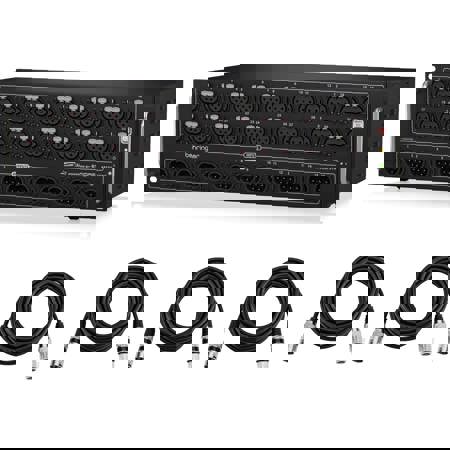
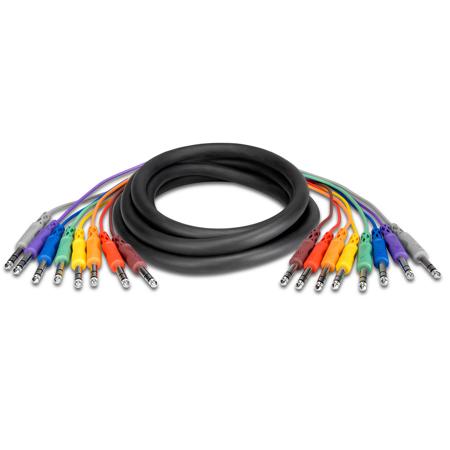
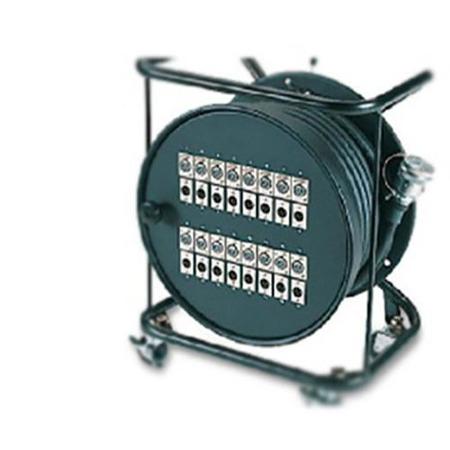
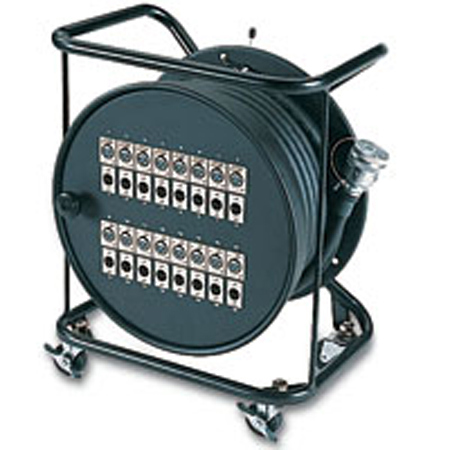
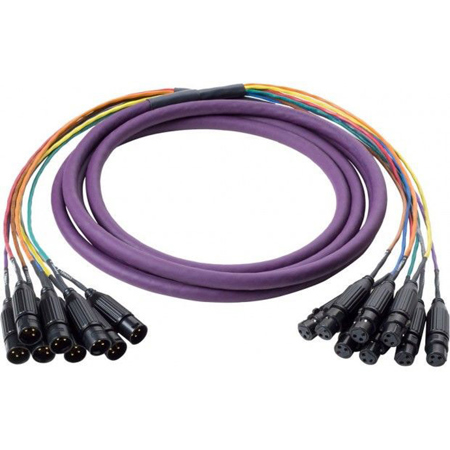
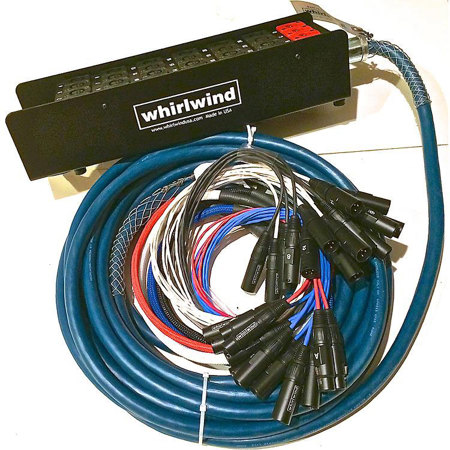
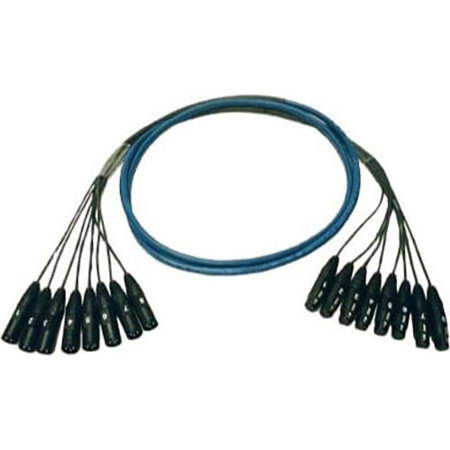
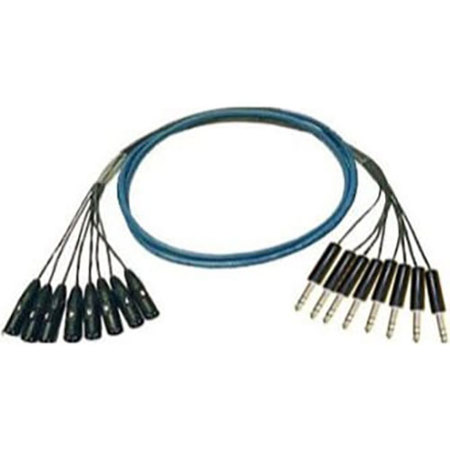
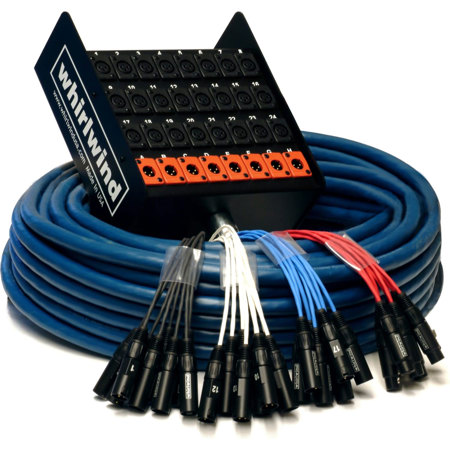
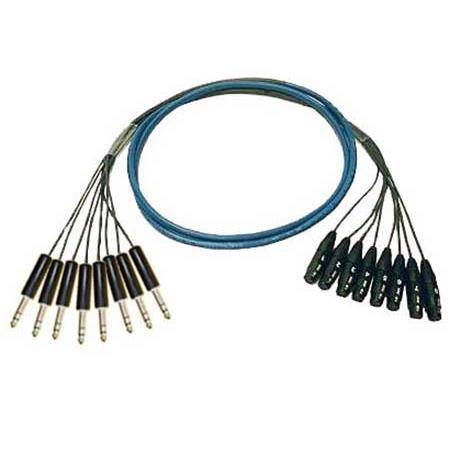
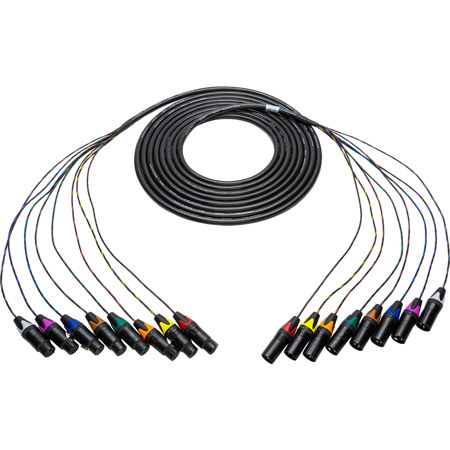
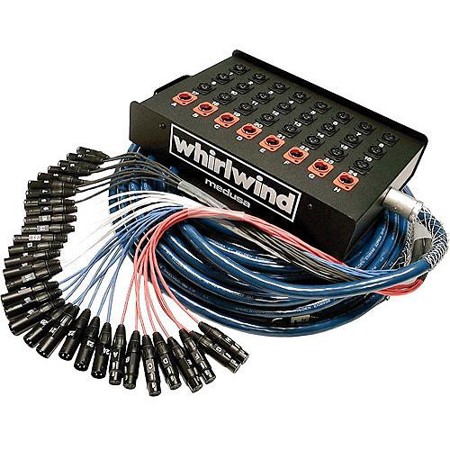
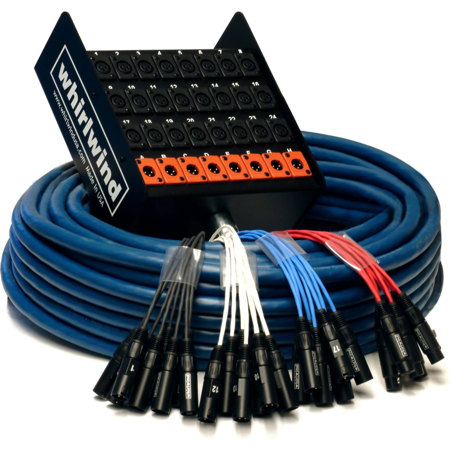
When it comes to managing complex audio and video setups—whether for live performances, studio sessions, or permanent installations—audio video snake cables are an essential piece of gear that can transform the way signals are routed and organized. These specialized cables combine multiple lines within a single, durable outer jacket, streamlining the connection process for everything from microphones and instruments to video feeds and control signals. Instead of wrestling with a tangle of individual cables stretching across the floor, a snake cable allows you to consolidate dozens of connections into one neat run, making setup and teardown faster and far less prone to error. This is particularly valuable during the busier seasons, such as summer festival circuits or the return of indoor events as the weather cools, when efficiency and reliability are paramount. For anyone who has ever had to troubleshoot a mess of cables backstage or beneath a mixing desk, the clarity and organization that a well-chosen snake cable provides can be a true lifesaver.
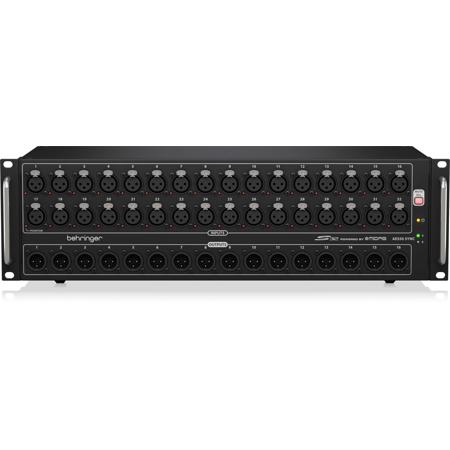
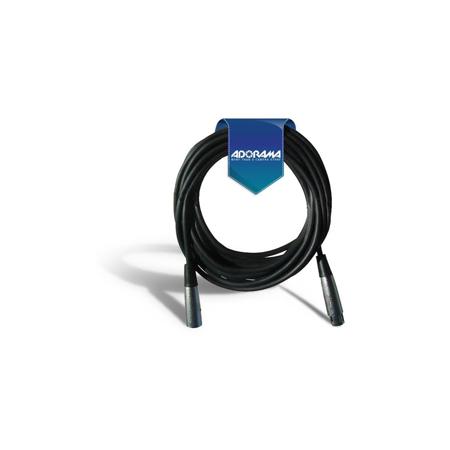
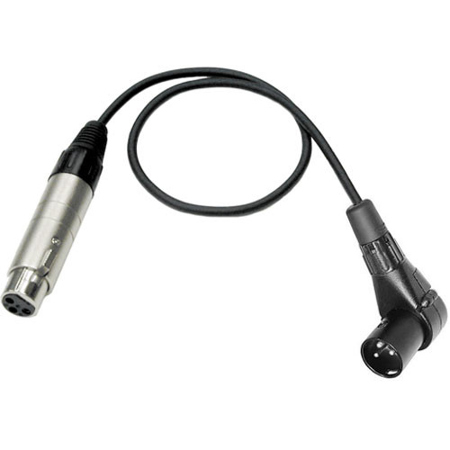
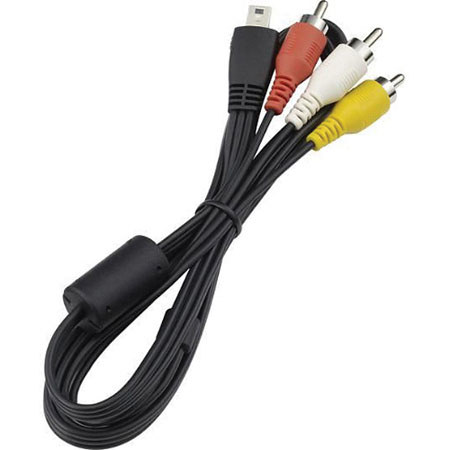
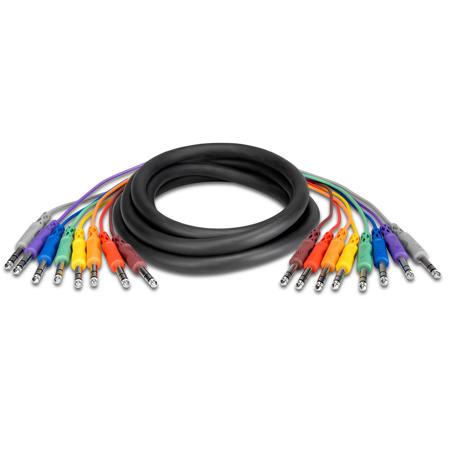
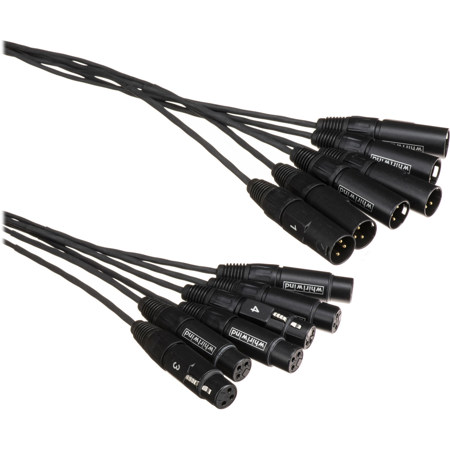
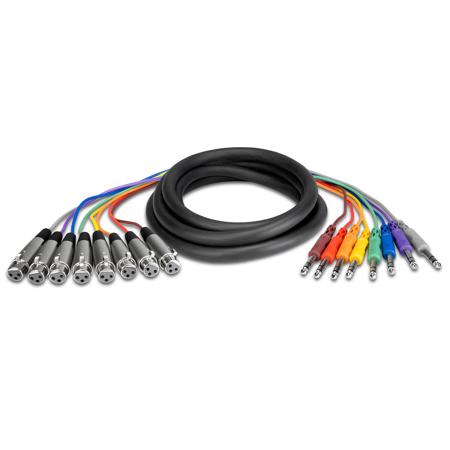
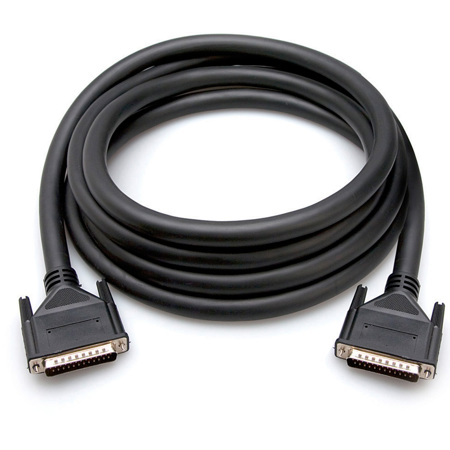
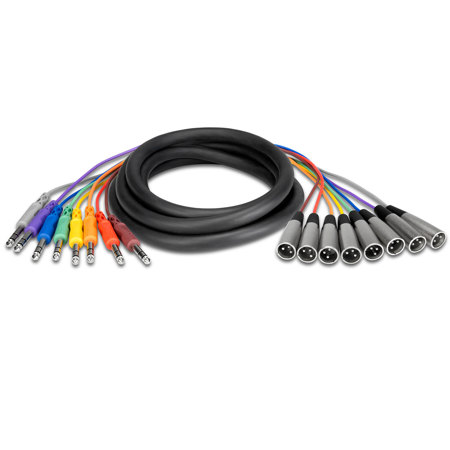
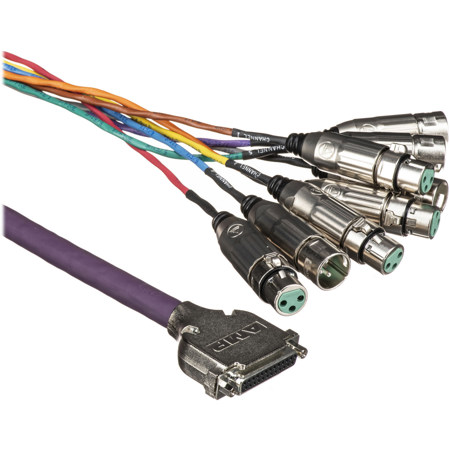
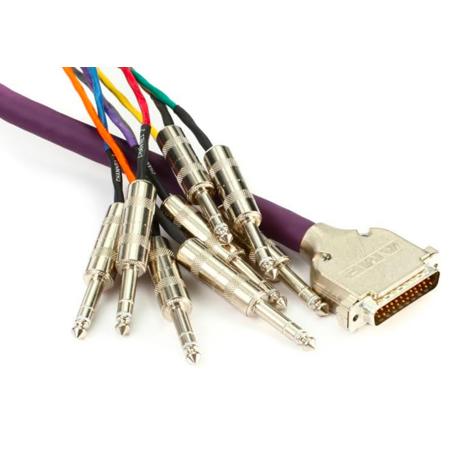
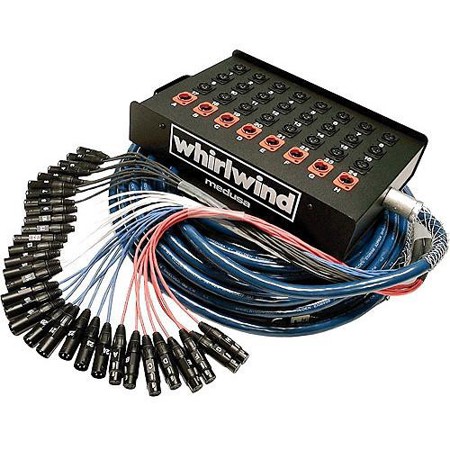
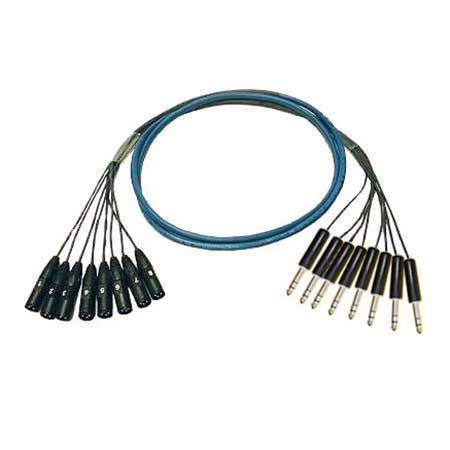
Selecting the right audio video snake cable involves considering several key factors to ensure optimal performance for your specific environment. The number of channels you need is paramount: smaller gigs or podcast studios may only require a handful of lines, while large-scale productions or houses of worship might demand snakes with 16, 24, or even more channels. Length is another critical consideration—measure the distance between your stage or source and your mixer or recording interface, and always allow extra slack for safe routing around corners or through cable troughs. Connector types must also match your gear, with common options including XLR, 1/4" TRS, and DB-25 for audio, or BNC and RCA for video. Durability should never be overlooked, especially for cables that will see heavy foot traffic, outdoor use, or frequent coiling and uncoiling; look for ruggedized jackets, reinforced fanouts, and robust strain relief to ensure longevity. For those working in digital environments, digital snake cables using Cat 5e or Cat 6 can offer pristine signal integrity over long distances with minimal bulk, making them a popular choice for modern venues and touring rigs. Meanwhile, hybrid AV snakes that carry both audio and video lines are a smart solution for multimedia setups, broadcast environments, or any situation where multiple signal types need to reach a central control point with minimal clutter.
Audio video snake cables also make thoughtful gifts for musicians, audio engineers, videographers, or anyone passionate about live sound and production. They are especially appreciated during times of year when events and gatherings are in full swing, such as the summer concert season or the return of indoor performances as autumn approaches. Gifting a quality snake cable can help a friend or loved one upgrade their workflow, reduce setup stress, and focus on the creative aspects of their craft. Whether you’re outfitting a home studio, prepping for a backyard gig, or equipping a school auditorium, investing in the right snake cable can make all the difference in signal clarity and operational efficiency. For those specifically interested in robust, reliable audio connections, explore our dedicated selection of XLR Snake Cables to find the perfect solution for your setup. With the right snake cable, you can keep your workspace tidy, your signals strong, and your productions running smoothly—no matter the season or setting.
Selecting the right audio video snake cable involves considering several key factors to ensure optimal performance for your specific environment. The number of channels you need is paramount: smaller gigs or podcast studios may only require a handful of lines, while large-scale productions or houses of worship might demand snakes with 16, 24, or even more channels. Length is another critical consideration—measure the distance between your stage or source and your mixer or recording interface, and always allow extra slack for safe routing around corners or through cable troughs. Connector types must also match your gear, with common options including XLR, 1/4" TRS, and DB-25 for audio, or BNC and RCA for video. Durability should never be overlooked, especially for cables that will see heavy foot traffic, outdoor use, or frequent coiling and uncoiling; look for ruggedized jackets, reinforced fanouts, and robust strain relief to ensure longevity. For those working in digital environments, digital snake cables using Cat 5e or Cat 6 can offer pristine signal integrity over long distances with minimal bulk, making them a popular choice for modern venues and touring rigs. Meanwhile, hybrid AV snakes that carry both audio and video lines are a smart solution for multimedia setups, broadcast environments, or any situation where multiple signal types need to reach a central control point with minimal clutter.
Audio video snake cables also make thoughtful gifts for musicians, audio engineers, videographers, or anyone passionate about live sound and production. They are especially appreciated during times of year when events and gatherings are in full swing, such as the summer concert season or the return of indoor performances as autumn approaches. Gifting a quality snake cable can help a friend or loved one upgrade their workflow, reduce setup stress, and focus on the creative aspects of their craft. Whether you’re outfitting a home studio, prepping for a backyard gig, or equipping a school auditorium, investing in the right snake cable can make all the difference in signal clarity and operational efficiency. For those specifically interested in robust, reliable audio connections, explore our dedicated selection of XLR Snake Cables to find the perfect solution for your setup. With the right snake cable, you can keep your workspace tidy, your signals strong, and your productions running smoothly—no matter the season or setting.