

XLR Snake Cables
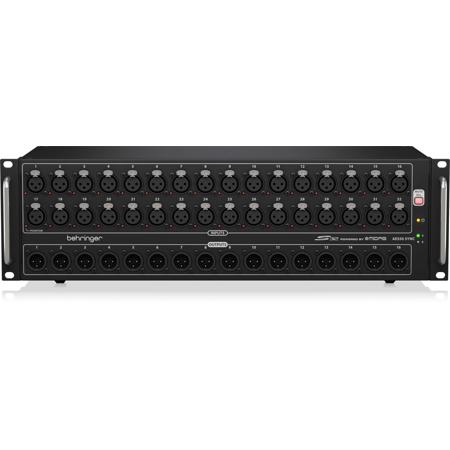
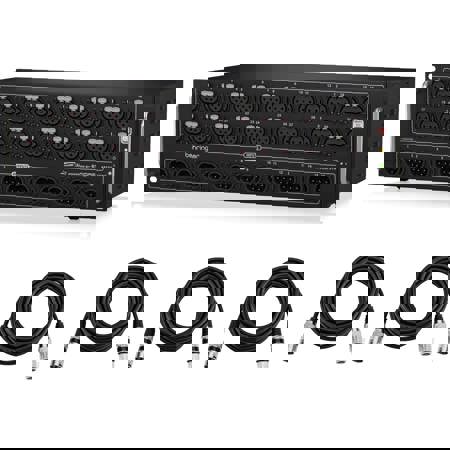
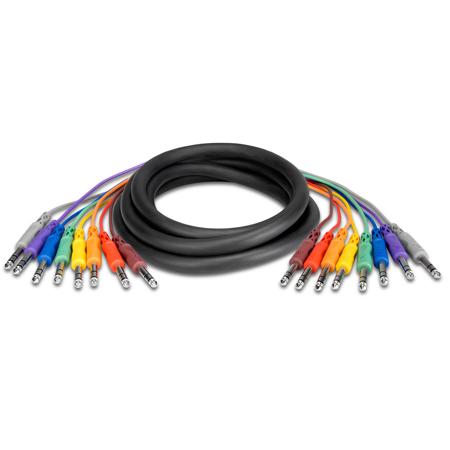
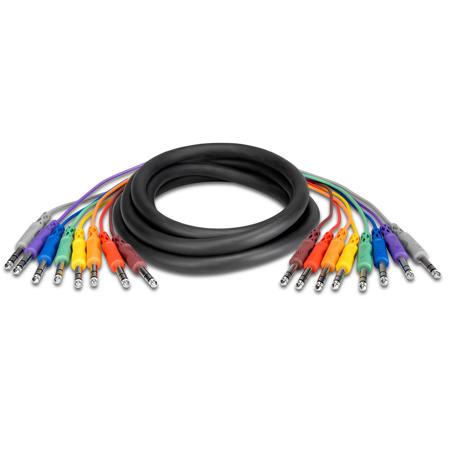
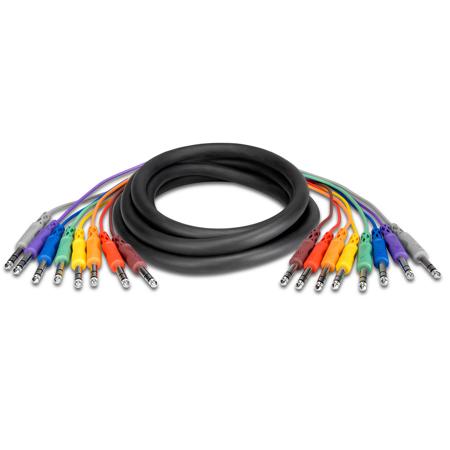
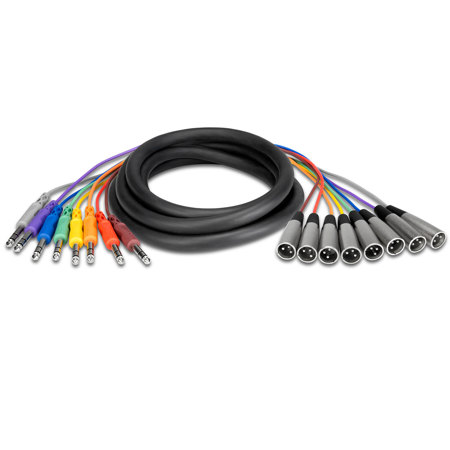
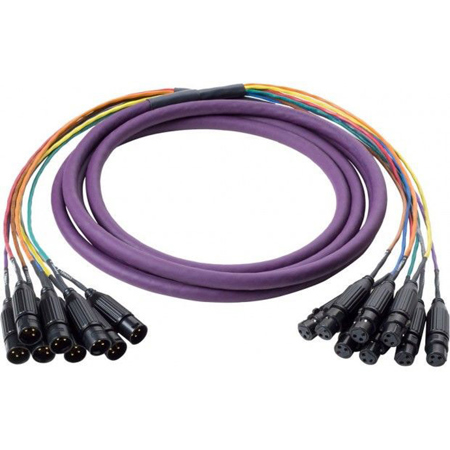
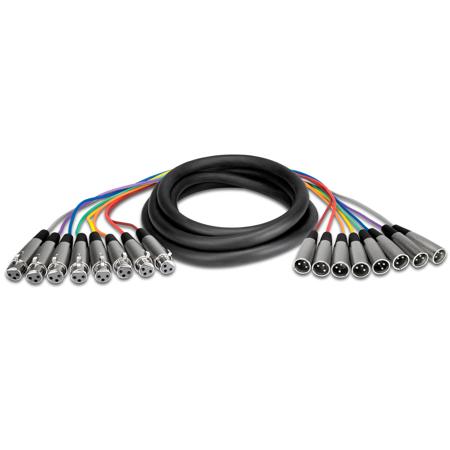
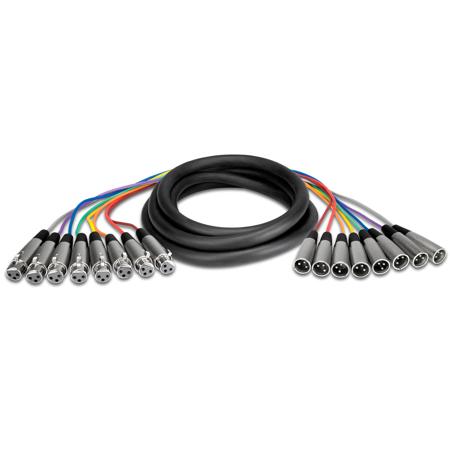
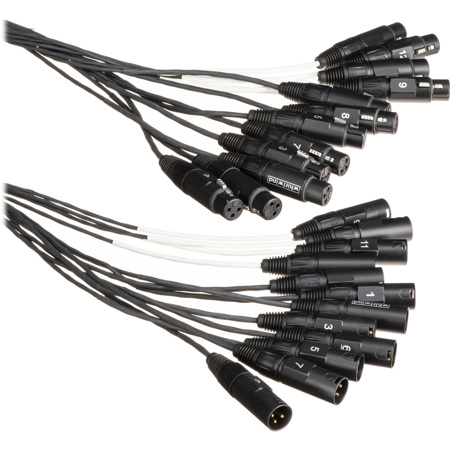
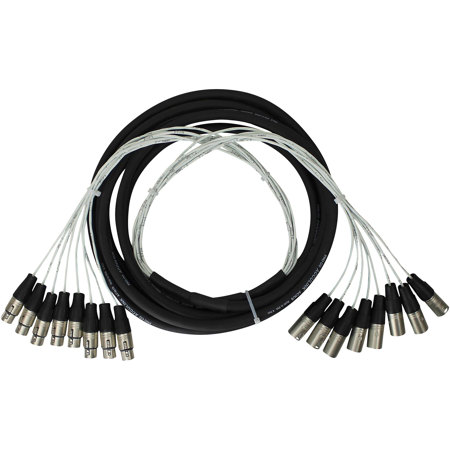
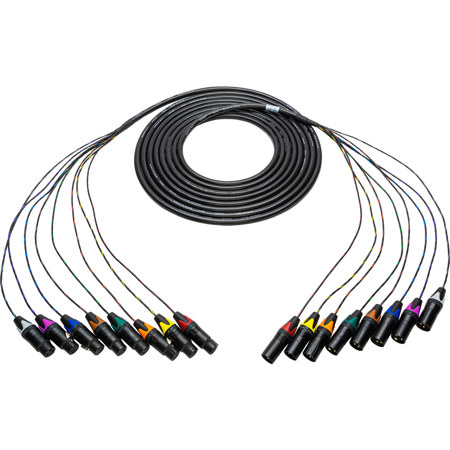
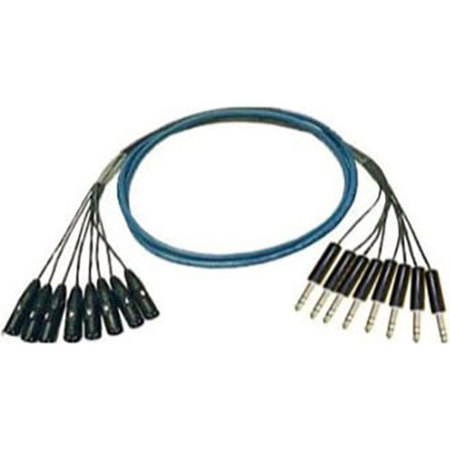
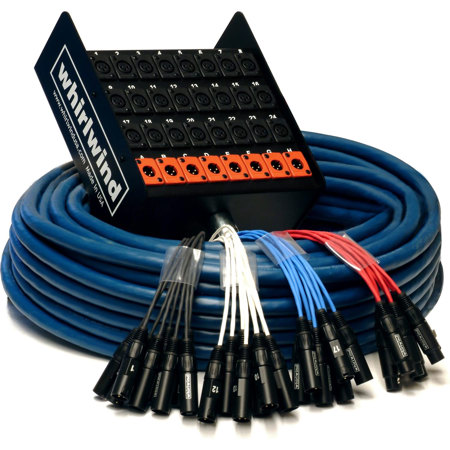
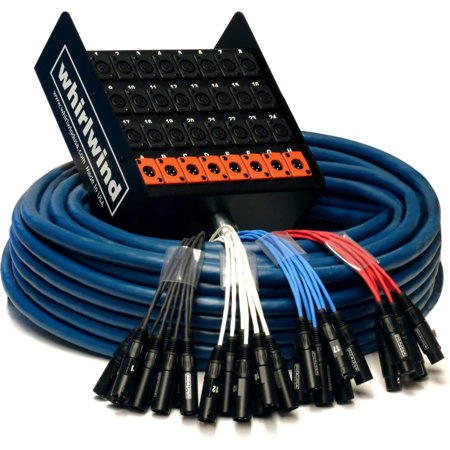
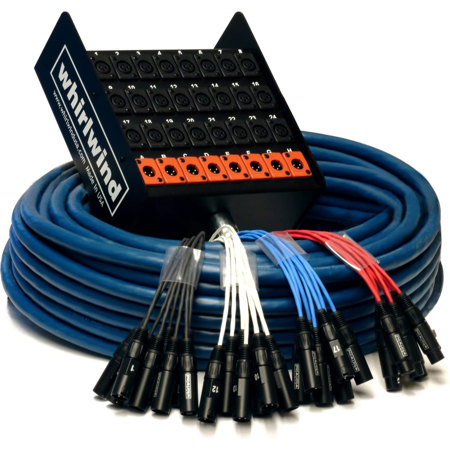
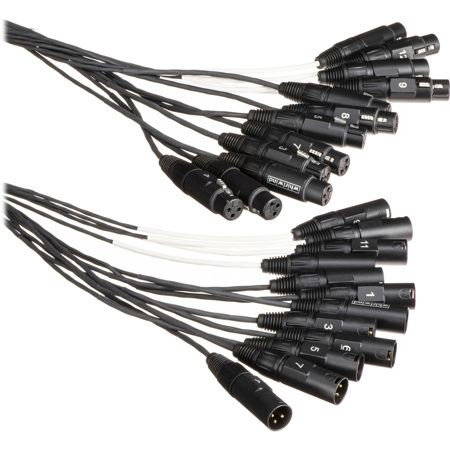
When it comes to building a reliable audio setup—whether in a bustling live music venue, a church sanctuary, a school auditorium, or a home studio—XLR snake cables are among the most essential tools for clean, organized signal routing. These multi-channel cables are designed to streamline the complex web of connections that can quickly accumulate when running sound for bands, theatrical productions, or large presentations. Instead of stringing individual XLR cables across the floor, which can create a tangle and a tripping hazard, an XLR snake cable consolidates multiple channels into a single, durable bundle. This not only keeps your workspace tidy and professional-looking but also makes setup and teardown far more efficient—a huge benefit when working events during the busy summer festival season or as you transition into the steady schedule of fall performances and school functions. Whether you’re a seasoned audio engineer, a gigging musician, or a volunteer running sound for community events, investing in the right XLR snake cable can make a world of difference in both workflow and sound quality.
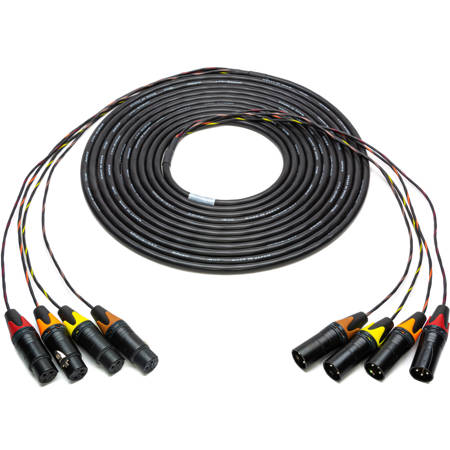
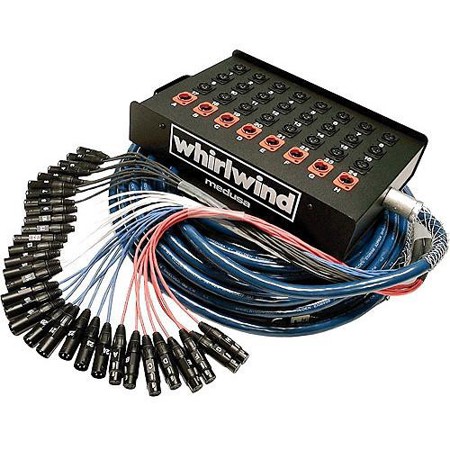
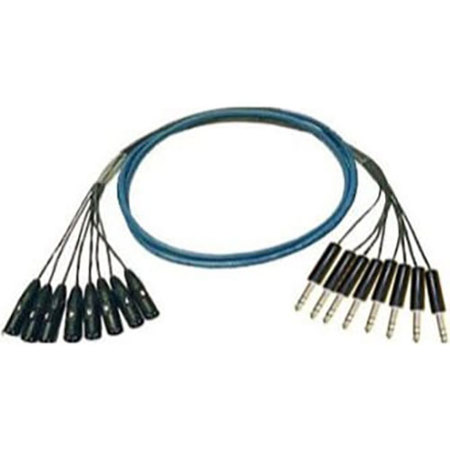
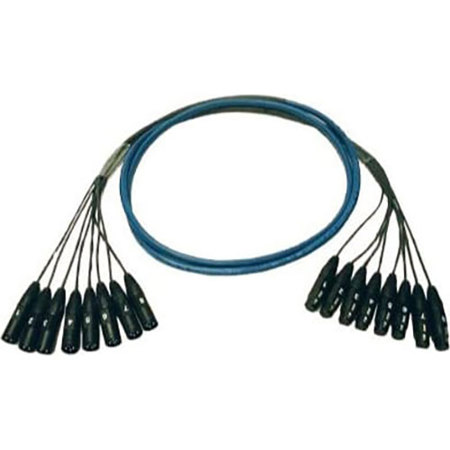
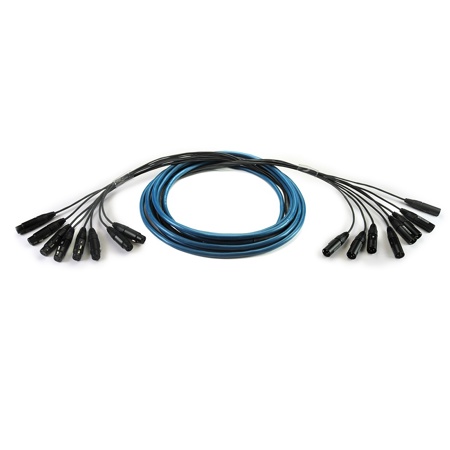
Selecting the right XLR snake cable comes down to understanding your specific needs and environment. Consider the number of channels you’ll need, which can range from compact 4-channel snakes for small acoustic setups to 24 or more channels for full bands or complex productions. Length is another key factor; you want enough reach to connect your stage to the mixing console, but not so much excess that you’re left coiling up unused cabling. Durability matters, especially if you’re hauling gear between venues or setting up outdoors where cables might be exposed to foot traffic, varying temperatures, or even the occasional summer rain shower. Look for rugged jackets, reinforced connectors, and strain relief features that can withstand the rigors of live use. For those just starting out, or for students and educators outfitting a school auditorium, XLR snake cables can also make a thoughtful and practical gift—helping aspiring audio techs or musicians develop good habits around cable management and signal integrity from day one. Seasoned professionals, on the other hand, might appreciate the efficiency gains and reliability that come with a well-chosen snake, especially during the busy months when events stack up and quick changeovers are a must.
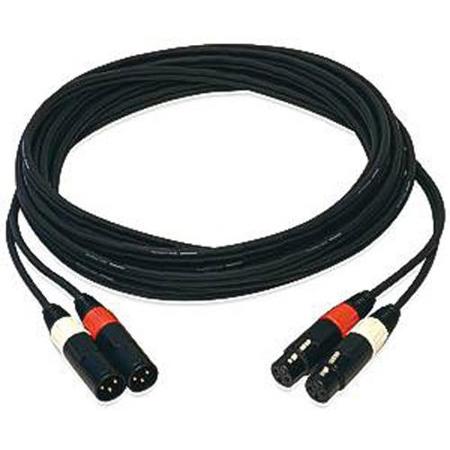
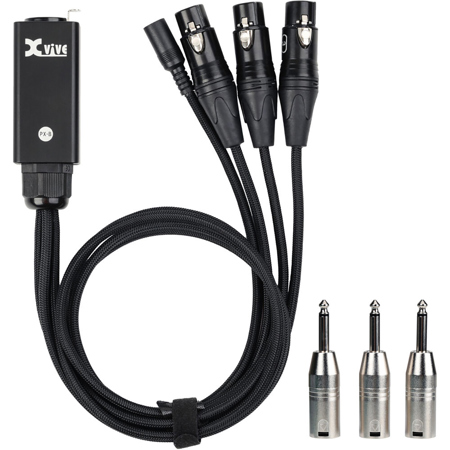
Beyond live sound, XLR snake cables find a place in recording studios, broadcast environments, and even podcasting setups—anywhere multiple microphones or instruments need to be routed cleanly to a central location. The flexibility they offer is invaluable for both permanent installations and temporary setups. If you’re expanding your audio toolkit, you may also want to explore related solutions such as XLR Stereo Cables for stereo microphone connections and other specialized routing needs. As the days shift from warm summer evenings to the crisp air of fall, the right cabling infrastructure ensures your performances, recordings, and events run smoothly—free from unwanted noise, signal dropouts, or last-minute troubleshooting. With careful consideration and the right gear, you’ll be ready to deliver clear, professional audio, whether you’re mixing a local band under the stars or capturing a school play in a cozy auditorium.
Selecting the right XLR snake cable comes down to understanding your specific needs and environment. Consider the number of channels you’ll need, which can range from compact 4-channel snakes for small acoustic setups to 24 or more channels for full bands or complex productions. Length is another key factor; you want enough reach to connect your stage to the mixing console, but not so much excess that you’re left coiling up unused cabling. Durability matters, especially if you’re hauling gear between venues or setting up outdoors where cables might be exposed to foot traffic, varying temperatures, or even the occasional summer rain shower. Look for rugged jackets, reinforced connectors, and strain relief features that can withstand the rigors of live use. For those just starting out, or for students and educators outfitting a school auditorium, XLR snake cables can also make a thoughtful and practical gift—helping aspiring audio techs or musicians develop good habits around cable management and signal integrity from day one. Seasoned professionals, on the other hand, might appreciate the efficiency gains and reliability that come with a well-chosen snake, especially during the busy months when events stack up and quick changeovers are a must.
Beyond live sound, XLR snake cables find a place in recording studios, broadcast environments, and even podcasting setups—anywhere multiple microphones or instruments need to be routed cleanly to a central location. The flexibility they offer is invaluable for both permanent installations and temporary setups. If you’re expanding your audio toolkit, you may also want to explore related solutions such as XLR Stereo Cables for stereo microphone connections and other specialized routing needs. As the days shift from warm summer evenings to the crisp air of fall, the right cabling infrastructure ensures your performances, recordings, and events run smoothly—free from unwanted noise, signal dropouts, or last-minute troubleshooting. With careful consideration and the right gear, you’ll be ready to deliver clear, professional audio, whether you’re mixing a local band under the stars or capturing a school play in a cozy auditorium.