XLR Stereo Cables
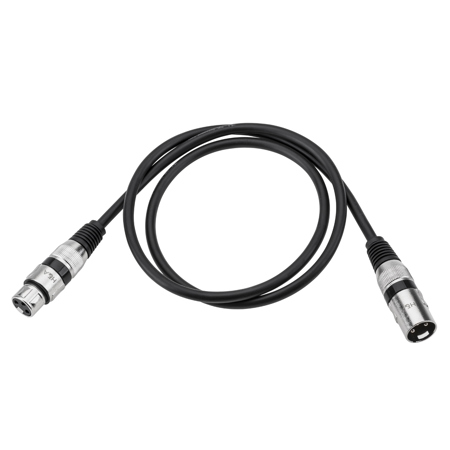
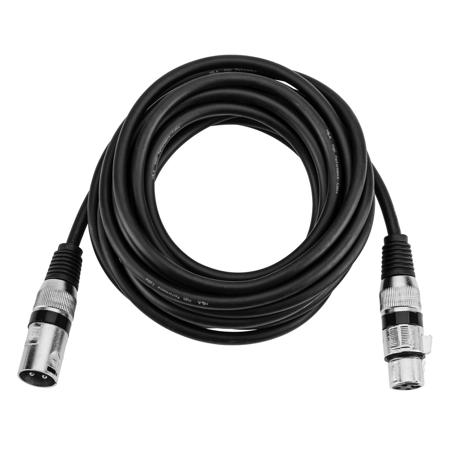
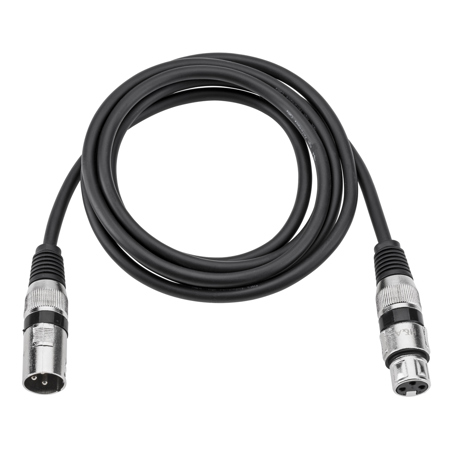
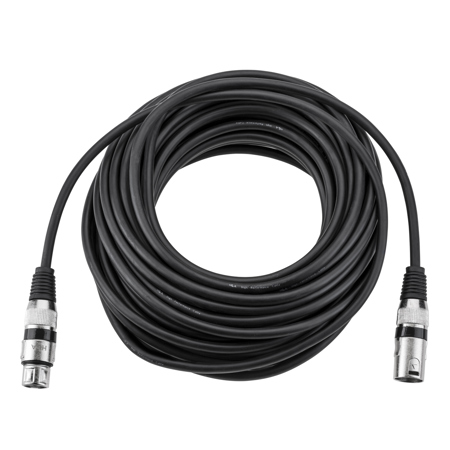
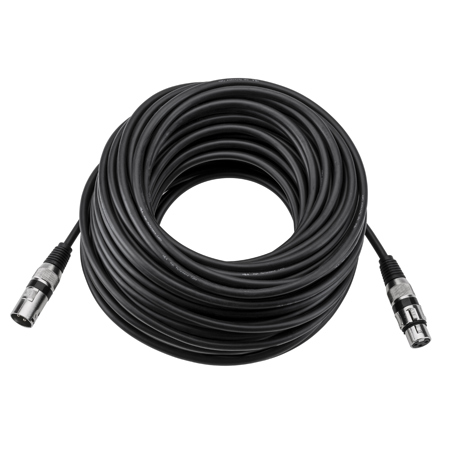
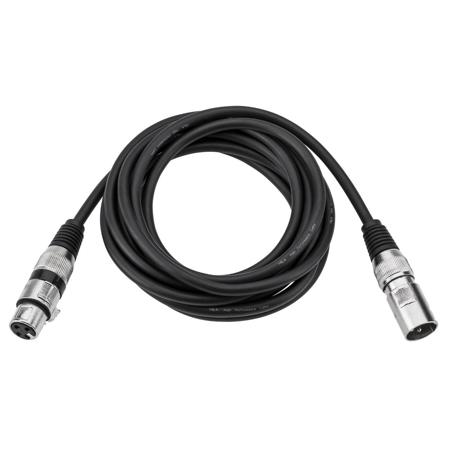
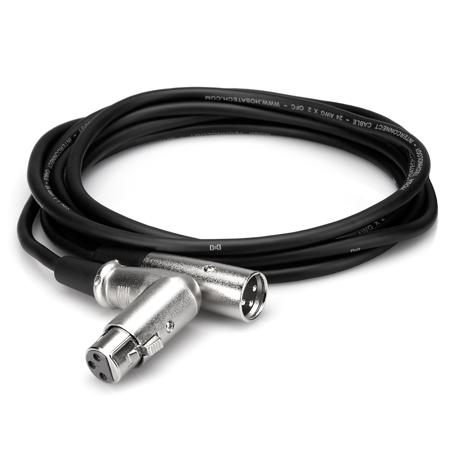
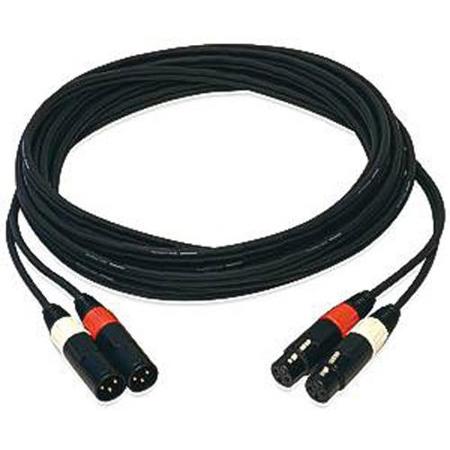
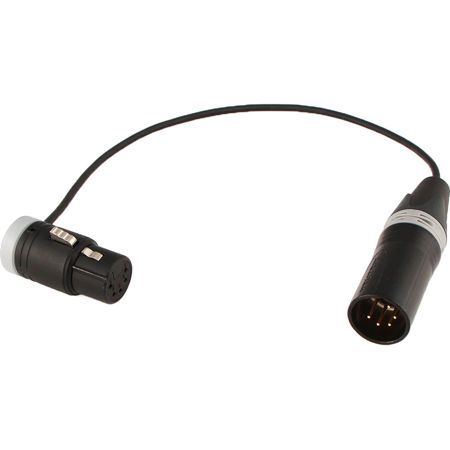
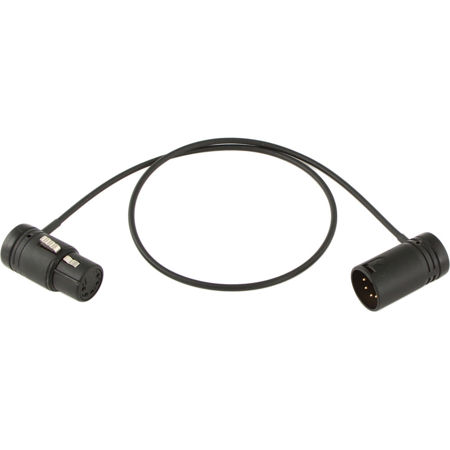
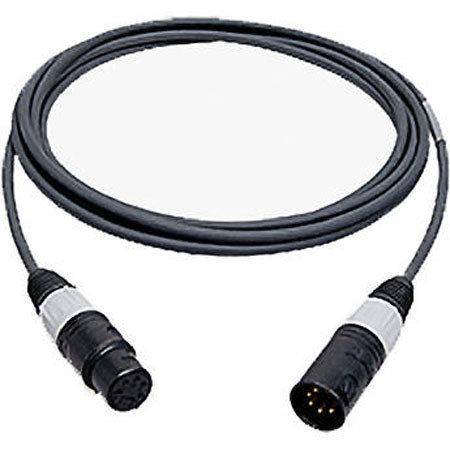
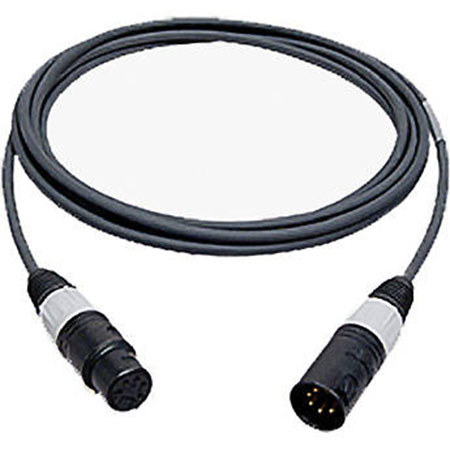
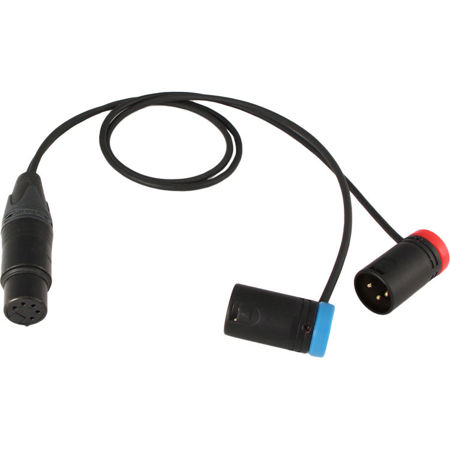
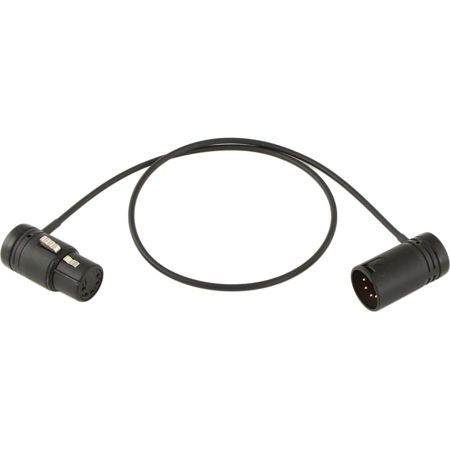
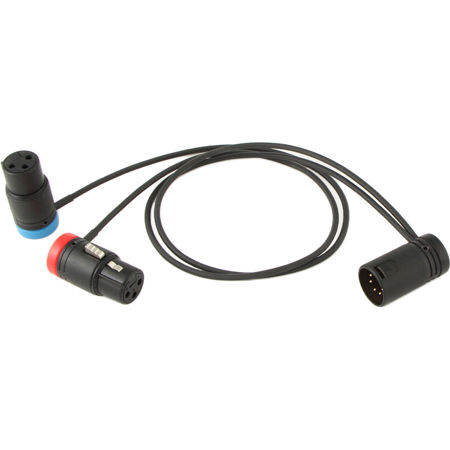
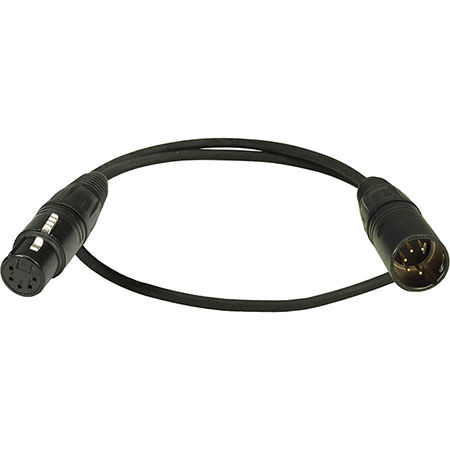
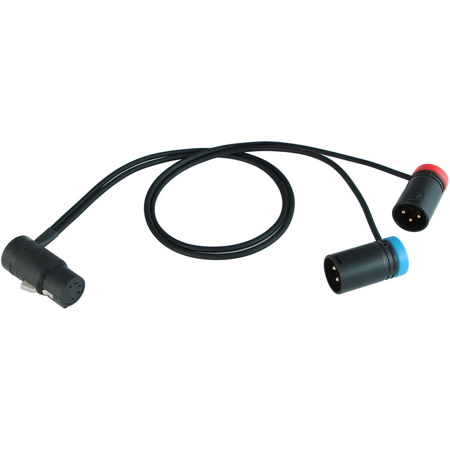
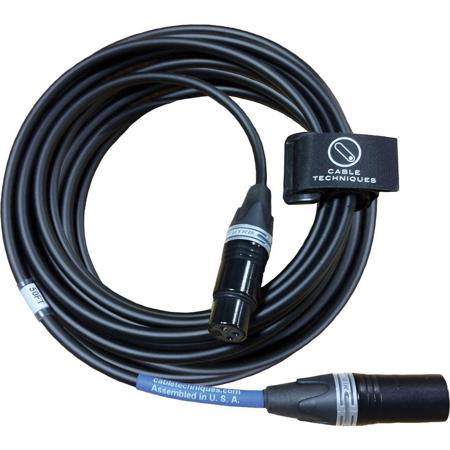
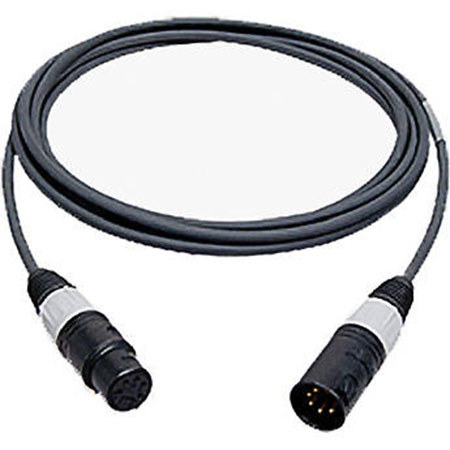
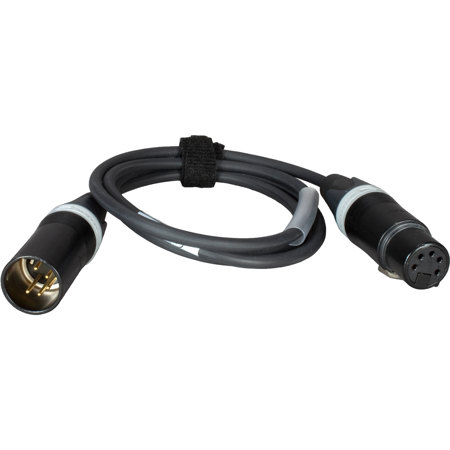
When building a professional audio setup, XLR stereo cables play a vital role in ensuring clear, reliable sound transmission between devices. These cables are designed for both studio and live environments, where maintaining audio fidelity and minimizing interference is crucial. While standard 3-pin XLR cables traditionally carry a balanced mono signal, audio engineers and enthusiasts often encounter situations where stereo transmission is required. For true balanced stereo signals, 5-pin XLR cables are the professional standard, commonly used with stereo microphones in broadcast and high-end recording applications. However, there are also specialty cables and adapters—such as XLR to 1/4" TRS or XLR to 3.5mm stereo mini—that allow for flexible connections between professional microphones, mixing boards, audio interfaces, and consumer devices like cameras or portable recorders. Understanding the difference between these configurations helps ensure that your gear is compatible and that you preserve the integrity of your audio signal, whether you’re capturing the subtle nuances of a summer outdoor concert or recording crisp dialogue for a podcast as the days grow cooler.
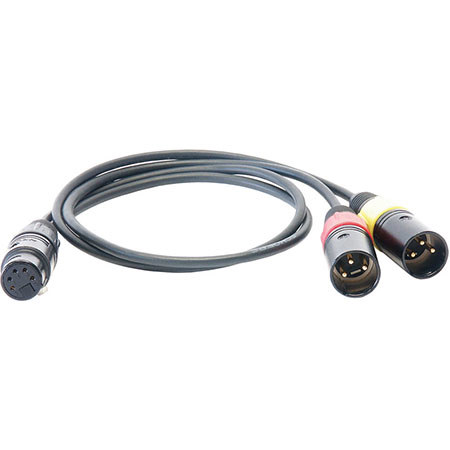
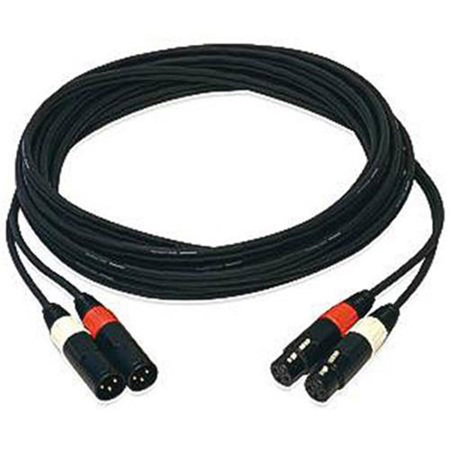
Selecting the right XLR stereo cable involves considering the specific requirements of your setup. Studio professionals, musicians, podcasters, and videographers all benefit from the balanced design of XLR connections, which helps reject noise and interference—especially important in environments with lots of electronic equipment or long cable runs. For those working with stereo microphones or requiring stereo playback through studio monitors, using the correct cable—whether it’s a dual XLR, a 5-pin XLR, or an XLR to TRS adapter—ensures that both the left and right channels are transmitted cleanly, without introducing unwanted hum or crosstalk. These cables also make thoughtful gifts for audio students, home studio enthusiasts, or anyone upgrading their creative workspace, particularly during seasons when inspiration strikes and projects ramp up. With the right XLR stereo cable, setting up for a backyard performance, capturing field recordings in the warmth of late summer, or fine-tuning a home studio as the evenings grow longer becomes a seamless, frustration-free experience.
For those interested in optimizing their studio monitor connections, specialized XLR cables are available to meet the demands of high-quality playback and mixing. Investing in robust, well-shielded cables not only supports pristine audio but also adds longevity to your equipment, making them a practical addition to any audio toolkit. If your setup involves connecting studio monitors or you’re looking for more information on the best cables for this purpose, explore our comprehensive guide at Xlr Cables For Studio Monitors. Whether you’re outfitting a professional studio, upgrading a home rig, or selecting a gift for a budding audio engineer, the right XLR stereo cable is a foundational piece of gear that ensures every detail of your sound is delivered exactly as intended.
Selecting the right XLR stereo cable involves considering the specific requirements of your setup. Studio professionals, musicians, podcasters, and videographers all benefit from the balanced design of XLR connections, which helps reject noise and interference—especially important in environments with lots of electronic equipment or long cable runs. For those working with stereo microphones or requiring stereo playback through studio monitors, using the correct cable—whether it’s a dual XLR, a 5-pin XLR, or an XLR to TRS adapter—ensures that both the left and right channels are transmitted cleanly, without introducing unwanted hum or crosstalk. These cables also make thoughtful gifts for audio students, home studio enthusiasts, or anyone upgrading their creative workspace, particularly during seasons when inspiration strikes and projects ramp up. With the right XLR stereo cable, setting up for a backyard performance, capturing field recordings in the warmth of late summer, or fine-tuning a home studio as the evenings grow longer becomes a seamless, frustration-free experience.
For those interested in optimizing their studio monitor connections, specialized XLR cables are available to meet the demands of high-quality playback and mixing. Investing in robust, well-shielded cables not only supports pristine audio but also adds longevity to your equipment, making them a practical addition to any audio toolkit. If your setup involves connecting studio monitors or you’re looking for more information on the best cables for this purpose, explore our comprehensive guide at Xlr Cables For Studio Monitors. Whether you’re outfitting a professional studio, upgrading a home rig, or selecting a gift for a budding audio engineer, the right XLR stereo cable is a foundational piece of gear that ensures every detail of your sound is delivered exactly as intended.