Xlr Cables For Studio Monitors
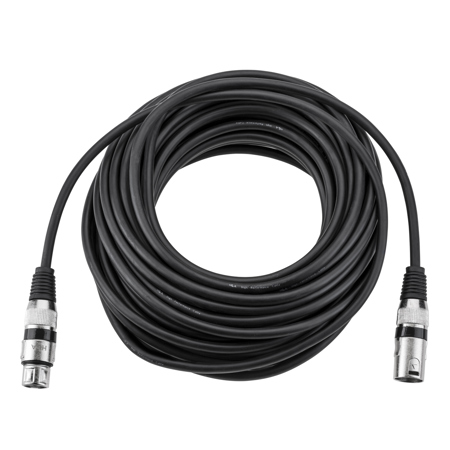
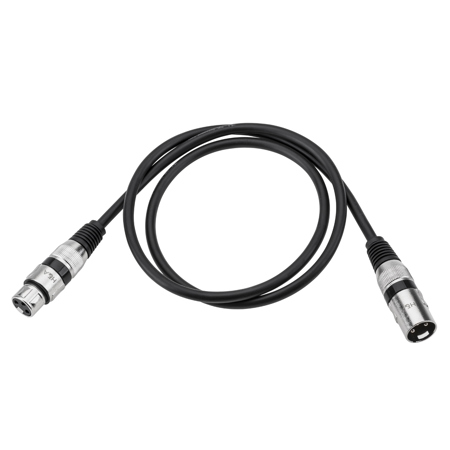
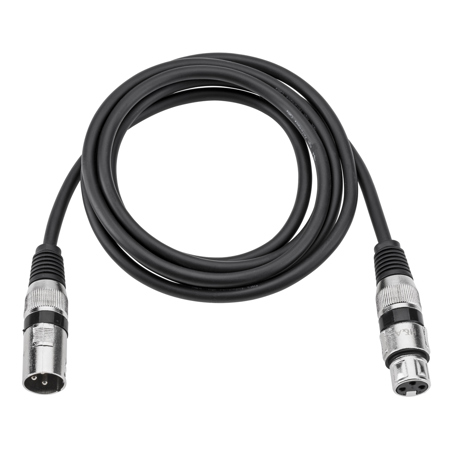
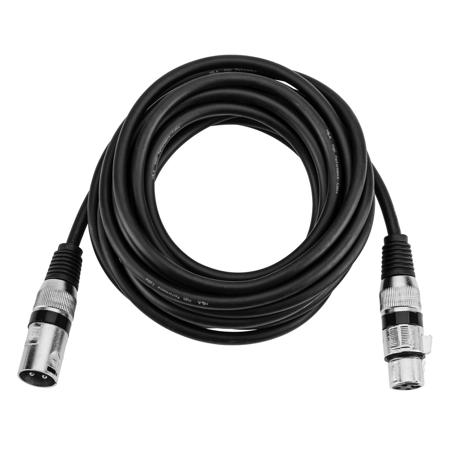
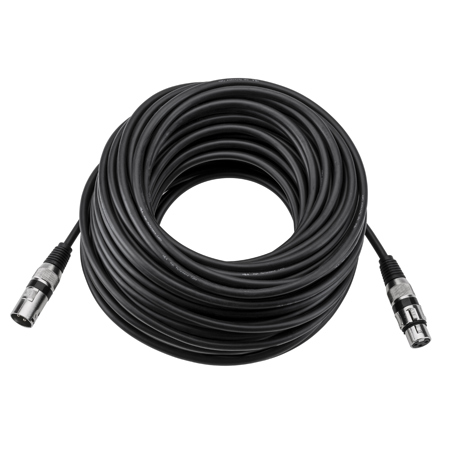
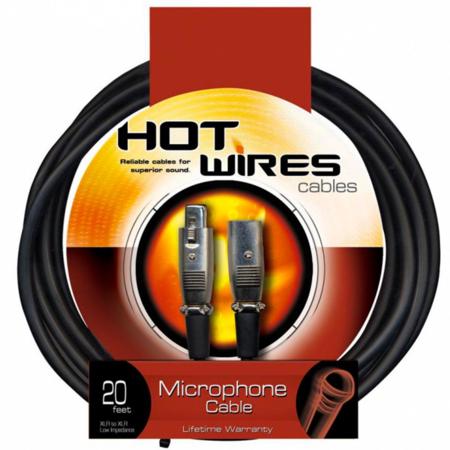
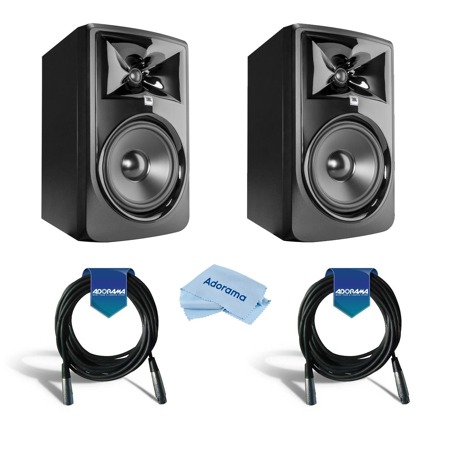
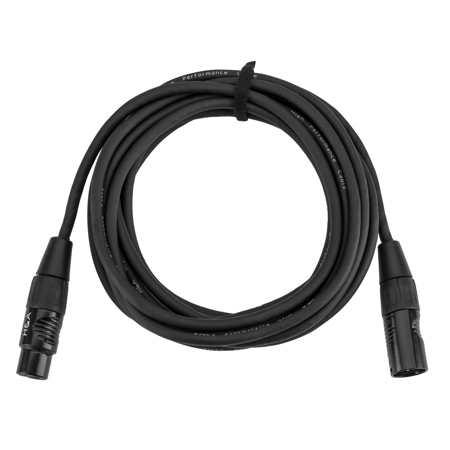
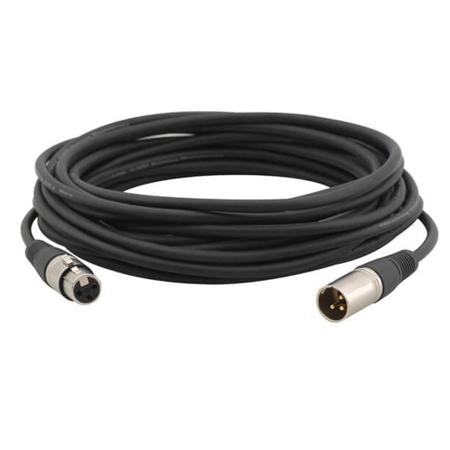
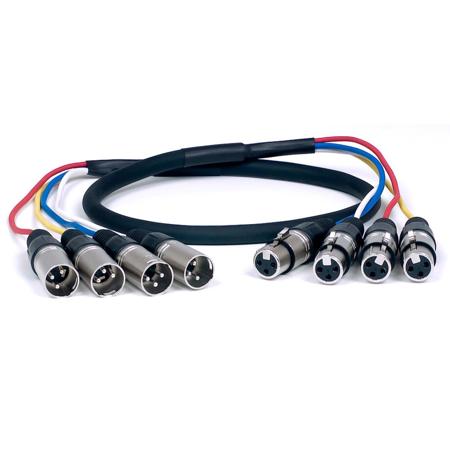
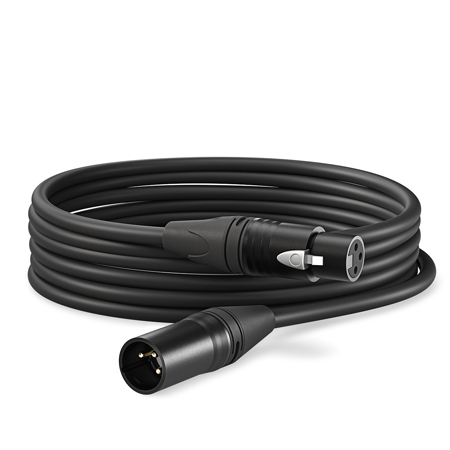
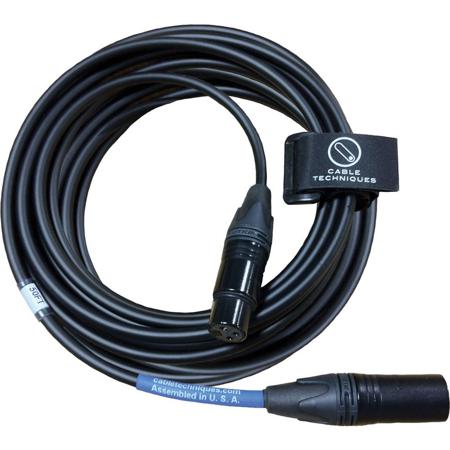
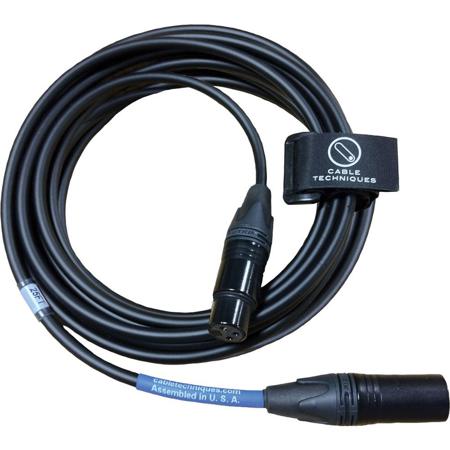
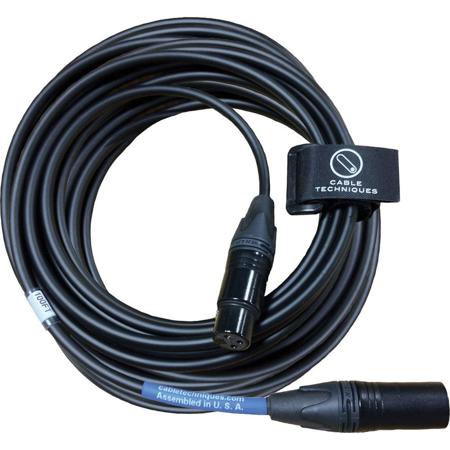
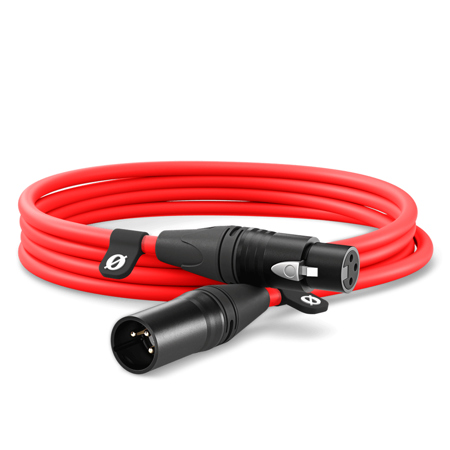
When it comes to setting up a professional or home studio, the choice of XLR cables for studio monitors is a critical detail that often separates a good listening environment from a truly great one. Balanced XLR cables are the go-to solution for connecting your audio interface, mixer, or other studio equipment to powered monitors, ensuring pristine signal transfer with minimal noise. Especially during the winter months, when studios are humming with new projects and creative energy, reliable cables become the backbone of every session—eliminating the buzz and hum that can creep in from electrical interference. Whether you’re a seasoned audio engineer fine-tuning a mix in a commercial studio or a passionate musician setting up a home recording space, investing in the best XLR cable for studio monitors pays off in clarity, detail, and consistency. The right cable will feature robust internal shielding—often braided copper—to guard against radio frequency and electromagnetic interference, so every nuance of your sound is preserved from source to speaker.
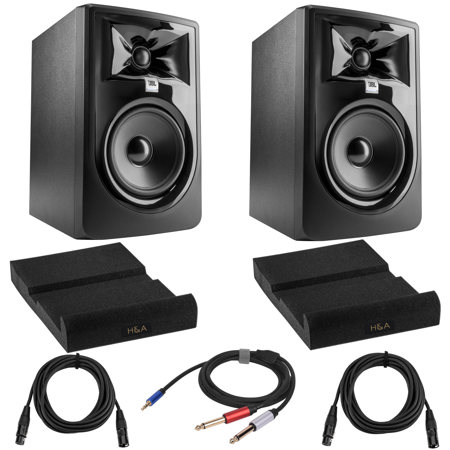
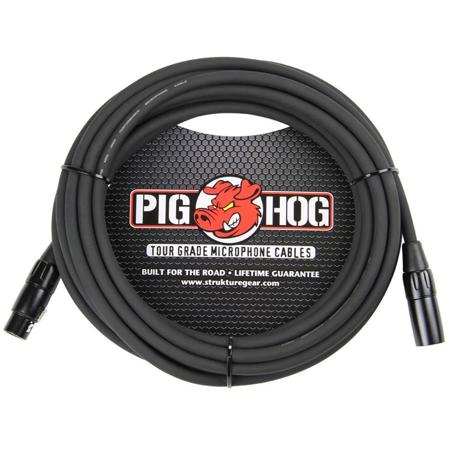
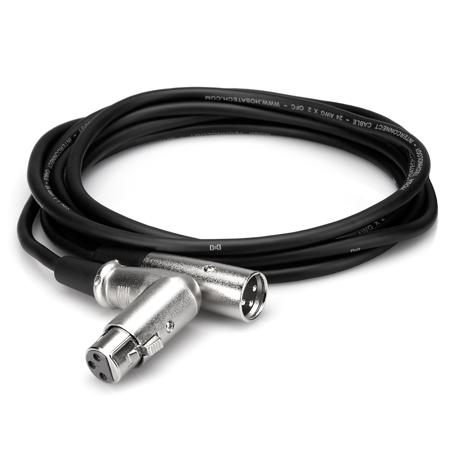
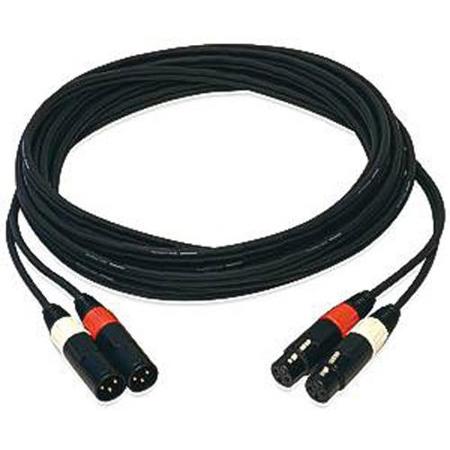
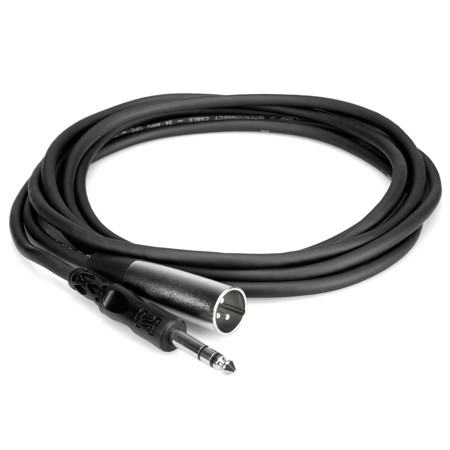
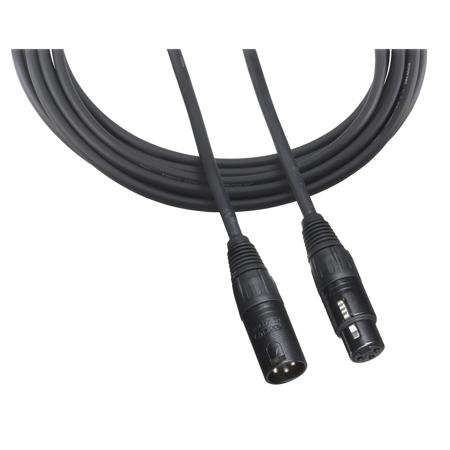
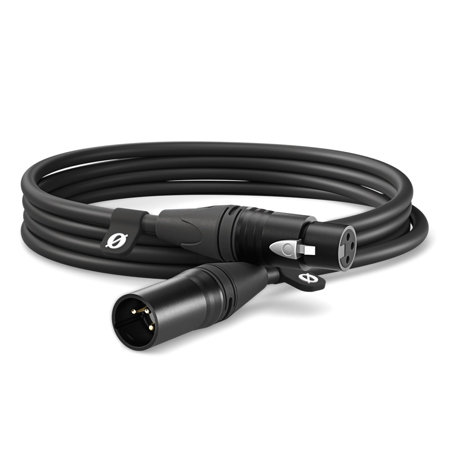
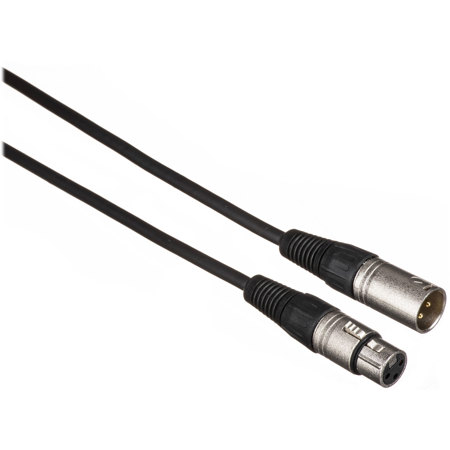
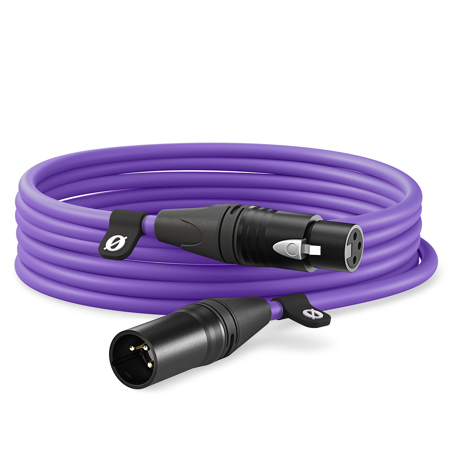
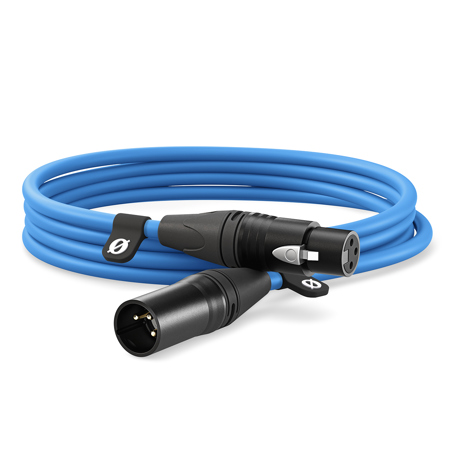
Selecting the ideal XLR cable for your studio monitors involves more than just picking the correct connectors. Begin by checking the ports on your monitors and audio interface; most powered monitors accept XLR or 1/4" TRS inputs, and many modern interfaces provide balanced 1/4" TRS outputs. For most setups, a 1/4" TRS to XLR Male cable is the preferred choice, but XLR Male to XLR Male cables are common when connecting devices that both feature XLR ports. The balanced design of these cables is crucial for noise rejection, especially if your monitors are positioned some distance from your interface or mixer. This is particularly important in busy studio environments or home setups where cables may run near power supplies or other electronics. Look for cables with high-quality connectors—such as those from industry leaders known for durability—and features like nylon braiding, which adds longevity and resists tangling. A well-made cable not only delivers clear, detailed audio but also stands up to the rigors of daily use, whether you’re rearranging your setup for a new project or packing up gear for a remote session.
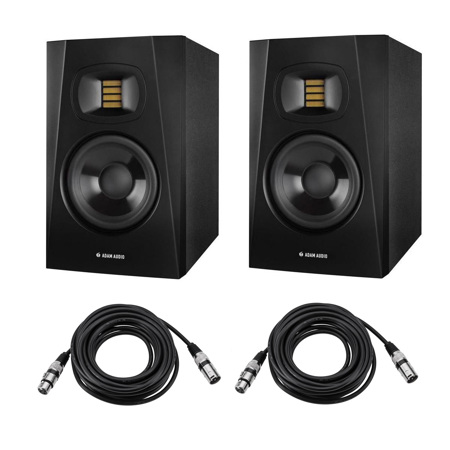
XLR cables for studio monitors are a thoughtful gift for anyone passionate about music production, podcasting, or content creation. They’re an essential upgrade for students setting up their first dorm studio, hobbyists refining their home workspace, or professionals looking to replace aging gear. A new set of balanced cables can be the finishing touch that inspires confidence in every playback, letting creators focus on their craft rather than troubleshooting signal issues. As the new year unfolds and creative projects take shape, ensuring your studio is equipped with reliable, high-performing cables is a simple way to elevate your audio experience. For those looking to explore more about monitor options and how they integrate with pro audio setups, visit our dedicated XLR Monitors page for further inspiration and guidance.
Selecting the ideal XLR cable for your studio monitors involves more than just picking the correct connectors. Begin by checking the ports on your monitors and audio interface; most powered monitors accept XLR or 1/4" TRS inputs, and many modern interfaces provide balanced 1/4" TRS outputs. For most setups, a 1/4" TRS to XLR Male cable is the preferred choice, but XLR Male to XLR Male cables are common when connecting devices that both feature XLR ports. The balanced design of these cables is crucial for noise rejection, especially if your monitors are positioned some distance from your interface or mixer. This is particularly important in busy studio environments or home setups where cables may run near power supplies or other electronics. Look for cables with high-quality connectors—such as those from industry leaders known for durability—and features like nylon braiding, which adds longevity and resists tangling. A well-made cable not only delivers clear, detailed audio but also stands up to the rigors of daily use, whether you’re rearranging your setup for a new project or packing up gear for a remote session.
XLR cables for studio monitors are a thoughtful gift for anyone passionate about music production, podcasting, or content creation. They’re an essential upgrade for students setting up their first dorm studio, hobbyists refining their home workspace, or professionals looking to replace aging gear. A new set of balanced cables can be the finishing touch that inspires confidence in every playback, letting creators focus on their craft rather than troubleshooting signal issues. As the new year unfolds and creative projects take shape, ensuring your studio is equipped with reliable, high-performing cables is a simple way to elevate your audio experience. For those looking to explore more about monitor options and how they integrate with pro audio setups, visit our dedicated XLR Monitors page for further inspiration and guidance.