Xlr Monitors
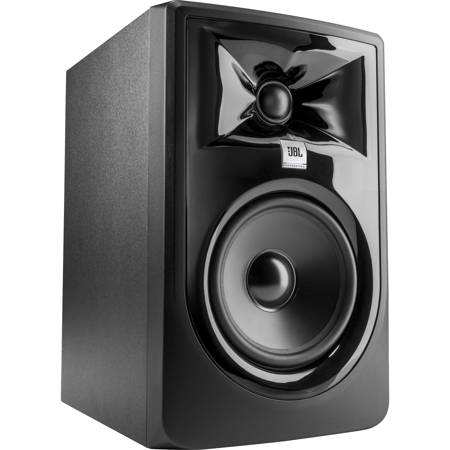
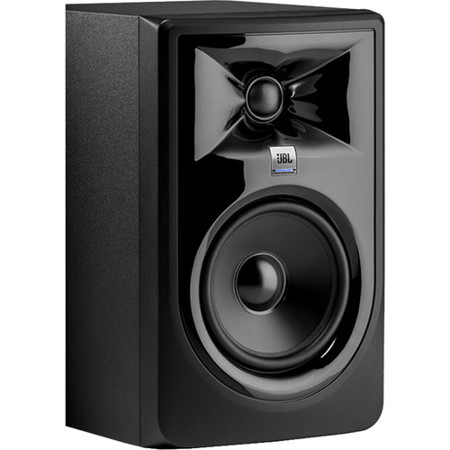
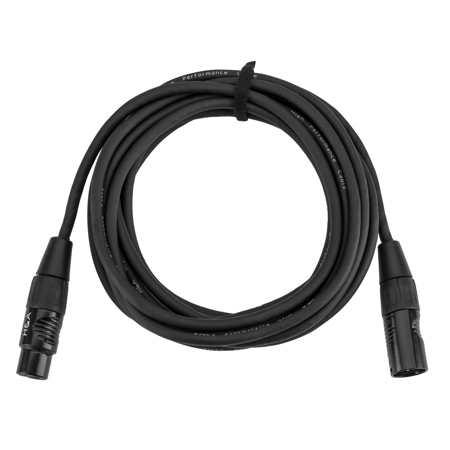
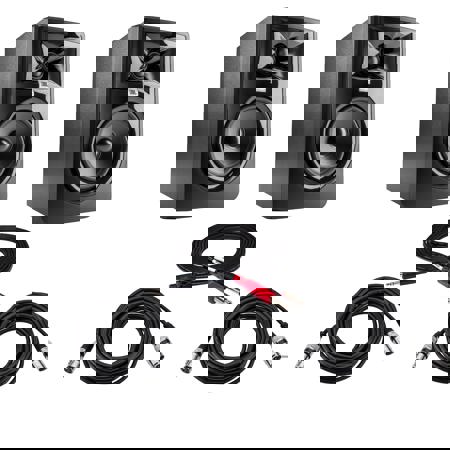
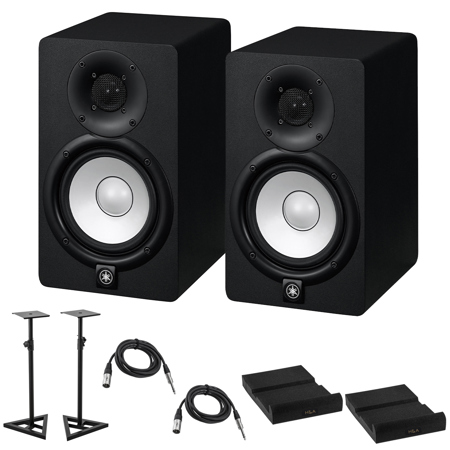
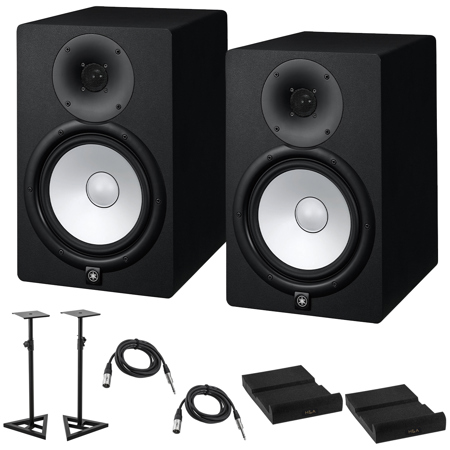
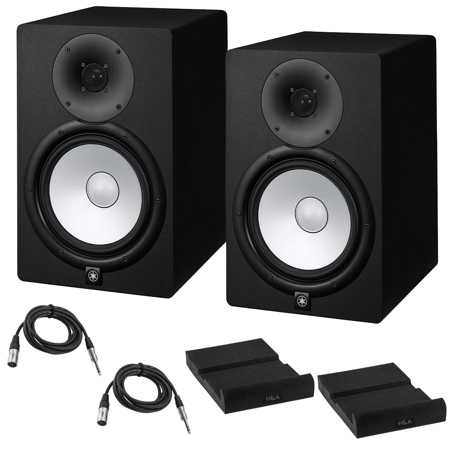
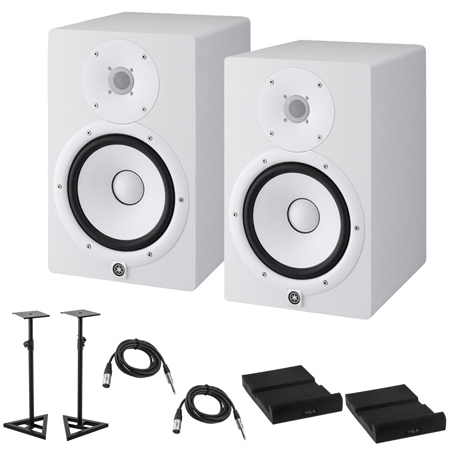
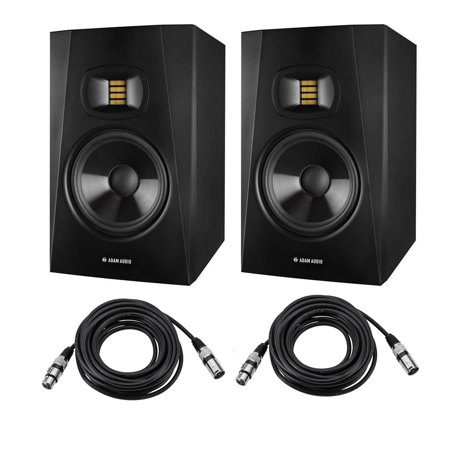
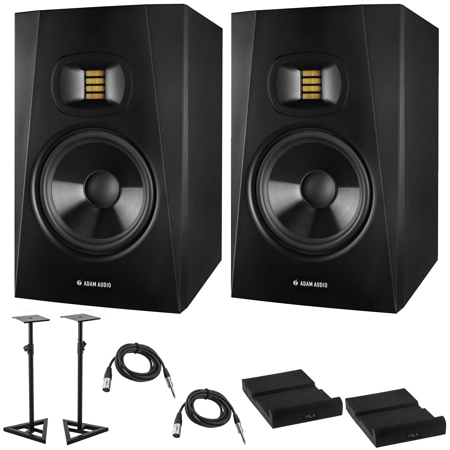
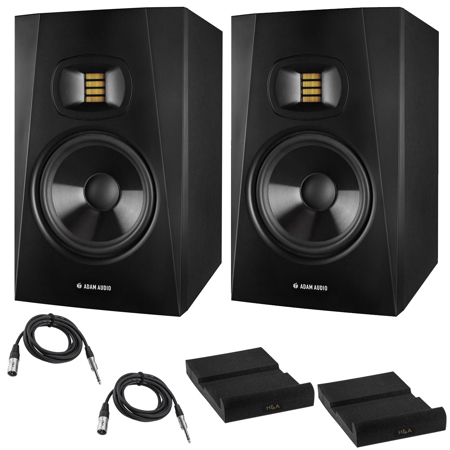
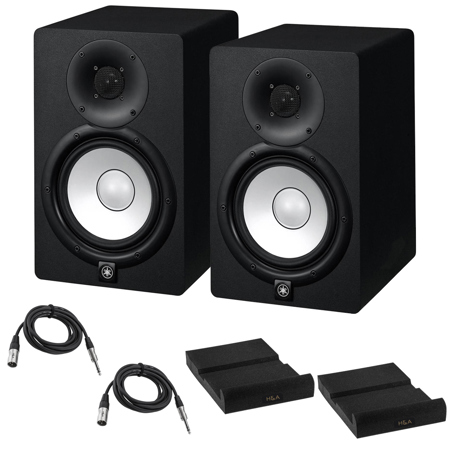
For audio professionals, musicians, and content creators, the right set of studio monitors is essential for crafting mixes that translate well across all listening environments. XLR monitors, which feature balanced XLR connectors, have become the standard in professional studios thanks to their ability to deliver clean, interference-free audio signals. These three-pin connectors are engineered for balanced audio transmission, minimizing noise and preserving the integrity of your sound—even when running cables over longer distances. This makes XLR monitors a reliable choice for both home studios and commercial recording spaces, where clarity and accuracy are paramount. Whether you're tracking vocals in a sunlit room as the weather warms or mixing down a project during the cooler months, the consistency offered by studio monitors XLR ensures that every nuance of your music or podcast reaches your ears uncolored and true to the source.
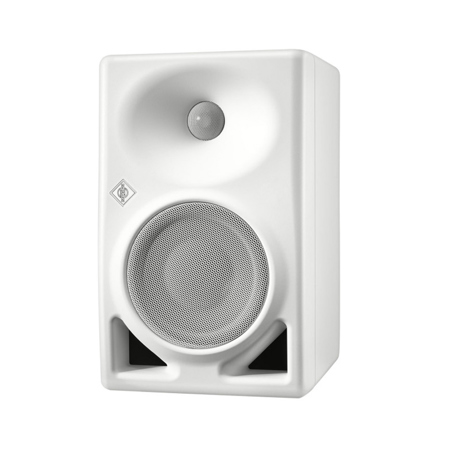
Choosing the right XLR monitors involves considering your workspace, the type of audio work you do, and your connectivity needs. For engineers and producers who rely on precise sound reproduction, the flat frequency response of these monitors reveals the smallest details in a mix—helping you make informed decisions during recording, mixing, and mastering sessions. Balanced XLR inputs are especially important for setups that include professional audio interfaces, mixers, or outboard gear, as they maintain signal integrity and reduce the risk of hum or interference from other electronics in your studio. Even if you’re just starting out, investing in XLR monitors can elevate your creative process, offering a more accurate listening experience than traditional consumer speakers. For those passionate about audio, gifting a set of high-quality monitors—perhaps as a graduation surprise for an aspiring producer or a thoughtful present for a musician setting up a new studio—can be a meaningful gesture that supports their artistic journey. Some listeners develop a deep appreciation for the subtle differences between various monitor designs, from the crisp detail of neumann monitors to the robust presence of larger, room-filling models. No matter your preference, XLR-equipped monitors provide a professional foundation for any audio project.
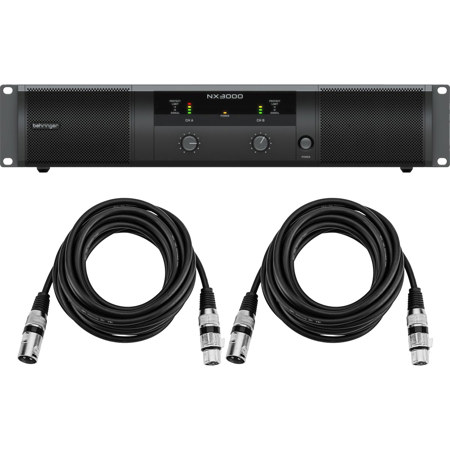
As you build or upgrade your studio, remember that your monitoring system is only as strong as its weakest link. Pairing your monitors with compatible equipment, like professional-grade cables and interfaces, further enhances your setup. If you need to drive passive monitors or require more power for larger spaces, consider exploring XLR Amplifiers to ensure optimal performance and headroom. Whether you’re fine-tuning a summer album release, editing dialogue for a film, or simply enjoying high-fidelity playback during a quiet evening, XLR monitors offer the reliability and precision that serious audio work demands. Their versatility makes them suitable for a range of applications—from music production and sound design to gaming and home theater—making them a smart investment for anyone who values accurate sound.
Choosing the right XLR monitors involves considering your workspace, the type of audio work you do, and your connectivity needs. For engineers and producers who rely on precise sound reproduction, the flat frequency response of these monitors reveals the smallest details in a mix—helping you make informed decisions during recording, mixing, and mastering sessions. Balanced XLR inputs are especially important for setups that include professional audio interfaces, mixers, or outboard gear, as they maintain signal integrity and reduce the risk of hum or interference from other electronics in your studio. Even if you’re just starting out, investing in XLR monitors can elevate your creative process, offering a more accurate listening experience than traditional consumer speakers. For those passionate about audio, gifting a set of high-quality monitors—perhaps as a graduation surprise for an aspiring producer or a thoughtful present for a musician setting up a new studio—can be a meaningful gesture that supports their artistic journey. Some listeners develop a deep appreciation for the subtle differences between various monitor designs, from the crisp detail of neumann monitors to the robust presence of larger, room-filling models. No matter your preference, XLR-equipped monitors provide a professional foundation for any audio project.
As you build or upgrade your studio, remember that your monitoring system is only as strong as its weakest link. Pairing your monitors with compatible equipment, like professional-grade cables and interfaces, further enhances your setup. If you need to drive passive monitors or require more power for larger spaces, consider exploring XLR Amplifiers to ensure optimal performance and headroom. Whether you’re fine-tuning a summer album release, editing dialogue for a film, or simply enjoying high-fidelity playback during a quiet evening, XLR monitors offer the reliability and precision that serious audio work demands. Their versatility makes them suitable for a range of applications—from music production and sound design to gaming and home theater—making them a smart investment for anyone who values accurate sound.