
Balanced Cables For Studio Monitors
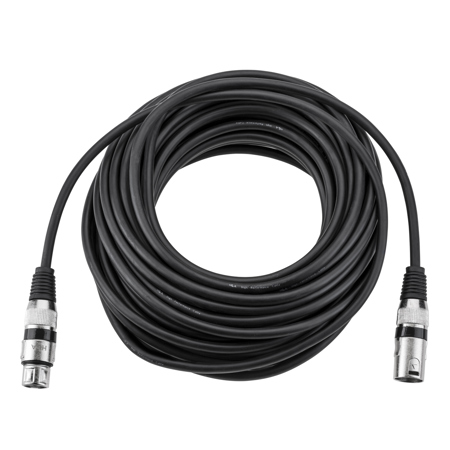
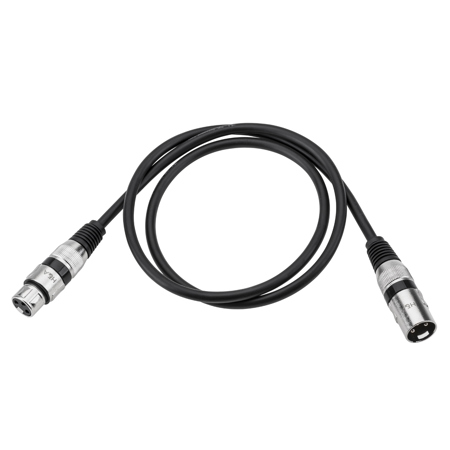
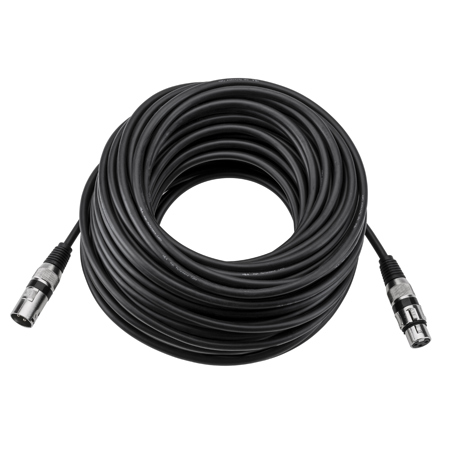
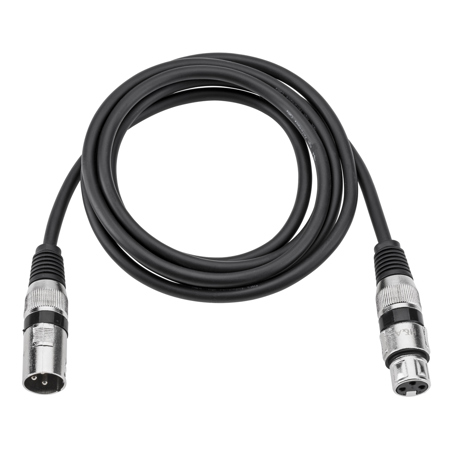
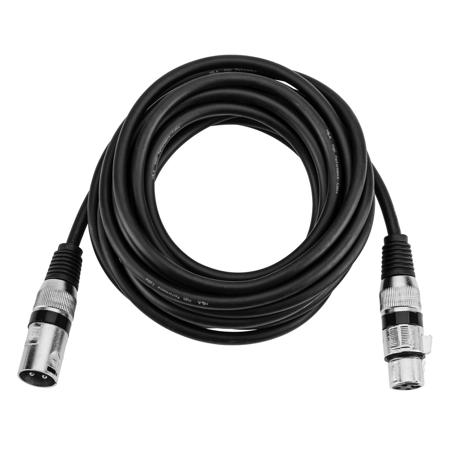
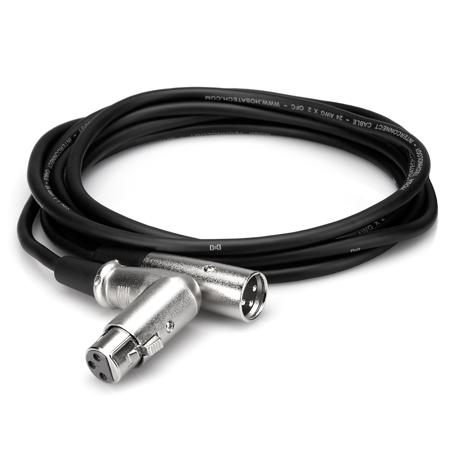
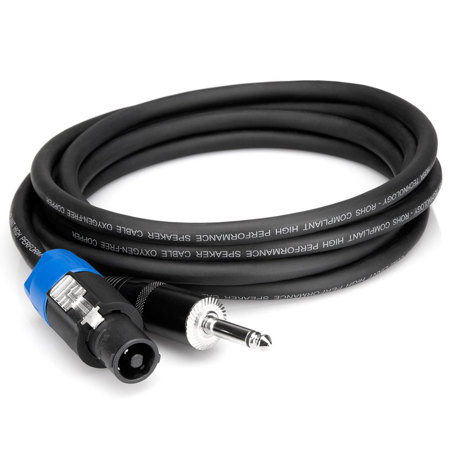
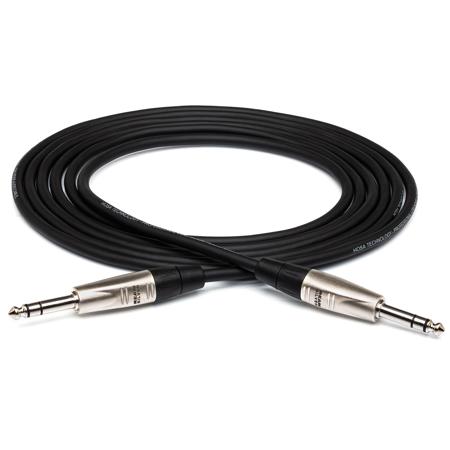
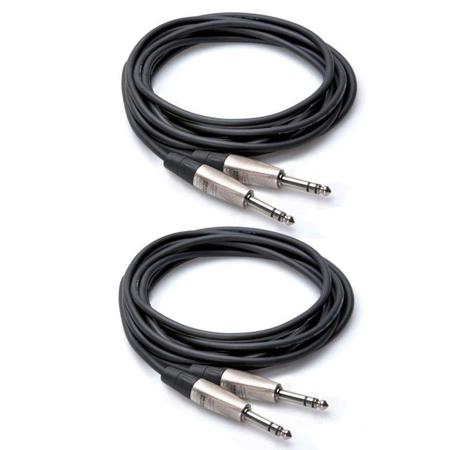
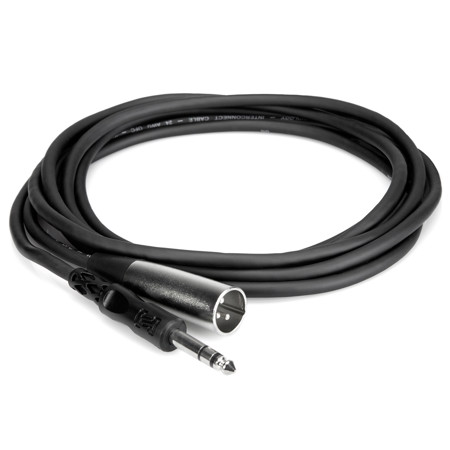
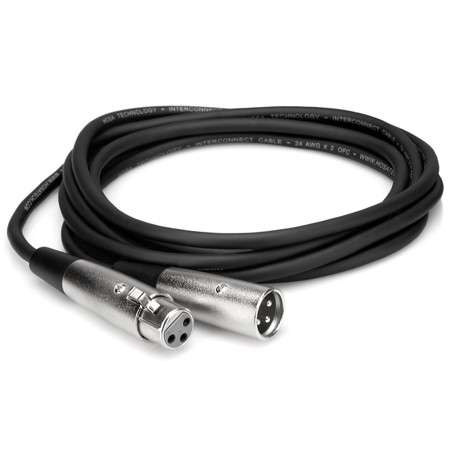
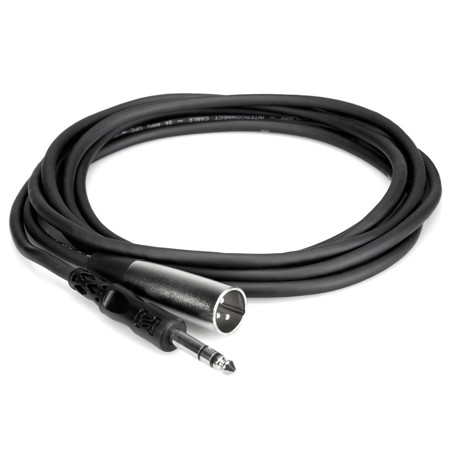
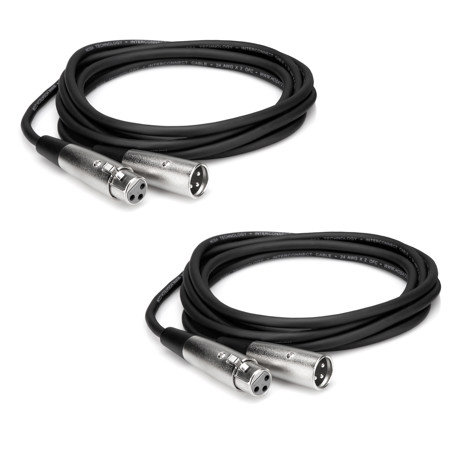
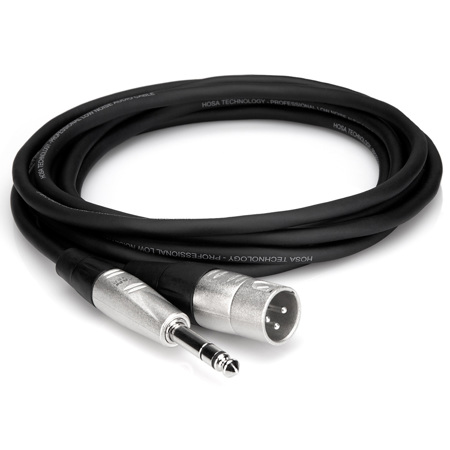
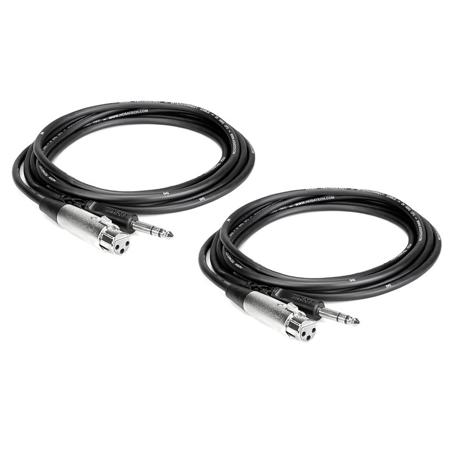
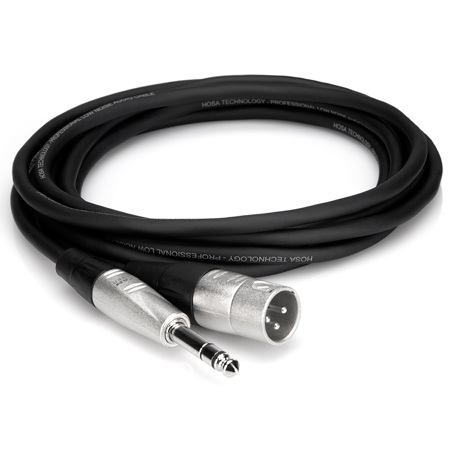
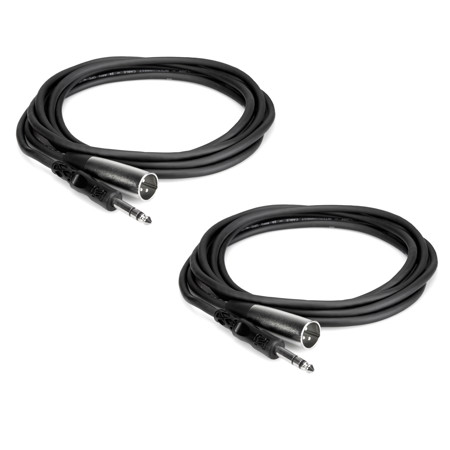
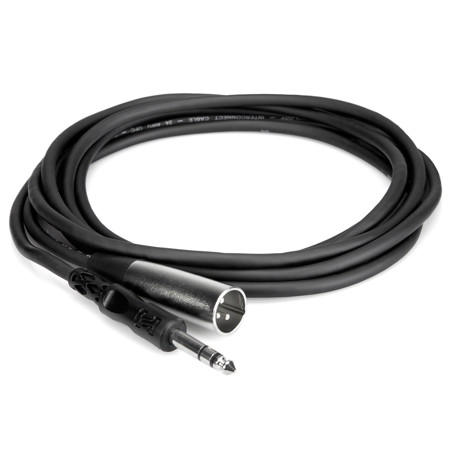
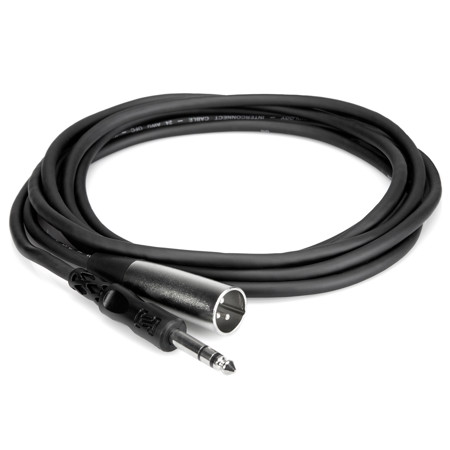
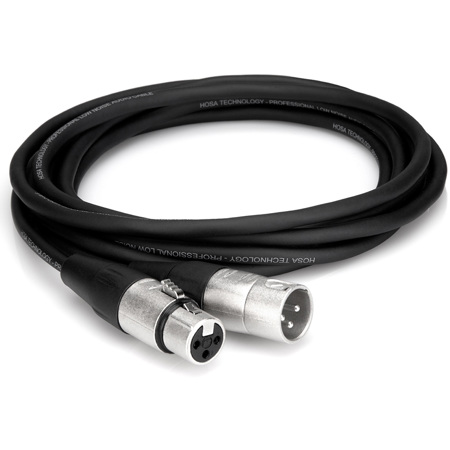
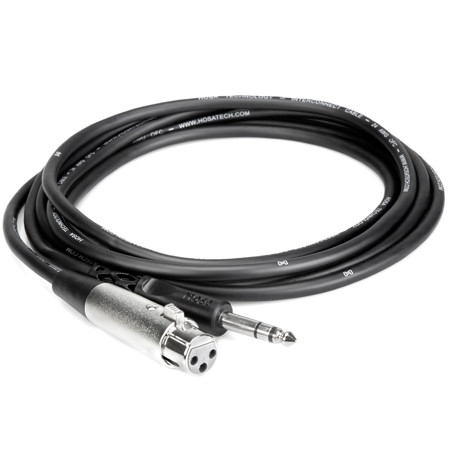
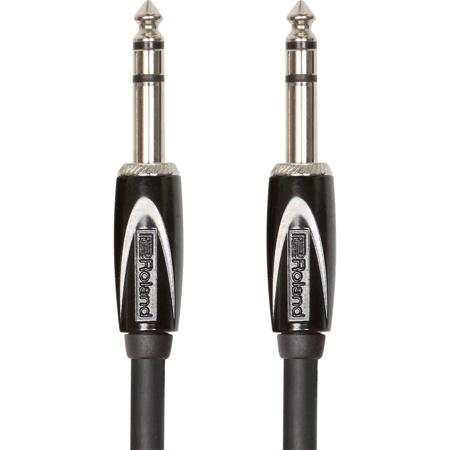
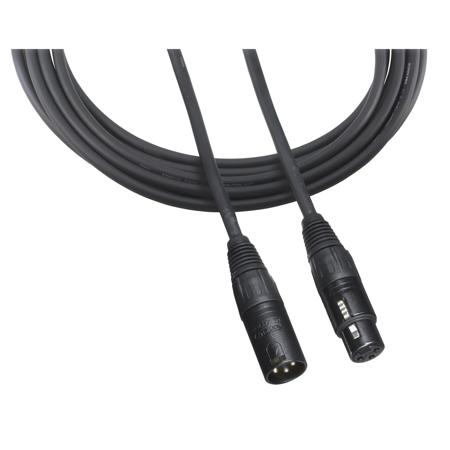
When it comes to building a professional or home studio setup, selecting the right balanced cables for studio monitors is a foundational step that can make a significant difference in your audio experience. Balanced cables, such as XLR, 1/4 inch TRS, or hybrid XLR to TRS configurations, are engineered to deliver a clean, interference-free signal from your audio interface or monitor controller to your speakers. This is especially important in environments where electromagnetic or radio frequency interference is common—think bustling city apartments, home studios with lots of electronic gear, or even larger commercial spaces. The design of balanced cables utilizes three conductors: two for the audio signal (hot and cold) and one for ground. This setup allows for common-mode rejection, a process that effectively cancels out any noise picked up along the cable run. Whether you’re connecting your monitors with an XLR to TRS adapter, opting for a robust mosisal cable, or running longer lengths across your studio, balanced cables are the best cable for monitor speakers to ensure that your mixes and playback remain true to the source without the hums or buzzes that can plague unbalanced connections.
Balanced cables for studio monitors are not just for seasoned audio engineers or professional musicians; they’re an ideal choice for anyone serious about sound quality. Hobbyist producers, podcasters, content creators, and even audiophile enthusiasts will benefit from the clarity and reliability these cables provide. If you’re setting up a new workspace as the weather warms and creative projects pick up, or you’re refining your studio during the quieter, cooler months, investing in durable, well-shielded cables is a smart move. These cables also make a thoughtful and practical gift for music lovers, aspiring producers, or anyone upgrading their audio setup—especially for birthdays, graduations, or as a “studio warming” present. When choosing among the different types, consider the inputs and outputs of your gear: many modern monitors accept both XLR and 1/4 inch cable connections, while some interfaces may require a specific combination. For those with unique setups or legacy equipment, an XLR to TRS adapter can bridge the gap seamlessly. Look for cables with strong shielding and quality connectors, as these features will help maintain signal integrity over time, even with frequent plugging and unplugging or in high-traffic studio spaces.
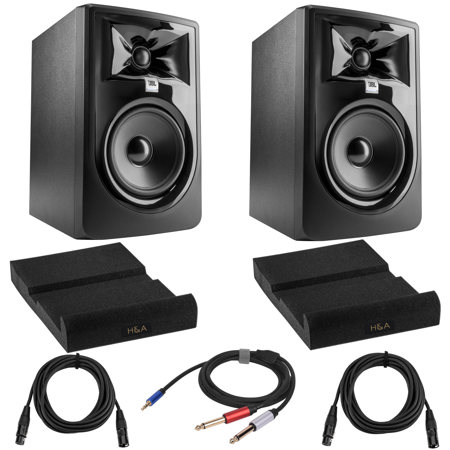
As you browse options for balanced cables, remember that this is a “set and forget” investment—once you have sturdy, well-matched cables in place, you can focus on your creative process without worrying about unwanted noise or signal degradation. If you’re looking to explore more options or need guidance on matching cables to your specific studio monitors, our collection of Studio Monitor Speaker Cables covers a wide range of lengths, connector types, and build qualities to suit every need. Whether you’re outfitting a compact desktop setup or wiring a full-scale production room, the right balanced cables ensure your monitors deliver every detail of your mix with pristine clarity—season after season.
Balanced cables for studio monitors are not just for seasoned audio engineers or professional musicians; they’re an ideal choice for anyone serious about sound quality. Hobbyist producers, podcasters, content creators, and even audiophile enthusiasts will benefit from the clarity and reliability these cables provide. If you’re setting up a new workspace as the weather warms and creative projects pick up, or you’re refining your studio during the quieter, cooler months, investing in durable, well-shielded cables is a smart move. These cables also make a thoughtful and practical gift for music lovers, aspiring producers, or anyone upgrading their audio setup—especially for birthdays, graduations, or as a “studio warming” present. When choosing among the different types, consider the inputs and outputs of your gear: many modern monitors accept both XLR and 1/4 inch cable connections, while some interfaces may require a specific combination. For those with unique setups or legacy equipment, an XLR to TRS adapter can bridge the gap seamlessly. Look for cables with strong shielding and quality connectors, as these features will help maintain signal integrity over time, even with frequent plugging and unplugging or in high-traffic studio spaces.
As you browse options for balanced cables, remember that this is a “set and forget” investment—once you have sturdy, well-matched cables in place, you can focus on your creative process without worrying about unwanted noise or signal degradation. If you’re looking to explore more options or need guidance on matching cables to your specific studio monitors, our collection of Studio Monitor Speaker Cables covers a wide range of lengths, connector types, and build qualities to suit every need. Whether you’re outfitting a compact desktop setup or wiring a full-scale production room, the right balanced cables ensure your monitors deliver every detail of your mix with pristine clarity—season after season.