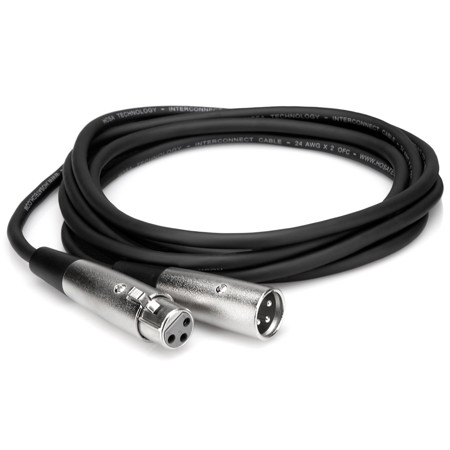
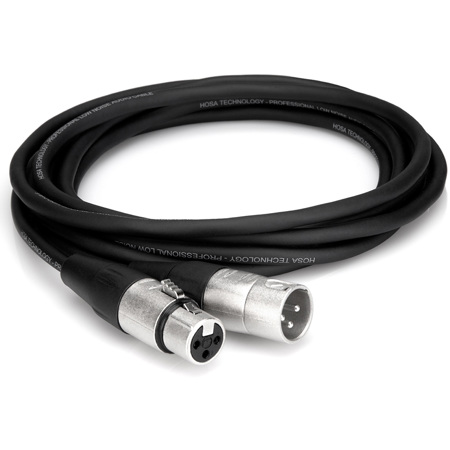
Balanced XLR Cables
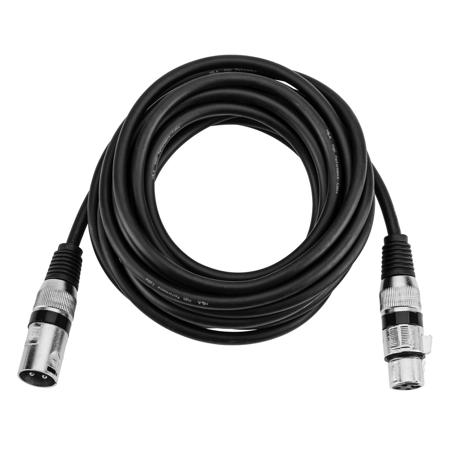
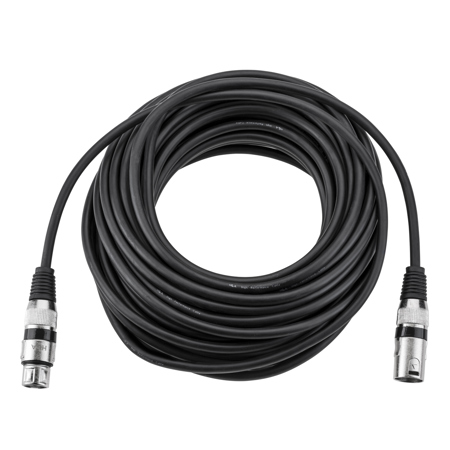
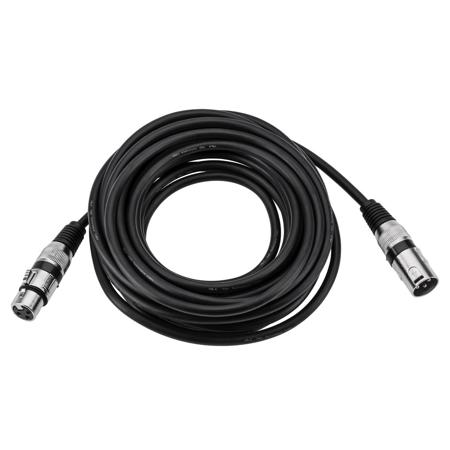
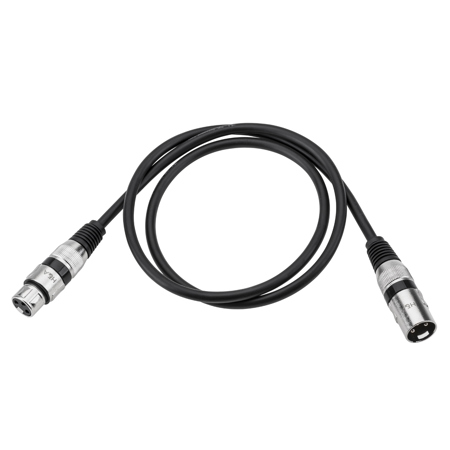
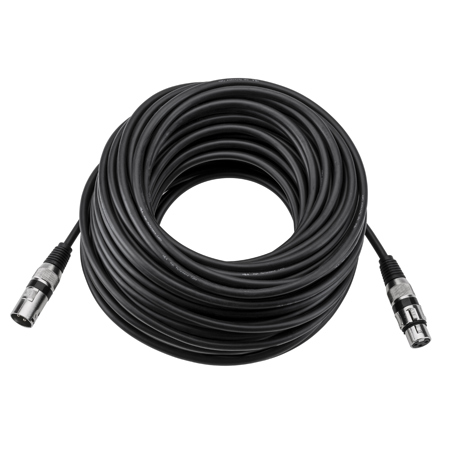
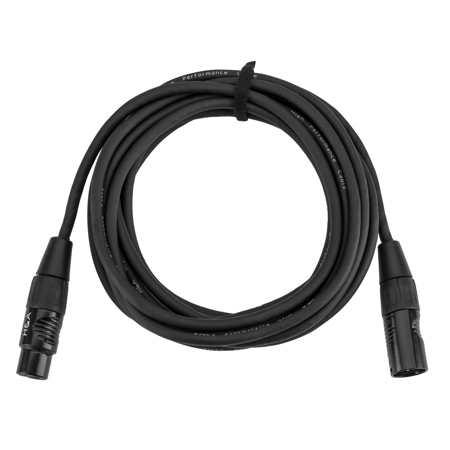
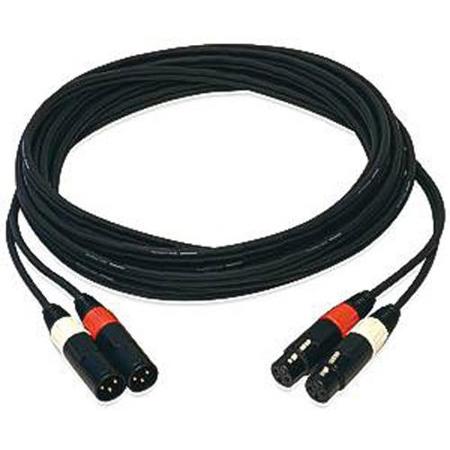
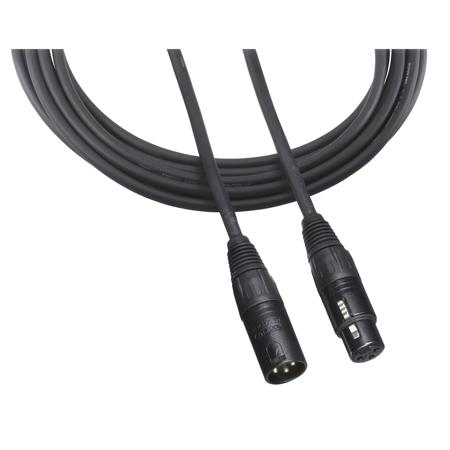
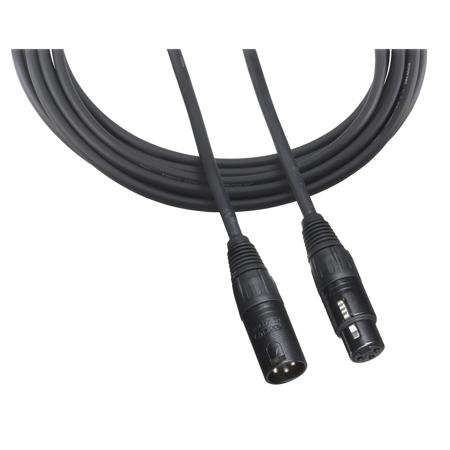
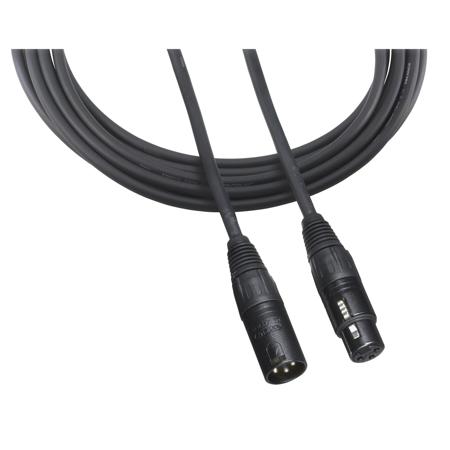
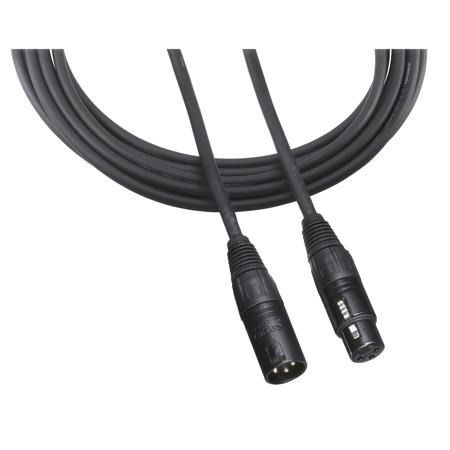
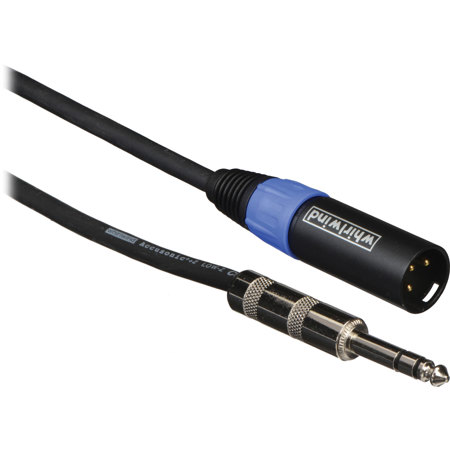
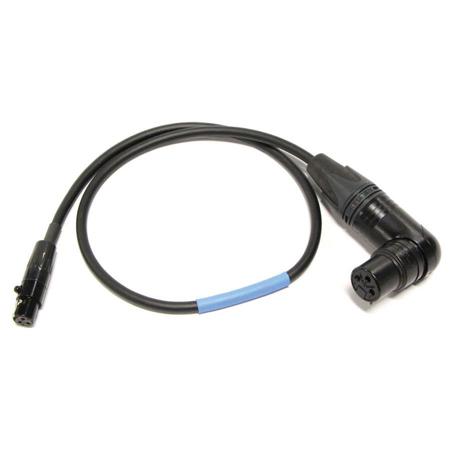
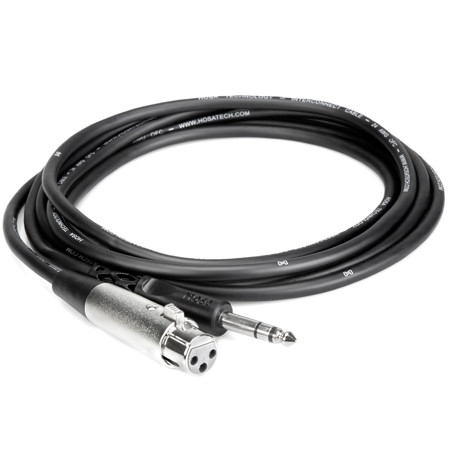
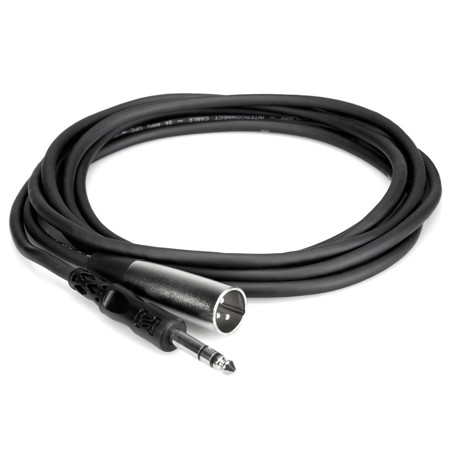
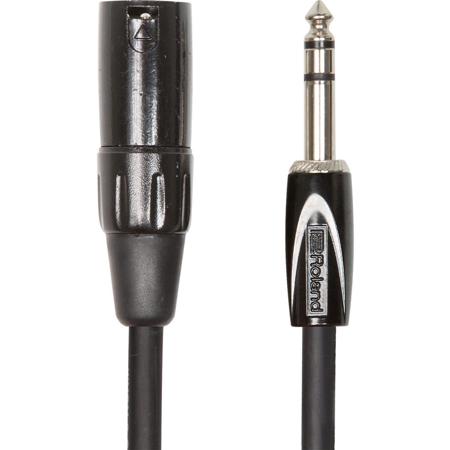
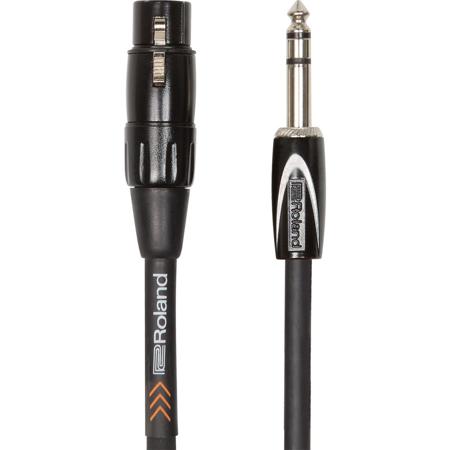
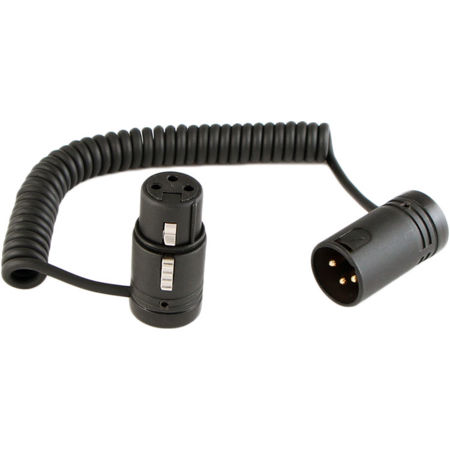
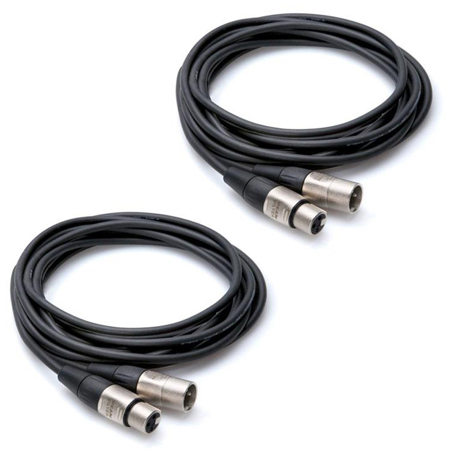
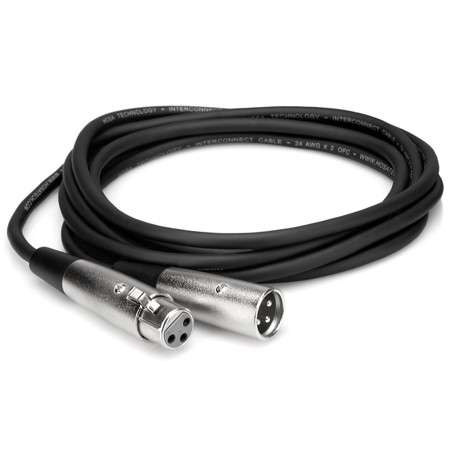
Balanced XLR cables are a foundational component for anyone serious about achieving the highest quality audio, whether in a professional recording studio, a live performance venue, a home theater setup, or even a podcasting space. Their distinctive three-pin design—featuring separate conductors for the hot (positive), cold (inverted), and ground signals—enables them to deliver exceptional sound clarity by effectively rejecting unwanted electrical noise and radio interference. This is especially important when running cables over longer distances, such as from a mixing console to stage monitors or between audio interfaces and studio monitors, where signal degradation and hum can otherwise become problematic. As the weather shifts from the warmth of summer into the cooler months of fall, musicians, audio engineers, and content creators often find themselves preparing for a new season of performances, studio sessions, or indoor events, making it an ideal time to assess and upgrade essential gear like balanced XLR cables. These cables are not only prized for their technical performance but also for their rugged reliability, with robust connectors and durable shielding that stand up to the rigors of frequent setup, teardown, and transport.
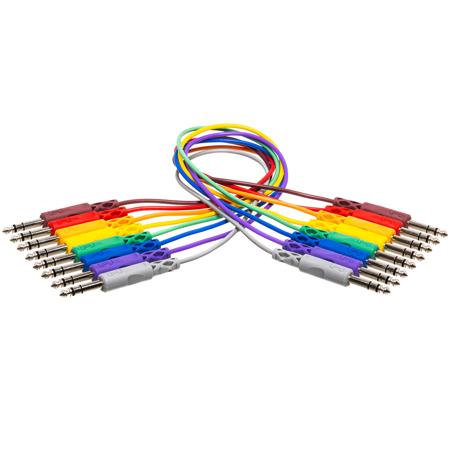
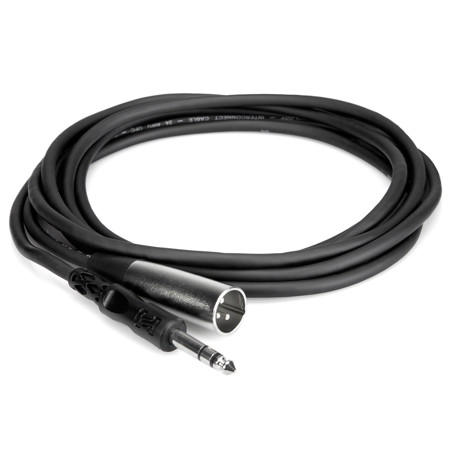
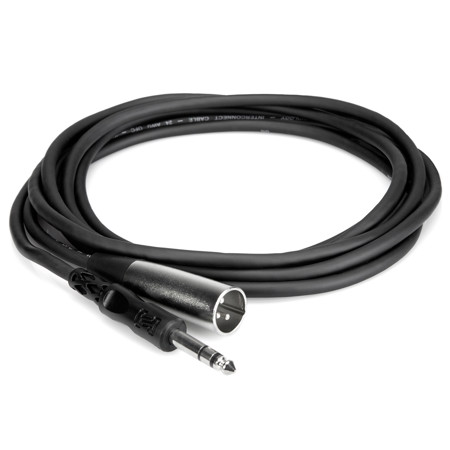
Choosing the right balanced XLR cable involves considering several key factors beyond just length and price. The quality of the connectors, the type of shielding, and the gauge of the internal conductors all play a role in both sound fidelity and durability. For those setting up a home recording studio or outfitting a live sound rig, investing in cables with thick, braided shielding and gold-plated contacts can offer peace of mind, ensuring consistent connections and minimizing the risk of crackle or dropout during critical moments. Balanced XLR cables also make thoughtful gifts for aspiring musicians, podcasters, or audio enthusiasts—especially as the season transitions and creative projects move indoors. Imagine surprising a friend who’s just started a band or a family member who is passionate about high-fidelity listening; a set of premium balanced XLR cables can be the catalyst for their next creative leap, offering them the tools to capture and enjoy pristine audio. For those looking to expand or diversify their audio setups, it’s also worth exploring compatible options like Balanced 1 4 Inch Cables, which offer similar advantages in different connection formats and are commonly used in both studio and live environments.
Whether you’re a seasoned audio professional, a gigging musician, a podcast producer, or simply someone who values clear, interference-free sound in your home entertainment system, balanced XLR cables are indispensable. Their ability to maintain signal integrity across extended cable runs is unmatched, making them the standard for connecting microphones, mixers, powered speakers, and other essential audio equipment. As gatherings move indoors and creative energy builds with the changing seasons, having reliable, high-quality cables on hand ensures that every performance, recording, or listening session is free from unwanted noise and distractions. The right balanced XLR cable can make all the difference, transforming a good sound system into a great one, and allowing your music, voice, or media to be experienced as it was meant to be heard—pure, dynamic, and true to the source.
Choosing the right balanced XLR cable involves considering several key factors beyond just length and price. The quality of the connectors, the type of shielding, and the gauge of the internal conductors all play a role in both sound fidelity and durability. For those setting up a home recording studio or outfitting a live sound rig, investing in cables with thick, braided shielding and gold-plated contacts can offer peace of mind, ensuring consistent connections and minimizing the risk of crackle or dropout during critical moments. Balanced XLR cables also make thoughtful gifts for aspiring musicians, podcasters, or audio enthusiasts—especially as the season transitions and creative projects move indoors. Imagine surprising a friend who’s just started a band or a family member who is passionate about high-fidelity listening; a set of premium balanced XLR cables can be the catalyst for their next creative leap, offering them the tools to capture and enjoy pristine audio. For those looking to expand or diversify their audio setups, it’s also worth exploring compatible options like Balanced 1 4 Inch Cables, which offer similar advantages in different connection formats and are commonly used in both studio and live environments.
Whether you’re a seasoned audio professional, a gigging musician, a podcast producer, or simply someone who values clear, interference-free sound in your home entertainment system, balanced XLR cables are indispensable. Their ability to maintain signal integrity across extended cable runs is unmatched, making them the standard for connecting microphones, mixers, powered speakers, and other essential audio equipment. As gatherings move indoors and creative energy builds with the changing seasons, having reliable, high-quality cables on hand ensures that every performance, recording, or listening session is free from unwanted noise and distractions. The right balanced XLR cable can make all the difference, transforming a good sound system into a great one, and allowing your music, voice, or media to be experienced as it was meant to be heard—pure, dynamic, and true to the source.