

Unbalanced Audio Cables
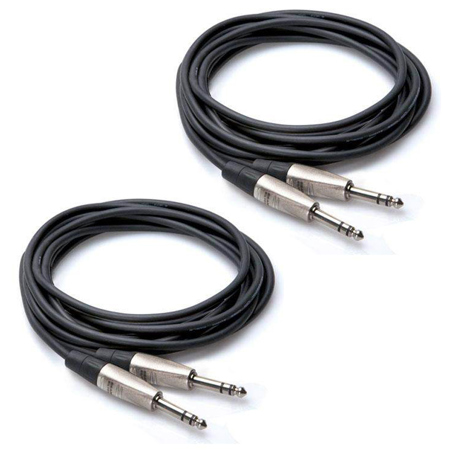
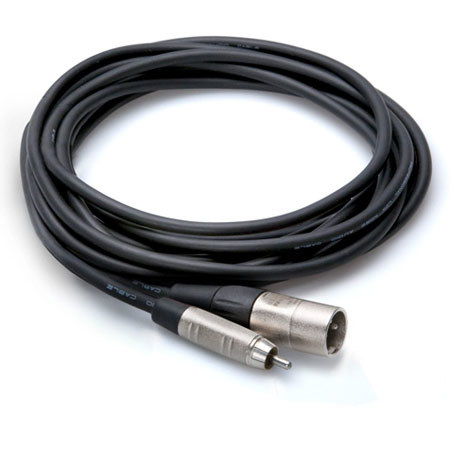
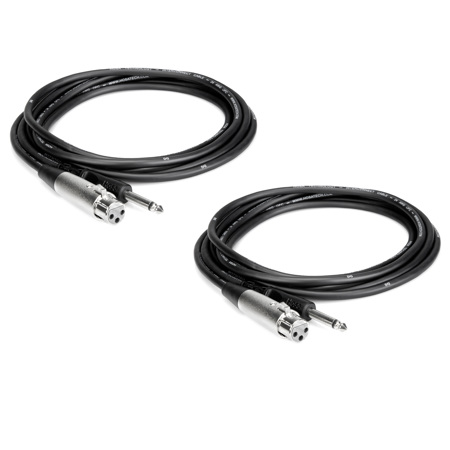
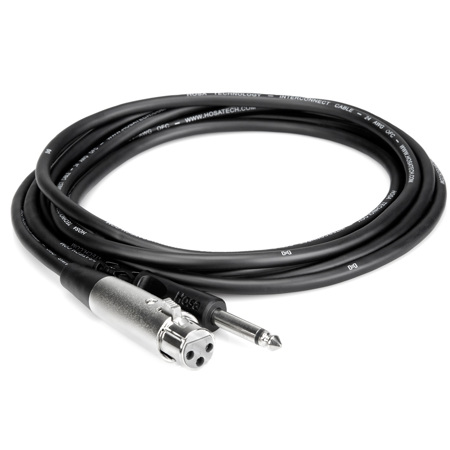
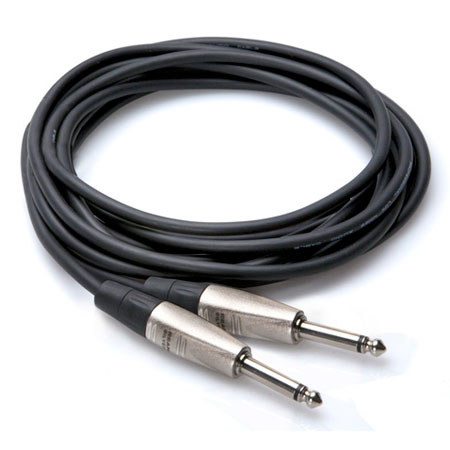
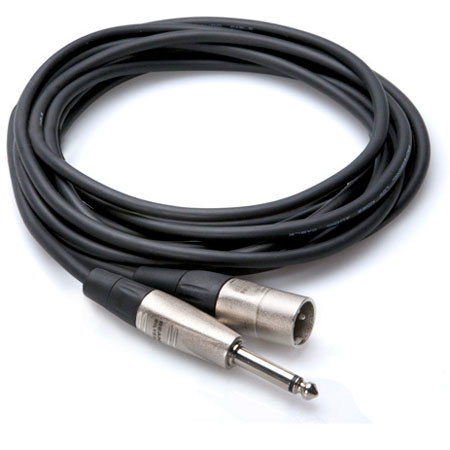
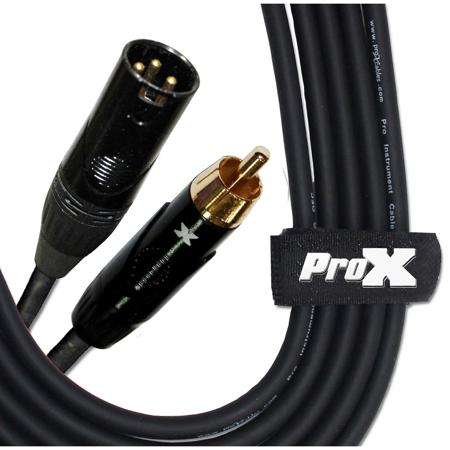
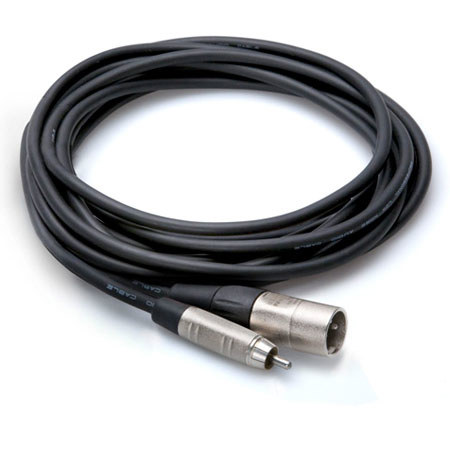
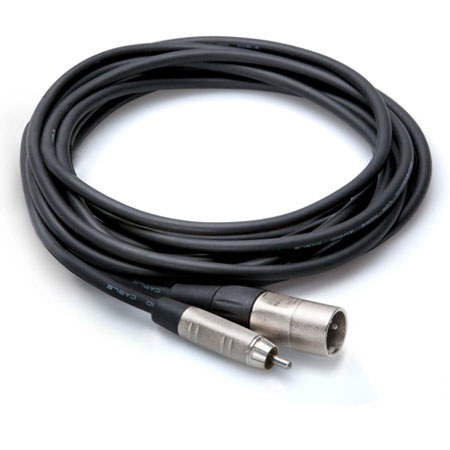
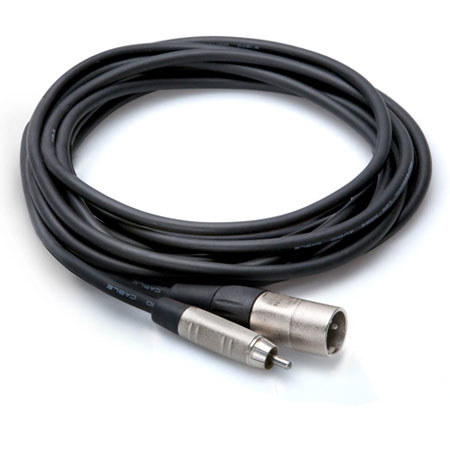
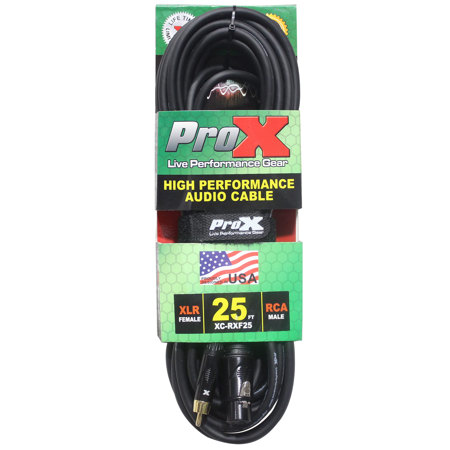
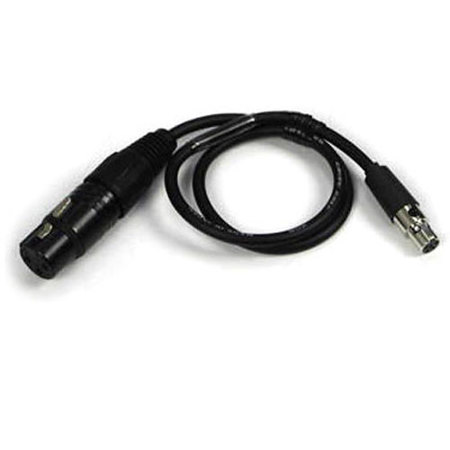
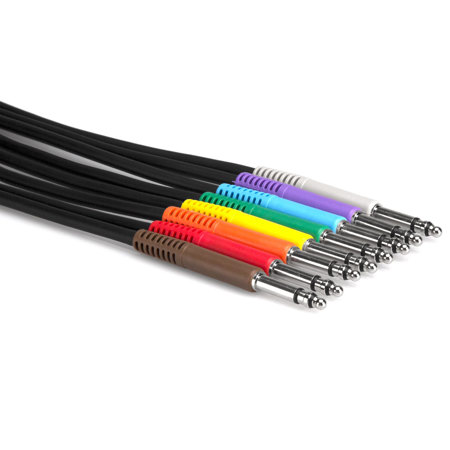
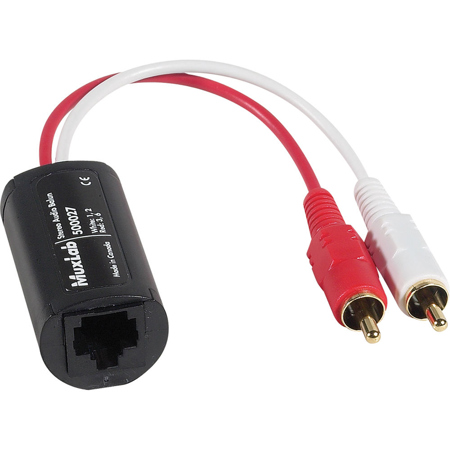
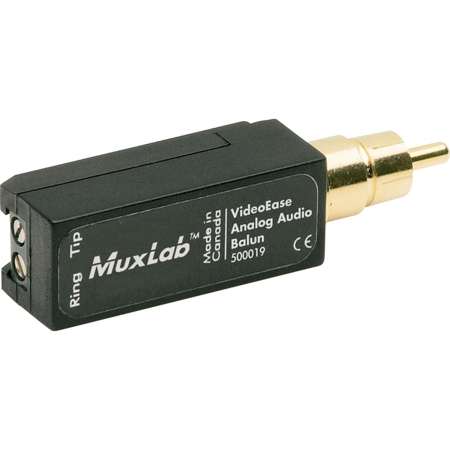
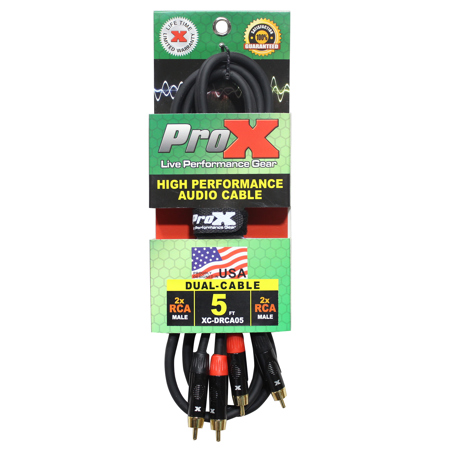
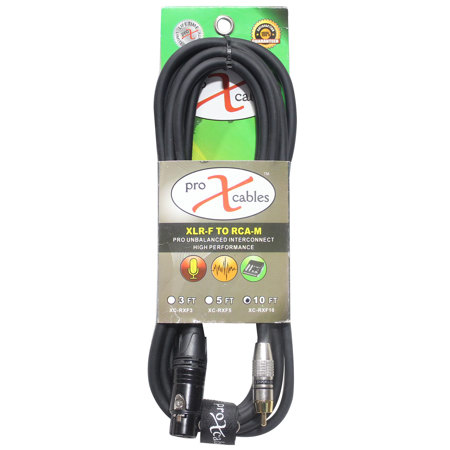
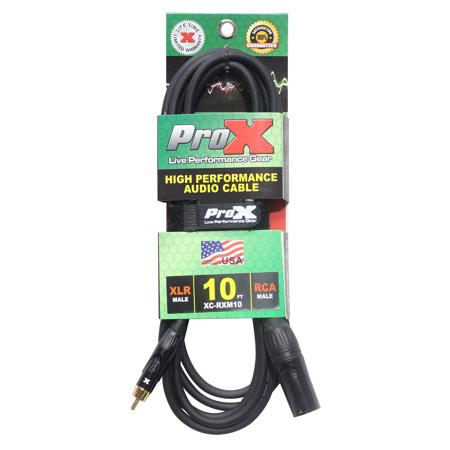
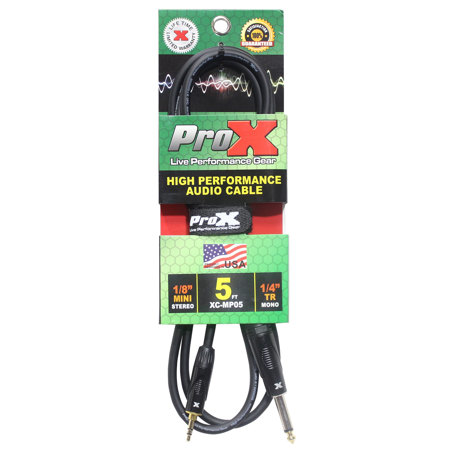
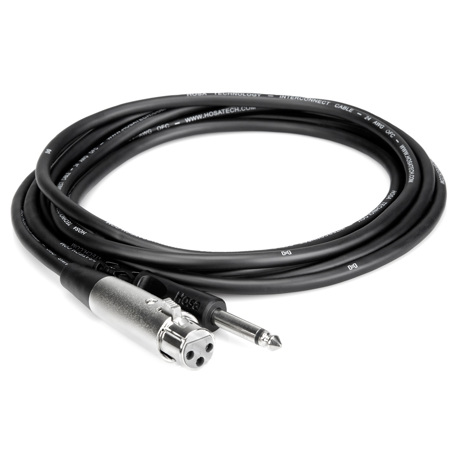
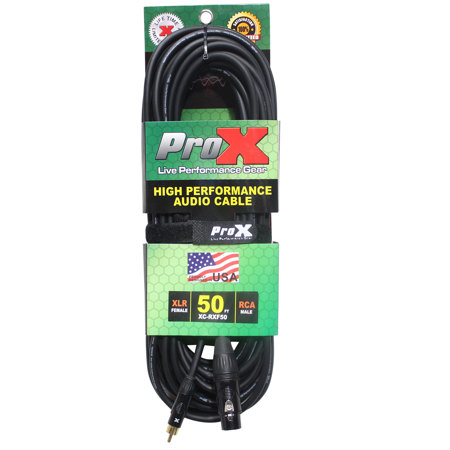
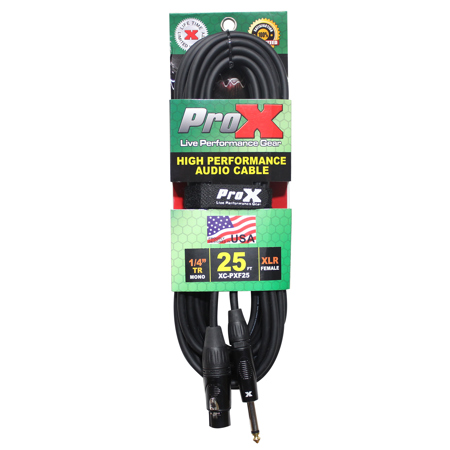
Unbalanced audio cables are a fundamental tool in both home studios and live performance setups, valued for their simplicity and affordability. At their core, these cables use two conductors: a center wire that carries the audio signal and an outer shield that serves as the ground. This straightforward construction is what makes an unbalanced jack cable or RCA lead so cost-effective and easy to use, particularly for short cable runs. Musicians often reach for unbalanced cables when connecting electric guitars, basses, or keyboards to nearby amplifiers, pedalboards, or mixing consoles. The classic ¼-inch TS (Tip-Sleeve) cable is a staple on countless stages and in rehearsal spaces, while RCA connectors are a mainstay for home audio enthusiasts linking stereos, turntables, or TVs to speakers and receivers. In these environments, where cable runs typically stay under 20 feet and the risk of electromagnetic interference is minimal, unbalanced audio cables deliver clear, reliable sound without unnecessary complexity or expense.
For creators and hobbyists building out their audio setups this winter, unbalanced cables offer a practical solution for connecting instruments and devices across small studios, practice rooms, or living spaces. The colder months are often a time for musicians to retreat indoors, refining their craft or recording new material, and having the right cables on hand ensures that inspiration isn’t interrupted by technical limitations. These cables also make thoughtful gifts for aspiring musicians, DJs, or anyone setting up a home entertainment system—perfect for someone who’s just picked up their first electric guitar or is piecing together a vintage hi-fi rig. While unbalanced cables excel in these scenarios, it’s important to remember that their simple design does make them more susceptible to picking up hum or buzz from nearby power sources, lights, or other electronic devices, especially as cable lengths increase. For those working in environments with higher levels of electrical noise, or needing longer cable runs between components, it may be worth exploring alternatives such as Balanced 1 4 Inch Cables, which are engineered specifically to minimize interference and preserve audio fidelity over greater distances.
When choosing unbalanced audio cables, consider the specific needs of your setup and the types of connectors required—whether it’s a robust TS instrument cable for stage use or a flexible RCA patch cable for your home stereo. Pay attention to build quality, shielding, and connector durability, especially if the cables will see frequent use or travel. Many musicians have a story about a favorite cable that’s lasted through years of gigs, or the frustration of chasing down an elusive buzz only to find it was caused by a poorly shielded lead. Investing in well-made unbalanced cables can help avoid these headaches and keep your audio signal clean and consistent. Whether you’re outfitting a beginner’s practice space, upgrading your home theater, or assembling a portable rig for open mic nights, the right unbalanced audio cables are an essential link in your signal chain—delivering the sound you want, right where you need it.
For creators and hobbyists building out their audio setups this winter, unbalanced cables offer a practical solution for connecting instruments and devices across small studios, practice rooms, or living spaces. The colder months are often a time for musicians to retreat indoors, refining their craft or recording new material, and having the right cables on hand ensures that inspiration isn’t interrupted by technical limitations. These cables also make thoughtful gifts for aspiring musicians, DJs, or anyone setting up a home entertainment system—perfect for someone who’s just picked up their first electric guitar or is piecing together a vintage hi-fi rig. While unbalanced cables excel in these scenarios, it’s important to remember that their simple design does make them more susceptible to picking up hum or buzz from nearby power sources, lights, or other electronic devices, especially as cable lengths increase. For those working in environments with higher levels of electrical noise, or needing longer cable runs between components, it may be worth exploring alternatives such as Balanced 1 4 Inch Cables, which are engineered specifically to minimize interference and preserve audio fidelity over greater distances.
When choosing unbalanced audio cables, consider the specific needs of your setup and the types of connectors required—whether it’s a robust TS instrument cable for stage use or a flexible RCA patch cable for your home stereo. Pay attention to build quality, shielding, and connector durability, especially if the cables will see frequent use or travel. Many musicians have a story about a favorite cable that’s lasted through years of gigs, or the frustration of chasing down an elusive buzz only to find it was caused by a poorly shielded lead. Investing in well-made unbalanced cables can help avoid these headaches and keep your audio signal clean and consistent. Whether you’re outfitting a beginner’s practice space, upgrading your home theater, or assembling a portable rig for open mic nights, the right unbalanced audio cables are an essential link in your signal chain—delivering the sound you want, right where you need it.