
Backdrops For Fashion Photography
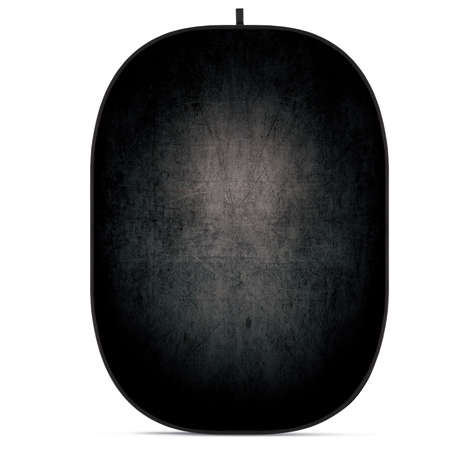
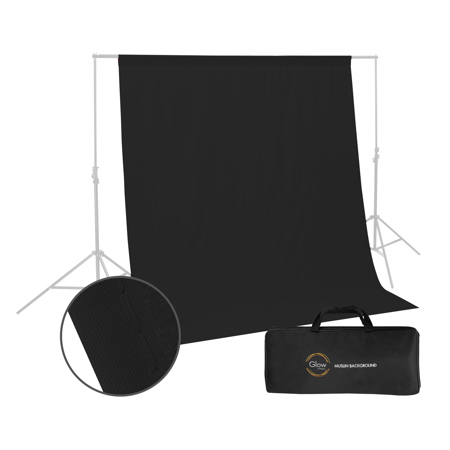
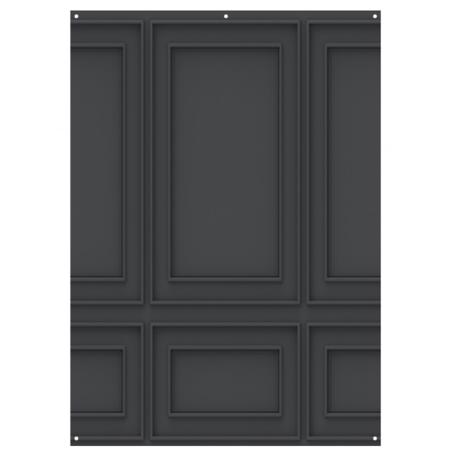
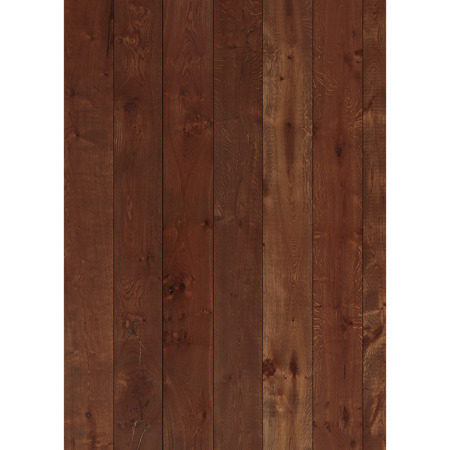
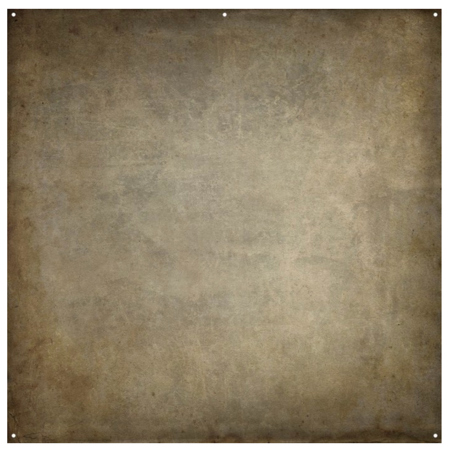
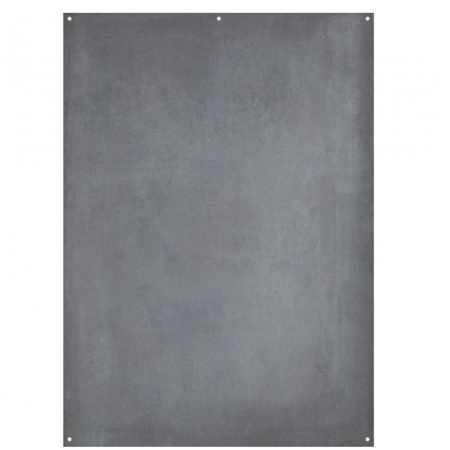
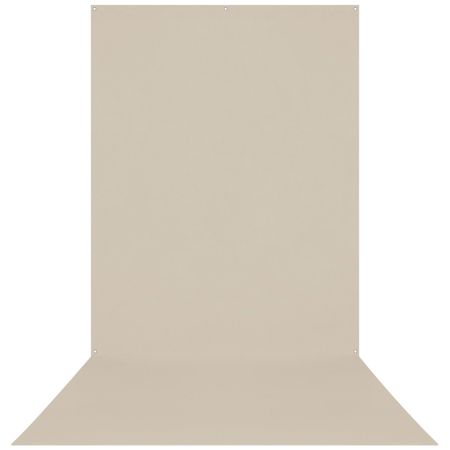
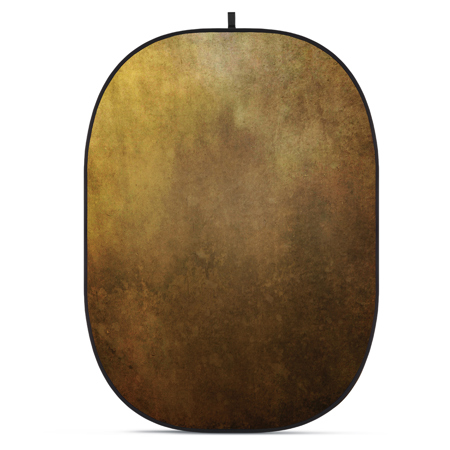
Fashion photography is an ever-evolving art form that relies heavily on the environment in which the subject is captured. The right backdrop can transform a simple outfit into a statement, elevate an editorial spread, or set the mood for a campaign. Whether you’re a seasoned professional working in a bustling studio or an emerging photographer setting up in a home space, selecting the best backdrop for clothing photography is a foundational decision. Seamless paper backdrops are a staple in the industry, renowned for their clean, non-reflective surfaces and availability in a wide spectrum of colors. These backgrounds for clothing photography are perfect for achieving that crisp, modern look seen in high-end catalogs and lookbooks, allowing garments to remain the focal point without visual distractions. For those seeking more artistic or editorial effects, hand-painted canvas or muslin backdrops introduce rich textures and subtle gradients that add depth and character to every shot. These fashion backdrops are particularly favored for their ability to create a sense of narrative, making them a go-to choice for creative directors and stylists working on mood-driven campaigns.
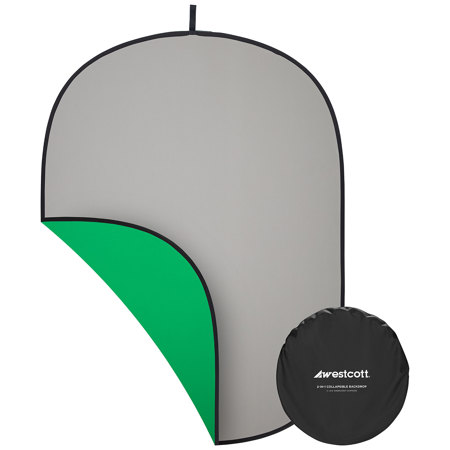
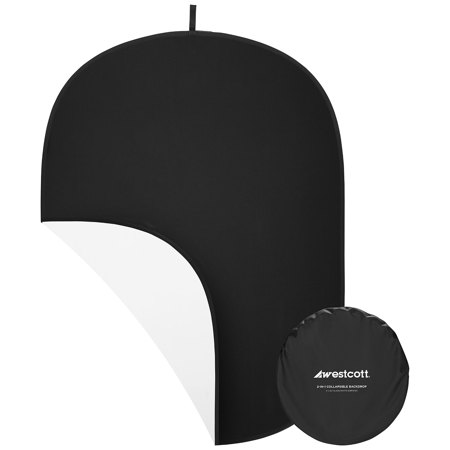
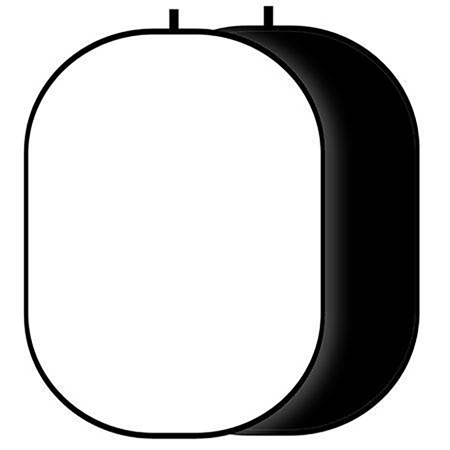
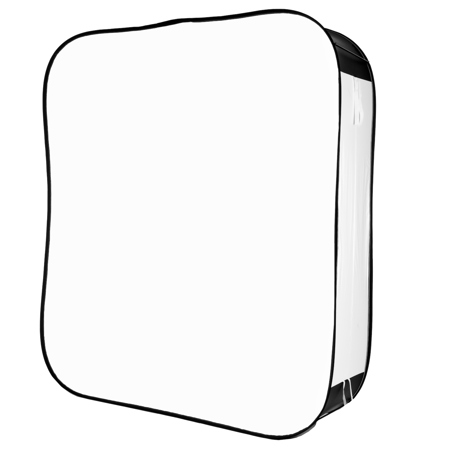
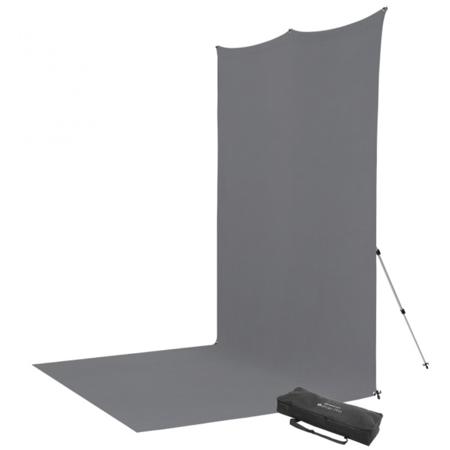
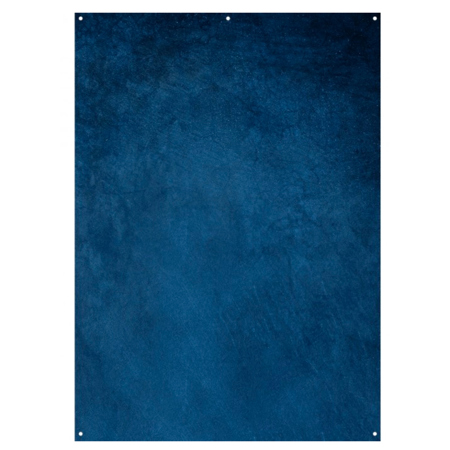
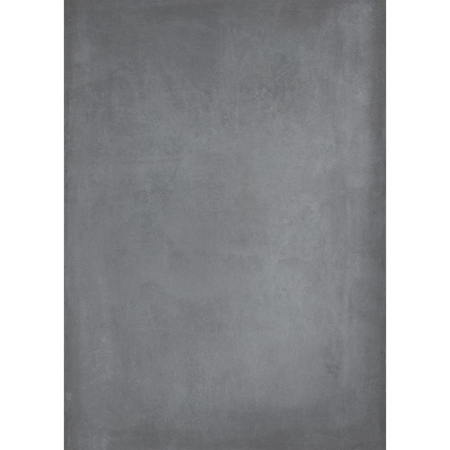
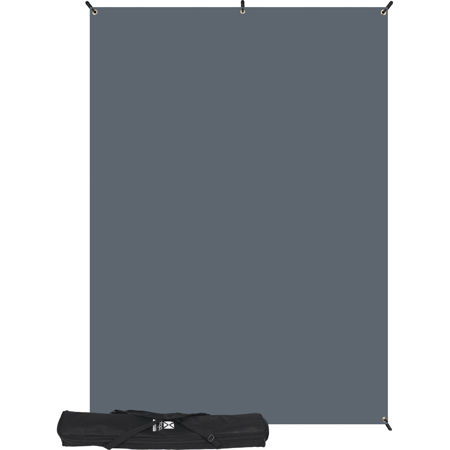
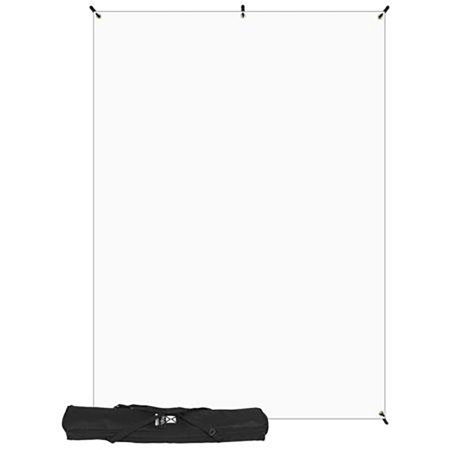
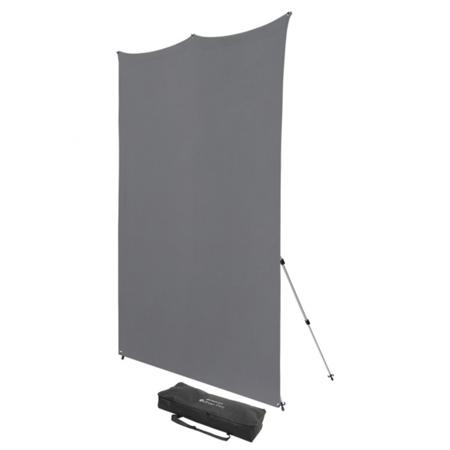
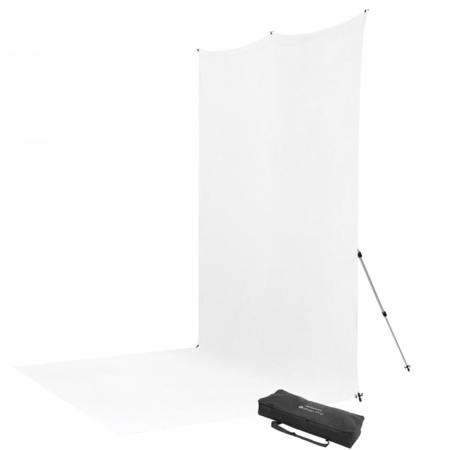
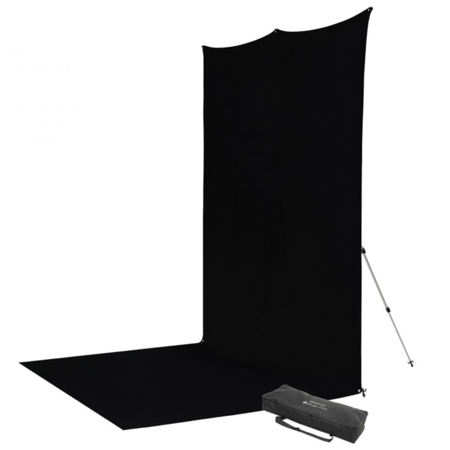
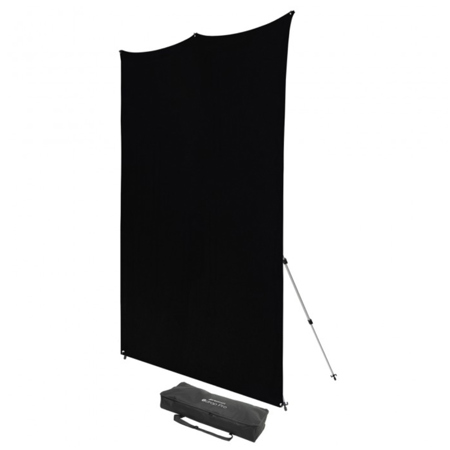
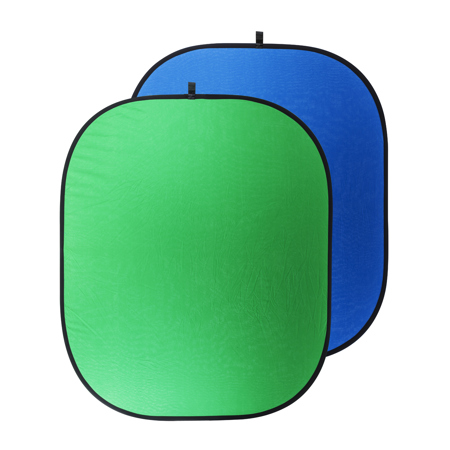
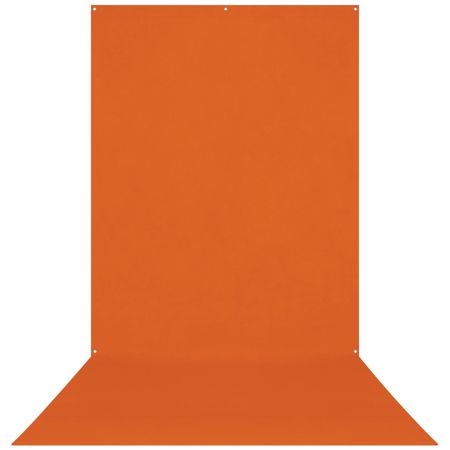
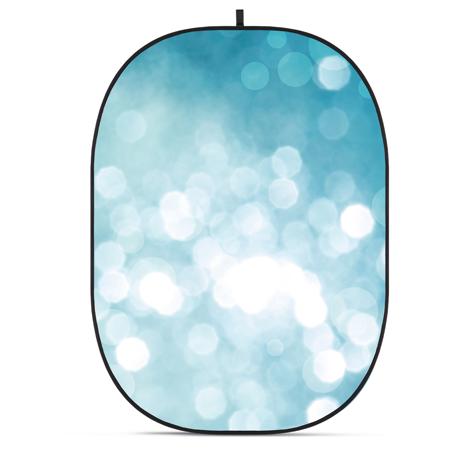
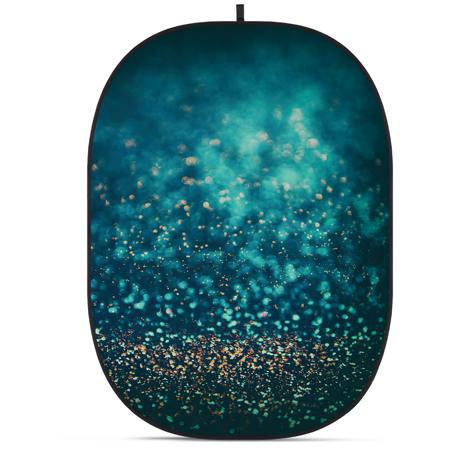
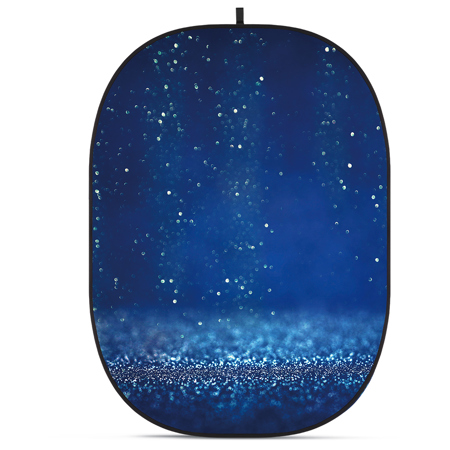
Durability and versatility are also key considerations, especially during the busy months when shoots may move from indoor studios to outdoor locations as the weather shifts. Vinyl backdrops offer a practical solution for photographers who need something robust, waterproof, and easy to clean—ideal for shoots involving props, makeup, or even liquids. Collapsible or pop-up backdrops bring convenience and portability, making them invaluable for on-location editorial shoots or for photographers with limited studio space. The design and color of the backdrop should be carefully matched to the clothing and the intended mood of the shoot. Neutral tones like white, gray, and black are timeless choices for product-focused imagery, ensuring the apparel stands out. Meanwhile, bold or vibrant backdrops—think deep reds, rich blues, or even textured hardboard—can inject drama and personality into high-fashion or avant-garde projects. Size matters as well; a backdrop should be wide and long enough to accommodate full-length poses, group shots, or dynamic movement without breaking the illusion of a seamless environment. For those gifting to a photographer, a thoughtfully chosen backdrop—perhaps one with a unique texture or a reversible design—can be a meaningful addition to their creative toolkit, opening up new possibilities for experimentation and expression.
Lighting plays a pivotal role in how a backdrop interacts with the subject and the camera. Non-reflective materials are preferred to avoid unwanted glare, but skilled photographers often use lighting to subtly alter the color and intensity of their backdrop, creating a custom look for each session. Wrinkle resistance is another practical feature to look for, especially when quick setups and professional results are required. As fashion photography continues to push boundaries, the demand for innovative backdrop design grows, with photographers blending classic elements and contemporary trends to craft memorable images. For those exploring the full range of options, from minimalist paper rolls to richly textured canvases, resources like the Portrait Photography Backdrops page provide valuable inspiration and guidance. Ultimately, the right backdrop not only complements the clothing but also enhances the story being told, making it an essential part of any fashion photographer’s arsenal throughout the seasons.
Durability and versatility are also key considerations, especially during the busy months when shoots may move from indoor studios to outdoor locations as the weather shifts. Vinyl backdrops offer a practical solution for photographers who need something robust, waterproof, and easy to clean—ideal for shoots involving props, makeup, or even liquids. Collapsible or pop-up backdrops bring convenience and portability, making them invaluable for on-location editorial shoots or for photographers with limited studio space. The design and color of the backdrop should be carefully matched to the clothing and the intended mood of the shoot. Neutral tones like white, gray, and black are timeless choices for product-focused imagery, ensuring the apparel stands out. Meanwhile, bold or vibrant backdrops—think deep reds, rich blues, or even textured hardboard—can inject drama and personality into high-fashion or avant-garde projects. Size matters as well; a backdrop should be wide and long enough to accommodate full-length poses, group shots, or dynamic movement without breaking the illusion of a seamless environment. For those gifting to a photographer, a thoughtfully chosen backdrop—perhaps one with a unique texture or a reversible design—can be a meaningful addition to their creative toolkit, opening up new possibilities for experimentation and expression.
Lighting plays a pivotal role in how a backdrop interacts with the subject and the camera. Non-reflective materials are preferred to avoid unwanted glare, but skilled photographers often use lighting to subtly alter the color and intensity of their backdrop, creating a custom look for each session. Wrinkle resistance is another practical feature to look for, especially when quick setups and professional results are required. As fashion photography continues to push boundaries, the demand for innovative backdrop design grows, with photographers blending classic elements and contemporary trends to craft memorable images. For those exploring the full range of options, from minimalist paper rolls to richly textured canvases, resources like the Portrait Photography Backdrops page provide valuable inspiration and guidance. Ultimately, the right backdrop not only complements the clothing but also enhances the story being told, making it an essential part of any fashion photographer’s arsenal throughout the seasons.