
Ballast Lights
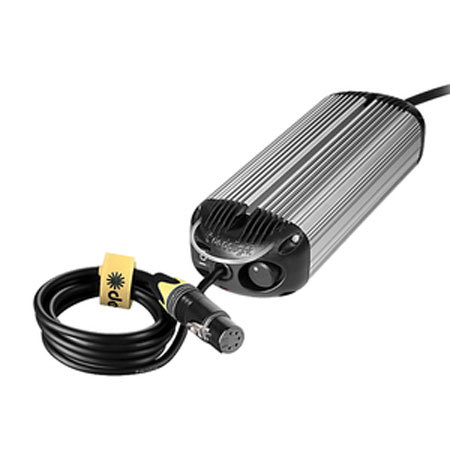
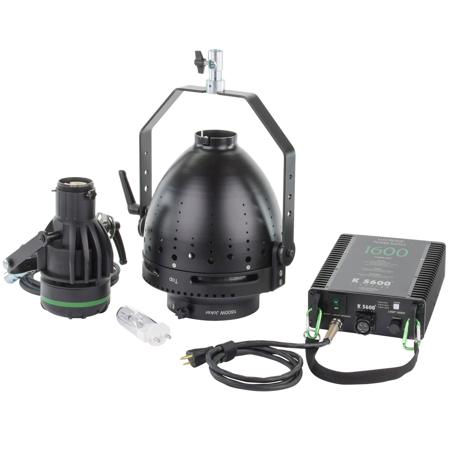
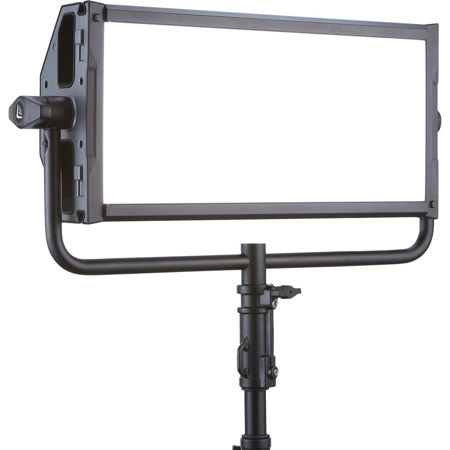
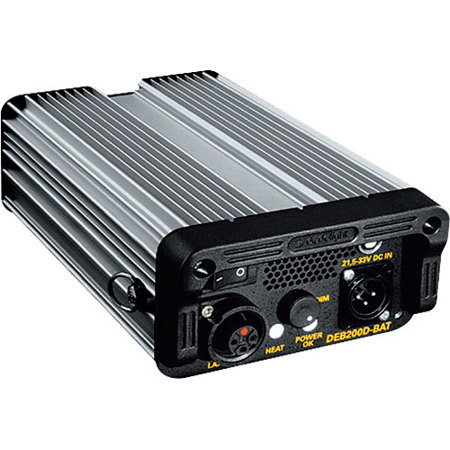
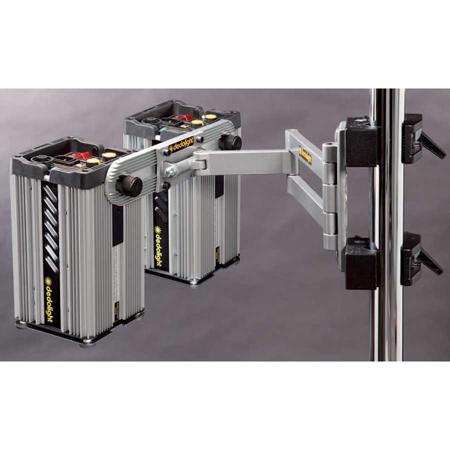
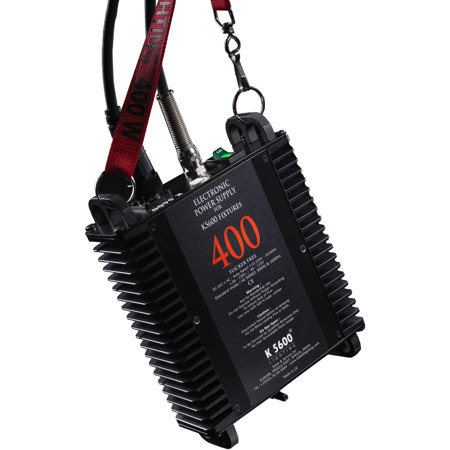
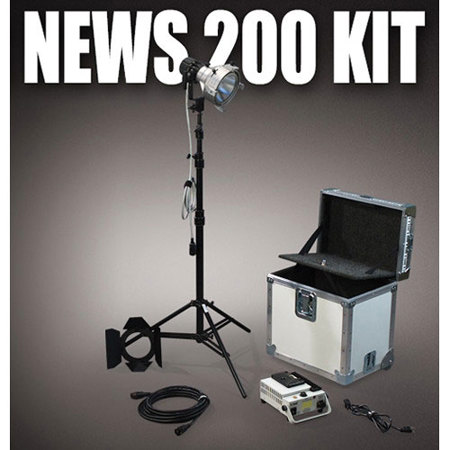
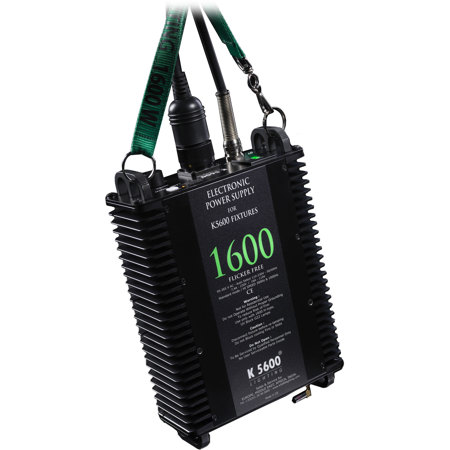
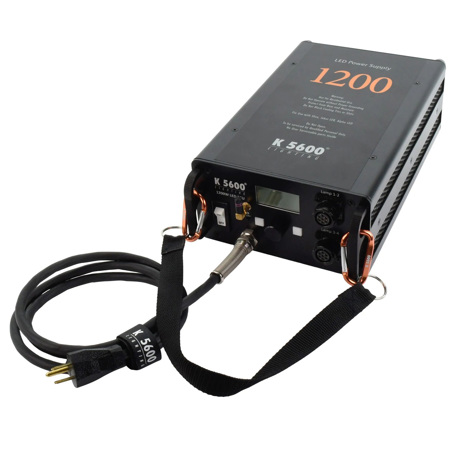
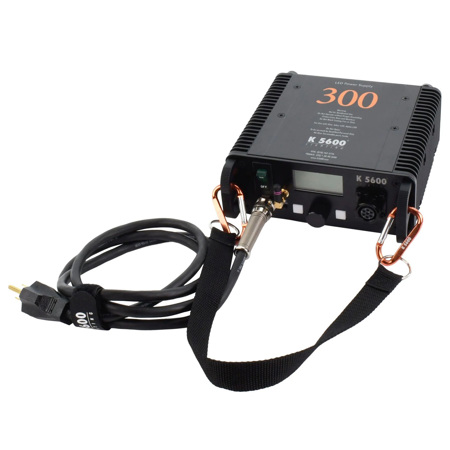
Ballast lights play a crucial role in both professional and residential lighting setups, serving as the backbone for a wide array of lighting solutions. Whether illuminating a bustling photography studio, energizing a commercial workspace, or brightening up a home workshop, these lighting systems rely on ballasts to regulate electrical current and ensure optimal performance. Ballast lights are commonly found in fluorescent tube fixtures—such as T5, T8, and T12 configurations—as well as in high-intensity discharge (HID) systems like metal halide, mercury vapor, and high-pressure sodium lamps. In recent years, even certain LED fixtures, particularly plug-and-play models, have been designed to work with existing ballasts, offering an easy upgrade path for those looking to improve energy efficiency without a complete overhaul. During the winter months, when daylight is in short supply and reliable indoor lighting becomes even more essential, the importance of stable, high-quality ballast lights cannot be overstated. Whether you’re setting up a new workspace or maintaining an existing one, ensuring that your lighting system is equipped with the right ballast is key to achieving consistent, flicker-free illumination.
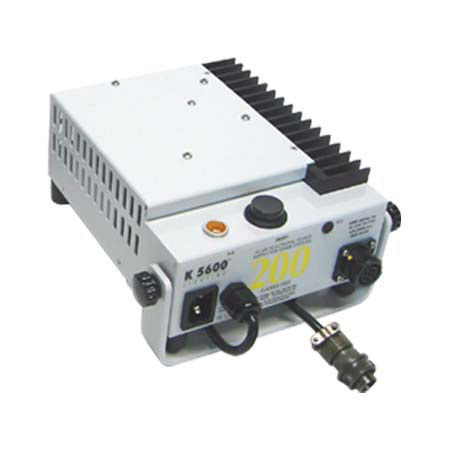
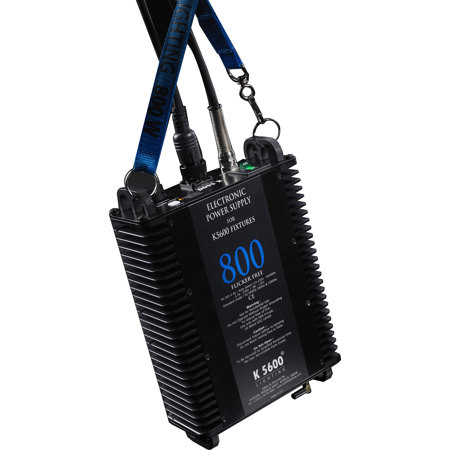
When selecting ballast lights, several factors come into play to guarantee compatibility and longevity. First and foremost, it’s vital to match the ballast specifications—such as voltage, bulb type, and the number of lamps—to your existing fixture. Magnetic ballasts, while durable, are more commonly found in older installations and can sometimes produce a characteristic buzzing sound or even a faint odor if they start to fail. Modern electronic ballasts offer quieter operation, improved energy efficiency, and better performance with today’s lighting technologies. Signs that a ballast may need replacement include persistent flickering, reduced light output, buzzing noises, or lamps that fail to start altogether. For those considering a transition to LED lighting, it’s important to note that some LED tubes are designed to work with existing ballasts, while others require a direct connection to the main voltage, bypassing the ballast entirely. This makes it essential to review your fixture’s compatibility before making a purchase. Ballast lights are indispensable for photographers, videographers, and content creators who require consistent color temperature and brightness during shoots, as well as for facility managers and homeowners seeking reliable, cost-effective lighting. They also make a thoughtful gift for anyone undertaking a renovation or setting up a creative workspace, as dependable lighting is foundational to productivity and comfort.
In specialized environments such as recording studios, broadcast control rooms, and live event venues, the right lighting can make all the difference in visibility and ambiance. Ballast lights, when paired with other purpose-built fixtures like Console Lights, can help create a balanced and functional lighting scheme that enhances workflow and minimizes eye strain. As the season continues to bring shorter days and longer nights, investing in quality ballast lights ensures that your workspace remains bright, safe, and inviting. Whether you’re replacing a worn-out unit or upgrading to a more efficient system, understanding the role of the ballast and selecting the right components will help you maintain a lighting environment that stands the test of time. From preventing premature lamp failure to ensuring smooth, uninterrupted operation, the right ballast light is an investment in both performance and peace of mind.
When selecting ballast lights, several factors come into play to guarantee compatibility and longevity. First and foremost, it’s vital to match the ballast specifications—such as voltage, bulb type, and the number of lamps—to your existing fixture. Magnetic ballasts, while durable, are more commonly found in older installations and can sometimes produce a characteristic buzzing sound or even a faint odor if they start to fail. Modern electronic ballasts offer quieter operation, improved energy efficiency, and better performance with today’s lighting technologies. Signs that a ballast may need replacement include persistent flickering, reduced light output, buzzing noises, or lamps that fail to start altogether. For those considering a transition to LED lighting, it’s important to note that some LED tubes are designed to work with existing ballasts, while others require a direct connection to the main voltage, bypassing the ballast entirely. This makes it essential to review your fixture’s compatibility before making a purchase. Ballast lights are indispensable for photographers, videographers, and content creators who require consistent color temperature and brightness during shoots, as well as for facility managers and homeowners seeking reliable, cost-effective lighting. They also make a thoughtful gift for anyone undertaking a renovation or setting up a creative workspace, as dependable lighting is foundational to productivity and comfort.
In specialized environments such as recording studios, broadcast control rooms, and live event venues, the right lighting can make all the difference in visibility and ambiance. Ballast lights, when paired with other purpose-built fixtures like Console Lights, can help create a balanced and functional lighting scheme that enhances workflow and minimizes eye strain. As the season continues to bring shorter days and longer nights, investing in quality ballast lights ensures that your workspace remains bright, safe, and inviting. Whether you’re replacing a worn-out unit or upgrading to a more efficient system, understanding the role of the ballast and selecting the right components will help you maintain a lighting environment that stands the test of time. From preventing premature lamp failure to ensuring smooth, uninterrupted operation, the right ballast light is an investment in both performance and peace of mind.