Barlow Lenses for Telescope Eyepieces
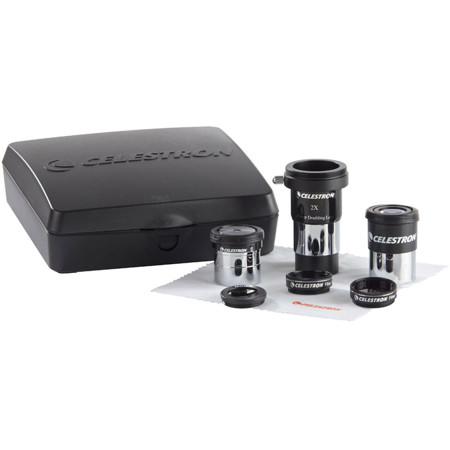
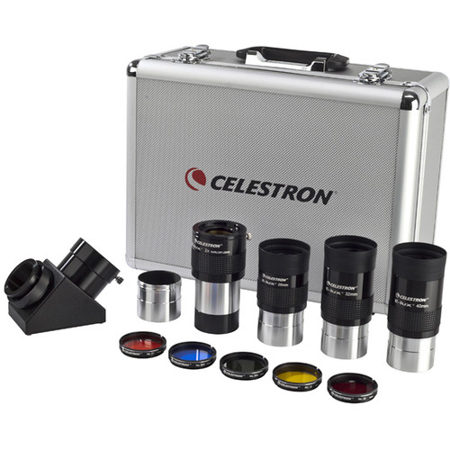
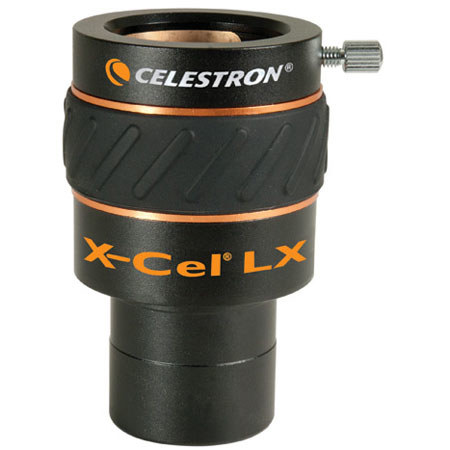
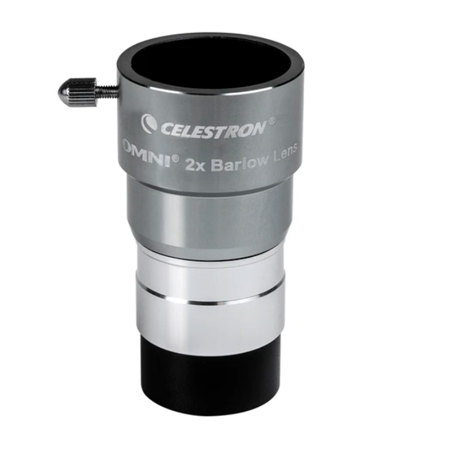
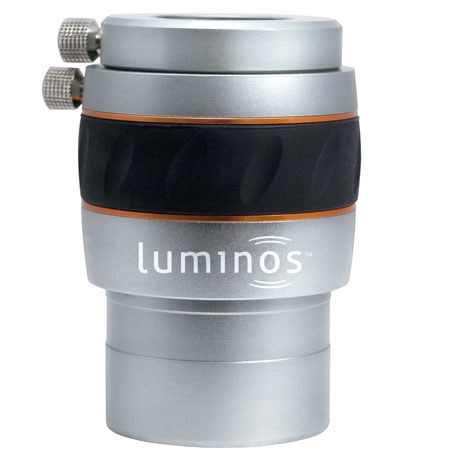
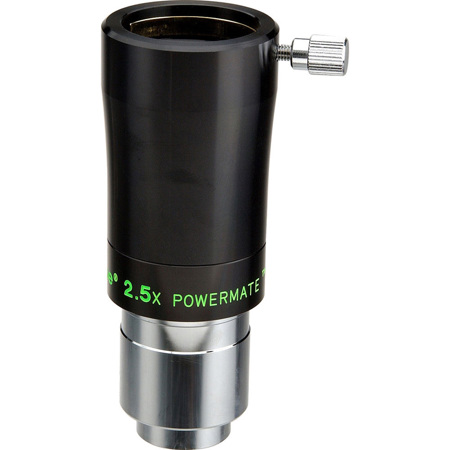
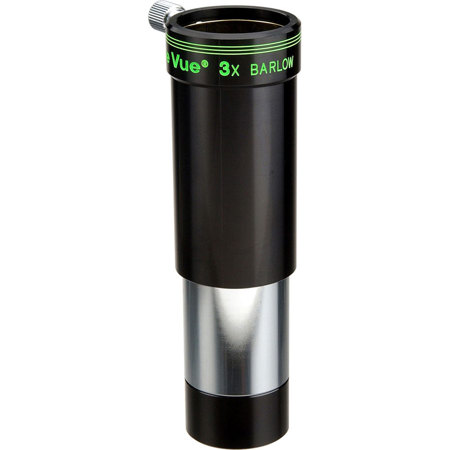
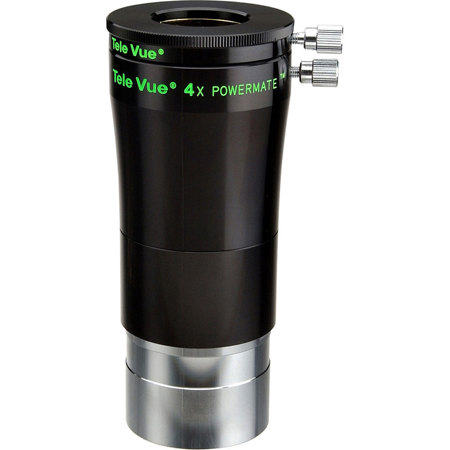
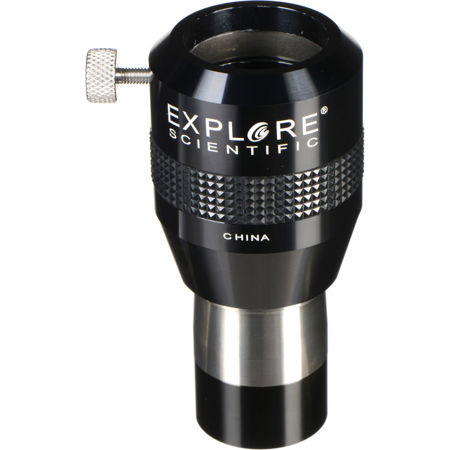
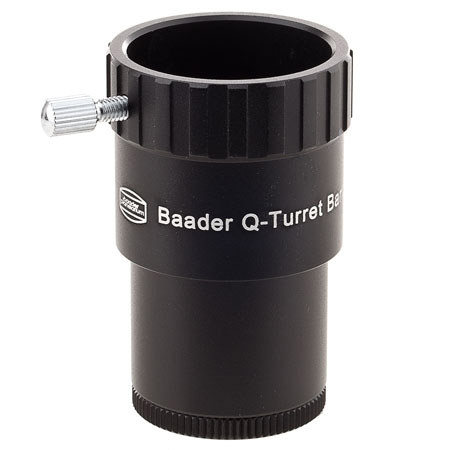
Barlow lenses are an essential addition to any astronomer’s toolkit, whether you’re a seasoned stargazer or just beginning to explore the night sky. By inserting a Barlow lens between your telescope’s focuser and eyepiece, you can instantly multiply the magnification power of your existing eyepiece collection—often doubling or even tripling it—without sacrificing eye relief or comfort. This makes Barlow lenses a practical and cost-effective way to expand your viewing options, especially as the nights grow longer and clearer from mid-summer into the cooler fall months. Whether you’re observing the intricate craters of the Moon, tracking the shifting bands of Jupiter, or capturing fleeting views of Saturn’s rings, a quality Barlow lens reveals details that would otherwise remain out of reach. The versatility of these lenses also makes them a thoughtful gift for astronomy enthusiasts of all ages, perfect for birthdays, milestones, or as a surprise for someone who’s been captivated by the cosmos since childhood. For families and educators, a Barlow lens can transform a backyard telescope session into an immersive learning experience, letting everyone appreciate the universe in sharper, more vivid detail.
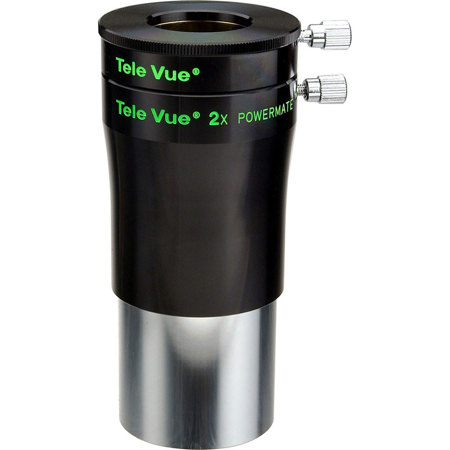
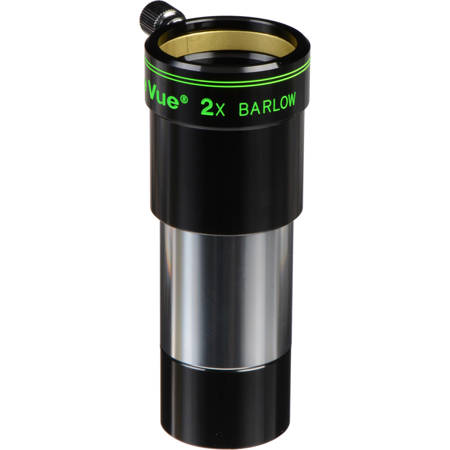
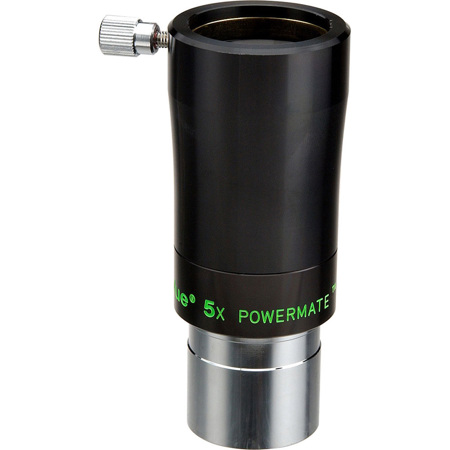
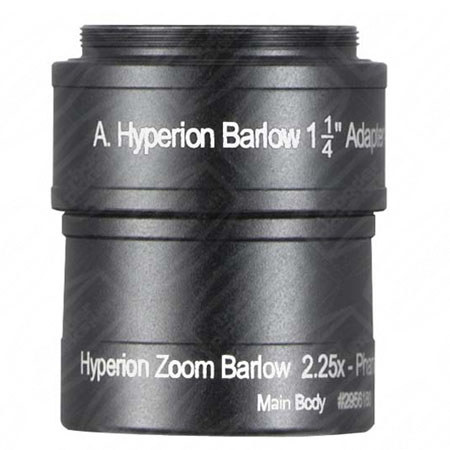
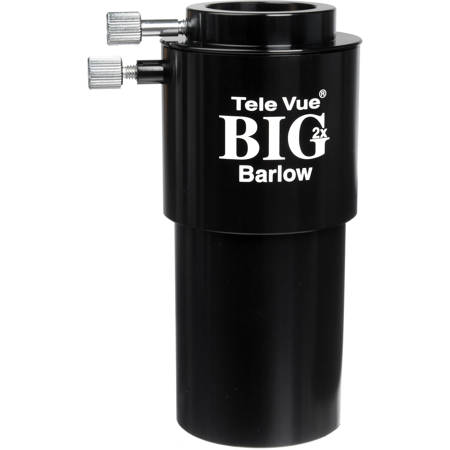
When considering a Barlow lens for your telescope eyepieces, it’s important to match the lens’s barrel size—typically 1.25-inch or 2-inch—to your telescope’s focuser and the eyepieces you already own. The most popular choices are 2x or 3x magnification, but options up to 5x exist for those who crave extreme planetary or lunar detail. Optical quality is another key factor; lenses with apochromatic (APO) multi-coated glass minimize chromatic aberration and deliver high contrast, making bright celestial objects stand out against the dark sky. If you’re interested in planetary observation, pairing a high-quality Barlow lens with the right eyepiece can make all the difference—especially for those nights when atmospheric conditions are just right for pushing your telescope’s capabilities. Many amateur astronomers recall their first clear view of Saturn’s Cassini Division or the swirling storms on Jupiter, made possible by the extra reach of a Barlow lens. It’s these unforgettable moments that inspire many to keep exploring and investing in their astronomy setup. For more options and expert recommendations on maximizing your planetary views, explore our curated selection of Telescope Eyepieces for Planetary Viewing to complement your Barlow lens and elevate your stargazing experience throughout the observing season.
When considering a Barlow lens for your telescope eyepieces, it’s important to match the lens’s barrel size—typically 1.25-inch or 2-inch—to your telescope’s focuser and the eyepieces you already own. The most popular choices are 2x or 3x magnification, but options up to 5x exist for those who crave extreme planetary or lunar detail. Optical quality is another key factor; lenses with apochromatic (APO) multi-coated glass minimize chromatic aberration and deliver high contrast, making bright celestial objects stand out against the dark sky. If you’re interested in planetary observation, pairing a high-quality Barlow lens with the right eyepiece can make all the difference—especially for those nights when atmospheric conditions are just right for pushing your telescope’s capabilities. Many amateur astronomers recall their first clear view of Saturn’s Cassini Division or the swirling storms on Jupiter, made possible by the extra reach of a Barlow lens. It’s these unforgettable moments that inspire many to keep exploring and investing in their astronomy setup. For more options and expert recommendations on maximizing your planetary views, explore our curated selection of Telescope Eyepieces for Planetary Viewing to complement your Barlow lens and elevate your stargazing experience throughout the observing season.