Telescope Lenses
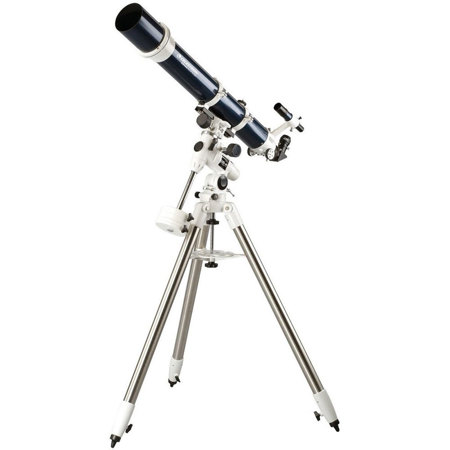
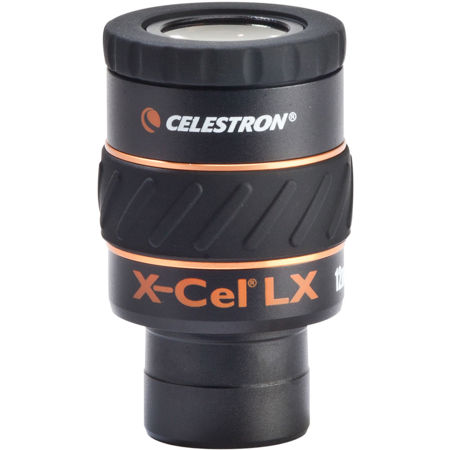
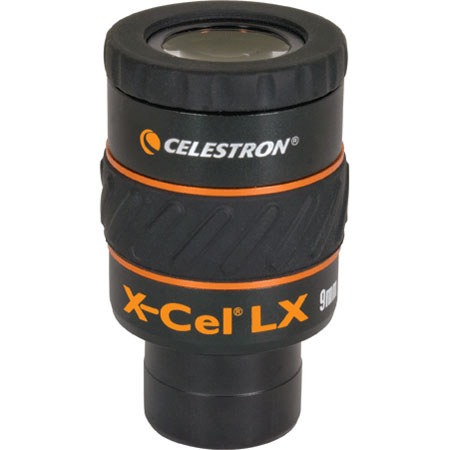
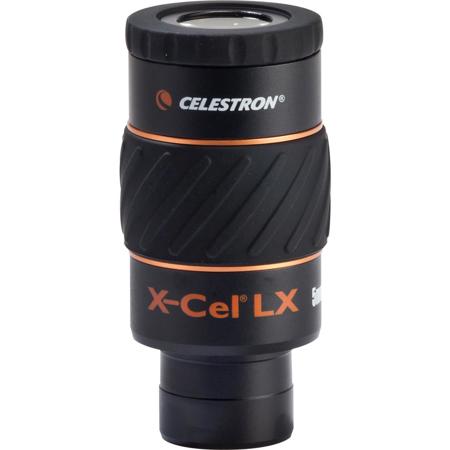
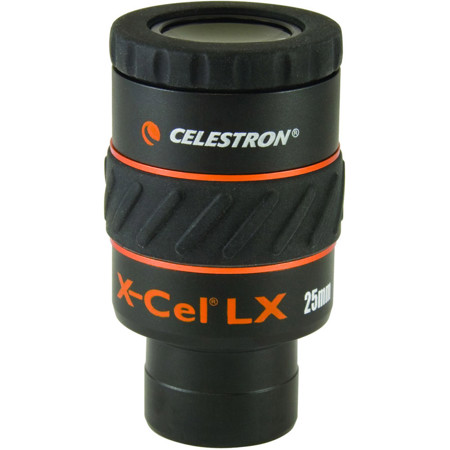
Telescope lenses are the heart of any stargazing setup, transforming distant points of light into breathtaking vistas of the cosmos. Whether you’re an experienced astronomer or a curious beginner, choosing the right combination of eyepieces and objective lenses can dramatically enhance your celestial observations. The objective lens, often found in refractor telescopes, serves as the gateway for gathering light and forming crisp images at the focal plane. Paired with carefully selected eyepieces, these lenses allow you to adjust magnification and field of view, tailoring your experience to everything from the intricate craters of the Moon to the delicate wisps of far-off nebulae. As February’s clear, cold nights offer some of the best conditions for astronomy—when the air is steady and the Orion constellation dominates the sky—many enthusiasts find themselves drawn outdoors, bundled up against the chill, to witness the wonders above. For those new to the hobby, understanding focal length is key: lower focal length eyepieces (such as 4mm or 6mm) offer higher magnification, perfect for close-up views of Saturn’s rings or the rugged lunar surface, while longer focal lengths (20mm or 32mm) provide expansive, bright fields ideal for scanning star clusters or the cloudy arms of the Milky Way.
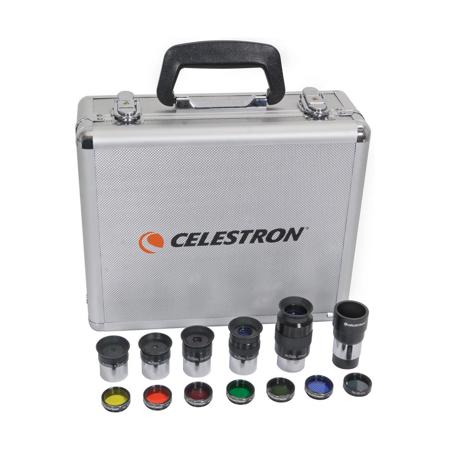
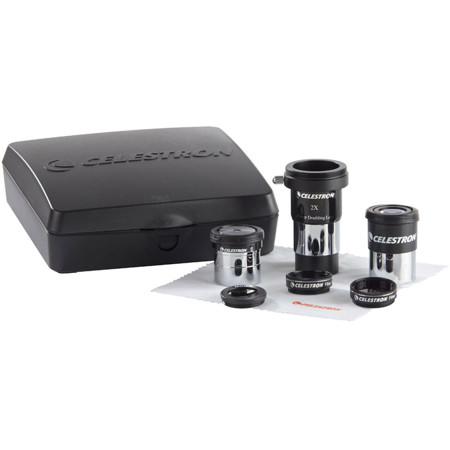
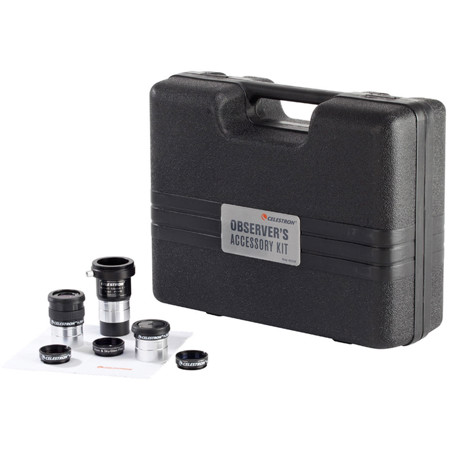
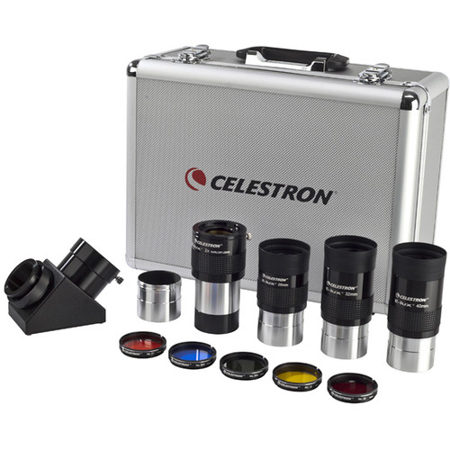
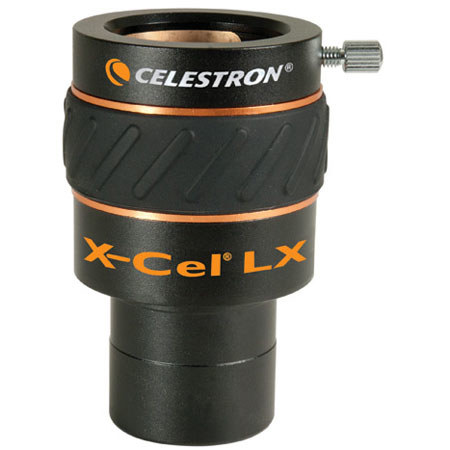
Selecting telescope lenses is a deeply personal process, influenced by your observing interests, your telescope’s specifications, and even whether you wear glasses—since eye relief becomes especially important for comfort during long sessions. Some astronomers build collections of specialized eyepieces, each chosen for a particular target: a high-contrast Plössl for planetary detail, a wide-angle lens with a generous apparent field of view for deep-sky objects, or a versatile zoom eyepiece for quick adjustments on the fly. Others prefer the convenience and value of comprehensive sets, such as those found in curated Telescope Lens Kits, which assemble a range of focal lengths and accessories in one package. These kits make thoughtful gifts for budding astronomers, students, or anyone with a sense of wonder about the night sky—imagine the delight of a child seeing Jupiter’s bands or the Pleiades cluster for the first time through their own lens. For those looking to expand their capabilities, adding a Barlow lens can double or even triple the magnification of existing eyepieces, while maintaining image quality and flexibility. As you explore the universe, your collection of telescope lenses becomes an evolving toolkit, each piece unlocking new details and perspectives. Whether you’re sharing a frosty evening with friends at a star party or quietly observing from your backyard, the right lenses turn every night under the stars into a memorable adventure, revealing sights that inspire curiosity and awe for years to come.
Selecting telescope lenses is a deeply personal process, influenced by your observing interests, your telescope’s specifications, and even whether you wear glasses—since eye relief becomes especially important for comfort during long sessions. Some astronomers build collections of specialized eyepieces, each chosen for a particular target: a high-contrast Plössl for planetary detail, a wide-angle lens with a generous apparent field of view for deep-sky objects, or a versatile zoom eyepiece for quick adjustments on the fly. Others prefer the convenience and value of comprehensive sets, such as those found in curated Telescope Lens Kits, which assemble a range of focal lengths and accessories in one package. These kits make thoughtful gifts for budding astronomers, students, or anyone with a sense of wonder about the night sky—imagine the delight of a child seeing Jupiter’s bands or the Pleiades cluster for the first time through their own lens. For those looking to expand their capabilities, adding a Barlow lens can double or even triple the magnification of existing eyepieces, while maintaining image quality and flexibility. As you explore the universe, your collection of telescope lenses becomes an evolving toolkit, each piece unlocking new details and perspectives. Whether you’re sharing a frosty evening with friends at a star party or quietly observing from your backyard, the right lenses turn every night under the stars into a memorable adventure, revealing sights that inspire curiosity and awe for years to come.