Astronomy Lenses
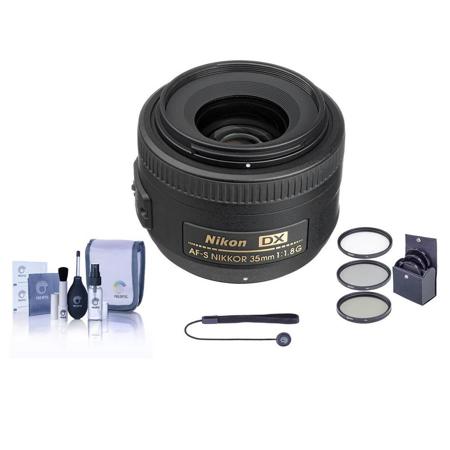
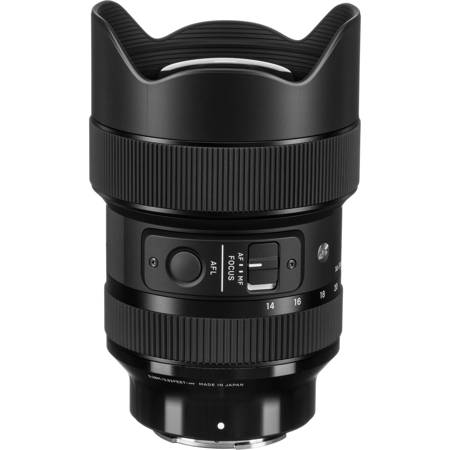
Astrophotography opens up a world of creativity and discovery, offering photographers the chance to capture the wonders of the night sky in breathtaking detail. The right astronomy lens is essential for achieving crisp, vibrant images of celestial objects, whether you’re chasing the glow of the Milky Way, photographing meteor showers on clear summer nights, or documenting the subtle hues of a lunar eclipse as the seasons shift toward fall. Wide-angle lenses with fast maximum apertures are favored by many for their ability to gather ample light and minimize noise, allowing for shorter exposures that freeze the stars as sharp points rather than trails. Lenses in the 14mm to 24mm range on full-frame cameras, or 10mm to 16mm for APS-C sensors, are especially popular for capturing expansive landscapes beneath a canopy of stars. These wide focal lengths help showcase both the terrestrial foreground and the cosmic backdrop in a single frame, making them ideal for those who love to blend landscape photography with astronomy. For those seeking to photograph deep-sky objects, such as distant nebulae or star clusters, telephoto lenses—often in the 70-200mm or even 300mm range—paired with a star tracker can reveal incredible detail and color in objects invisible to the naked eye.
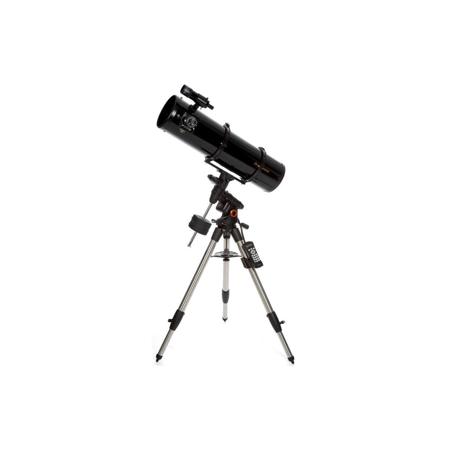
Selecting an astronomy lens involves thoughtful consideration of several key factors. A fast aperture, typically between f/1.4 and f/2.8, is crucial for collecting the faint light of stars and galaxies, especially during the darker nights of late summer and early fall when the Milky Way is at its most vivid. Optical quality matters immensely; look for lenses with minimal coma and astigmatism, as these aberrations can distort the shape of stars near the edges of your frame, turning pinpoint lights into streaks or smudges. Build quality is also important, especially for those venturing into dew-laden fields or enduring chilly nights under open skies. Weather-sealed lenses offer peace of mind and durability for both seasoned astrophotographers and those just beginning to explore the cosmos. Astronomy lenses also make thoughtful gifts for anyone captivated by the night sky—whether it’s a budding stargazer eager to document their first meteor shower, a seasoned photographer expanding their creative horizons, or a student with a passion for science. The experience of setting up a camera under the stars, waiting for the perfect moment, and capturing an image that reveals the universe in ways the naked eye cannot is profoundly rewarding and often inspires a lifelong love of astronomy. For those looking to deepen their exploration, pairing a dedicated lens with other specialized equipment can further enhance results; those interested in more advanced setups may wish to explore our selection of Professional Astronomy Telescopes for even greater reach and clarity.
Throughout the warmer months and into the crisp evenings of fall, astronomy lenses empower photographers to take advantage of longer nights and clearer skies. Community star parties, backyard stargazing, and spontaneous trips to remote locations become opportunities to capture everything from the subtle glow of the zodiacal light to dramatic planetary alignments. Families, friends, and solo adventurers alike find joy in setting up their cameras and watching as the constellations wheel overhead. Whether you’re planning to document a once-in-a-lifetime celestial event or simply wish to preserve the memory of a quiet night under the stars, investing in a high-quality astronomy lens ensures that every detail—from the faintest star to the sweeping arc of the Milky Way—is rendered with clarity and brilliance. The right lens not only enhances technical performance but also enriches the experience of connecting with the universe, making each night spent under the sky a memorable adventure.
Selecting an astronomy lens involves thoughtful consideration of several key factors. A fast aperture, typically between f/1.4 and f/2.8, is crucial for collecting the faint light of stars and galaxies, especially during the darker nights of late summer and early fall when the Milky Way is at its most vivid. Optical quality matters immensely; look for lenses with minimal coma and astigmatism, as these aberrations can distort the shape of stars near the edges of your frame, turning pinpoint lights into streaks or smudges. Build quality is also important, especially for those venturing into dew-laden fields or enduring chilly nights under open skies. Weather-sealed lenses offer peace of mind and durability for both seasoned astrophotographers and those just beginning to explore the cosmos. Astronomy lenses also make thoughtful gifts for anyone captivated by the night sky—whether it’s a budding stargazer eager to document their first meteor shower, a seasoned photographer expanding their creative horizons, or a student with a passion for science. The experience of setting up a camera under the stars, waiting for the perfect moment, and capturing an image that reveals the universe in ways the naked eye cannot is profoundly rewarding and often inspires a lifelong love of astronomy. For those looking to deepen their exploration, pairing a dedicated lens with other specialized equipment can further enhance results; those interested in more advanced setups may wish to explore our selection of Professional Astronomy Telescopes for even greater reach and clarity.
Throughout the warmer months and into the crisp evenings of fall, astronomy lenses empower photographers to take advantage of longer nights and clearer skies. Community star parties, backyard stargazing, and spontaneous trips to remote locations become opportunities to capture everything from the subtle glow of the zodiacal light to dramatic planetary alignments. Families, friends, and solo adventurers alike find joy in setting up their cameras and watching as the constellations wheel overhead. Whether you’re planning to document a once-in-a-lifetime celestial event or simply wish to preserve the memory of a quiet night under the stars, investing in a high-quality astronomy lens ensures that every detail—from the faintest star to the sweeping arc of the Milky Way—is rendered with clarity and brilliance. The right lens not only enhances technical performance but also enriches the experience of connecting with the universe, making each night spent under the sky a memorable adventure.