Long Focal Length Telescopes
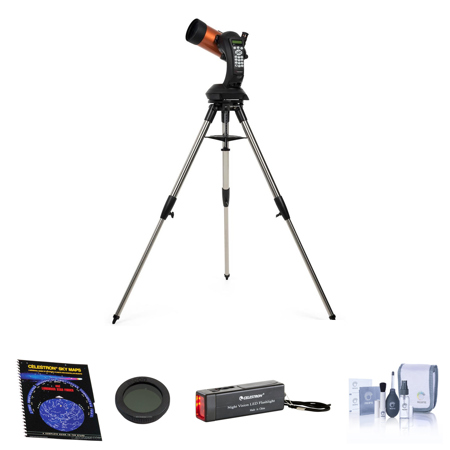
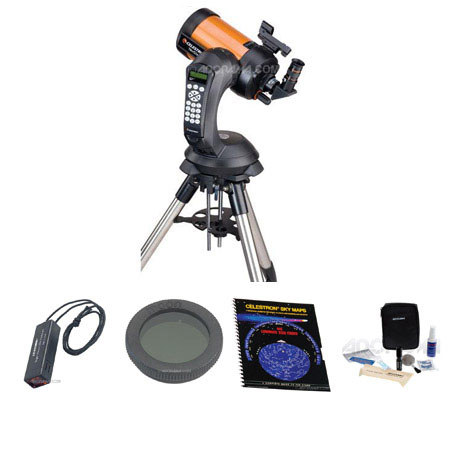
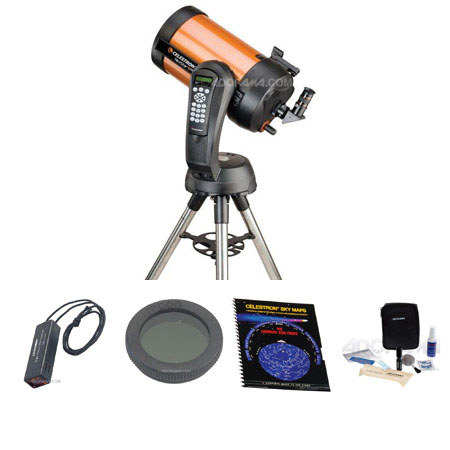
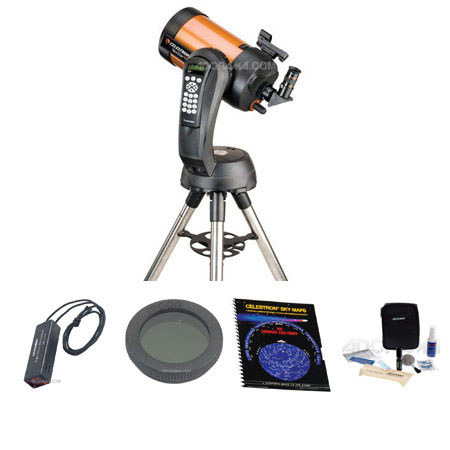
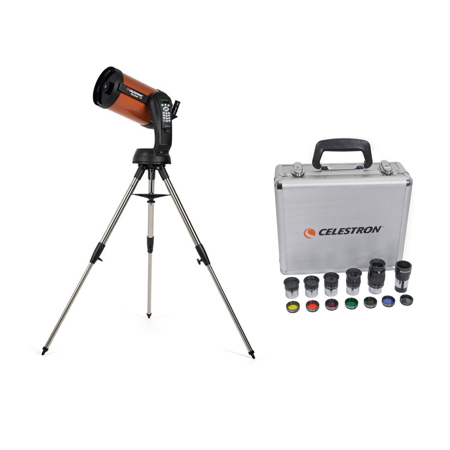
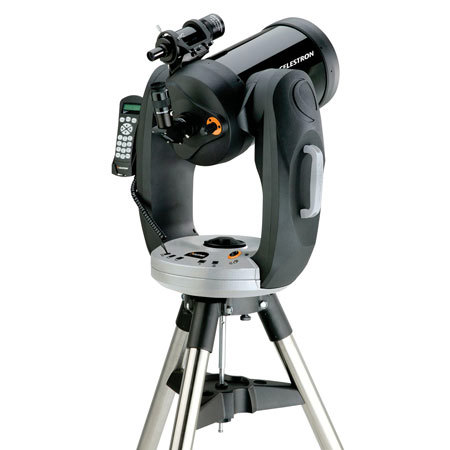
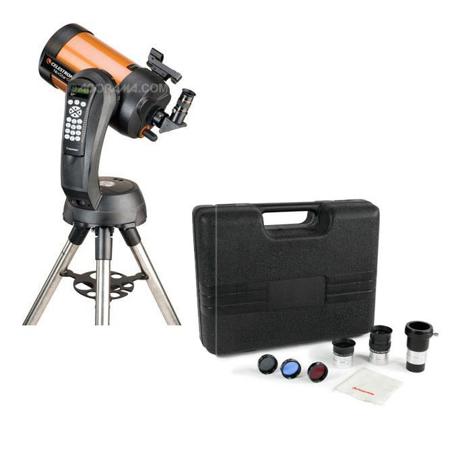
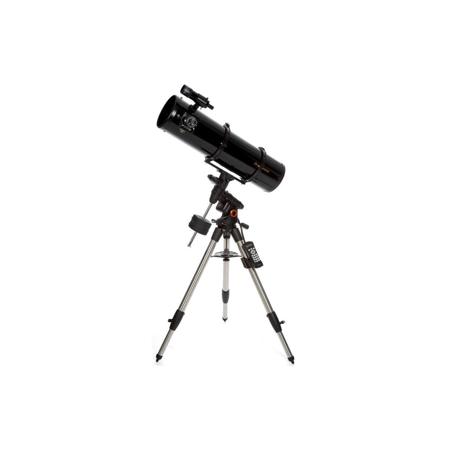
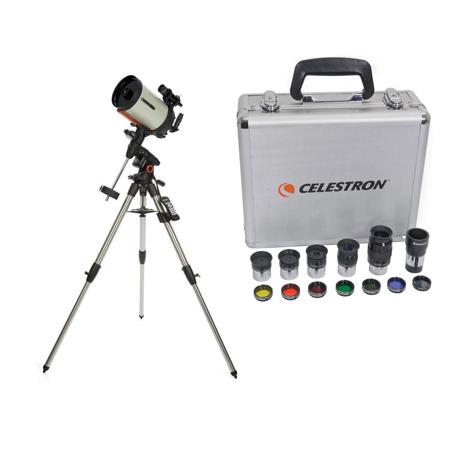
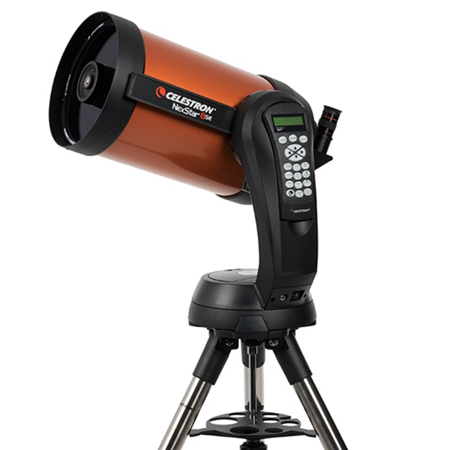
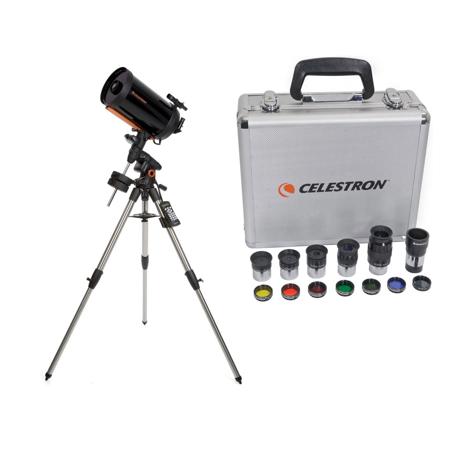
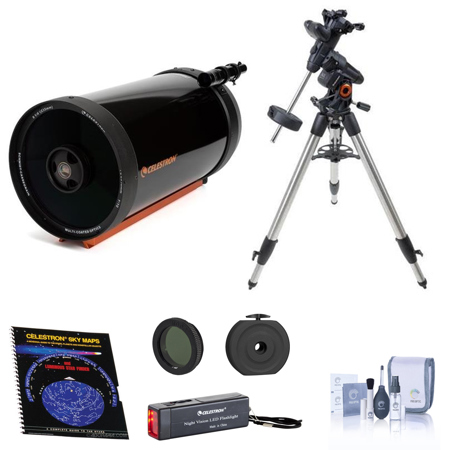
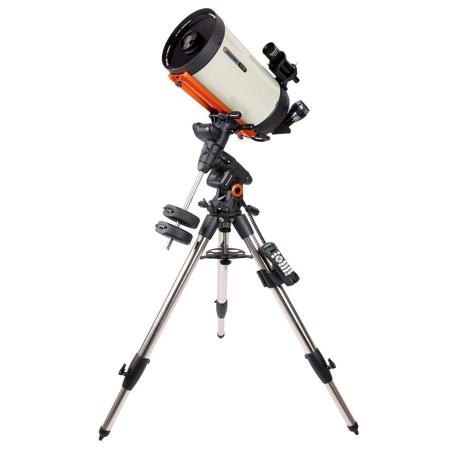
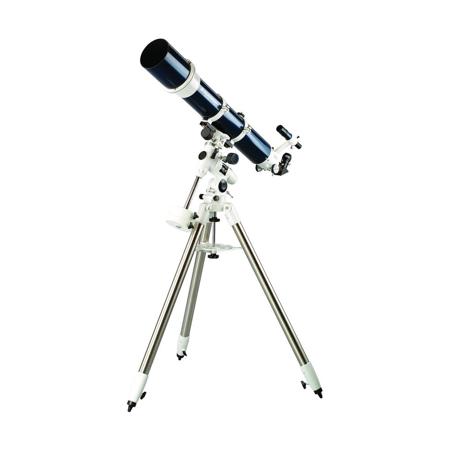
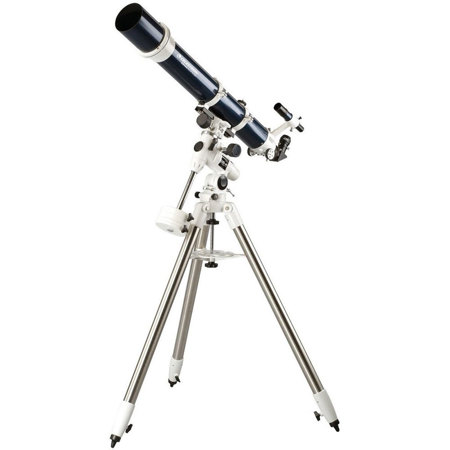
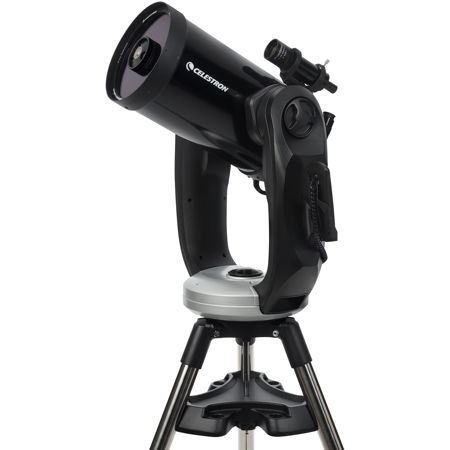
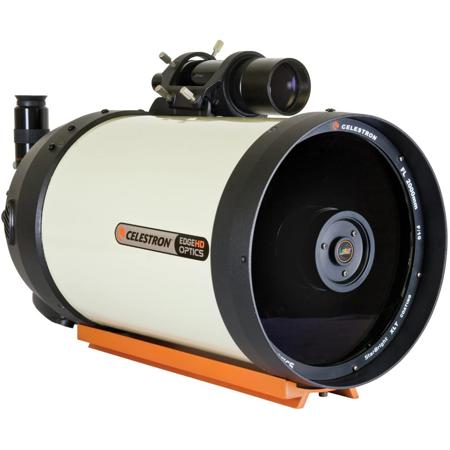
Long focal length telescopes are prized by both dedicated astronomers and passionate hobbyists for their ability to deliver striking, high-magnification views of distant celestial objects. These telescopes are particularly well-suited for observing fine details on the Moon’s rugged surface, tracing the cloud bands of Jupiter, or catching fleeting glimpses of Saturn’s rings. Their extended focal lengths, often ranging from 1,500mm to nearly 4,000mm or more, provide the image scale necessary to resolve subtle planetary features and tease apart close double stars. Despite their impressive reach, modern optical designs—especially folded-path systems—allow these telescopes to remain surprisingly compact and portable, making them a favorite for backyard stargazers and those who travel to darker skies in search of steadier seeing conditions. As the nights grow longer and the air turns crisp, these telescopes come into their own, offering stable views during the cooler months when atmospheric turbulence often subsides, revealing even sharper planetary detail. Whether you’re setting up for a family night under the stars or preparing for a solo imaging session, the experience of seeing Saturn’s Cassini Division or the intricate craters of the lunar terminator through a long focal length scope is unforgettable.
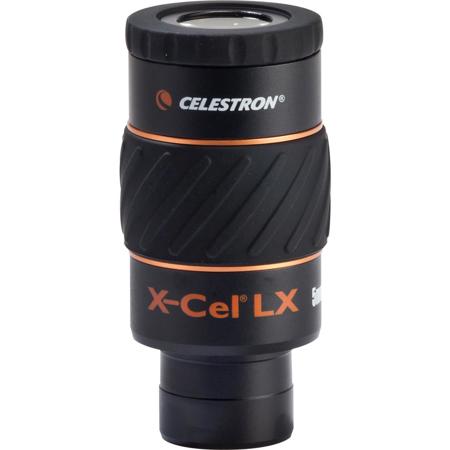
For those interested in astrophotography, long focal length telescopes present both exciting opportunities and unique challenges. Their narrow fields of view and higher f-ratios are ideal for isolating small, bright targets like planets, planetary nebulae, and compact galaxies, but they do demand more from supporting equipment. A robust equatorial mount is essential to counteract the effects of wind and ensure smooth tracking, especially during long exposure sessions. Precise autoguiding becomes crucial at these magnifications, as even slight tracking errors can blur fine details. Many experienced imagers invest in high-quality Telescope Lenses and accessories to further refine their setup, enhancing contrast and sharpness for truly breathtaking results. Long focal length telescopes also make thoughtful gifts for advanced observers, dedicated students, or anyone with a deep curiosity about the universe. The learning curve may be steeper than with wide-field instruments, but the rewards—crisp planetary images, resolved globular clusters, and the thrill of pushing optical limits—are well worth the effort. Whether you’re looking to upgrade your existing rig or inspire a loved one’s astronomical journey, these telescopes offer a pathway to new discoveries, memorable nights under the stars, and a deeper connection to the cosmos.
For those interested in astrophotography, long focal length telescopes present both exciting opportunities and unique challenges. Their narrow fields of view and higher f-ratios are ideal for isolating small, bright targets like planets, planetary nebulae, and compact galaxies, but they do demand more from supporting equipment. A robust equatorial mount is essential to counteract the effects of wind and ensure smooth tracking, especially during long exposure sessions. Precise autoguiding becomes crucial at these magnifications, as even slight tracking errors can blur fine details. Many experienced imagers invest in high-quality Telescope Lenses and accessories to further refine their setup, enhancing contrast and sharpness for truly breathtaking results. Long focal length telescopes also make thoughtful gifts for advanced observers, dedicated students, or anyone with a deep curiosity about the universe. The learning curve may be steeper than with wide-field instruments, but the rewards—crisp planetary images, resolved globular clusters, and the thrill of pushing optical limits—are well worth the effort. Whether you’re looking to upgrade your existing rig or inspire a loved one’s astronomical journey, these telescopes offer a pathway to new discoveries, memorable nights under the stars, and a deeper connection to the cosmos.