Long-Range Telescopes
Exploring the universe through a long-range telescope is an experience that blends science, art, and curiosity. These telescopes are specially designed for those who crave extraordinary detail and reach—whether you’re aiming to resolve the swirling bands of Jupiter, trace the delicate rings of Saturn, or peer into the distant haze of a faraway galaxy. Long-range telescopes are characterized by their extended focal lengths, which allow for high magnification and precise observation of objects that are millions of miles away. This makes them ideal for planetary viewing, lunar exploration, and even deep-sky astrophotography. During the crisp, clear nights of late winter, when the air is steady and the Orion Nebula hangs bright in the sky, a long-range telescope becomes an essential companion for both seasoned astronomers and passionate beginners. The narrow field of view that comes with these instruments can feel like looking through a cosmic keyhole, but it rewards patience and careful alignment with breathtaking glimpses of the universe’s most elusive wonders.
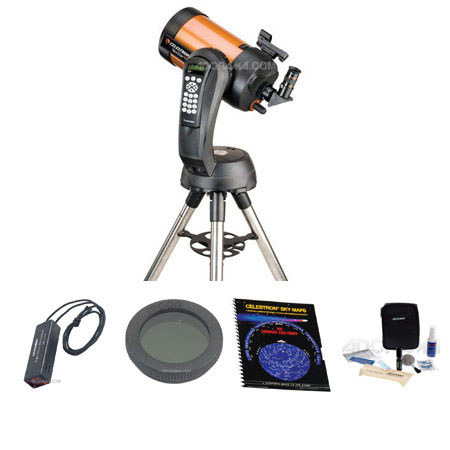
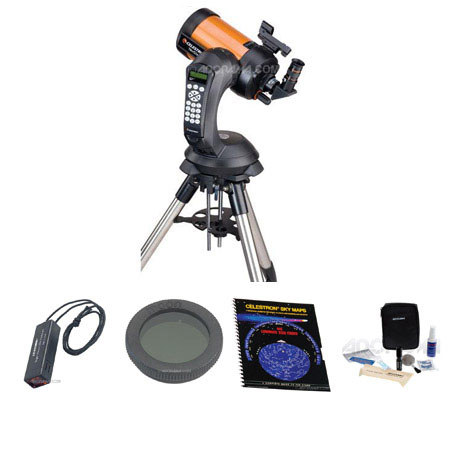
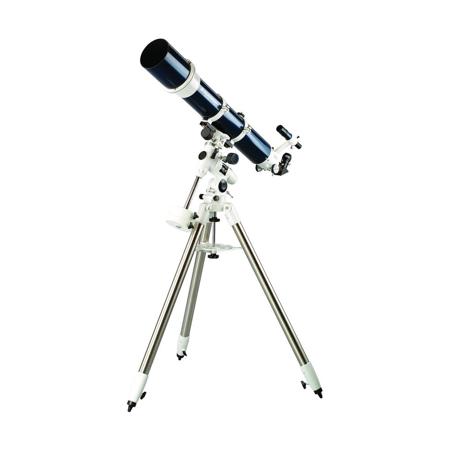
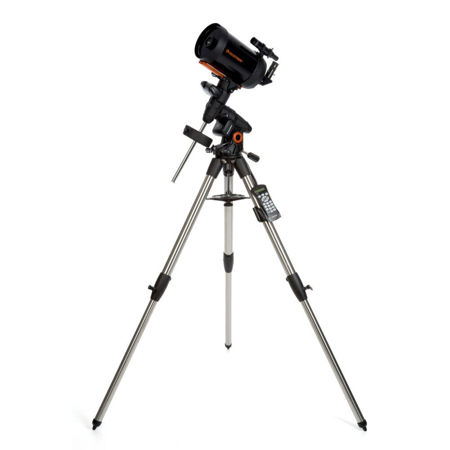
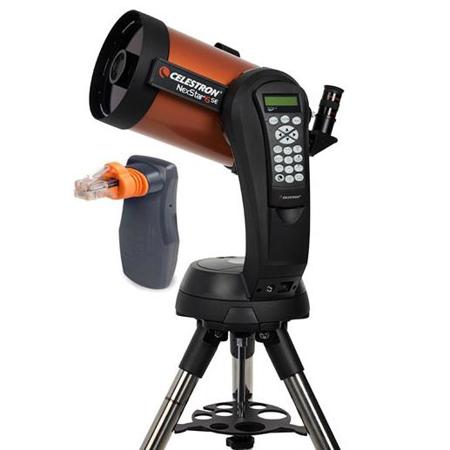
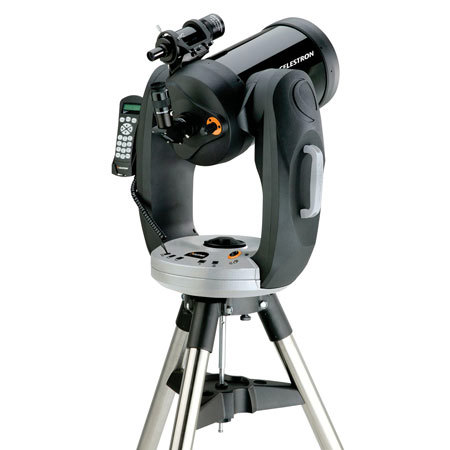
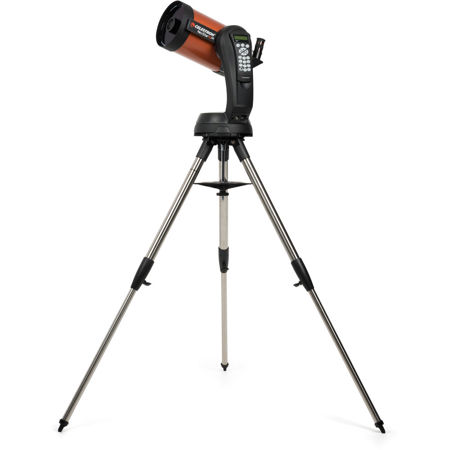
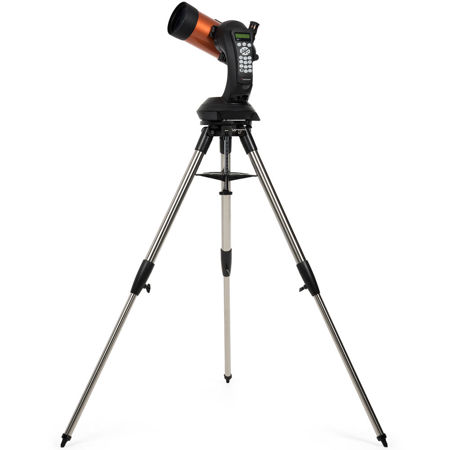
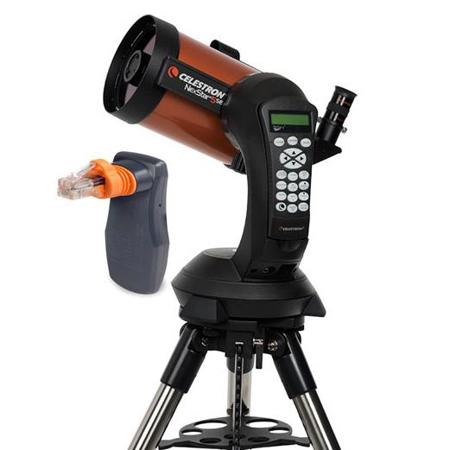
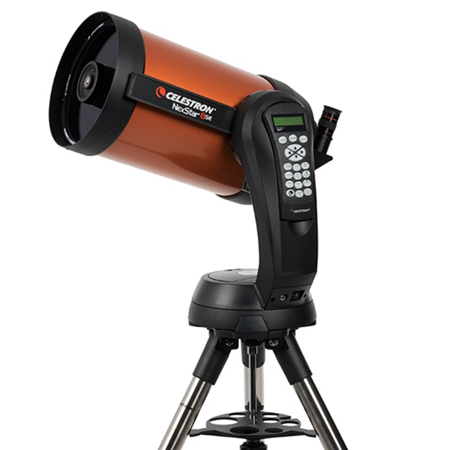
When considering a long-range telescope, it’s important to think about your observing goals, experience level, and the environment where you’ll set up. Many enthusiasts gravitate toward Schmidt-Cassegrain or Maksutov-Cassegrain designs for their impressive focal lengths packed into surprisingly compact tubes—perfect for those who want power without the bulk. Refractors with long, slender tubes are another classic choice, often delivering crisp, high-contrast views of planets and the Moon. However, the greater the magnification, the more critical a stable, precise mount becomes; even the slightest vibration or misalignment can blur those distant details. Computerized mounts have become a game-changer, especially for newcomers, allowing users to locate and track faint objects with the push of a button. For those interested in capturing images, modern long-range telescopes can be paired with cameras or smartphones, transforming them into powerful tools for astrophotography or even terrestrial “digiscoping”—spotting wildlife across a frozen February landscape or surveying distant mountain peaks. Long-range telescopes also make memorable gifts for students, hobbyists, or anyone who has ever looked up at the night sky and wondered what lies beyond. The thrill of seeing Saturn’s rings or the craters of the Moon firsthand never fades, and for many, it sparks a lifelong passion for discovery.
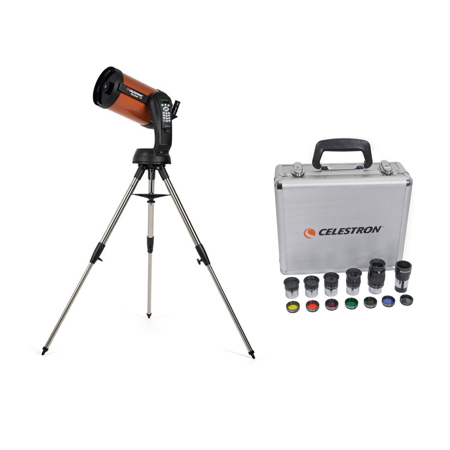
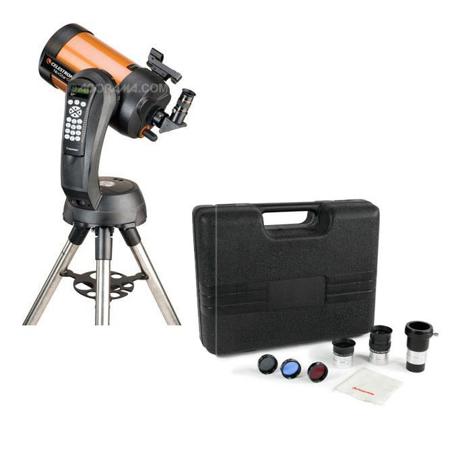
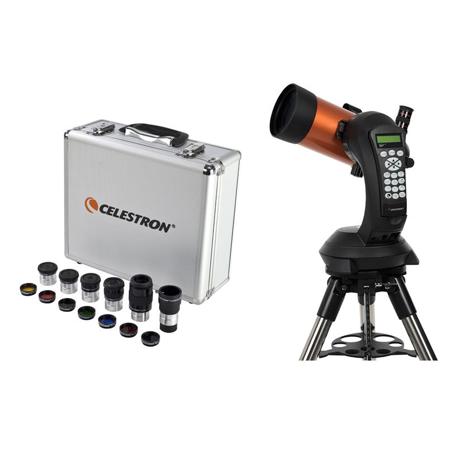
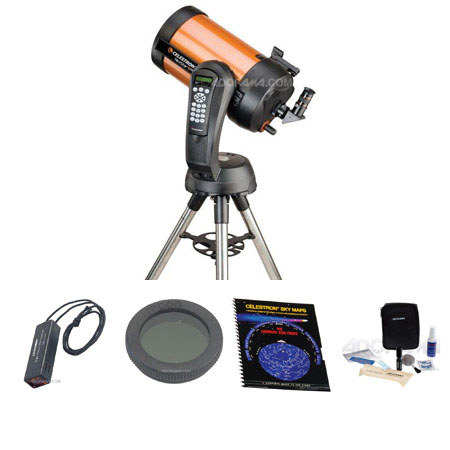
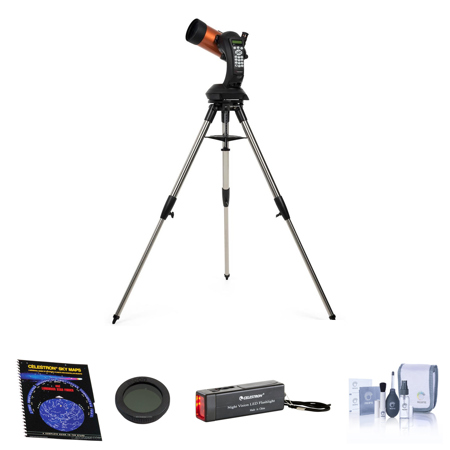
Choosing the right long-range telescope is a personal journey. Some may prefer the simplicity and aperture of a Dobsonian for bright, wide-field views, while others seek the pinpoint accuracy and magnification of a high-end catadioptric design. Accessories like sturdy tripods, motorized tracking systems, and high-quality eyepieces can further enhance the viewing experience, ensuring that each session is comfortable and rewarding. Adorama telescopes are curated to suit a wide range of needs, from beginner-friendly models with intuitive controls to advanced setups for dedicated astronomers. If you’re ready to take your cosmic exploration to the next level, explore our selection of Advanced Telescopes for even more options and inspiration. Whether you’re scanning the lunar surface, chasing the shadows of Jupiter’s moons, or capturing the faint glow of distant galaxies, a long-range telescope opens up a universe of possibilities—each night offering a new adventure under the stars.
When considering a long-range telescope, it’s important to think about your observing goals, experience level, and the environment where you’ll set up. Many enthusiasts gravitate toward Schmidt-Cassegrain or Maksutov-Cassegrain designs for their impressive focal lengths packed into surprisingly compact tubes—perfect for those who want power without the bulk. Refractors with long, slender tubes are another classic choice, often delivering crisp, high-contrast views of planets and the Moon. However, the greater the magnification, the more critical a stable, precise mount becomes; even the slightest vibration or misalignment can blur those distant details. Computerized mounts have become a game-changer, especially for newcomers, allowing users to locate and track faint objects with the push of a button. For those interested in capturing images, modern long-range telescopes can be paired with cameras or smartphones, transforming them into powerful tools for astrophotography or even terrestrial “digiscoping”—spotting wildlife across a frozen February landscape or surveying distant mountain peaks. Long-range telescopes also make memorable gifts for students, hobbyists, or anyone who has ever looked up at the night sky and wondered what lies beyond. The thrill of seeing Saturn’s rings or the craters of the Moon firsthand never fades, and for many, it sparks a lifelong passion for discovery.
Choosing the right long-range telescope is a personal journey. Some may prefer the simplicity and aperture of a Dobsonian for bright, wide-field views, while others seek the pinpoint accuracy and magnification of a high-end catadioptric design. Accessories like sturdy tripods, motorized tracking systems, and high-quality eyepieces can further enhance the viewing experience, ensuring that each session is comfortable and rewarding. Adorama telescopes are curated to suit a wide range of needs, from beginner-friendly models with intuitive controls to advanced setups for dedicated astronomers. If you’re ready to take your cosmic exploration to the next level, explore our selection of Advanced Telescopes for even more options and inspiration. Whether you’re scanning the lunar surface, chasing the shadows of Jupiter’s moons, or capturing the faint glow of distant galaxies, a long-range telescope opens up a universe of possibilities—each night offering a new adventure under the stars.