Batteries for Home Security Systems
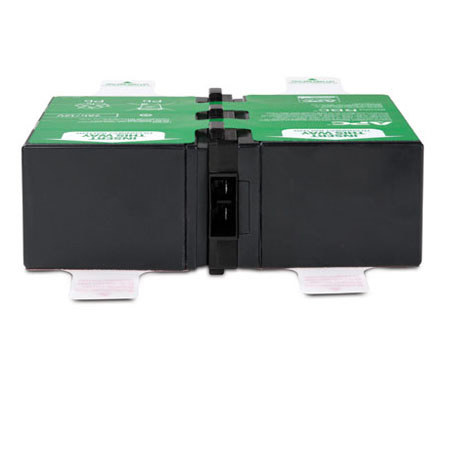
When it comes to maintaining the reliability and performance of your home security system, having the right batteries on hand is essential for uninterrupted protection. Home security systems rely on a variety of battery types, each tailored to specific devices and components. Traditional wired alarm panels commonly use a single 12V backup battery—typically with a 4.5Ah, 5Ah, or 7Ah capacity—tucked away in a sturdy metal enclosure, often hidden in a closet or basement. These sealed lead-acid (SLA) or absorbed glass mat (AGM) batteries are designed to keep your system running during unexpected power outages, ensuring your alarms and sensors remain active when you need them most. The average lifespan for these backup batteries ranges from three to five years, making regular inspection and timely replacement a smart part of any home maintenance routine. As the weather warms and summer storms become more frequent, or as cooler months bring the threat of outages, being prepared with a fresh backup battery can make all the difference in your peace of mind.
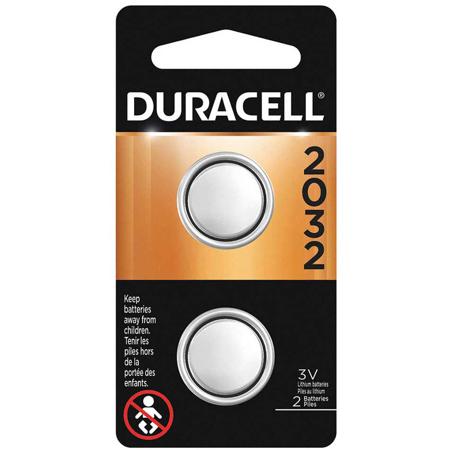
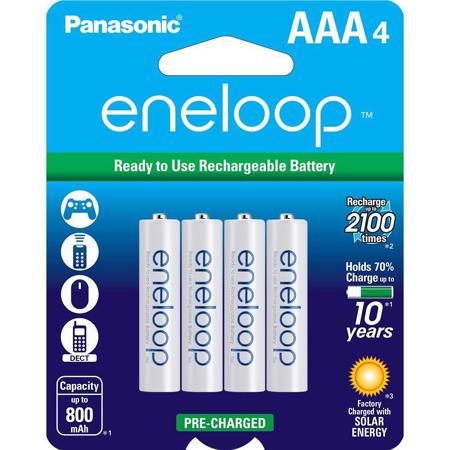
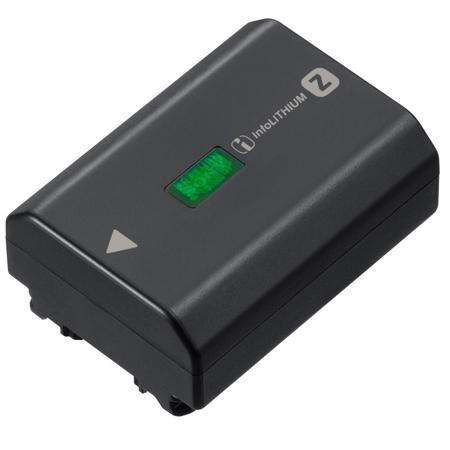
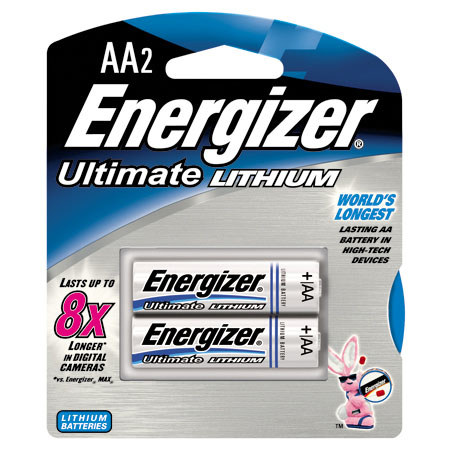
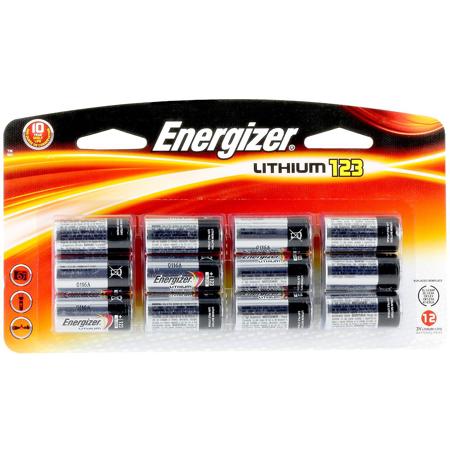
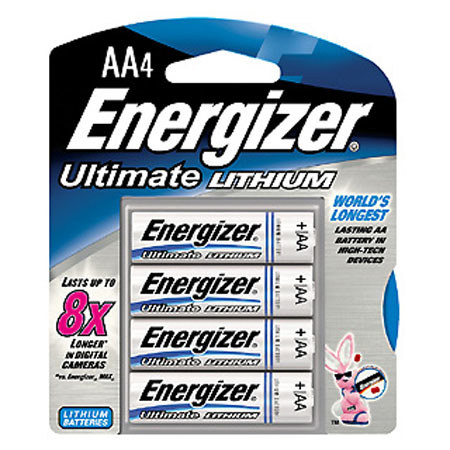
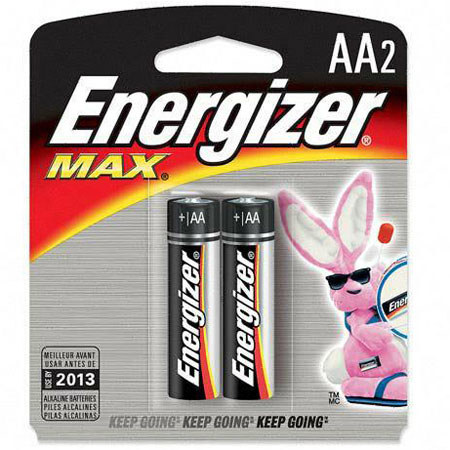
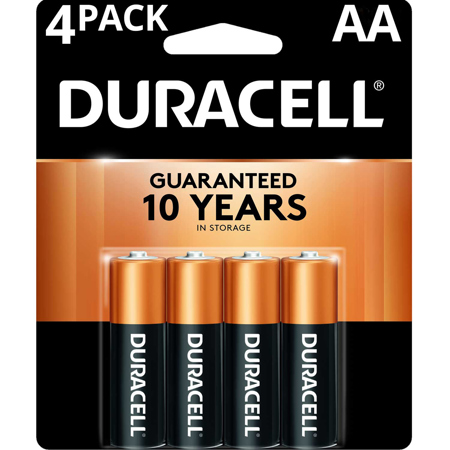
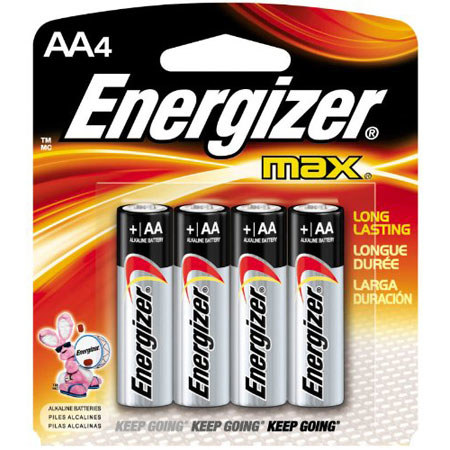
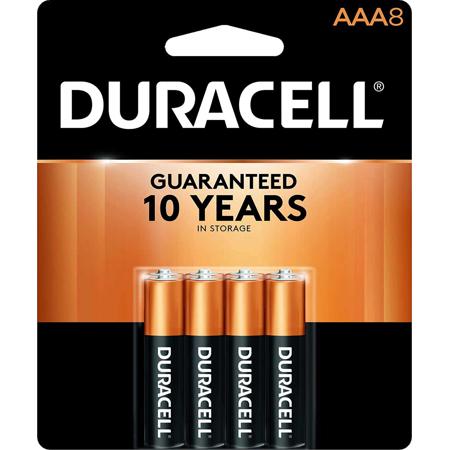
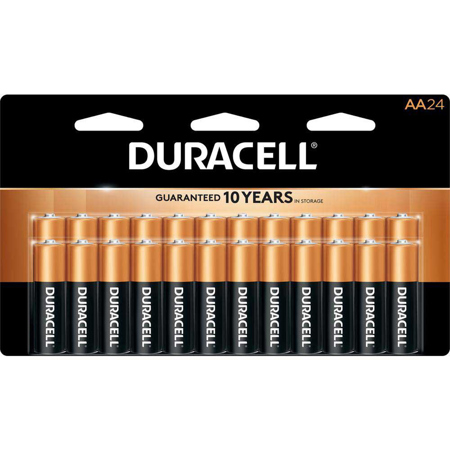
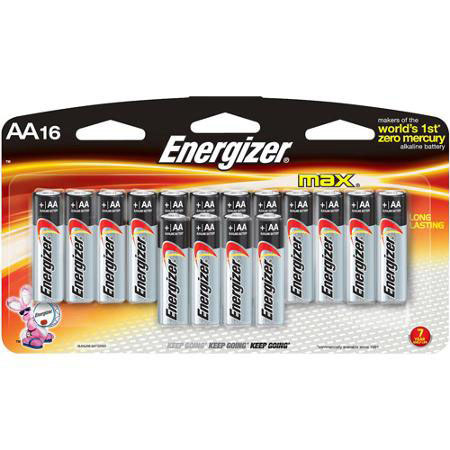
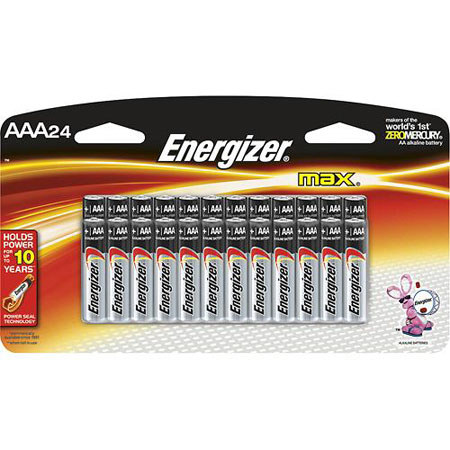
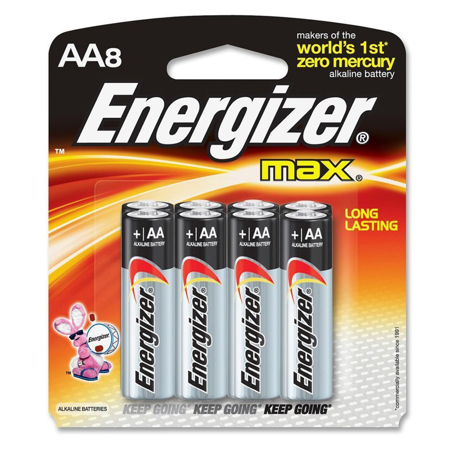
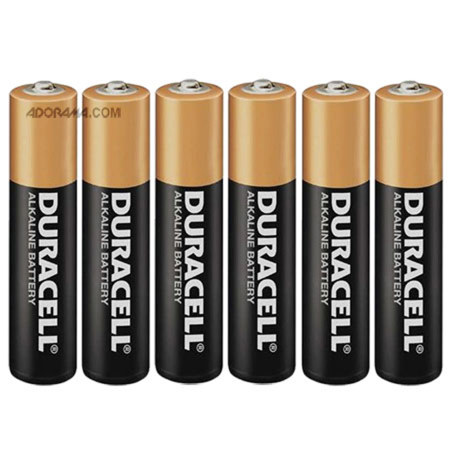
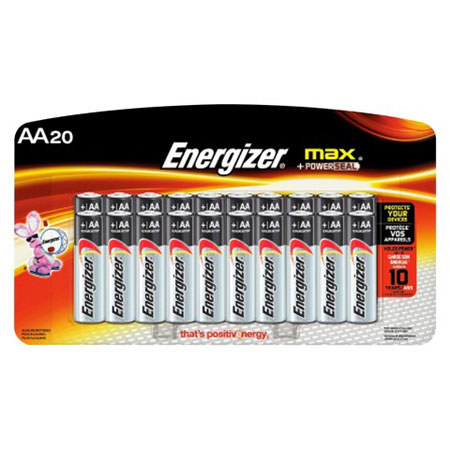
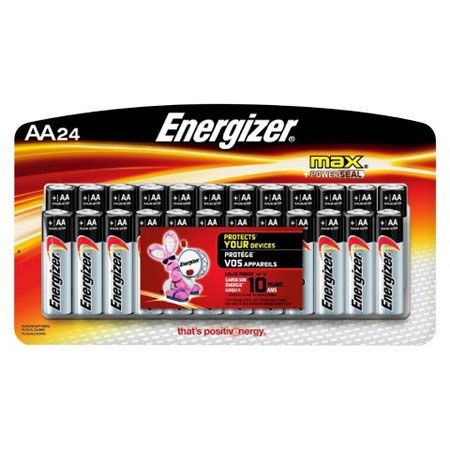
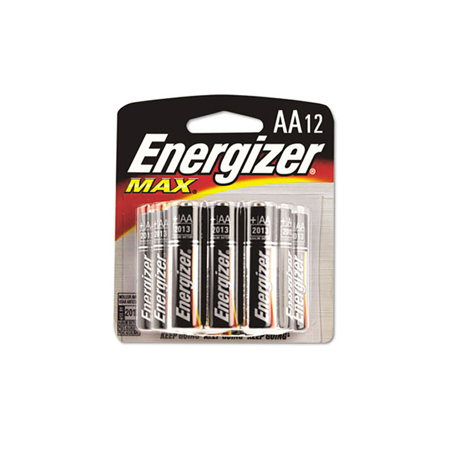
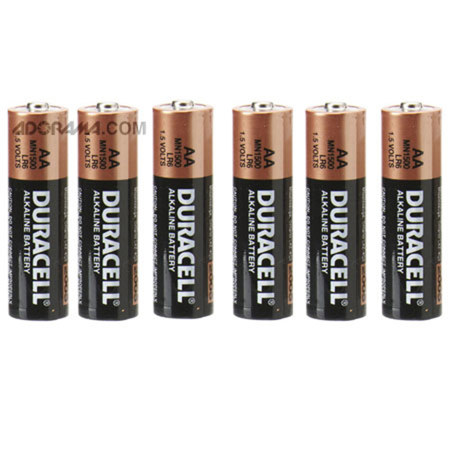
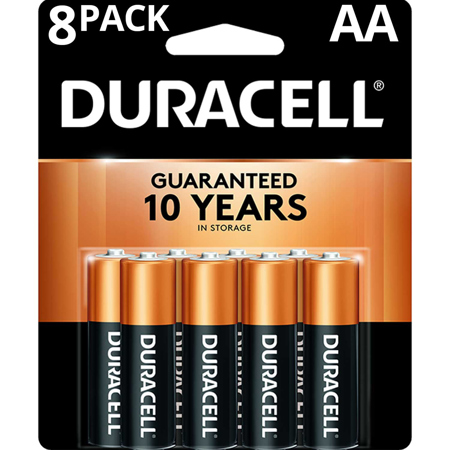
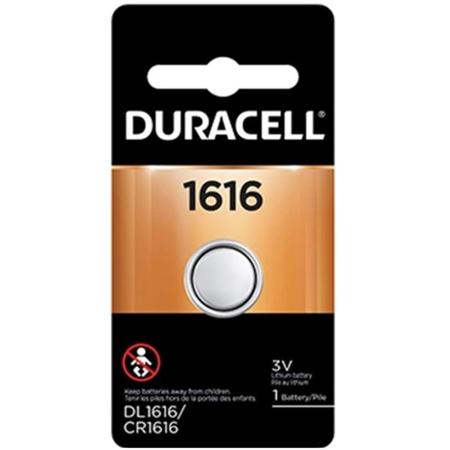
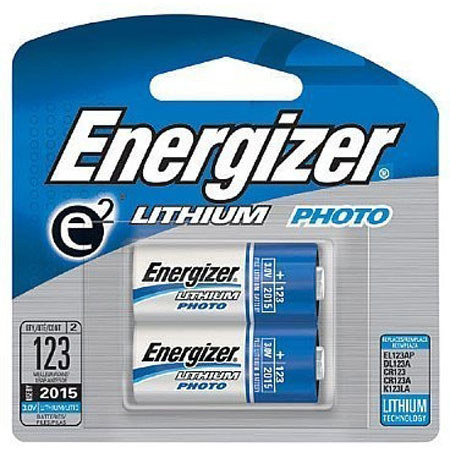
For households with modern wireless security systems, battery requirements are even more varied. Wireless door and window sensors, motion detectors, and remote keypads often operate on standard AA, AAA, or CR123A lithium batteries, as well as coin cell types like CR2032. These compact power sources are engineered for efficiency, typically lasting one to three years depending on usage and environmental factors. Meanwhile, wire-free security cameras—popular for their easy installation and flexible placement—usually rely on proprietary rechargeable lithium-ion battery packs. The longevity of these batteries can range from three to six months per charge, influenced by the frequency of motion-triggered recordings and outdoor weather conditions. If you’ve ever wondered, "what long-lasting batteries do people recommend for security systems?", the answer often depends on matching the voltage and amp-hour (Ah) rating printed on your existing battery, as well as considering the specific requirements of your devices. A low battery warning or persistent beep from your keypad is a clear sign it’s time for a replacement, and after a power outage, it may take a day or two for your backup battery to fully recharge—during which the system may continue to alert you until the charging cycle is complete.
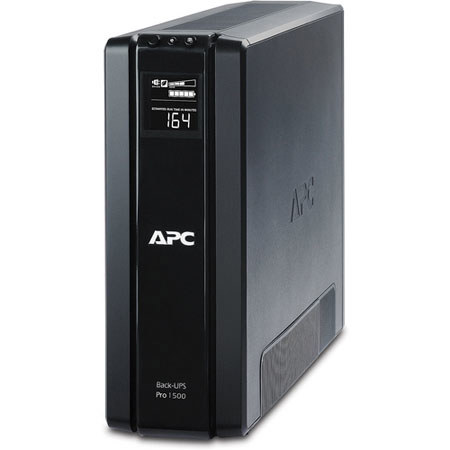
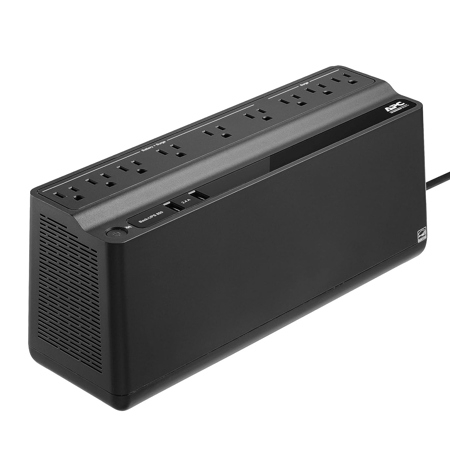
Selecting the right batteries for your home security system is not only a matter of compatibility, but also of ongoing reliability and safety. Whether you’re a homeowner safeguarding your family, a renter securing your apartment, or someone looking for a practical gift for a loved one moving into a new place, fresh batteries for security systems are a thoughtful and useful choice. They’re especially handy for anyone with elderly relatives or busy households where routine maintenance can sometimes slip through the cracks. Keeping a few spare batteries in a designated drawer or storage bin means you’re always ready to swap them out at the first sign of low power, minimizing downtime and ensuring continuous coverage. For those interested in comprehensive backup solutions that go beyond individual device batteries, you can explore a curated selection of options on our Battery Backups For Homes page. Investing in quality, long-lasting batteries and backup systems is a simple yet powerful way to keep your security system running smoothly, no matter the season or situation.
For households with modern wireless security systems, battery requirements are even more varied. Wireless door and window sensors, motion detectors, and remote keypads often operate on standard AA, AAA, or CR123A lithium batteries, as well as coin cell types like CR2032. These compact power sources are engineered for efficiency, typically lasting one to three years depending on usage and environmental factors. Meanwhile, wire-free security cameras—popular for their easy installation and flexible placement—usually rely on proprietary rechargeable lithium-ion battery packs. The longevity of these batteries can range from three to six months per charge, influenced by the frequency of motion-triggered recordings and outdoor weather conditions. If you’ve ever wondered, "what long-lasting batteries do people recommend for security systems?", the answer often depends on matching the voltage and amp-hour (Ah) rating printed on your existing battery, as well as considering the specific requirements of your devices. A low battery warning or persistent beep from your keypad is a clear sign it’s time for a replacement, and after a power outage, it may take a day or two for your backup battery to fully recharge—during which the system may continue to alert you until the charging cycle is complete.
Selecting the right batteries for your home security system is not only a matter of compatibility, but also of ongoing reliability and safety. Whether you’re a homeowner safeguarding your family, a renter securing your apartment, or someone looking for a practical gift for a loved one moving into a new place, fresh batteries for security systems are a thoughtful and useful choice. They’re especially handy for anyone with elderly relatives or busy households where routine maintenance can sometimes slip through the cracks. Keeping a few spare batteries in a designated drawer or storage bin means you’re always ready to swap them out at the first sign of low power, minimizing downtime and ensuring continuous coverage. For those interested in comprehensive backup solutions that go beyond individual device batteries, you can explore a curated selection of options on our Battery Backups For Homes page. Investing in quality, long-lasting batteries and backup systems is a simple yet powerful way to keep your security system running smoothly, no matter the season or situation.