Rechargeable Batteries for Emergency Lights
When it comes to ensuring safety and peace of mind during unexpected power outages, having reliable rechargeable batteries for emergency lights is essential. These specialized batteries are engineered to provide consistent, dependable power for exit signs, emergency lighting fixtures, and portable emergency lights found in homes, offices, warehouses, and commercial spaces. As the days grow longer and the transition from winter to spring brings unpredictable weather, many facilities and households take the opportunity to inspect and upgrade their emergency lighting systems. Whether you’re a building manager preparing for seasonal storms or a homeowner wanting to safeguard your family during blackouts, choosing the right emergency light batteries is a crucial investment. The most common chemistries used in these batteries include Nickel-Cadmium (NiCd), Nickel-Metal Hydride (NiMH), Sealed Lead-Acid (SLA), and the increasingly popular Lithium Iron Phosphate (LiFePO4). Each type offers distinct advantages: NiCd batteries are prized for their deep discharge capability and ability to withstand high temperatures, making them the standard in many exit signs and emergency units; NiMH provides a more environmentally friendly alternative with similar performance, while SLA batteries are favored for their high capacity, especially in larger, high-intensity emergency fixtures. LiFePO4 batteries, meanwhile, are gaining traction for their energy efficiency and long-lasting charge, perfect for those seeking the latest in battery technology.
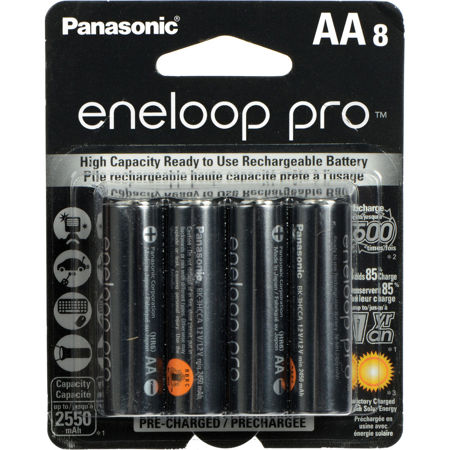
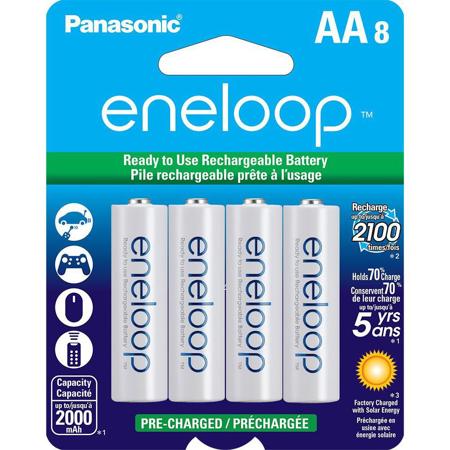
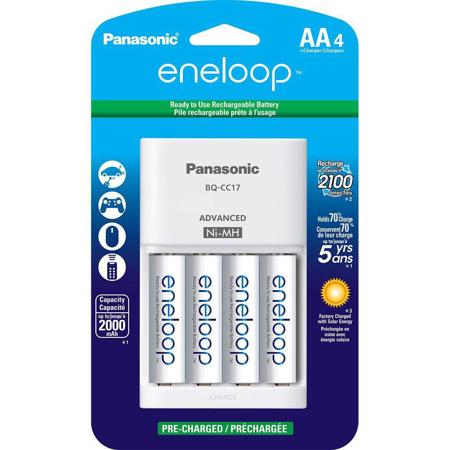
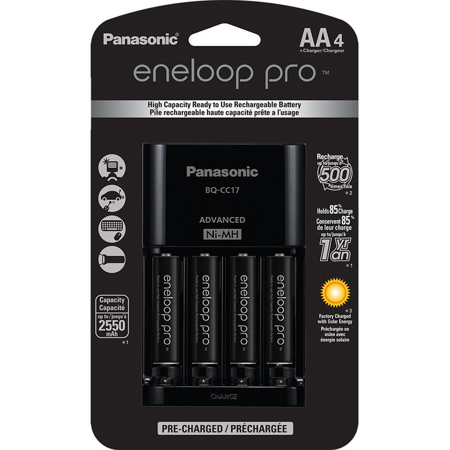
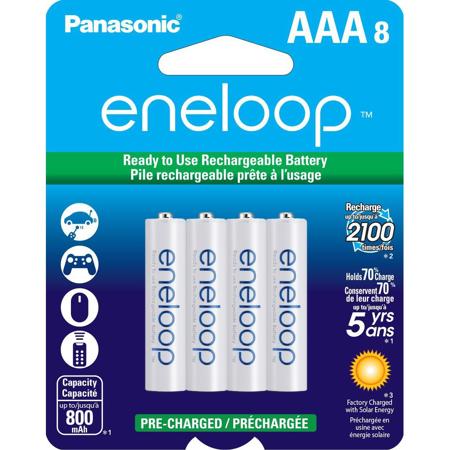
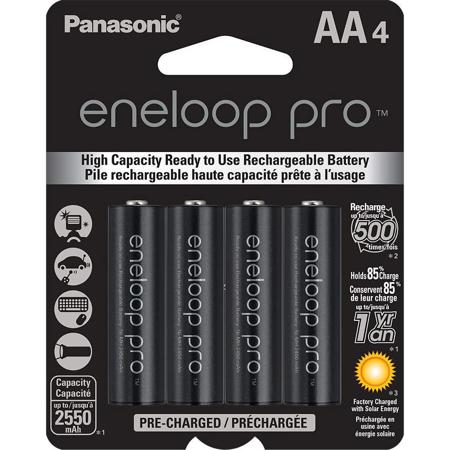
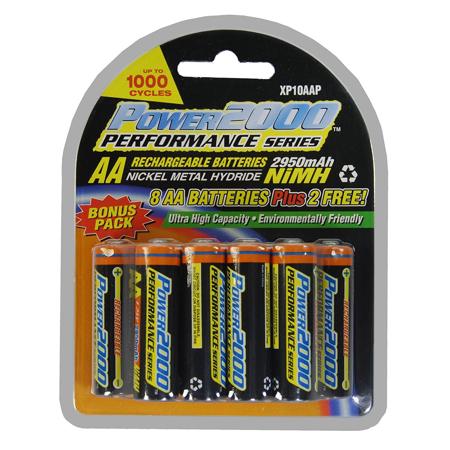
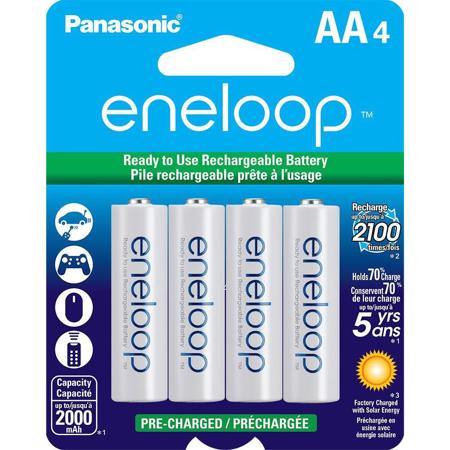
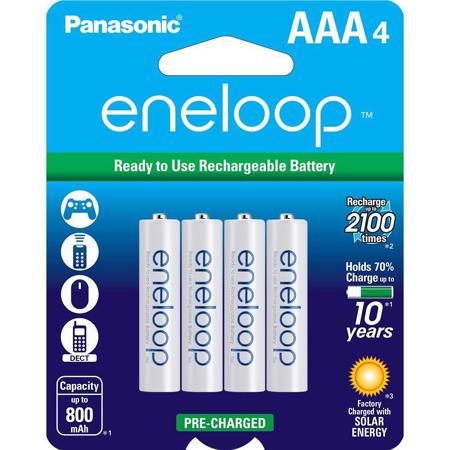
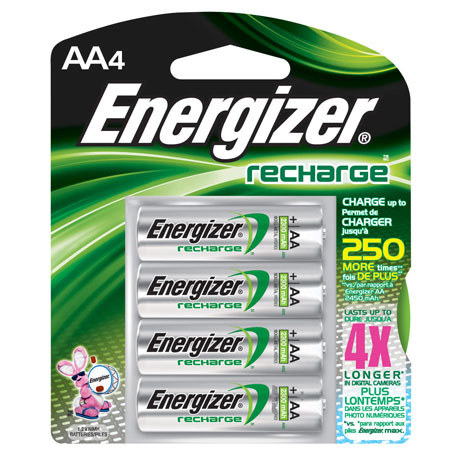
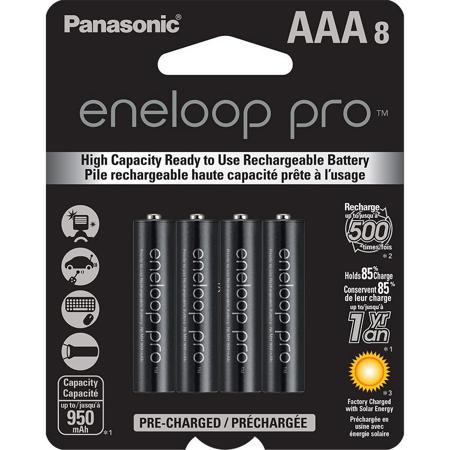
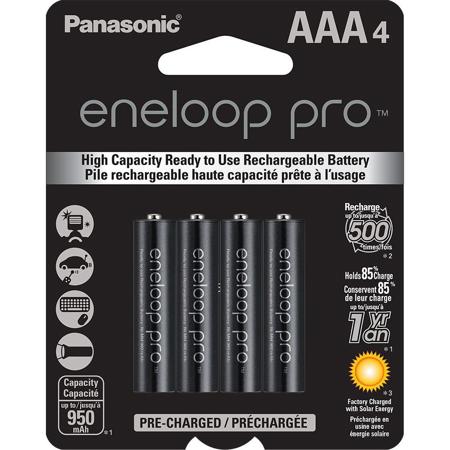
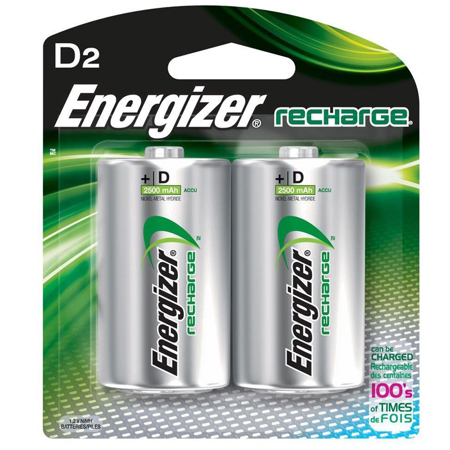
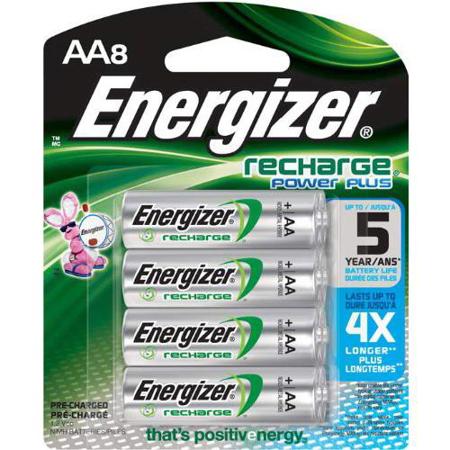
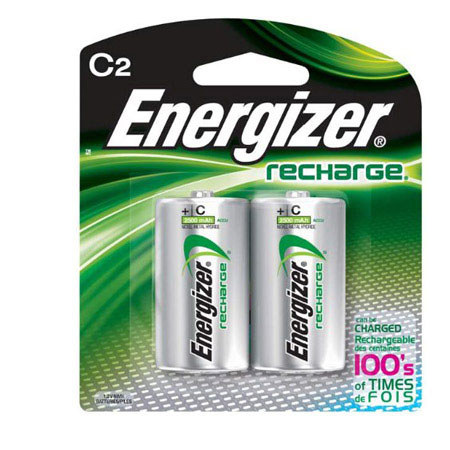
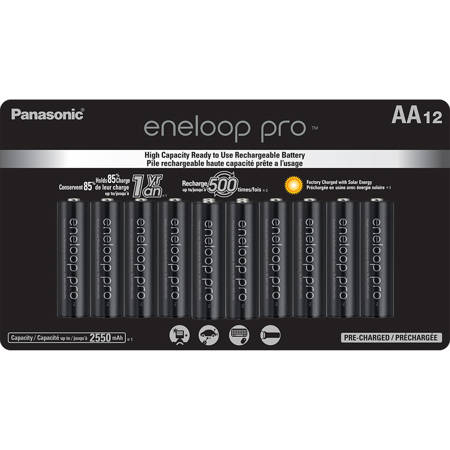
Selecting the appropriate emergency light battery involves more than just matching the voltage and capacity—though this is critical to ensure your emergency lights function optimally for the required duration, typically at least 90 minutes. Physical size and specific connectors, such as JST, Molex, or tab terminals, must be considered to ensure a seamless fit and quick installation within the often compact confines of emergency lighting fixtures. Many users appreciate the convenience and cost savings of rechargeable options like eneloop batteries, which are known for their reliability and ability to hold a charge over extended periods. For those seeking versatile solutions, AA batteries and Energizer rechargeable D batteries are frequently chosen for both emergency lights and other high-drain devices around the home or workplace. It’s not uncommon for facility managers to keep a stock of these batteries on hand, especially during months when severe weather can trigger unexpected outages. Regular maintenance is also key—experts recommend monthly testing of emergency lights and annual replacement of batteries to guarantee performance when it matters most. If a battery fails to power the light during a test, immediate replacement is advised to maintain compliance with safety standards and avoid any disruptions during emergencies.
Rechargeable batteries for emergency lights are not only practical for property managers and safety officers but also make thoughtful gifts for new homeowners, college students moving into dorms, or anyone setting up a workshop or home office. The reassurance of knowing that emergency lighting will function when needed is invaluable, especially as spring storms become more frequent. As you browse options, you may notice similarities with batteries used in other emergency gear, such as flashlights. For those looking to outfit their entire emergency preparedness kit, you’ll find a wide variety of compatible options, including those designed for flashlights on our dedicated Rechargeable Batteries For Flashlights page. Ultimately, the right rechargeable battery ensures your emergency lights remain ready to illuminate the way during outages, providing safety and visibility for everyone in your care.
Selecting the appropriate emergency light battery involves more than just matching the voltage and capacity—though this is critical to ensure your emergency lights function optimally for the required duration, typically at least 90 minutes. Physical size and specific connectors, such as JST, Molex, or tab terminals, must be considered to ensure a seamless fit and quick installation within the often compact confines of emergency lighting fixtures. Many users appreciate the convenience and cost savings of rechargeable options like eneloop batteries, which are known for their reliability and ability to hold a charge over extended periods. For those seeking versatile solutions, AA batteries and Energizer rechargeable D batteries are frequently chosen for both emergency lights and other high-drain devices around the home or workplace. It’s not uncommon for facility managers to keep a stock of these batteries on hand, especially during months when severe weather can trigger unexpected outages. Regular maintenance is also key—experts recommend monthly testing of emergency lights and annual replacement of batteries to guarantee performance when it matters most. If a battery fails to power the light during a test, immediate replacement is advised to maintain compliance with safety standards and avoid any disruptions during emergencies.
Rechargeable batteries for emergency lights are not only practical for property managers and safety officers but also make thoughtful gifts for new homeowners, college students moving into dorms, or anyone setting up a workshop or home office. The reassurance of knowing that emergency lighting will function when needed is invaluable, especially as spring storms become more frequent. As you browse options, you may notice similarities with batteries used in other emergency gear, such as flashlights. For those looking to outfit their entire emergency preparedness kit, you’ll find a wide variety of compatible options, including those designed for flashlights on our dedicated Rechargeable Batteries For Flashlights page. Ultimately, the right rechargeable battery ensures your emergency lights remain ready to illuminate the way during outages, providing safety and visibility for everyone in your care.