
Bidirectional Figure-8 Microphone
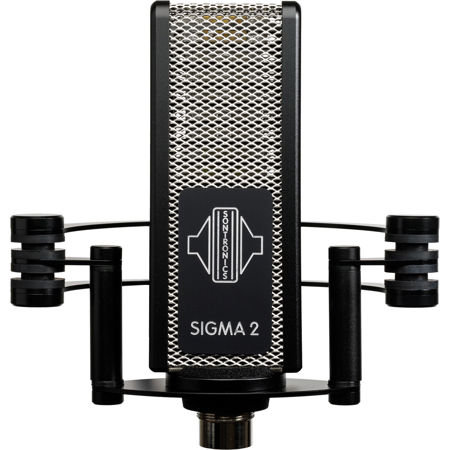
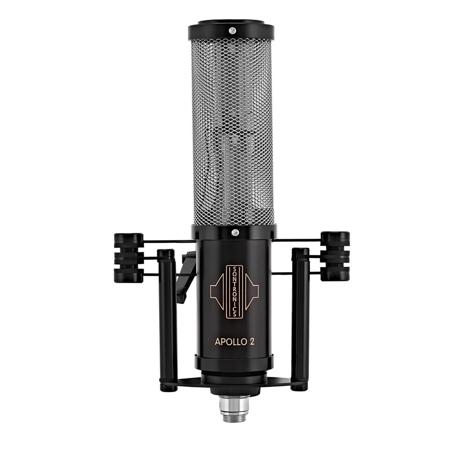
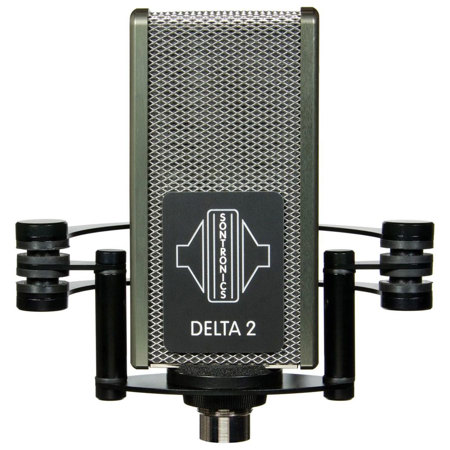
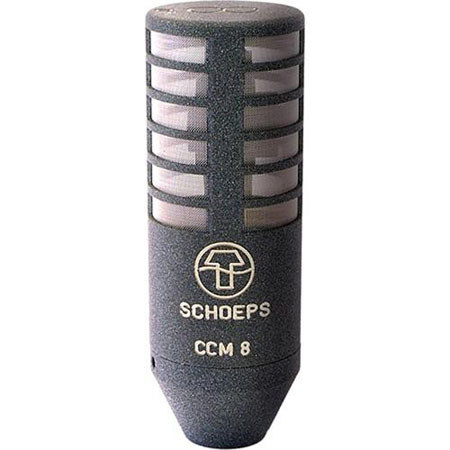
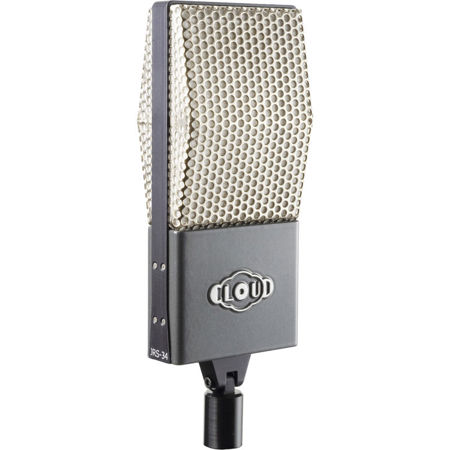
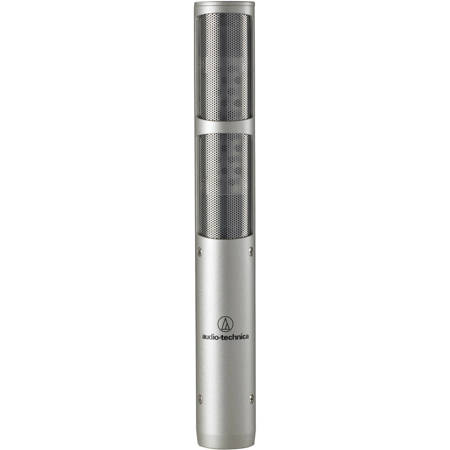
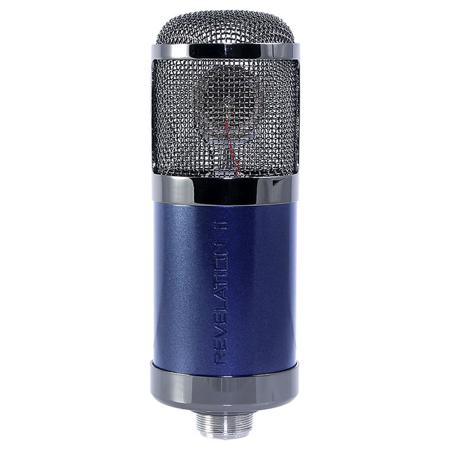
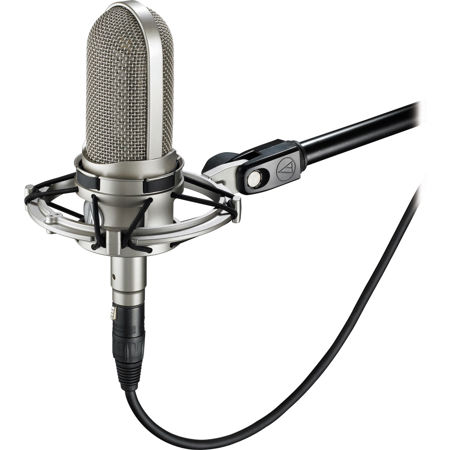
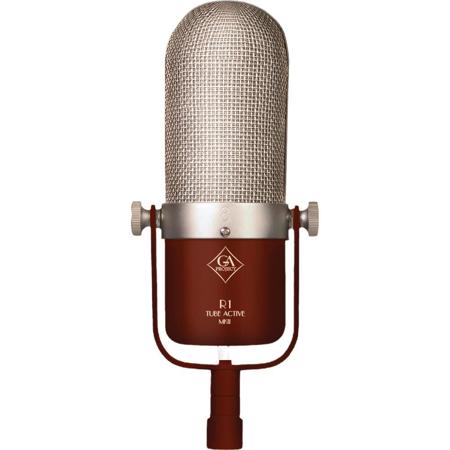
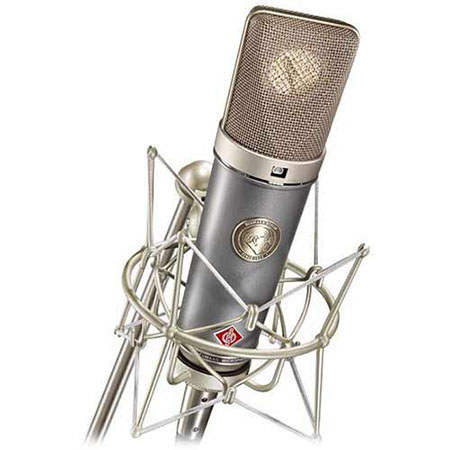
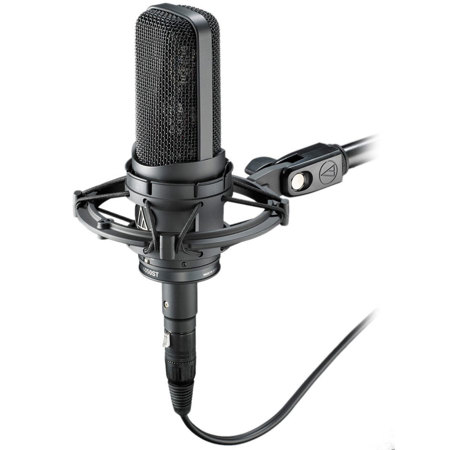
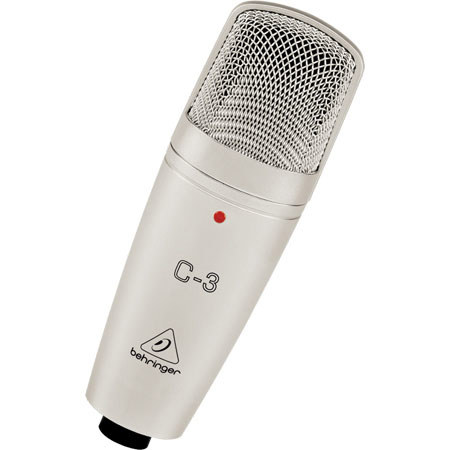
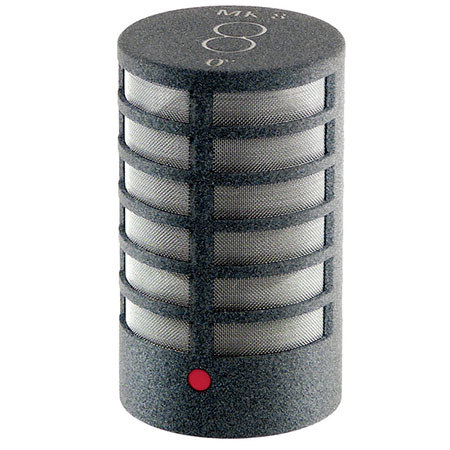
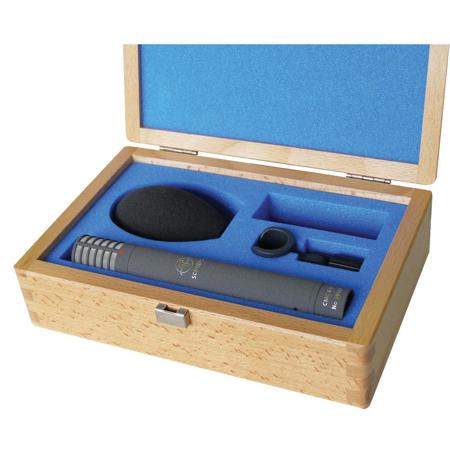
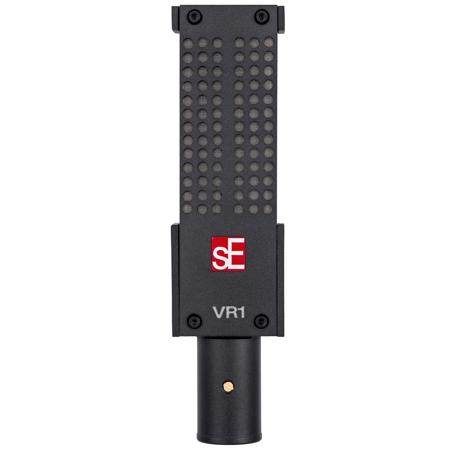
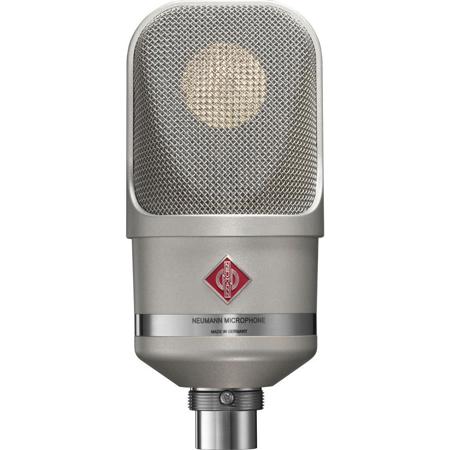
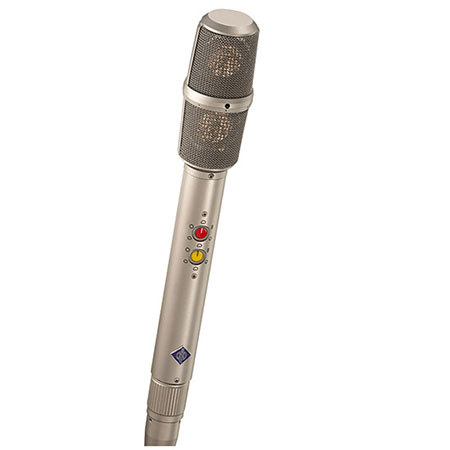
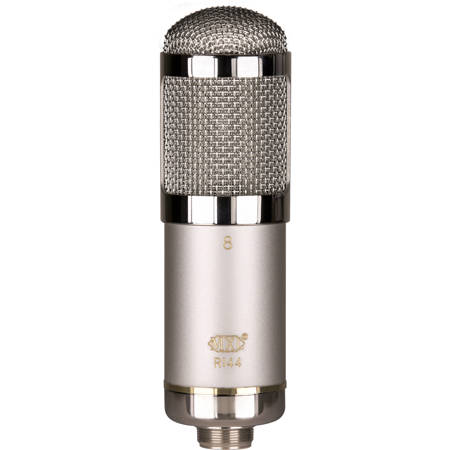
Bidirectional figure-8 microphones, often referred to as bidirectional mics, have long been a staple in both professional studios and home recording setups. Their unique polar pattern captures sound equally from the front and rear of the microphone while rejecting audio from the sides, making them an essential tool for a wide range of applications. This design is especially valued for face-to-face interviews, vocal duets, and stereo recording techniques like Mid/Side (M/S) and Blumlein, where capturing a natural, immersive soundstage is crucial. The figure-8 pattern is most famously associated with classic ribbon microphones, which are prized for their warm, vintage character and natural acoustic response. Many modern condenser microphones also feature a switchable figure-8 setting, giving creators the flexibility to adapt to different recording environments. As the weather warms and musicians take their craft outdoors or into new spaces, the ability to isolate unwanted ambient noise by aiming the mic’s null points toward distractions—such as open windows or bustling hallways—can be a game-changer for capturing pristine audio.
When considering a bidirectional microphone, it’s important to think about the specific needs of your recording scenario. For podcasters and interviewers, the figure-8 pattern allows two speakers to sit across from each other and be picked up with equal clarity, while side noise—like the hum of an air conditioner or street traffic—remains largely out of the recording. This makes bidirectional microphones a thoughtful gift for anyone starting a podcast, recording acoustic duets, or capturing group conversations at family gatherings or creative workshops. In music production, especially during the early summer festival season or fall’s cozy indoor sessions, a bi directional microphone can be the secret to achieving lush, three-dimensional stereo tracks. Techniques like Blumlein stereo—where two figure-8 mics are crossed at a 90-degree angle—deliver an ultra-realistic spatial image, perfect for capturing everything from string quartets to the ambiance of a jazz club. The proximity effect, a natural bass boost as the sound source moves closer to the mic, can be creatively leveraged by vocalists and instrumentalists to add warmth and intimacy to their recordings.
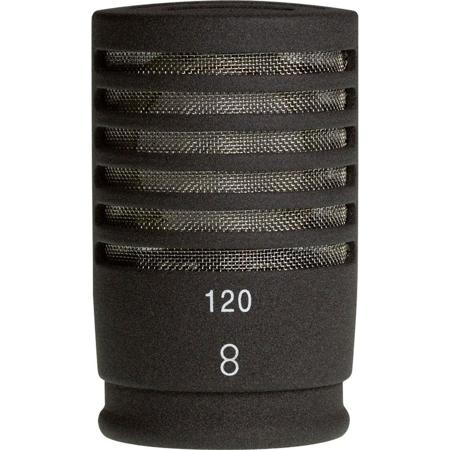
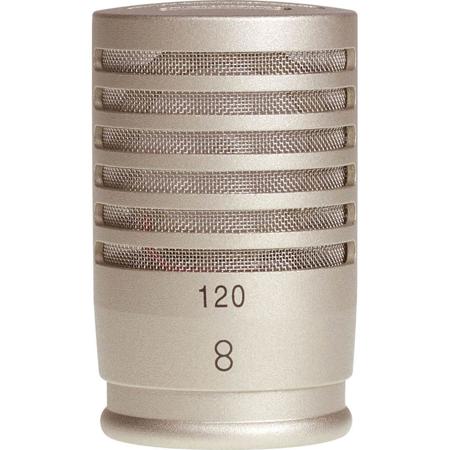
For those new to audio engineering, or for seasoned professionals looking to expand their toolkit, understanding the difference between microphone polar patterns is key. While a bidirectional microphone offers unique advantages, certain situations—such as solo voiceovers or conference calls—may call for a different solution, like a Half Cardioid Desk Microphone. However, for anyone eager to experiment with advanced stereo techniques or seeking the unmistakable sound of a classic neumann microphone in figure-8 mode, bidirectional microphones remain an indispensable choice. Whether you’re capturing the subtle interplay of a singer-songwriter duo, the dynamic energy of a live ensemble, or the nuanced dialogue of a documentary interview, these microphones offer a level of control and sonic detail that brings every project to life. As creative projects shift with the seasons and new opportunities arise, investing in a quality bidirectional mic ensures you’re ready to capture every moment with authenticity and precision.
When considering a bidirectional microphone, it’s important to think about the specific needs of your recording scenario. For podcasters and interviewers, the figure-8 pattern allows two speakers to sit across from each other and be picked up with equal clarity, while side noise—like the hum of an air conditioner or street traffic—remains largely out of the recording. This makes bidirectional microphones a thoughtful gift for anyone starting a podcast, recording acoustic duets, or capturing group conversations at family gatherings or creative workshops. In music production, especially during the early summer festival season or fall’s cozy indoor sessions, a bi directional microphone can be the secret to achieving lush, three-dimensional stereo tracks. Techniques like Blumlein stereo—where two figure-8 mics are crossed at a 90-degree angle—deliver an ultra-realistic spatial image, perfect for capturing everything from string quartets to the ambiance of a jazz club. The proximity effect, a natural bass boost as the sound source moves closer to the mic, can be creatively leveraged by vocalists and instrumentalists to add warmth and intimacy to their recordings.
For those new to audio engineering, or for seasoned professionals looking to expand their toolkit, understanding the difference between microphone polar patterns is key. While a bidirectional microphone offers unique advantages, certain situations—such as solo voiceovers or conference calls—may call for a different solution, like a Half Cardioid Desk Microphone. However, for anyone eager to experiment with advanced stereo techniques or seeking the unmistakable sound of a classic neumann microphone in figure-8 mode, bidirectional microphones remain an indispensable choice. Whether you’re capturing the subtle interplay of a singer-songwriter duo, the dynamic energy of a live ensemble, or the nuanced dialogue of a documentary interview, these microphones offer a level of control and sonic detail that brings every project to life. As creative projects shift with the seasons and new opportunities arise, investing in a quality bidirectional mic ensures you’re ready to capture every moment with authenticity and precision.