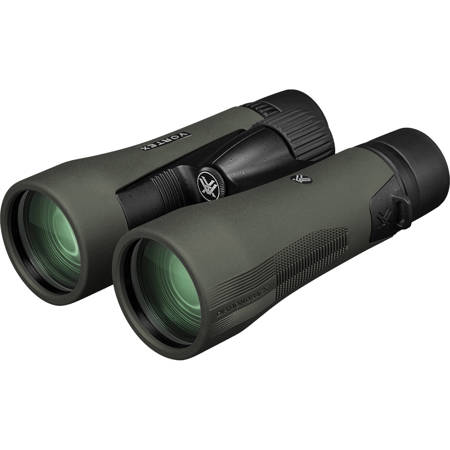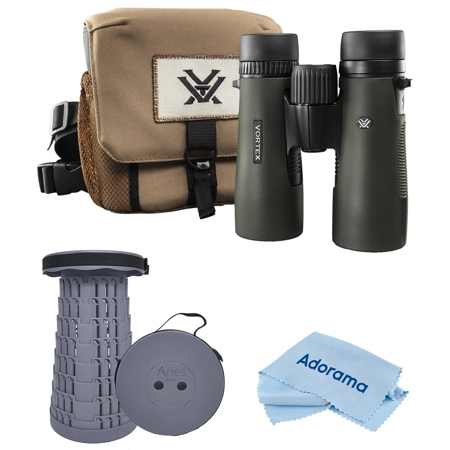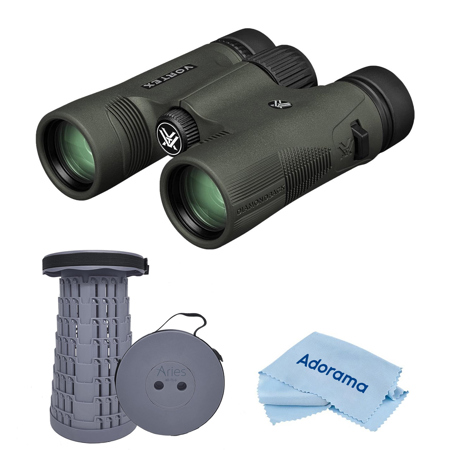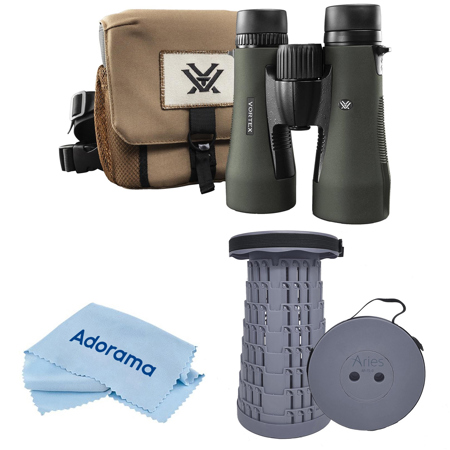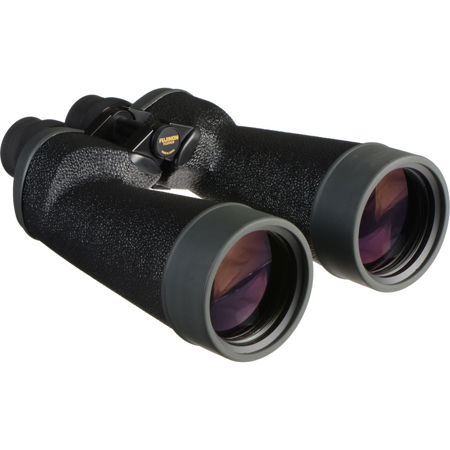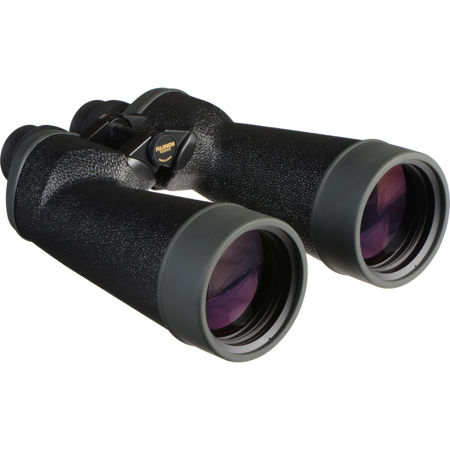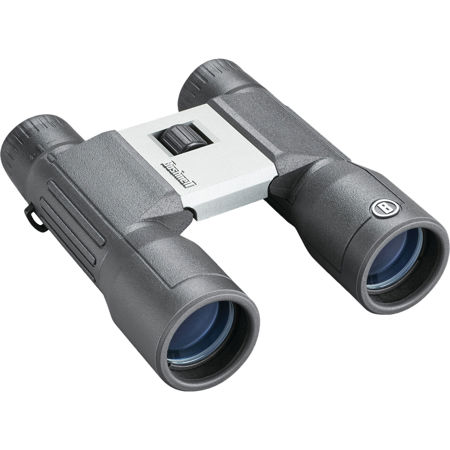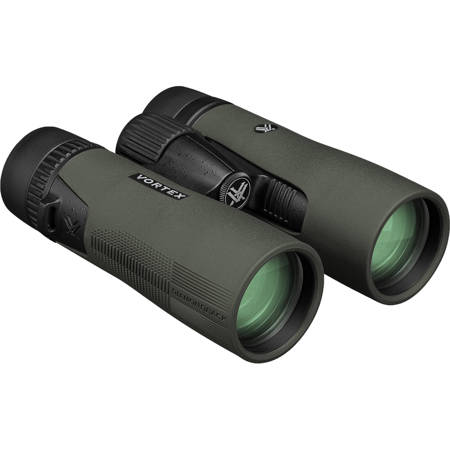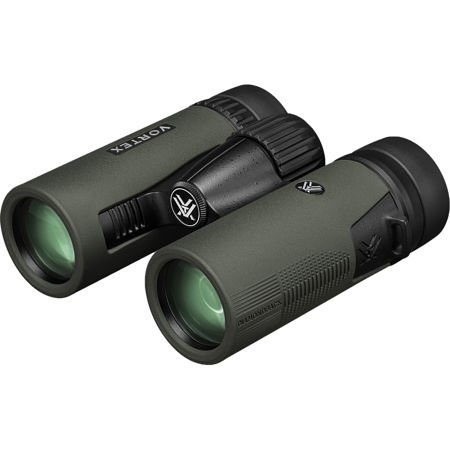
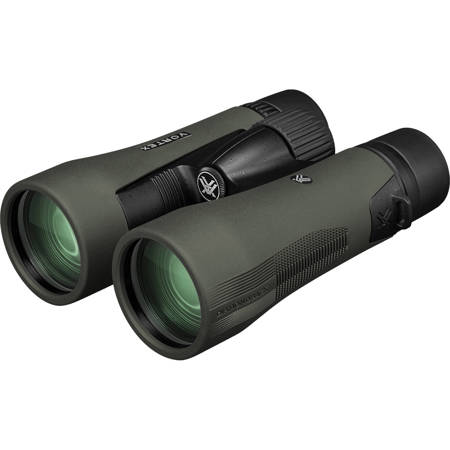
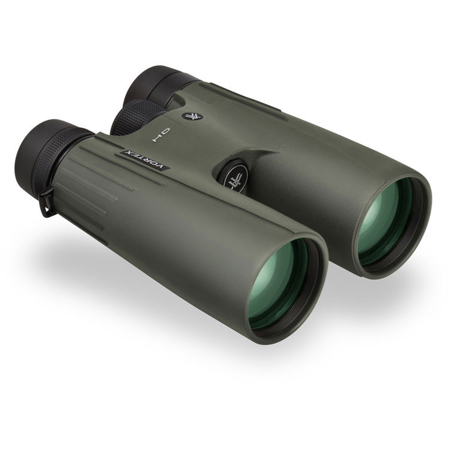
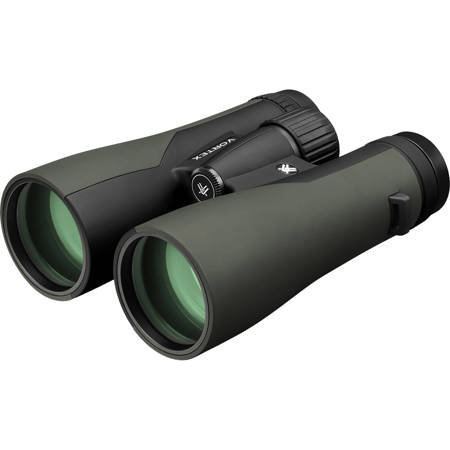
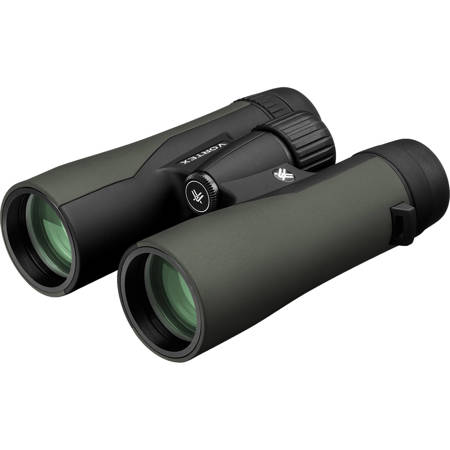
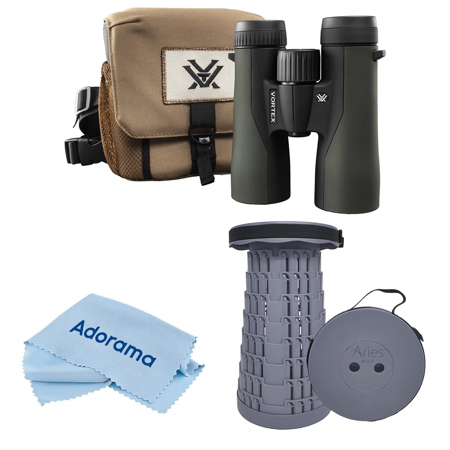
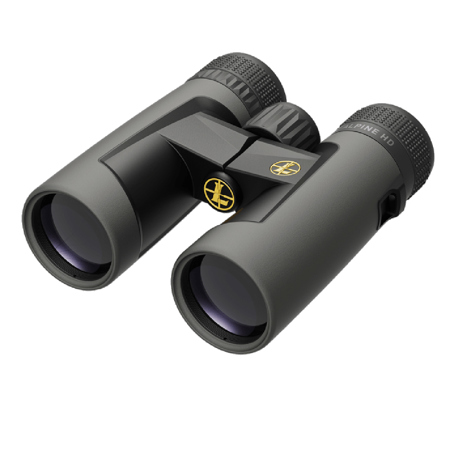

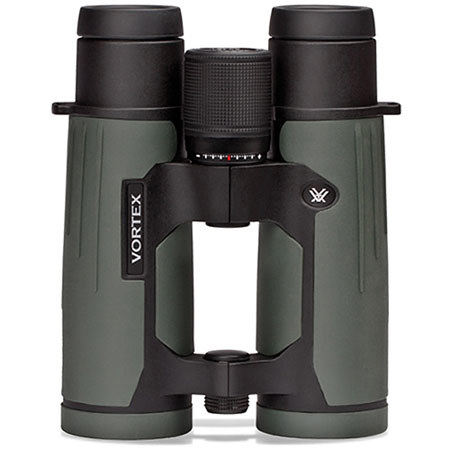
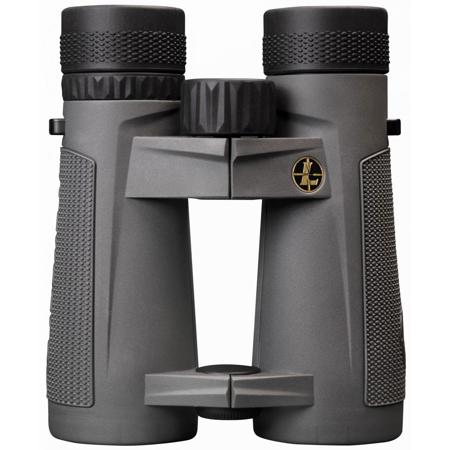
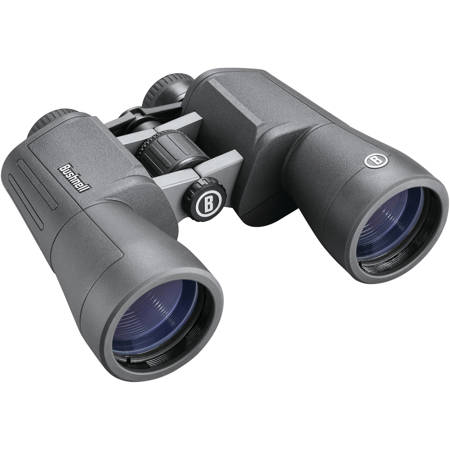
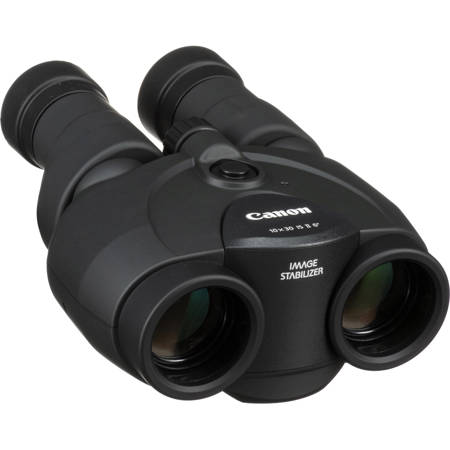
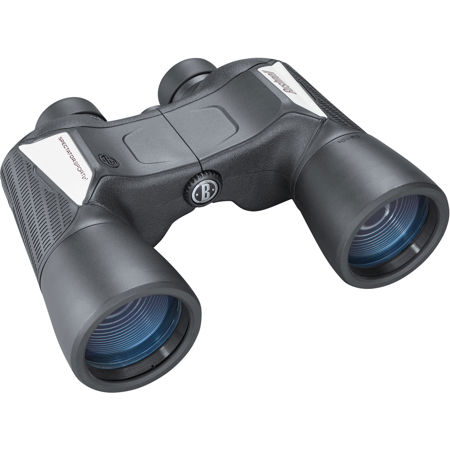
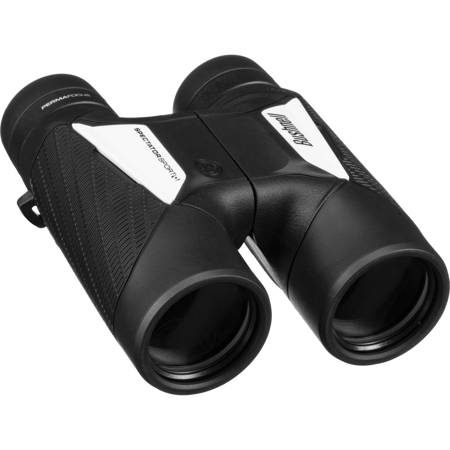
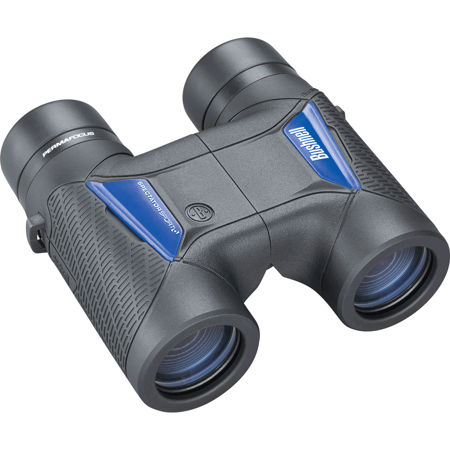
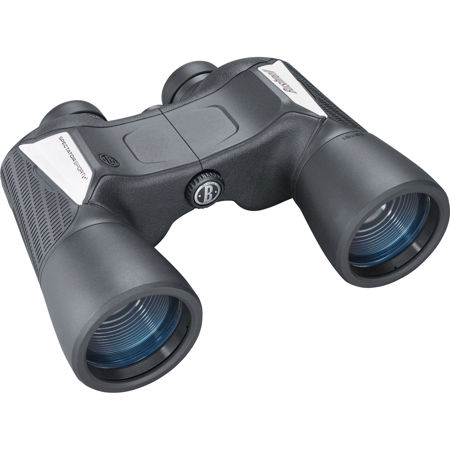
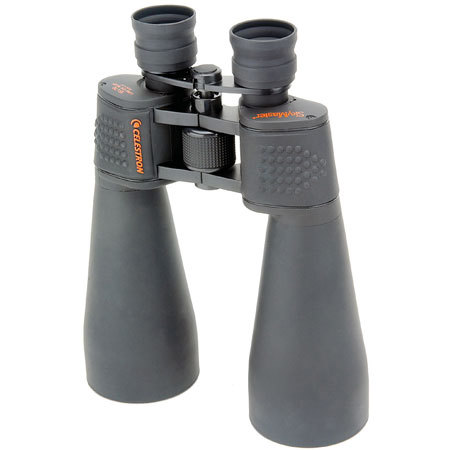
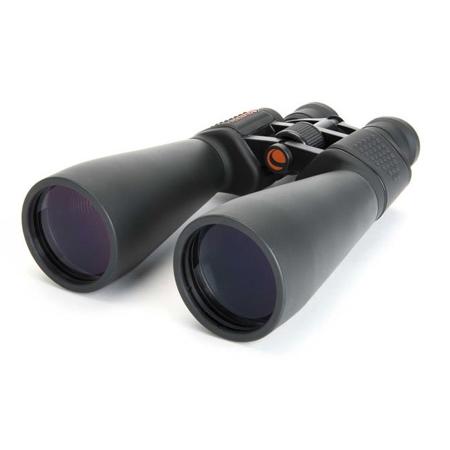
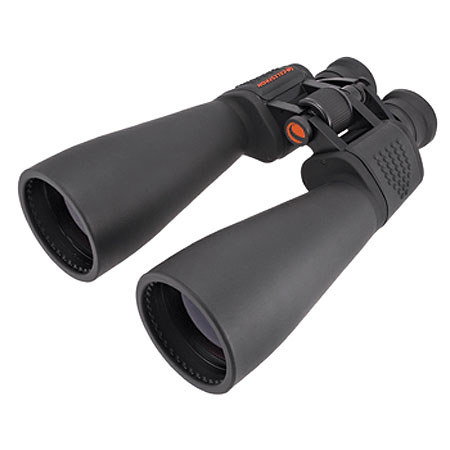
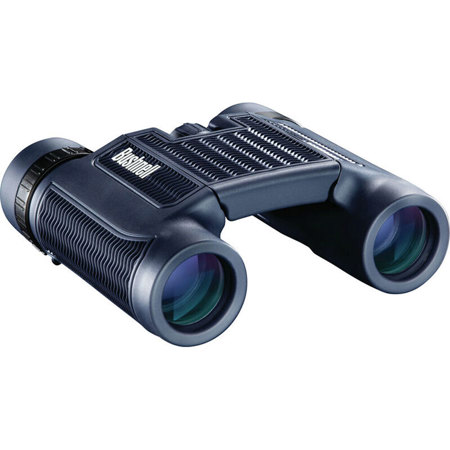
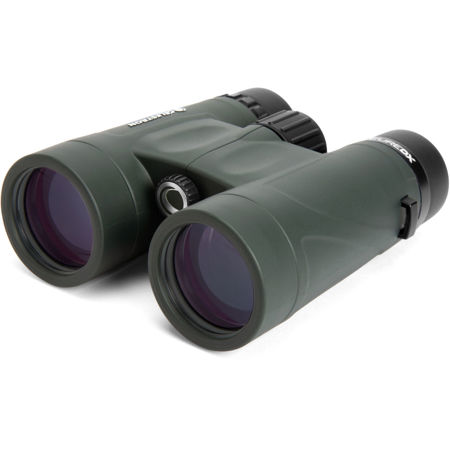
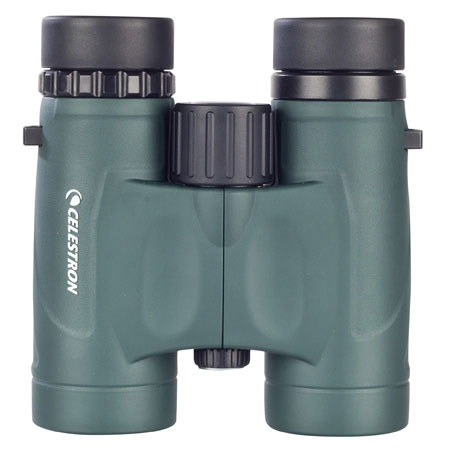
As the nights grow longer and the skies clear, astronomy enthusiasts and newcomers alike look forward to the annual Perseid Meteor Shower—a celestial event renowned for its dazzling display of shooting stars. While the best way to witness meteors is with the naked eye, many stargazers choose to bring binoculars along to enhance their overall night sky experience. Binoculars for meteor shower viewing are particularly popular for those who want to scan the radiant point of the Perseids, observe the faint trails left behind by meteors, or simply immerse themselves in the broader tapestry of stars, planets, and deep-sky objects. Low-magnification, wide-field binoculars such as 8x32 or 10x50 models are especially well-suited for these purposes. Their generous field of view allows you to take in sprawling sections of the sky, making it easier to spot meteor trains or catch a glimpse of the Milky Way’s intricate details while waiting for the next meteor to streak by. Models like the vortex 8x32 are favored for their balance of portability, brightness, and comfort—ideal for extended sessions under the stars, whether you’re reclining in a backyard lounge chair or hiking out to a remote, dark-sky site.
Selecting the right binoculars for meteor shower viewing involves considering several key factors. First, think about magnification and objective lens size. Binoculars in the 8x32 to 10x50 range strike a practical balance, gathering ample light for night viewing without sacrificing a wide field of vision. Higher magnifications, such as 15x70 or 20x80, can reveal fainter star clusters and nebulae but often require a tripod due to their weight and narrower field. For those planning to share the experience with family or friends, lightweight and easy-to-focus binoculars are a thoughtful choice, making them a fantastic gift for anyone with an interest in the night sky—from curious children to seasoned astronomers. Many stargazers also appreciate features like weather-resistant coatings and rubberized grips, especially as dew settles during summer and early fall nights. If you already own a camera tripod, you might consider larger binoculars for deep-sky observing, but for most meteor shower watchers, handheld options provide the most enjoyable and spontaneous viewing. Binoculars are not only useful during meteor showers; they’re versatile tools for birdwatching, sporting events, and daytime landscapes, making them a rewarding investment for outdoor enthusiasts of all ages.
Whether you’re preparing for your first Perseid Meteor Shower or you’re a veteran night sky watcher, choosing the right binoculars can deepen your appreciation of this annual spectacle. As you settle in under a blanket of stars, binoculars open up a world of celestial wonders beyond meteors alone—star clusters, planets, and even the faint glow of distant galaxies become accessible from your own backyard. For those interested in expanding their astronomical pursuits, exploring options designed for other phenomena, such as comets, can further enrich your stargazing experiences. For more information on selecting binoculars tailored to different celestial events, visit our dedicated page: Binoculars for Comet Viewing. No matter your level of experience, the right pair of binoculars can transform an evening under the Perseids into a memorable adventure, fostering a lifelong passion for exploring the night sky.
Selecting the right binoculars for meteor shower viewing involves considering several key factors. First, think about magnification and objective lens size. Binoculars in the 8x32 to 10x50 range strike a practical balance, gathering ample light for night viewing without sacrificing a wide field of vision. Higher magnifications, such as 15x70 or 20x80, can reveal fainter star clusters and nebulae but often require a tripod due to their weight and narrower field. For those planning to share the experience with family or friends, lightweight and easy-to-focus binoculars are a thoughtful choice, making them a fantastic gift for anyone with an interest in the night sky—from curious children to seasoned astronomers. Many stargazers also appreciate features like weather-resistant coatings and rubberized grips, especially as dew settles during summer and early fall nights. If you already own a camera tripod, you might consider larger binoculars for deep-sky observing, but for most meteor shower watchers, handheld options provide the most enjoyable and spontaneous viewing. Binoculars are not only useful during meteor showers; they’re versatile tools for birdwatching, sporting events, and daytime landscapes, making them a rewarding investment for outdoor enthusiasts of all ages.
Whether you’re preparing for your first Perseid Meteor Shower or you’re a veteran night sky watcher, choosing the right binoculars can deepen your appreciation of this annual spectacle. As you settle in under a blanket of stars, binoculars open up a world of celestial wonders beyond meteors alone—star clusters, planets, and even the faint glow of distant galaxies become accessible from your own backyard. For those interested in expanding their astronomical pursuits, exploring options designed for other phenomena, such as comets, can further enrich your stargazing experiences. For more information on selecting binoculars tailored to different celestial events, visit our dedicated page: Binoculars for Comet Viewing. No matter your level of experience, the right pair of binoculars can transform an evening under the Perseids into a memorable adventure, fostering a lifelong passion for exploring the night sky.