
Blur Lenses
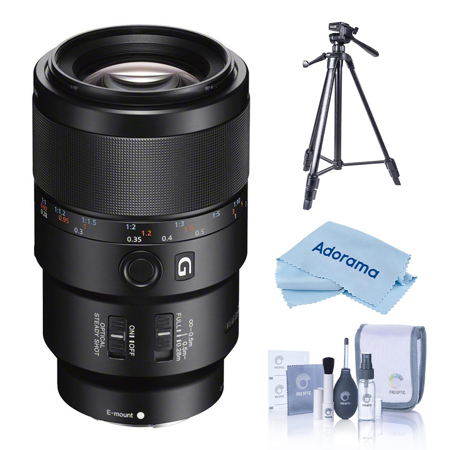
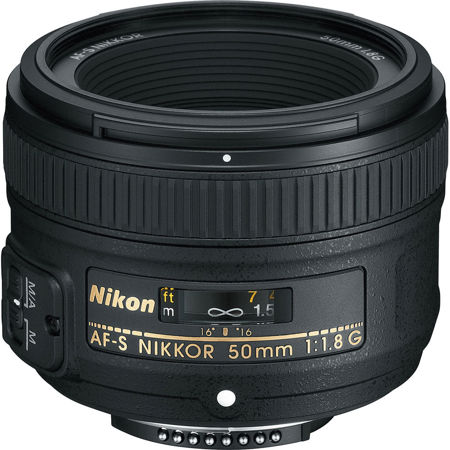
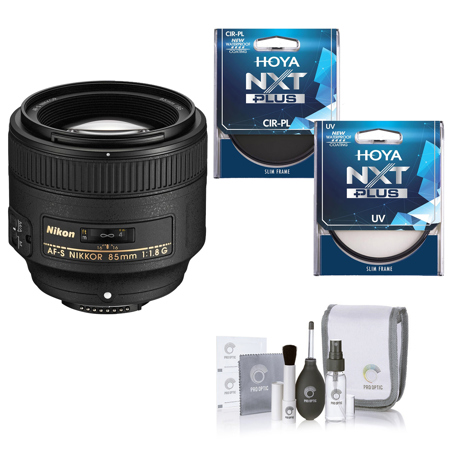
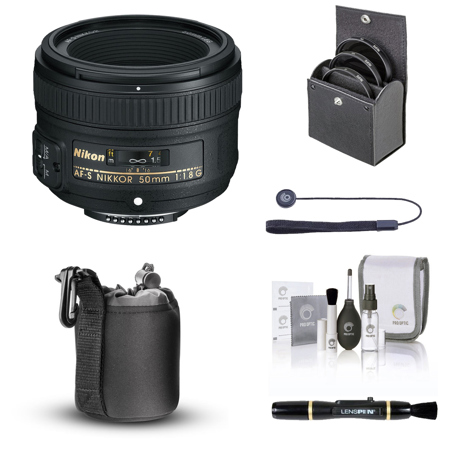
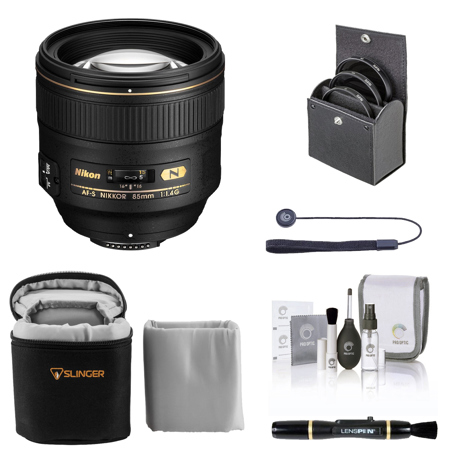
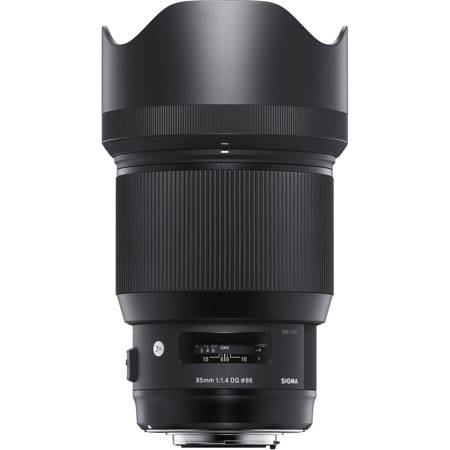
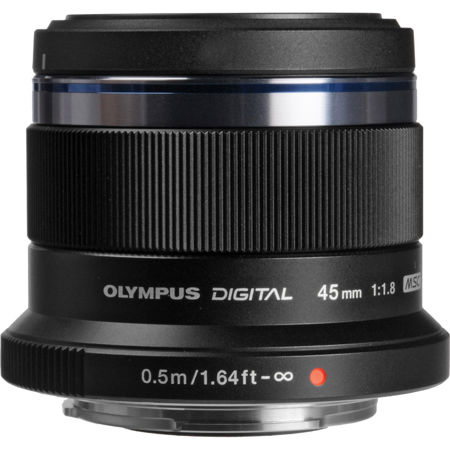
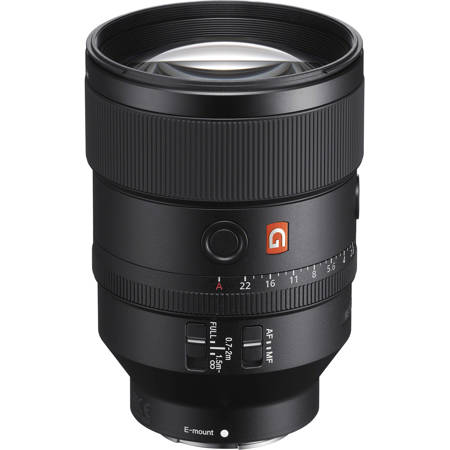
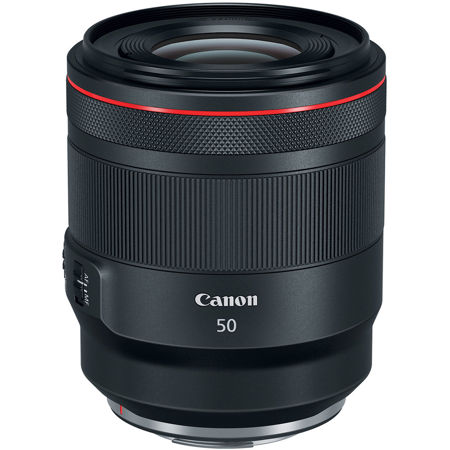
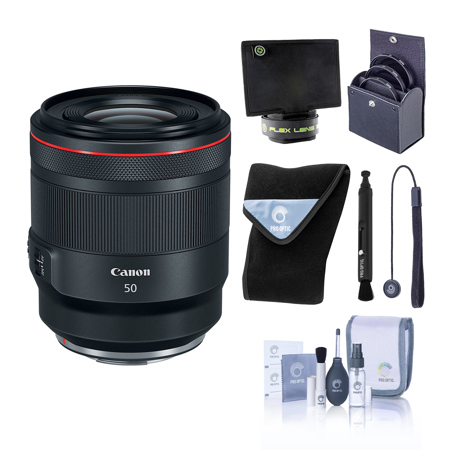
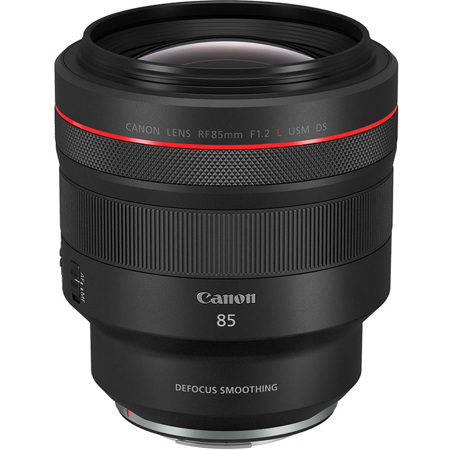
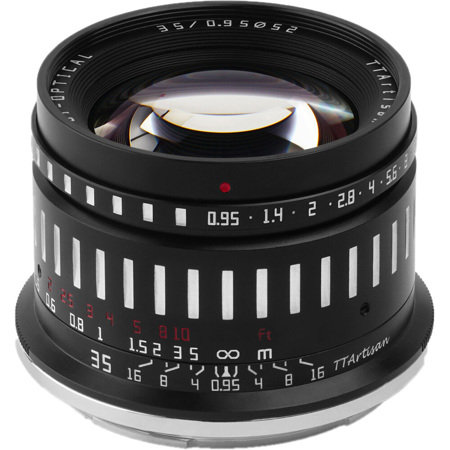
Blur lenses are prized tools in the creative photographer’s kit, masterfully shaping the way we experience images by emphasizing subjects and transforming backgrounds into a soft, painterly wash. These lenses, often characterized by their wide apertures and specialized optical designs, are renowned for producing the sought-after bokeh effect—those delicate, out-of-focus highlights that add depth, mood, and artistry to portraits, still lifes, and even landscapes. With the muted tones and gentle light of February, blur lenses come into their own, rendering the last traces of winter with a romantic softness or drawing attention to a subject’s eyes while melting the world behind into a dreamy haze. Whether you’re capturing the subtle textures of a cozy indoor scene, the glow of a candlelit dinner, or the crisp outline of a loved one against a snowy backdrop, the right blur lens can elevate ordinary moments into unforgettable visual stories. For photographers who rely on daily lenses for versatility, having a dedicated blur lens in your bag opens up new creative avenues—perfect for those spontaneous portraits or when you want to transform a cluttered background into a creamy, unobtrusive canvas.
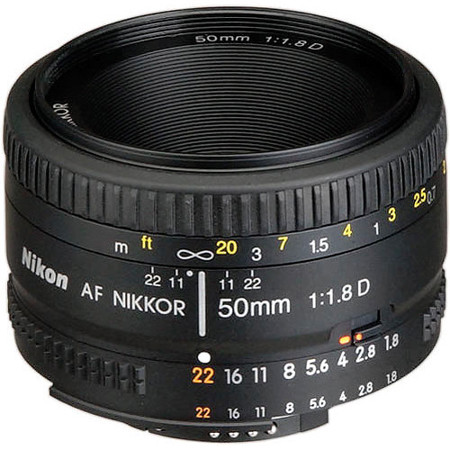
Choosing a blur lens involves a thoughtful balance of technical considerations and personal style. Aperture size is key; lenses with wide maximum apertures (like f/1.4 or f/1.8) allow for a shallow depth of field, making them ideal for isolating subjects and achieving that signature blur. The number and shape of aperture blades influence the quality of bokeh, with rounded blades often producing smoother, more pleasing out-of-focus highlights. Focal length also plays a role, with longer lenses naturally compressing space and intensifying background blur, while shorter lenses offer a broader perspective for environmental portraits or creative close-ups. Many photographers find that blur lenses are not just tools, but sources of inspiration—inviting experimentation with selective focus, backlighting, and unconventional compositions. They’re also a thoughtful gift for anyone passionate about photography, from seasoned professionals to hobbyists eager to explore new techniques. Imagine presenting a blur lens to a friend who loves capturing their children at play, or to a partner whose food photography could benefit from that extra touch of elegance and separation. For those interested in the heritage and unique rendering of older glass, exploring Classic Lenses can offer a nostalgic twist on the blur effect, with vintage optics imparting character and warmth that modern lenses sometimes lack.
Blur lenses are not limited to traditional cameras; the effect is now emulated in editing software, allowing photographers to refine or add blur in post-production. Tools powered by AI can simulate depth maps, automatically detect main subjects, and let users fine-tune the intensity and shape of the blur—handy for images where the original shot didn’t achieve the desired effect or when working with daily lenses that have more modest apertures. Still, there’s something irreplaceable about the organic, optical blur created in-camera: the way sunlight scatters into glowing orbs, the gentle transition from sharpness to softness, and the tactile pleasure of manually adjusting focus to bring your vision to life. In the quieter months, when the world feels a bit slower and the light more diffuse, blur lenses encourage us to see beauty in subtlety—to highlight a single blossom in a winter bouquet or to capture the intimacy of a quiet moment at home. Whether you’re a portrait artist, a product photographer, or someone who simply loves the magic of blurred backgrounds, investing in a quality blur lens is an invitation to explore photography’s most evocative possibilities.
Choosing a blur lens involves a thoughtful balance of technical considerations and personal style. Aperture size is key; lenses with wide maximum apertures (like f/1.4 or f/1.8) allow for a shallow depth of field, making them ideal for isolating subjects and achieving that signature blur. The number and shape of aperture blades influence the quality of bokeh, with rounded blades often producing smoother, more pleasing out-of-focus highlights. Focal length also plays a role, with longer lenses naturally compressing space and intensifying background blur, while shorter lenses offer a broader perspective for environmental portraits or creative close-ups. Many photographers find that blur lenses are not just tools, but sources of inspiration—inviting experimentation with selective focus, backlighting, and unconventional compositions. They’re also a thoughtful gift for anyone passionate about photography, from seasoned professionals to hobbyists eager to explore new techniques. Imagine presenting a blur lens to a friend who loves capturing their children at play, or to a partner whose food photography could benefit from that extra touch of elegance and separation. For those interested in the heritage and unique rendering of older glass, exploring Classic Lenses can offer a nostalgic twist on the blur effect, with vintage optics imparting character and warmth that modern lenses sometimes lack.
Blur lenses are not limited to traditional cameras; the effect is now emulated in editing software, allowing photographers to refine or add blur in post-production. Tools powered by AI can simulate depth maps, automatically detect main subjects, and let users fine-tune the intensity and shape of the blur—handy for images where the original shot didn’t achieve the desired effect or when working with daily lenses that have more modest apertures. Still, there’s something irreplaceable about the organic, optical blur created in-camera: the way sunlight scatters into glowing orbs, the gentle transition from sharpness to softness, and the tactile pleasure of manually adjusting focus to bring your vision to life. In the quieter months, when the world feels a bit slower and the light more diffuse, blur lenses encourage us to see beauty in subtlety—to highlight a single blossom in a winter bouquet or to capture the intimacy of a quiet moment at home. Whether you’re a portrait artist, a product photographer, or someone who simply loves the magic of blurred backgrounds, investing in a quality blur lens is an invitation to explore photography’s most evocative possibilities.