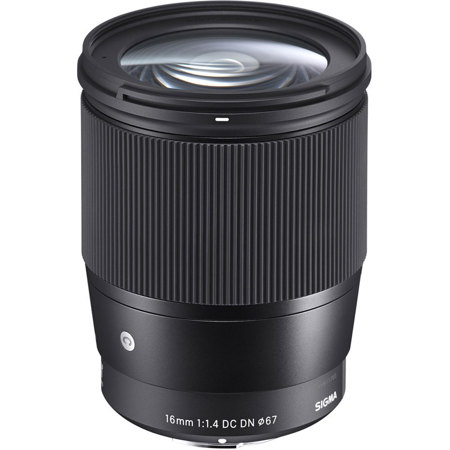
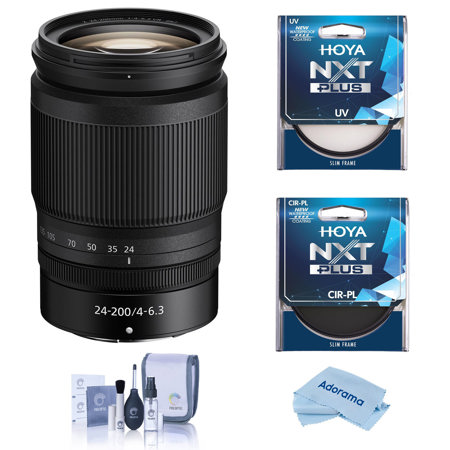
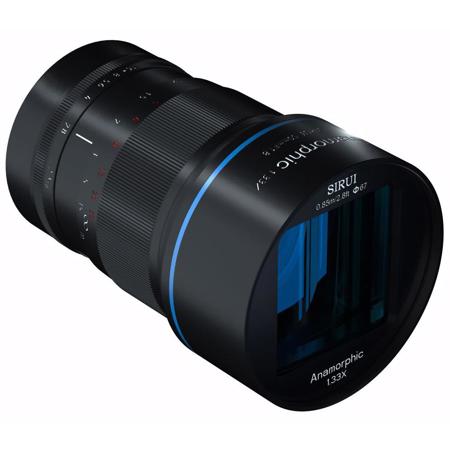
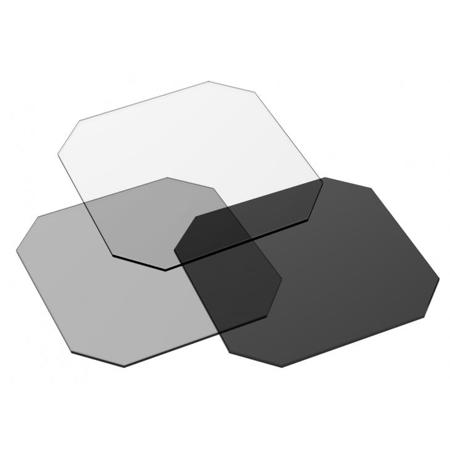
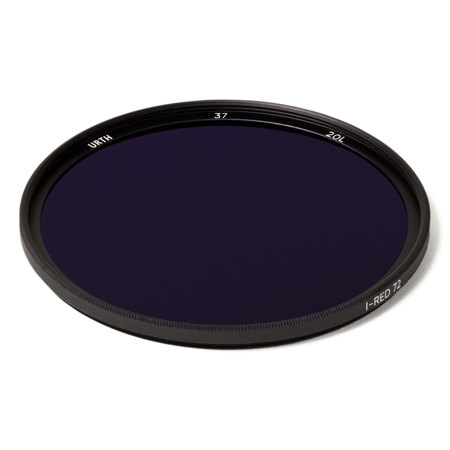
Iris Lenses
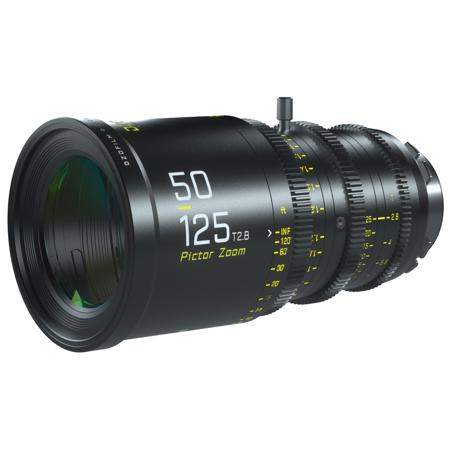
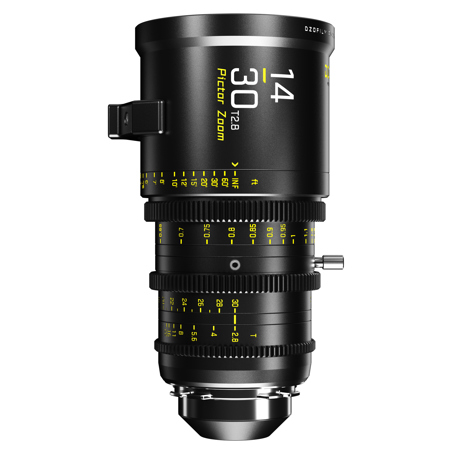
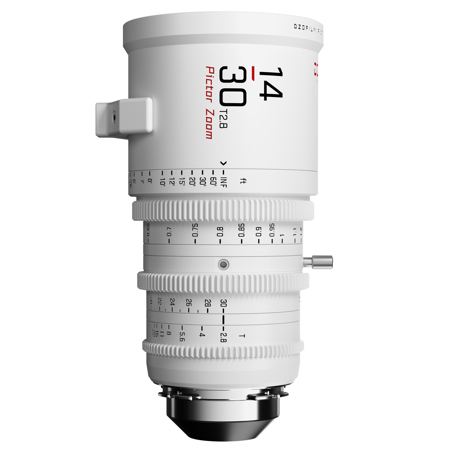
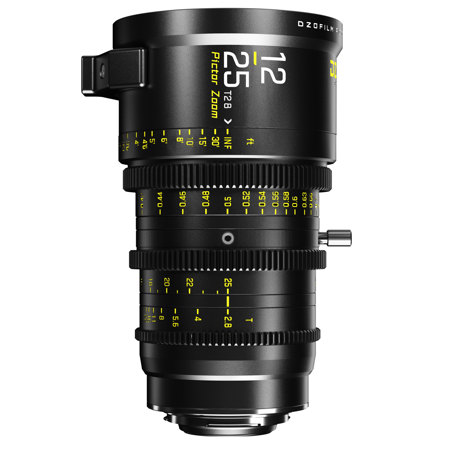
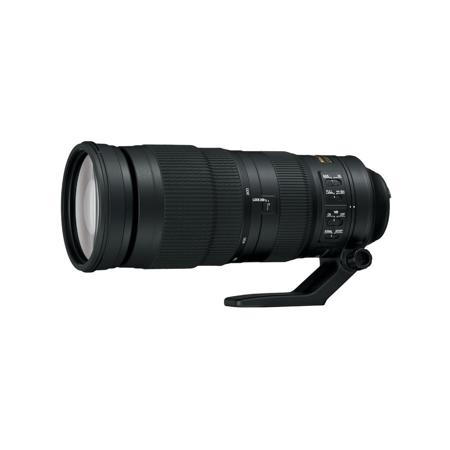
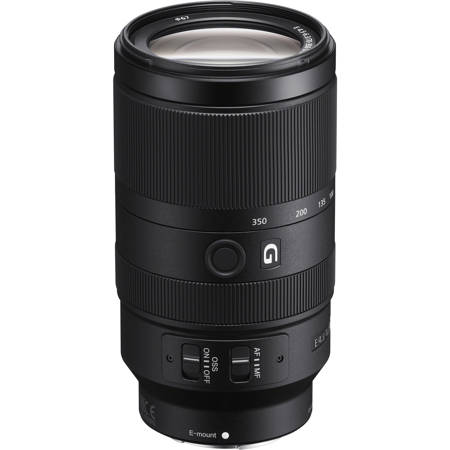
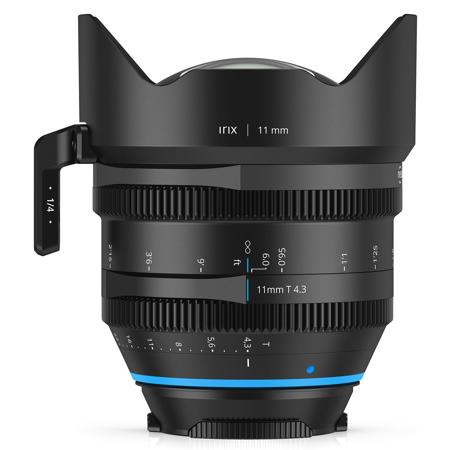
The world of iris lenses opens up a realm of creative possibilities for photographers and videographers seeking to take control of their vision. Known for their adjustable aperture mechanisms, iris lenses allow for precise management of depth of field and exposure, making them a staple in both studio and outdoor settings. Whether you’re capturing the crisp, frosty landscapes of January or the subtle play of light in a dimly lit room, the ability to fine-tune the iris gives artists the flexibility to adapt to changing conditions. For professionals working in cinematography, iris lenses are invaluable for creating dramatic focus pulls or isolating subjects against beautifully blurred backgrounds. Portrait photographers appreciate the nuanced bokeh effects achievable with a carefully adjusted aperture, while macro enthusiasts rely on the extra control to highlight the intricate details of their subjects—be it the delicate veins of a winter leaf or the sparkle of fresh snow. Even in fast-paced environments such as event or sports photography, the quick adjustment of the iris can mean the difference between a perfectly exposed shot and a missed opportunity.
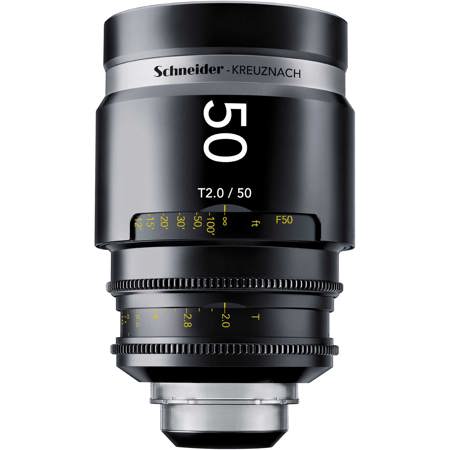
Iris lenses are not just for seasoned professionals; they make thoughtful gifts for passionate hobbyists or aspiring creators looking to elevate their craft. Imagine the joy of unwrapping a lens that empowers the recipient to experiment with light in new ways, whether they’re shooting family gatherings, winter festivities, or embarking on personal creative projects during the quieter months of the year. For those just beginning to explore manual photography, iris lenses offer a hands-on learning experience that builds confidence and skill, encouraging experimentation with aperture settings and exposure. When considering a purchase, it’s important to think about compatibility with your camera system, the desired focal length for your style of shooting, and the build quality that will withstand the rigors of travel or frequent use. Some iris lenses feature smooth, de-clicked apertures ideal for video work, while others are designed for still photography with tactile, click-stop rings for precise adjustments. The choice between manual and electronic iris control is another key consideration, depending on whether you prioritize tactile feedback or seamless integration with your camera’s controls.
As the days remain short and the light ever-changing in January, iris lenses become a trusted tool for capturing the season’s subtle moods—soft morning haze, the golden hour glow, or the stark contrast of snow against dark branches. They’re equally at home in controlled studio environments, where lighting can be meticulously shaped, or on location, where adaptability is essential. For those interested in expanding their creative toolkit even further, exploring specialized lens options such as Blue Lenses can offer new ways to play with color and atmosphere. Ultimately, an iris lens is more than just a piece of equipment; it’s an invitation to see the world differently, to experiment with the interplay of light and shadow, and to bring your unique perspective to every frame. Whether you’re building your first kit or adding a new workhorse to your collection, the right iris lens can become a lifelong companion on your creative journey.
Iris lenses are not just for seasoned professionals; they make thoughtful gifts for passionate hobbyists or aspiring creators looking to elevate their craft. Imagine the joy of unwrapping a lens that empowers the recipient to experiment with light in new ways, whether they’re shooting family gatherings, winter festivities, or embarking on personal creative projects during the quieter months of the year. For those just beginning to explore manual photography, iris lenses offer a hands-on learning experience that builds confidence and skill, encouraging experimentation with aperture settings and exposure. When considering a purchase, it’s important to think about compatibility with your camera system, the desired focal length for your style of shooting, and the build quality that will withstand the rigors of travel or frequent use. Some iris lenses feature smooth, de-clicked apertures ideal for video work, while others are designed for still photography with tactile, click-stop rings for precise adjustments. The choice between manual and electronic iris control is another key consideration, depending on whether you prioritize tactile feedback or seamless integration with your camera’s controls.
As the days remain short and the light ever-changing in January, iris lenses become a trusted tool for capturing the season’s subtle moods—soft morning haze, the golden hour glow, or the stark contrast of snow against dark branches. They’re equally at home in controlled studio environments, where lighting can be meticulously shaped, or on location, where adaptability is essential. For those interested in expanding their creative toolkit even further, exploring specialized lens options such as Blue Lenses can offer new ways to play with color and atmosphere. Ultimately, an iris lens is more than just a piece of equipment; it’s an invitation to see the world differently, to experiment with the interplay of light and shadow, and to bring your unique perspective to every frame. Whether you’re building your first kit or adding a new workhorse to your collection, the right iris lens can become a lifelong companion on your creative journey.