

IR Camera Lenses
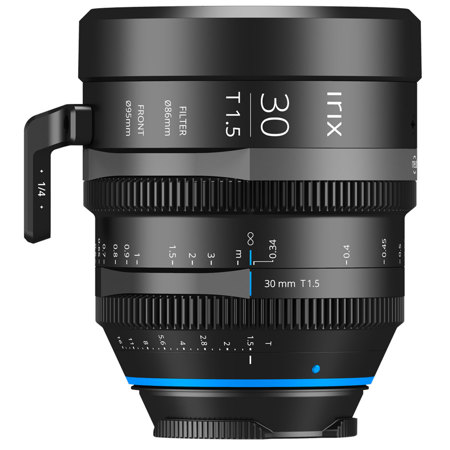
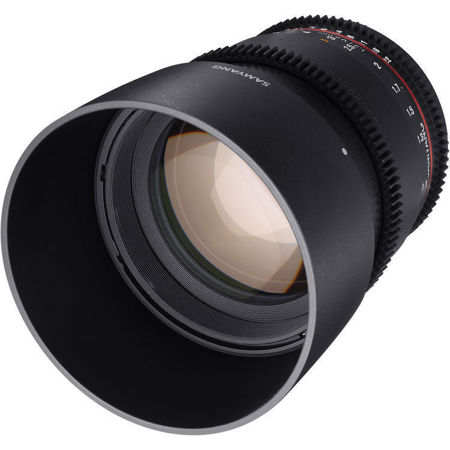
Infrared camera lenses, or IR lenses, open up a world of possibilities for photographers, videographers, and professionals in fields as diverse as security, industrial inspection, scientific research, and creative arts. Unlike standard optical lenses designed for visible light, IR lenses are engineered to transmit and focus light in the infrared spectrum, typically ranging from 700 nm to 16,000 nm. This ability is made possible by specialized materials such as Germanium, Zinc Selenide, Sapphire, and Silicon—each selected for its transparency to specific wavelengths of infrared light. Many IR lenses are further enhanced with anti-reflection coatings that maximize light transmittance and image clarity, a crucial consideration for applications where every photon counts, from low-light surveillance to precision thermal imaging. As February’s lingering winter chill brings longer nights and unique lighting conditions, IR photography lenses become especially valuable for capturing scenes that would otherwise remain hidden to the naked eye, such as the subtle warmth radiating from a snow-covered landscape or the intricate details of nocturnal wildlife.
When selecting an IR lens, it’s essential to match the lens type and material to your intended application. Near-infrared (NIR) lenses, operating in the 700–900 nm range, are popular for creative photographers looking to experiment with ethereal, high-contrast black and white images or to explore the reflective properties of foliage and skin. Short-wave infrared (SWIR) lenses, covering 900–2300 nm, are indispensable in industrial machine vision, allowing operators to inspect materials and components that are opaque in visible light. For those involved in high-performance thermal imaging—think search and rescue, electrical inspection, or wildlife observation—mid-wave (MWIR, 3–5 μm) and long-wave infrared (LWIR, 8–12 μm) lenses deliver the sensitivity required to detect subtle differences in heat signatures. These lenses are often found in the hands of security professionals, engineers, and scientists, but they are also a thoughtful gift for technology enthusiasts, hobbyists, or anyone passionate about pushing the boundaries of visual exploration. The unique ability of IR lenses to reveal hidden worlds—whether it’s the heat trail of a nocturnal animal or the integrity of a building’s insulation—makes them a practical and inspiring tool for both work and creative play.
Beyond their technical specifications, IR lenses are as much about the experience as the results. There’s a certain thrill to attaching a well-crafted infrared camera lens to a modified camera and stepping into a frosty February night, watching as familiar scenes transform into surreal compositions of light and shadow. For those in surveillance and security, an IR lens is an essential asset, extending visibility far beyond what standard optics allow and providing peace of mind in critical situations. If your interests lean toward security systems, you may also want to explore our selection of Surveillance Camera Lenses for more specialized options. Whether you’re capturing the invisible beauty of winter landscapes, conducting thermal inspections, or enhancing the capabilities of your security setup, IR lenses offer a powerful and versatile solution. Their robust construction, advanced coatings, and precise engineering ensure reliability and performance in demanding environments, making them a wise investment for professionals and passionate creators alike.
When selecting an IR lens, it’s essential to match the lens type and material to your intended application. Near-infrared (NIR) lenses, operating in the 700–900 nm range, are popular for creative photographers looking to experiment with ethereal, high-contrast black and white images or to explore the reflective properties of foliage and skin. Short-wave infrared (SWIR) lenses, covering 900–2300 nm, are indispensable in industrial machine vision, allowing operators to inspect materials and components that are opaque in visible light. For those involved in high-performance thermal imaging—think search and rescue, electrical inspection, or wildlife observation—mid-wave (MWIR, 3–5 μm) and long-wave infrared (LWIR, 8–12 μm) lenses deliver the sensitivity required to detect subtle differences in heat signatures. These lenses are often found in the hands of security professionals, engineers, and scientists, but they are also a thoughtful gift for technology enthusiasts, hobbyists, or anyone passionate about pushing the boundaries of visual exploration. The unique ability of IR lenses to reveal hidden worlds—whether it’s the heat trail of a nocturnal animal or the integrity of a building’s insulation—makes them a practical and inspiring tool for both work and creative play.
Beyond their technical specifications, IR lenses are as much about the experience as the results. There’s a certain thrill to attaching a well-crafted infrared camera lens to a modified camera and stepping into a frosty February night, watching as familiar scenes transform into surreal compositions of light and shadow. For those in surveillance and security, an IR lens is an essential asset, extending visibility far beyond what standard optics allow and providing peace of mind in critical situations. If your interests lean toward security systems, you may also want to explore our selection of Surveillance Camera Lenses for more specialized options. Whether you’re capturing the invisible beauty of winter landscapes, conducting thermal inspections, or enhancing the capabilities of your security setup, IR lenses offer a powerful and versatile solution. Their robust construction, advanced coatings, and precise engineering ensure reliability and performance in demanding environments, making them a wise investment for professionals and passionate creators alike.