Cardioid Microphone Vocal
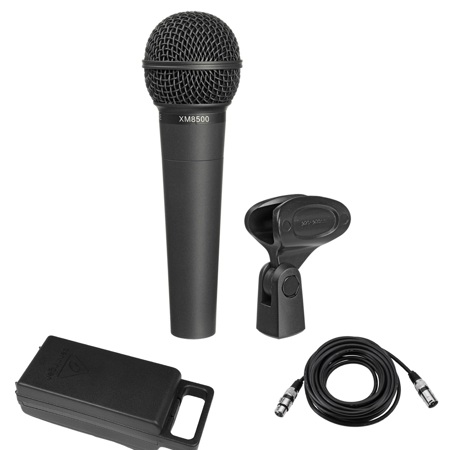
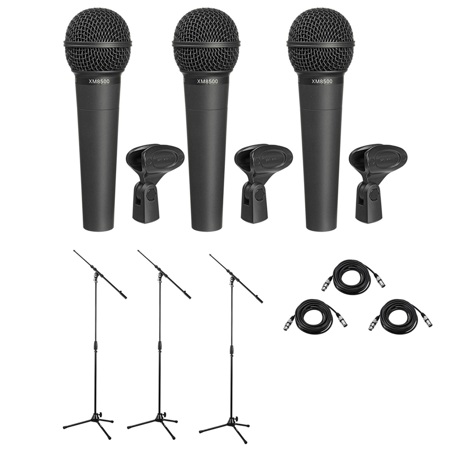
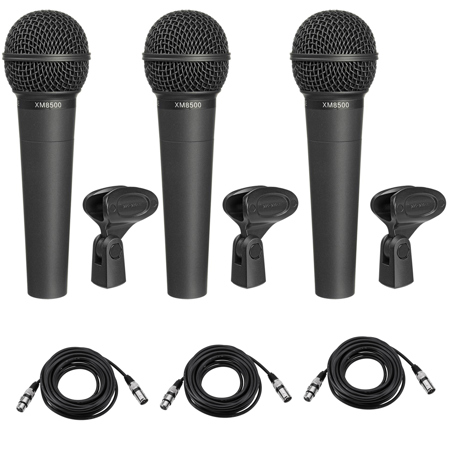
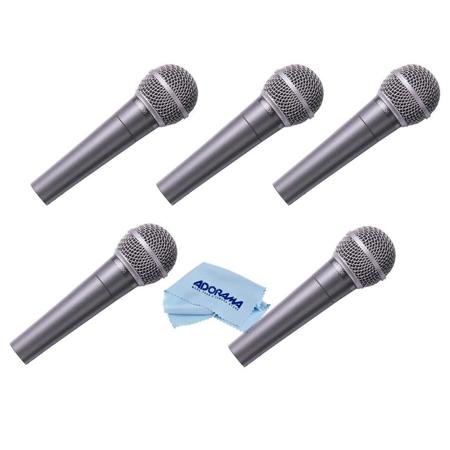
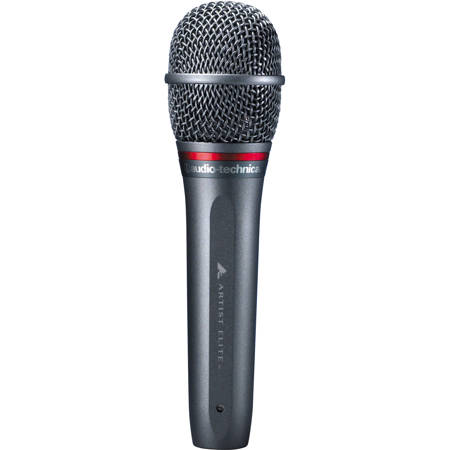
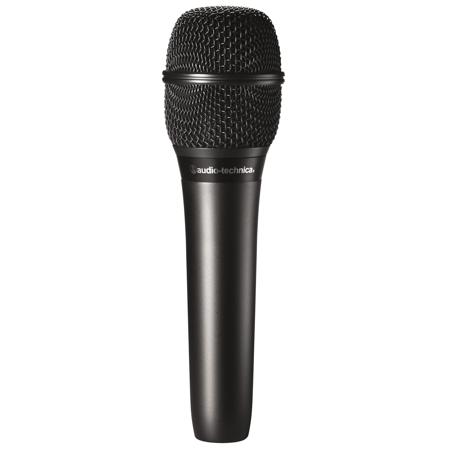
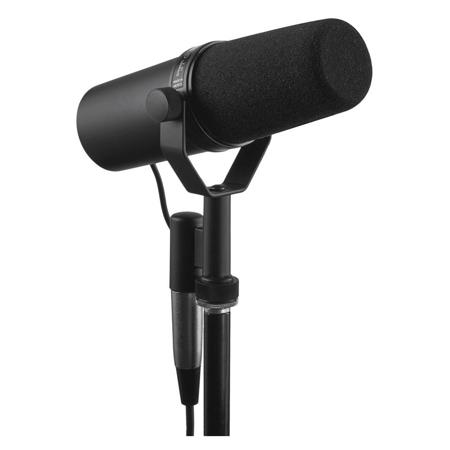
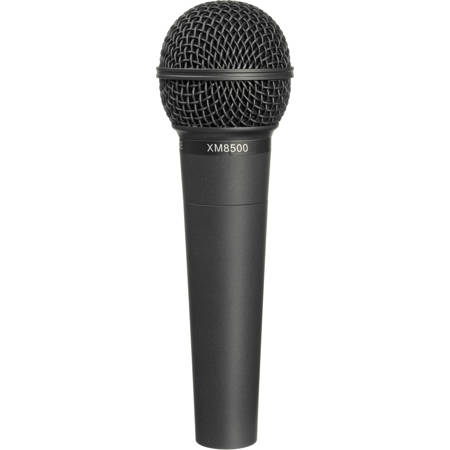
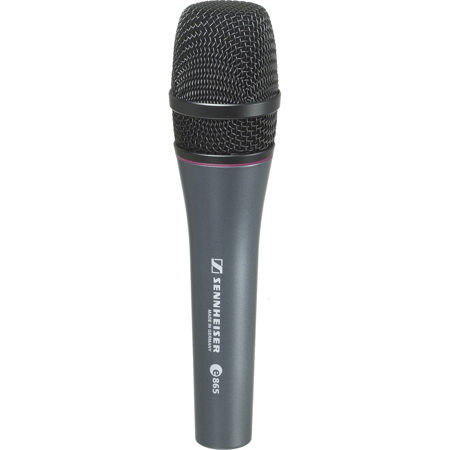
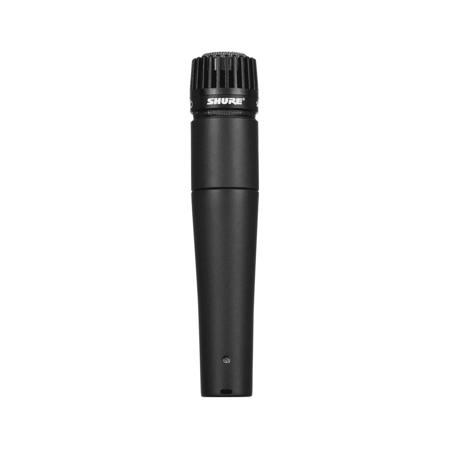
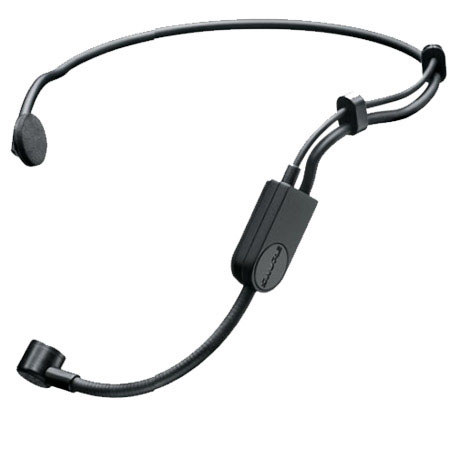
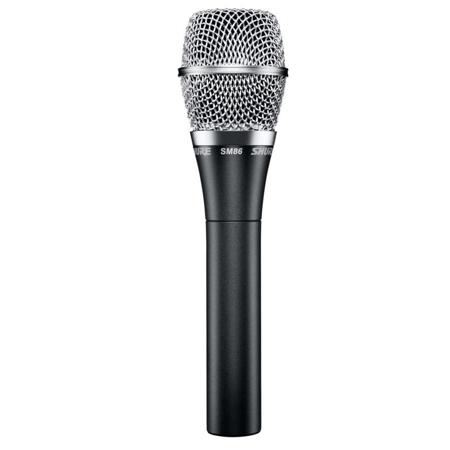
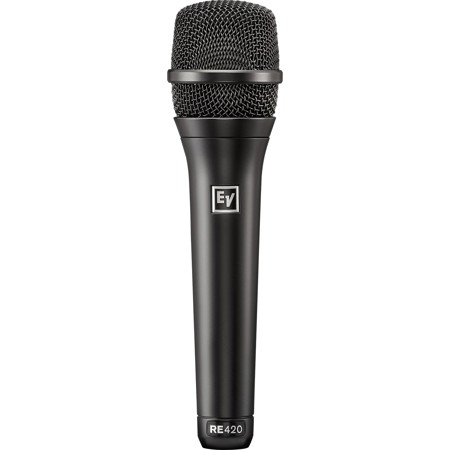
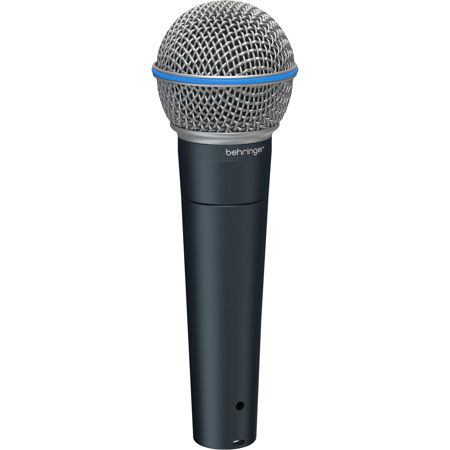
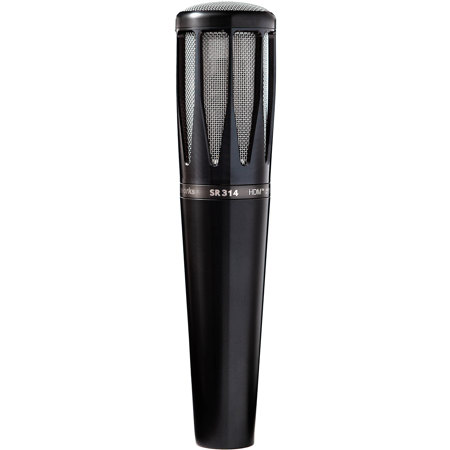
When selecting a microphone for vocal performances, the cardioid microphone stands out as a trusted companion for singers, presenters, and content creators alike. Its heart-shaped pickup pattern is expertly engineered to focus on sound coming from the front, while minimizing unwanted noise from the sides and rear. This design makes cardioid microphones a mainstay on live stages, where they excel at isolating vocals and reducing the risk of feedback from nearby monitors or instruments. In bustling venues or intimate clubs, the ability to capture the clarity and nuance of a singer’s voice—without the intrusion of ambient noise—can make all the difference. Whether you’re a touring musician belting out anthems under the spotlights, a worship leader guiding a congregation, or a karaoke enthusiast gathering friends for a winter singalong, a cardioid vocal microphone brings both reliability and warmth to every performance. The proximity effect, a hallmark of cardioid mics, allows vocalists to add a touch of richness and depth by moving closer to the mic, enhancing low-end frequencies for a fuller sound that resonates with audiences.
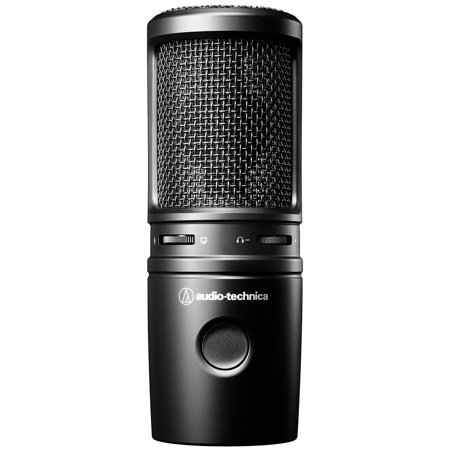
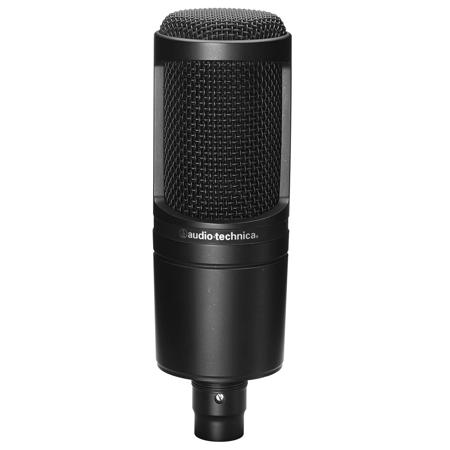
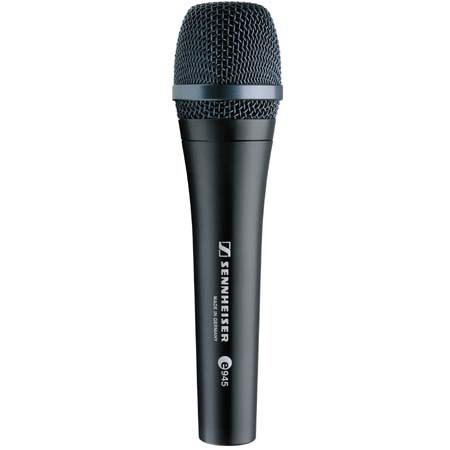
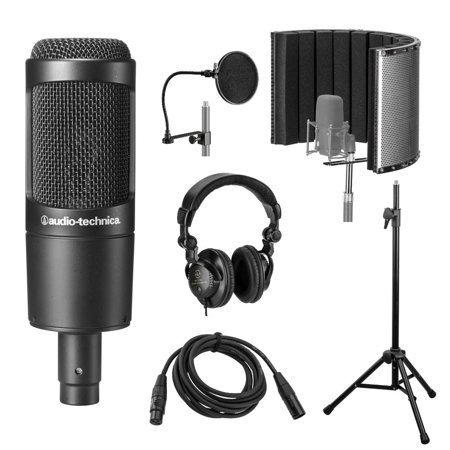
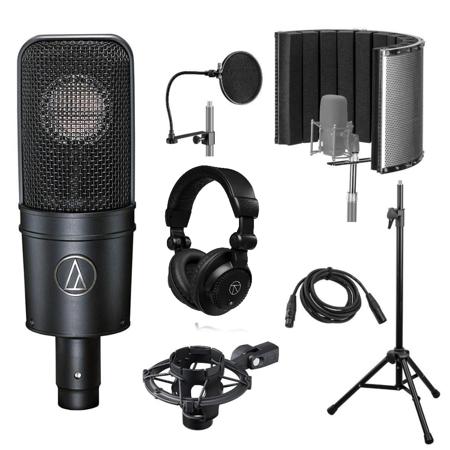
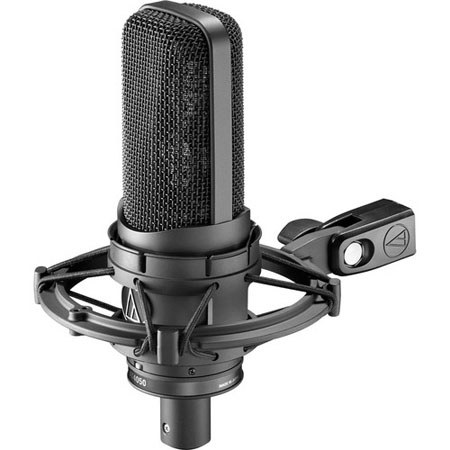
Cardioid microphones are equally at home in the studio, where capturing every subtle inflection of a vocal performance is paramount. Studio vocalists, podcasters, and voiceover artists often gravitate toward cardioid condenser models for their heightened sensitivity and detailed sound reproduction, while dynamic cardioid microphones are prized for their ruggedness and ability to handle high sound pressure levels. The versatility of these microphones extends to recording both lead and backing vocals, making them a valuable investment for home studio owners and professionals building a comprehensive audio toolkit. For those considering a thoughtful gift, a cardioid vocal microphone is a practical and inspiring choice for aspiring musicians, content creators, or anyone embarking on a creative journey in audio. With the new year underway and creative projects taking shape indoors during the colder months, now is an ideal time to equip yourself or a loved one with a microphone that encourages expression and elevates every performance.
When exploring cardioid microphone options, consider the intended application, environment, and the user’s experience level. A dynamic cardioid microphone is often favored for live performances due to its durability and feedback resistance, while a condenser cardioid microphone might be the go-to for studio use, offering crisp detail and a natural vocal presence. Pay attention to features such as frequency response, handling noise, and mounting options to ensure the microphone complements your setup. If your stage or recording scenario demands even greater directional control, you might also explore alternatives like those featured on our Hypercardioid Microphone Stage page. Ultimately, a well-chosen cardioid vocal microphone becomes more than just a piece of gear—it’s the bridge between your voice and your audience, helping you share your message with clarity and confidence, no matter the season or setting.
Cardioid microphones are equally at home in the studio, where capturing every subtle inflection of a vocal performance is paramount. Studio vocalists, podcasters, and voiceover artists often gravitate toward cardioid condenser models for their heightened sensitivity and detailed sound reproduction, while dynamic cardioid microphones are prized for their ruggedness and ability to handle high sound pressure levels. The versatility of these microphones extends to recording both lead and backing vocals, making them a valuable investment for home studio owners and professionals building a comprehensive audio toolkit. For those considering a thoughtful gift, a cardioid vocal microphone is a practical and inspiring choice for aspiring musicians, content creators, or anyone embarking on a creative journey in audio. With the new year underway and creative projects taking shape indoors during the colder months, now is an ideal time to equip yourself or a loved one with a microphone that encourages expression and elevates every performance.
When exploring cardioid microphone options, consider the intended application, environment, and the user’s experience level. A dynamic cardioid microphone is often favored for live performances due to its durability and feedback resistance, while a condenser cardioid microphone might be the go-to for studio use, offering crisp detail and a natural vocal presence. Pay attention to features such as frequency response, handling noise, and mounting options to ensure the microphone complements your setup. If your stage or recording scenario demands even greater directional control, you might also explore alternatives like those featured on our Hypercardioid Microphone Stage page. Ultimately, a well-chosen cardioid vocal microphone becomes more than just a piece of gear—it’s the bridge between your voice and your audience, helping you share your message with clarity and confidence, no matter the season or setting.