

Hypercardioid Microphone Stage
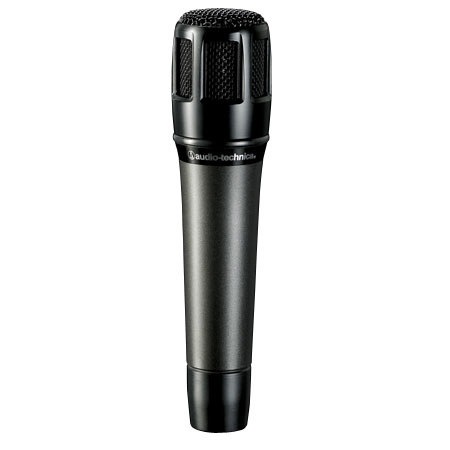
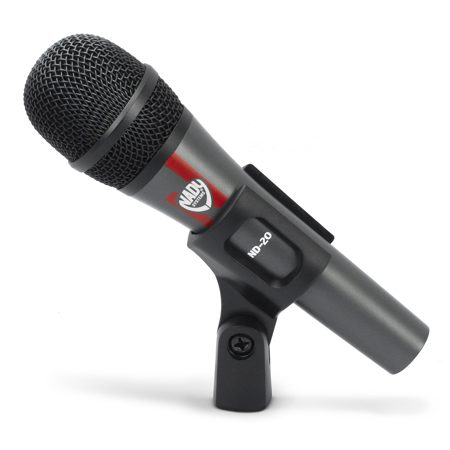
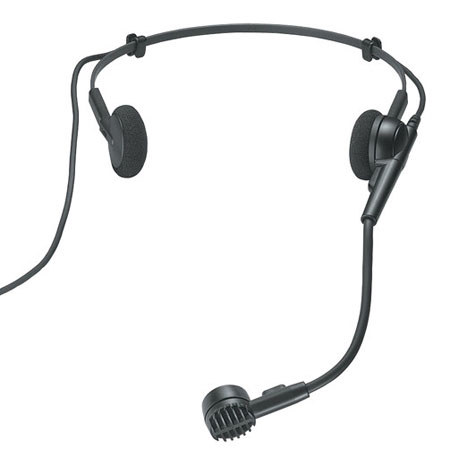
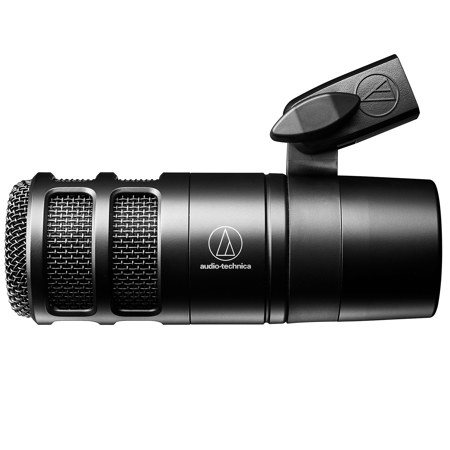
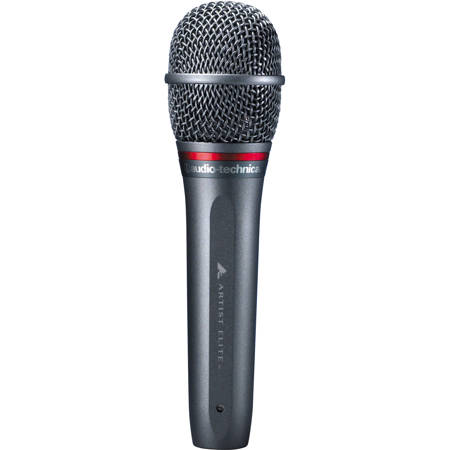
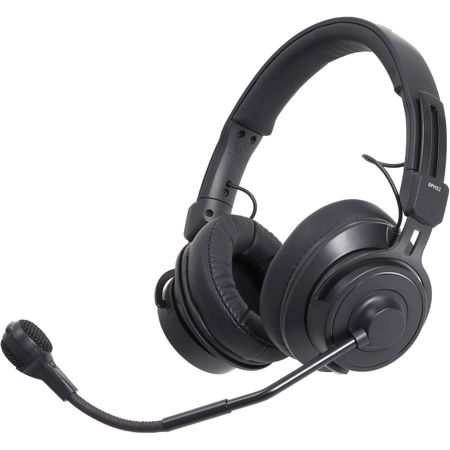
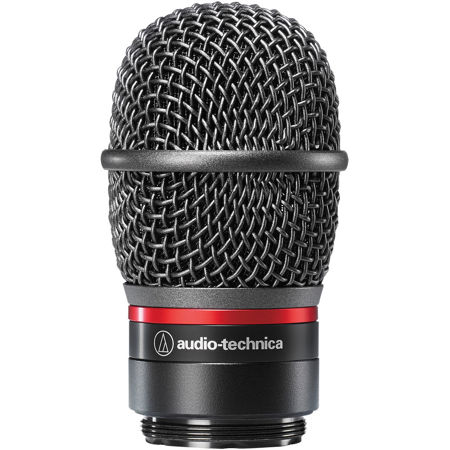
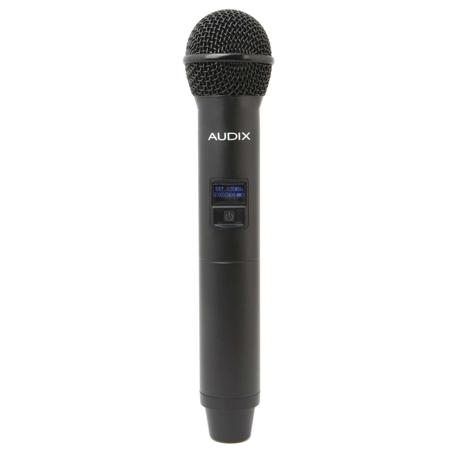
When it comes to live stage performances, hypercardioid microphones have become a staple for vocalists, instrumentalists, and sound engineers seeking precision and control in demanding environments. The unique pickup pattern of a hypercardioid microphone is designed to capture sound primarily from the front while offering exceptional rejection of unwanted ambient noise from the sides. This makes them especially valuable in loud venues, where stage monitors, audience chatter, and instrument bleed can compromise clarity. The hypercardioid pattern is even more focused than the standard cardioid, making it ideal for situations where feedback control is critical—such as high-energy concerts, bustling festivals as the weather warms, or even more intimate indoor gigs as the season shifts toward cooler nights. Whether you're a touring musician, a church sound tech, or a local band member gearing up for summer shows, investing in the best hypercardioid microphone can transform your live sound by delivering clear, isolated vocals or instrument tones even amidst the chaos of a busy stage.
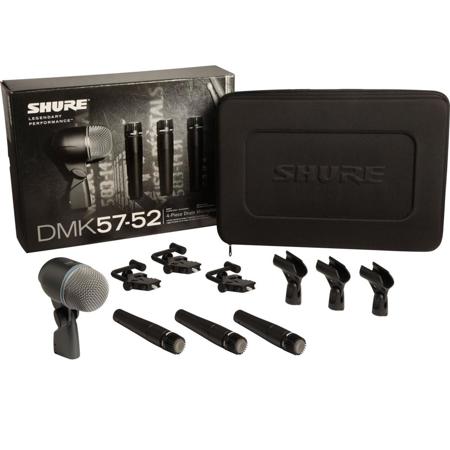
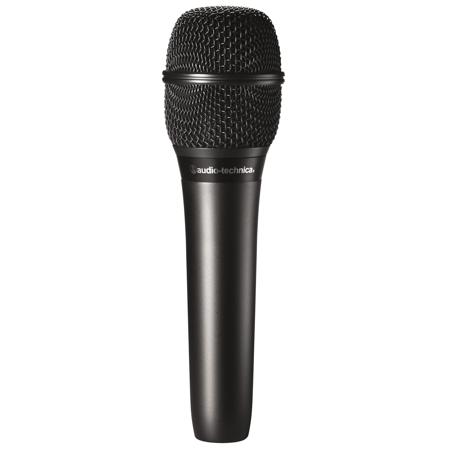
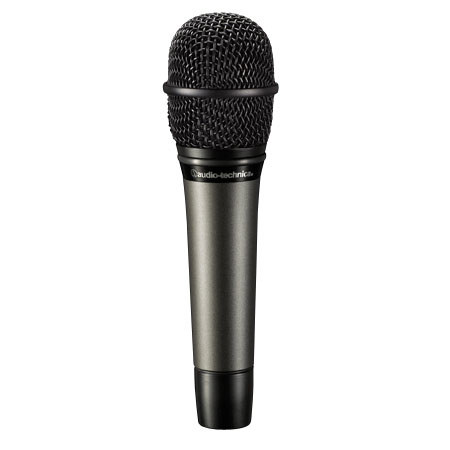
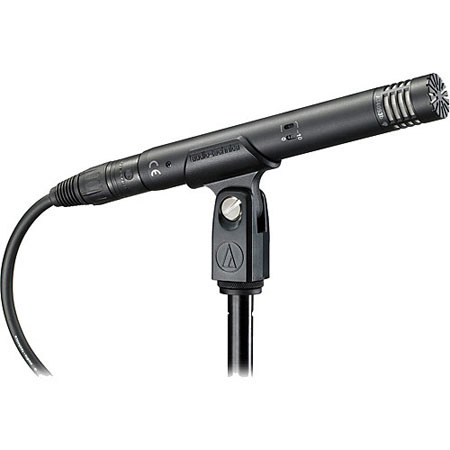
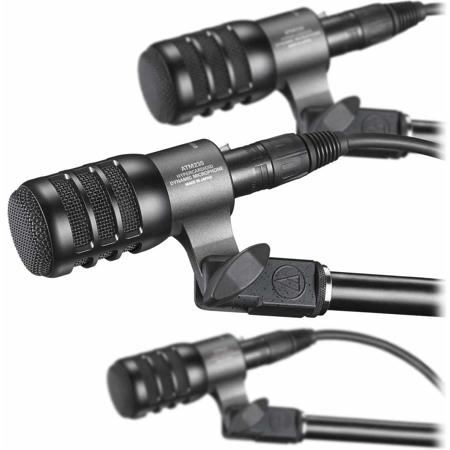
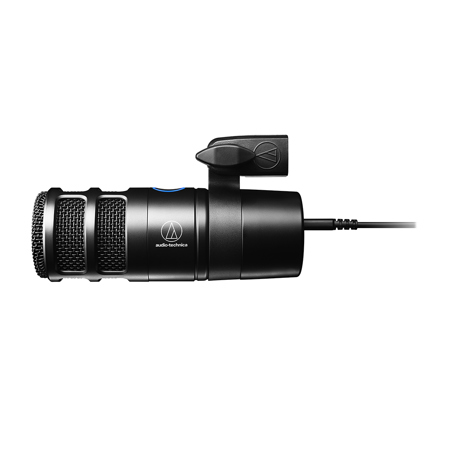
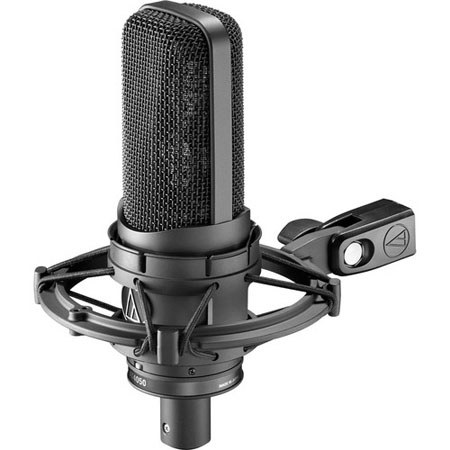
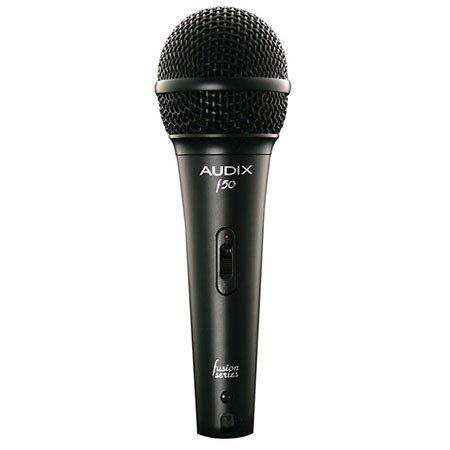
Choosing the right hyper cardioid microphone involves considering the specific needs of your performance and the acoustics of your venue. For vocalists, a dynamic hypercardioid mic offers durability and resistance to handling noise, making it perfect for energetic stage presence and movement. These mics are frequently used for lead singers in rock, pop, or hip-hop acts, where the ability to cut through a dense mix is essential. Instrumentalists—especially those playing brass, woodwinds, or acoustic instruments—often reach for condenser hyper cardioid microphones, which provide greater sensitivity and detail, capturing the nuances of each note. For drummers, the focused pickup pattern excels at isolating individual drums or cymbals, and you can find more about this application on our dedicated Hypercardioid Microphone For Drums page. During the summer and fall event season, these microphones are also a thoughtful gift for aspiring musicians, audio students, or anyone building a home studio, as their versatility ensures they’ll be useful in a range of scenarios—from open mic nights to recording sessions. Even podcasters and streamers benefit from the focused sound capture, especially when using an audio technica usb mic with a hypercardioid pattern to minimize room noise and distractions.
Proper mic technique is essential when using hyper cardioid microphones on stage. Because these mics have a small rear pickup lobe, it’s important to position stage monitors at approximately 120 degrees off-axis to avoid unwanted sound bleed or feedback. This attention to placement allows performers to enjoy the benefits of high gain before feedback—a crucial factor in live sound reinforcement. Sound engineers often recount how a well-placed hypercardioid mic can mean the difference between a muddy mix and a pristine, professional sound. Whether you’re performing outdoors under the summer sun or indoors as the nights grow longer, the right hypercardioid microphone ensures your voice or instrument remains front and center. With their robust build, reliable performance, and ability to thrive in challenging acoustic environments, these microphones continue to be a top choice for those who demand the best from their live sound gear.
Choosing the right hyper cardioid microphone involves considering the specific needs of your performance and the acoustics of your venue. For vocalists, a dynamic hypercardioid mic offers durability and resistance to handling noise, making it perfect for energetic stage presence and movement. These mics are frequently used for lead singers in rock, pop, or hip-hop acts, where the ability to cut through a dense mix is essential. Instrumentalists—especially those playing brass, woodwinds, or acoustic instruments—often reach for condenser hyper cardioid microphones, which provide greater sensitivity and detail, capturing the nuances of each note. For drummers, the focused pickup pattern excels at isolating individual drums or cymbals, and you can find more about this application on our dedicated Hypercardioid Microphone For Drums page. During the summer and fall event season, these microphones are also a thoughtful gift for aspiring musicians, audio students, or anyone building a home studio, as their versatility ensures they’ll be useful in a range of scenarios—from open mic nights to recording sessions. Even podcasters and streamers benefit from the focused sound capture, especially when using an audio technica usb mic with a hypercardioid pattern to minimize room noise and distractions.
Proper mic technique is essential when using hyper cardioid microphones on stage. Because these mics have a small rear pickup lobe, it’s important to position stage monitors at approximately 120 degrees off-axis to avoid unwanted sound bleed or feedback. This attention to placement allows performers to enjoy the benefits of high gain before feedback—a crucial factor in live sound reinforcement. Sound engineers often recount how a well-placed hypercardioid mic can mean the difference between a muddy mix and a pristine, professional sound. Whether you’re performing outdoors under the summer sun or indoors as the nights grow longer, the right hypercardioid microphone ensures your voice or instrument remains front and center. With their robust build, reliable performance, and ability to thrive in challenging acoustic environments, these microphones continue to be a top choice for those who demand the best from their live sound gear.