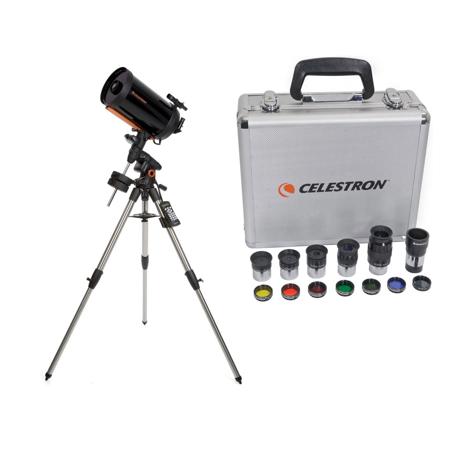
Celestial Telescopes
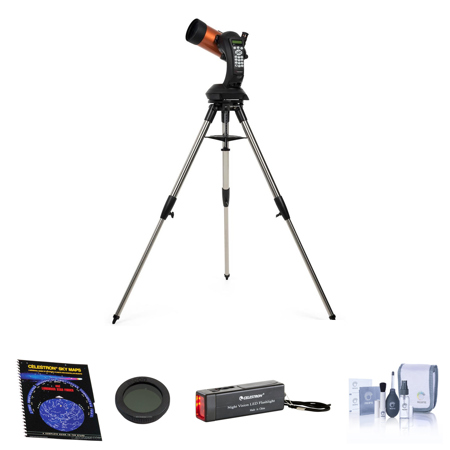
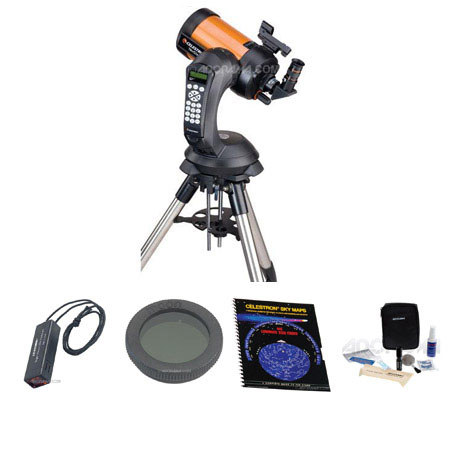
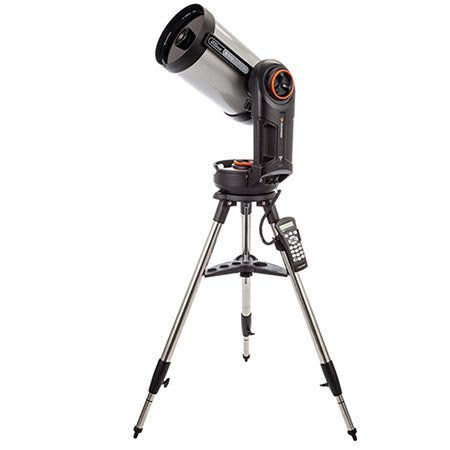
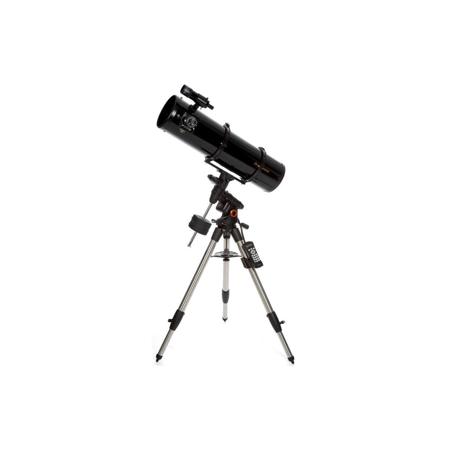
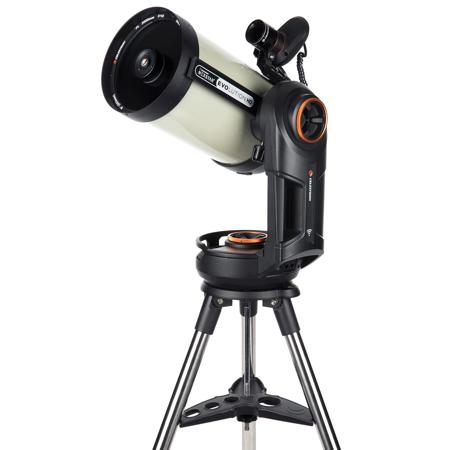
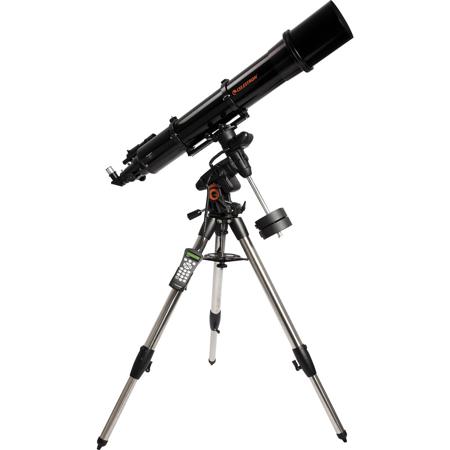
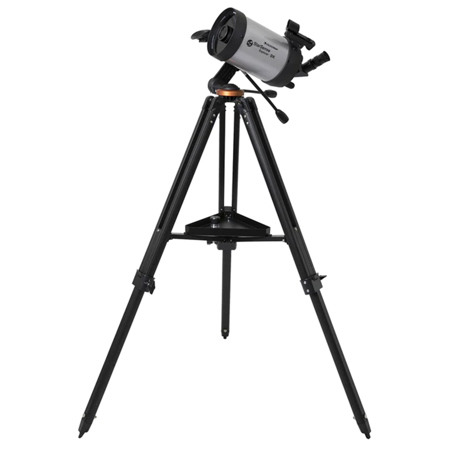
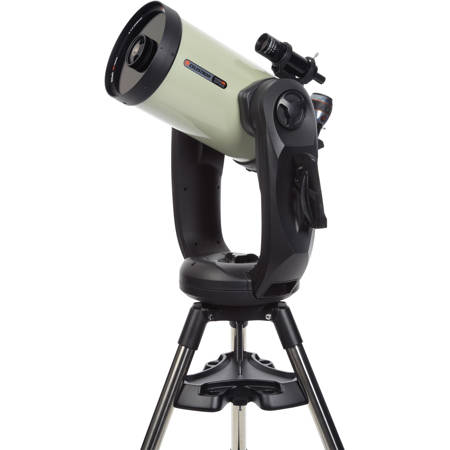
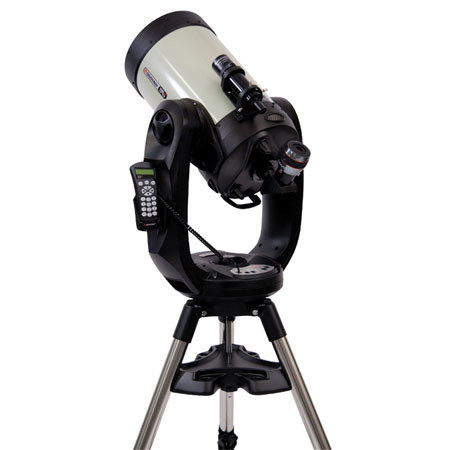
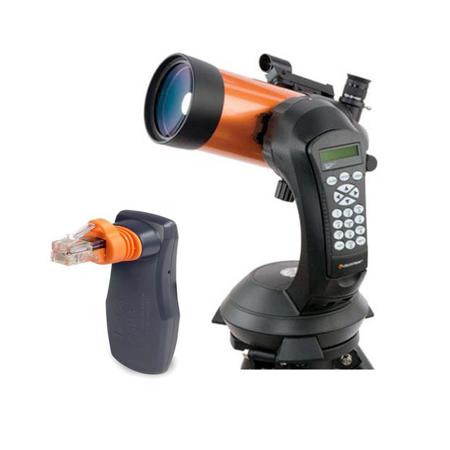
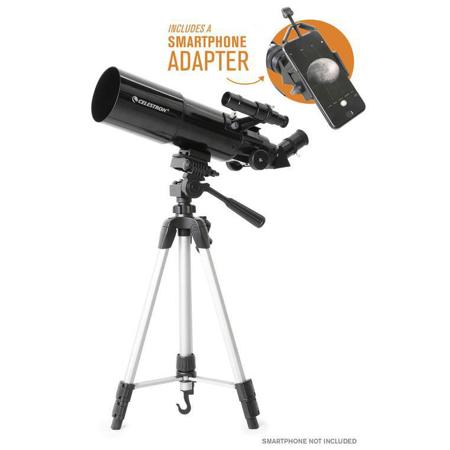
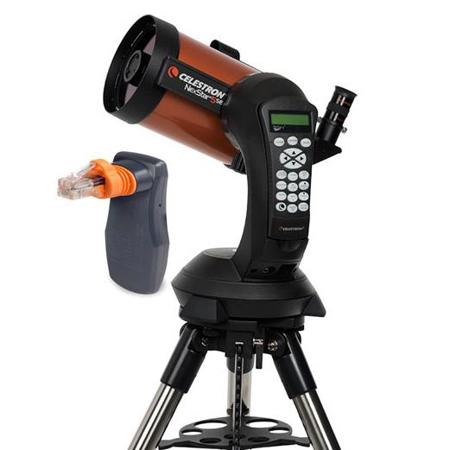
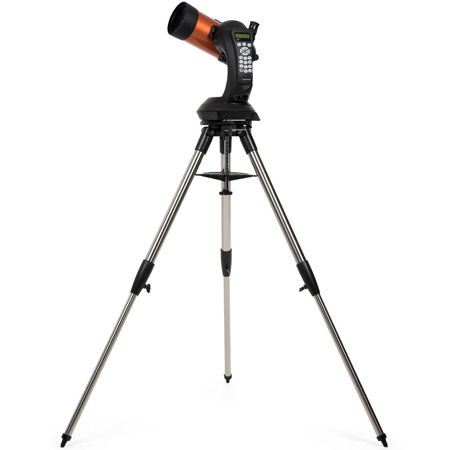
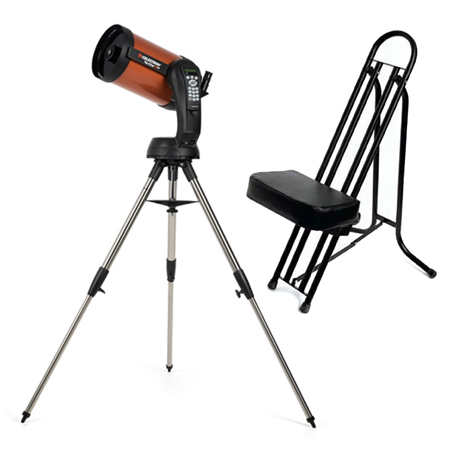
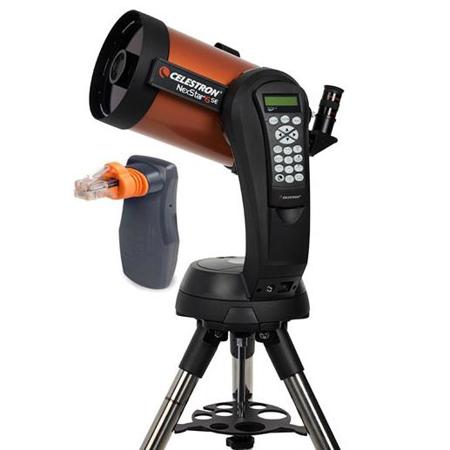
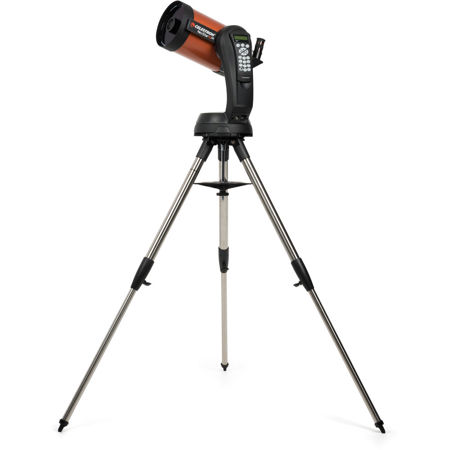
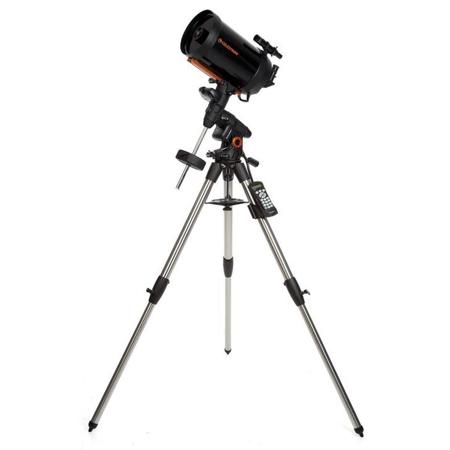
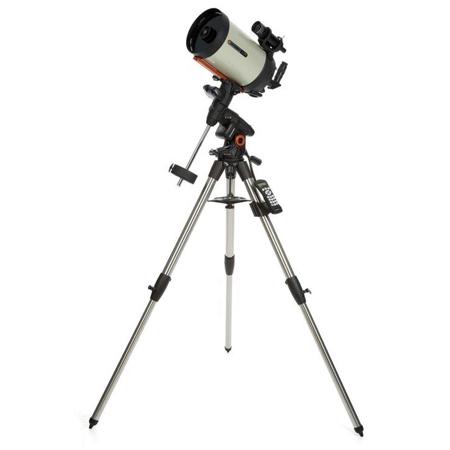
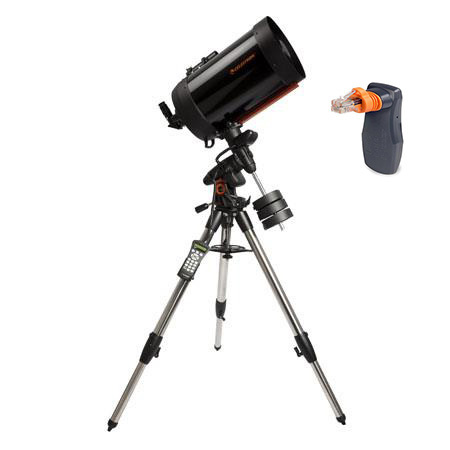
Exploring the night sky with a celestial telescope is a journey that captivates stargazers of all ages, from curious beginners to seasoned astronomers. As March ushers in the promise of spring, the evenings grow milder and the skies often clear, making it an ideal season to set up a telescope and witness the wonders above. Whether you’re hoping to catch the craters of the waxing moon, the rings of Saturn as they tilt toward Earth, or the subtle glow of distant nebulae, the right telescope can turn a simple night outdoors into a memorable adventure. Celestial telescopes come in a variety of optical designs, each suited to different interests and experience levels. Refractor models are prized for their crisp, high-contrast images and are often favored by those who love observing the moon and planets. Newtonian reflectors, with their larger apertures, are excellent for deep-sky viewing, capturing the faint light of galaxies and star clusters. For those who value convenience and advanced technology, computerized or “smart” telescopes can automatically locate and track celestial objects, making the experience accessible and rewarding even for those just starting out.
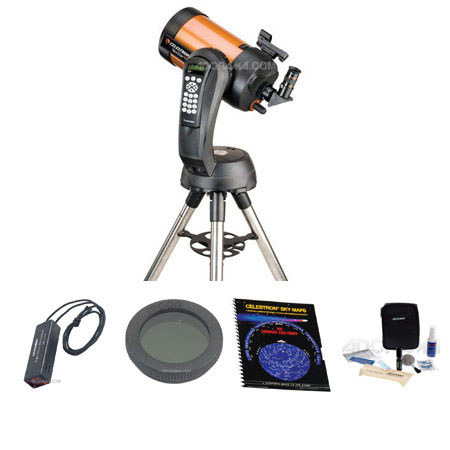
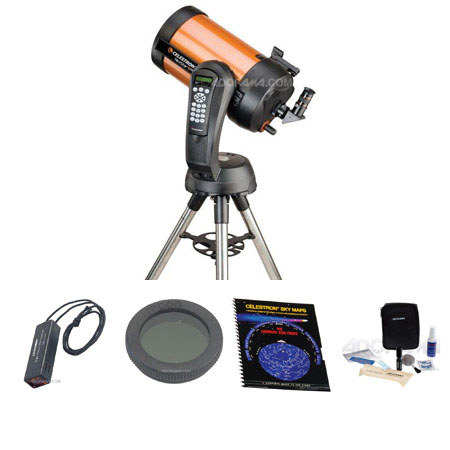
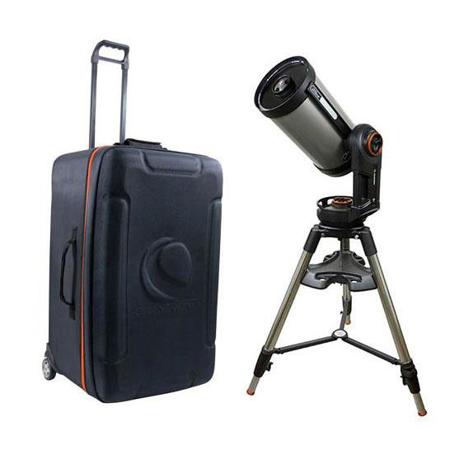
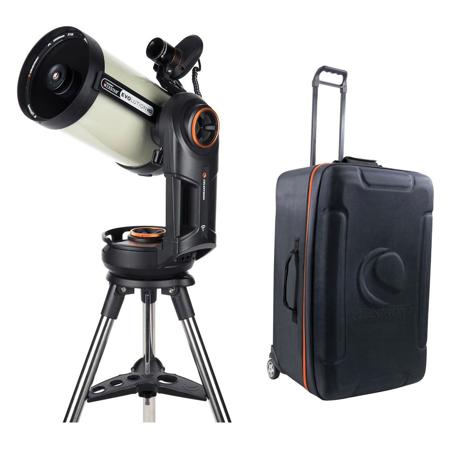
Selecting the best celestial telescope involves balancing several considerations. Aperture size is key—larger apertures gather more light, revealing fainter objects and finer details, but they also tend to be heavier and require sturdier mounts. Portability might be important if you plan to take your telescope to darker skies outside the city, while those setting up at home may prefer a more substantial setup. Many modern telescopes feature smartphone integration or built-in databases, allowing users to align their scope with a few taps and explore a curated tour of the night sky. These features can be especially helpful for families or anyone gifting a telescope to a young astronomer, as they simplify the learning curve and spark a lifelong interest in astronomy. Telescopes also make thoughtful gifts for special occasions, from birthdays to graduations, opening the door to shared experiences—imagine wrapping up in blankets on a cool spring night, passing around the eyepiece as each person discovers the rings of Saturn or the jewel-like colors of a double star. For those interested in astrophotography, pairing a telescope with a dedicated camera allows you to capture and share the beauty you observe; our selection of Telescope Cameras is curated to help you get started with stunning lunar and planetary images.
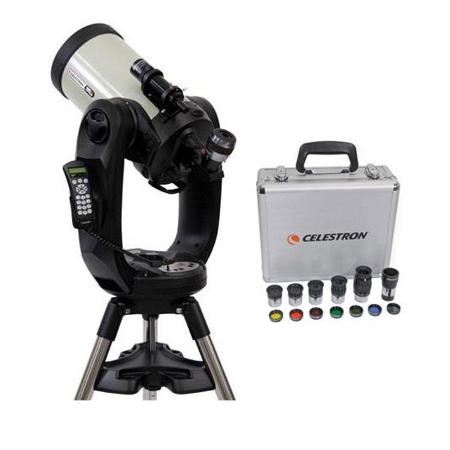
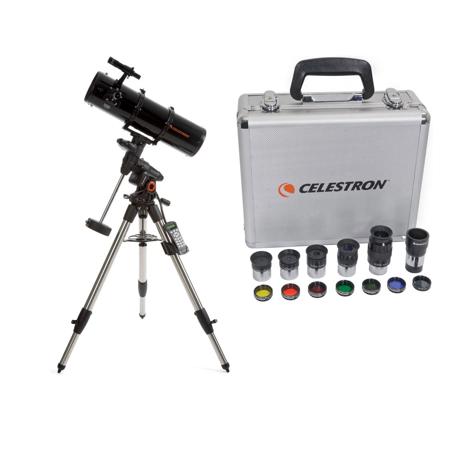
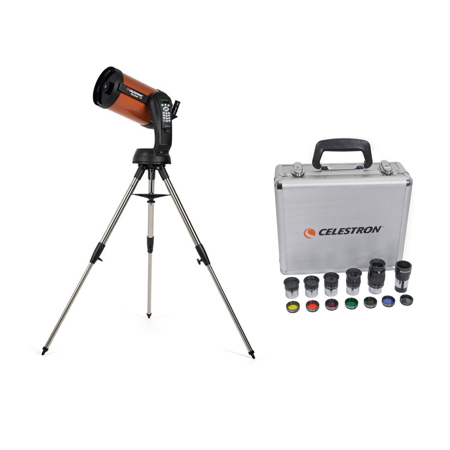
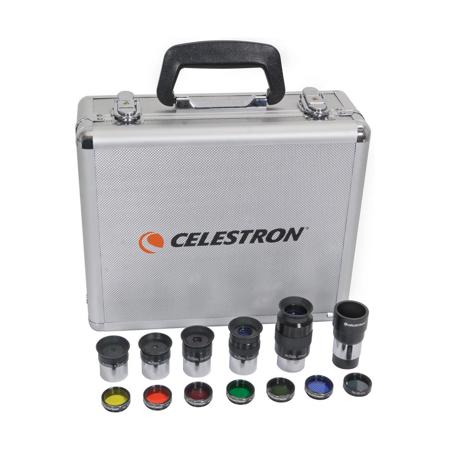
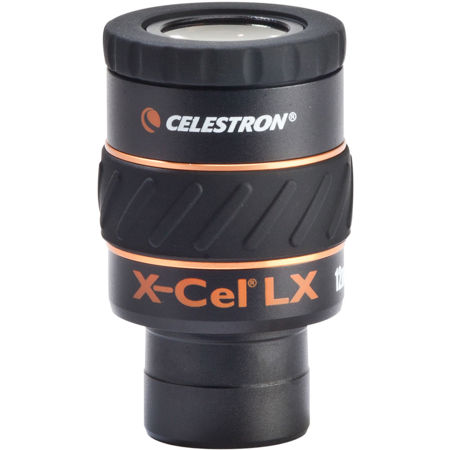
No matter your level of experience, investing in a celestial telescope is an invitation to explore, learn, and connect with the universe in a deeply personal way. Many enthusiasts recall the thrill of their first clear view of Jupiter’s cloud bands or the delicate shadow of a lunar eclipse—moments that linger in memory and inspire further exploration. If you’re new to the hobby, starting with a user-friendly model can help you build confidence and skills, while advanced users might seek out telescopes with features like motorized tracking or enhanced optics for detailed planetary studies and deep-sky observations. Accessories such as sturdy tripods, additional eyepieces, and filters can further enhance your viewing sessions, allowing you to tailor your setup to your interests. As the seasons change and new constellations rise, a celestial telescope becomes more than just an instrument—it’s a doorway to discovery, perfect for solo contemplation, family bonding, or sharing the magic of the night sky with friends.
Selecting the best celestial telescope involves balancing several considerations. Aperture size is key—larger apertures gather more light, revealing fainter objects and finer details, but they also tend to be heavier and require sturdier mounts. Portability might be important if you plan to take your telescope to darker skies outside the city, while those setting up at home may prefer a more substantial setup. Many modern telescopes feature smartphone integration or built-in databases, allowing users to align their scope with a few taps and explore a curated tour of the night sky. These features can be especially helpful for families or anyone gifting a telescope to a young astronomer, as they simplify the learning curve and spark a lifelong interest in astronomy. Telescopes also make thoughtful gifts for special occasions, from birthdays to graduations, opening the door to shared experiences—imagine wrapping up in blankets on a cool spring night, passing around the eyepiece as each person discovers the rings of Saturn or the jewel-like colors of a double star. For those interested in astrophotography, pairing a telescope with a dedicated camera allows you to capture and share the beauty you observe; our selection of Telescope Cameras is curated to help you get started with stunning lunar and planetary images.
No matter your level of experience, investing in a celestial telescope is an invitation to explore, learn, and connect with the universe in a deeply personal way. Many enthusiasts recall the thrill of their first clear view of Jupiter’s cloud bands or the delicate shadow of a lunar eclipse—moments that linger in memory and inspire further exploration. If you’re new to the hobby, starting with a user-friendly model can help you build confidence and skills, while advanced users might seek out telescopes with features like motorized tracking or enhanced optics for detailed planetary studies and deep-sky observations. Accessories such as sturdy tripods, additional eyepieces, and filters can further enhance your viewing sessions, allowing you to tailor your setup to your interests. As the seasons change and new constellations rise, a celestial telescope becomes more than just an instrument—it’s a doorway to discovery, perfect for solo contemplation, family bonding, or sharing the magic of the night sky with friends.