Church Lighting Systems
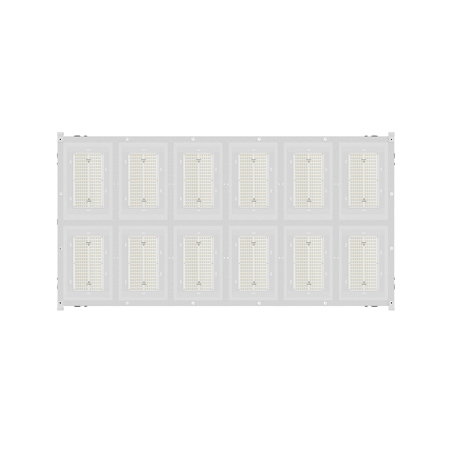
Creating the right lighting environment is essential for churches aiming to foster a welcoming, inspiring, and visually engaging atmosphere. Church lighting systems are thoughtfully designed to serve both practical and creative needs, blending energy-efficient house lighting with dynamic stage and accent fixtures. The main sanctuary often relies on overhead LED pendants or recessed cans to gently illuminate the congregation, ensuring every detail of the architecture and seating area is visible and inviting. These modern fixtures are typically dimmable and flicker-free, which not only helps reduce energy consumption but also ensures a clean, natural look both in person and on camera—a growing consideration as more worship services are streamed or recorded. For those tasked with upgrading or designing a church’s lighting, it’s important to consider how these systems will support everything from quiet, reflective services to lively musical performances or special events. Whether you’re a church technical director, a volunteer on the AV team, or a committee member planning a renovation, choosing versatile lighting solutions can make all the difference in how the space feels and functions.
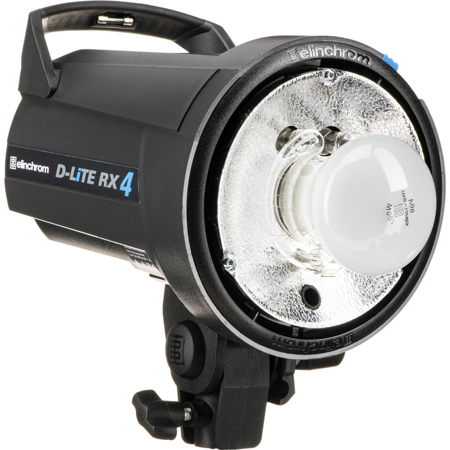
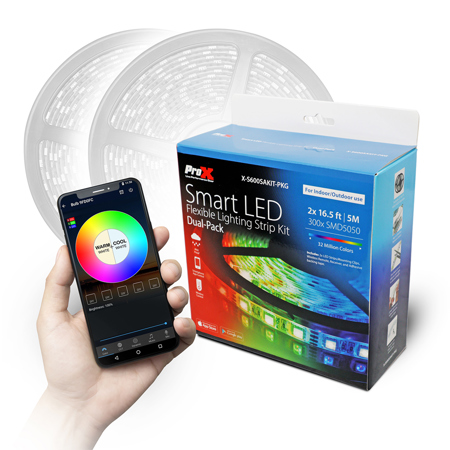
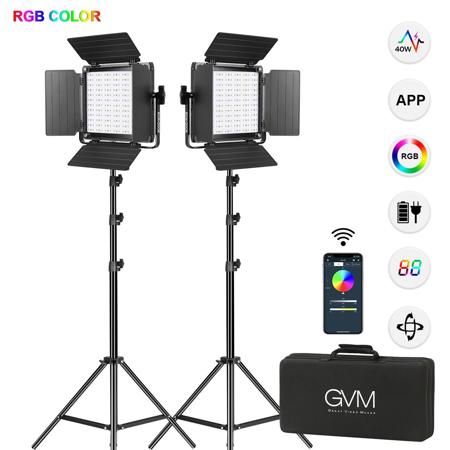
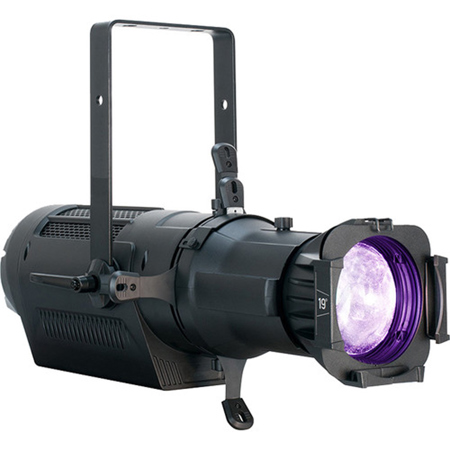
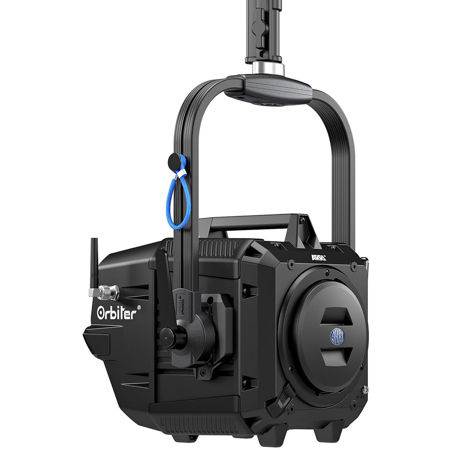
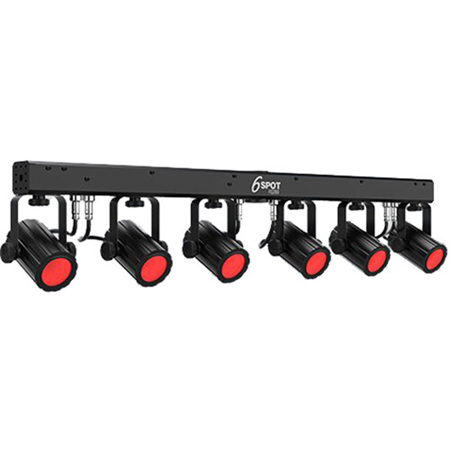
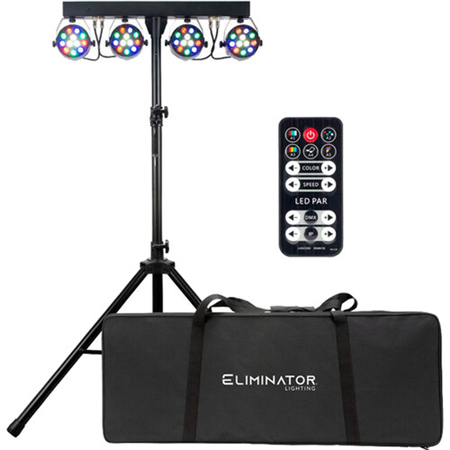
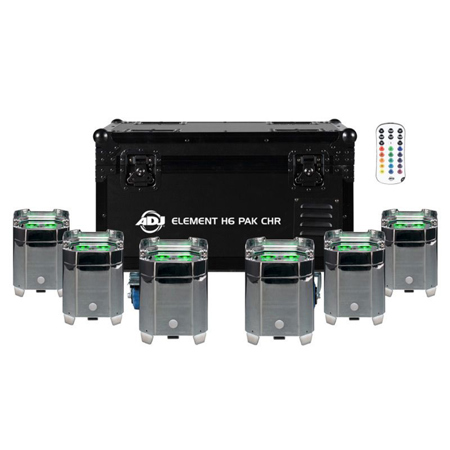
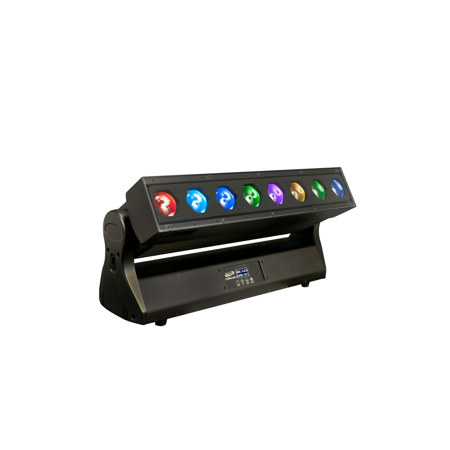
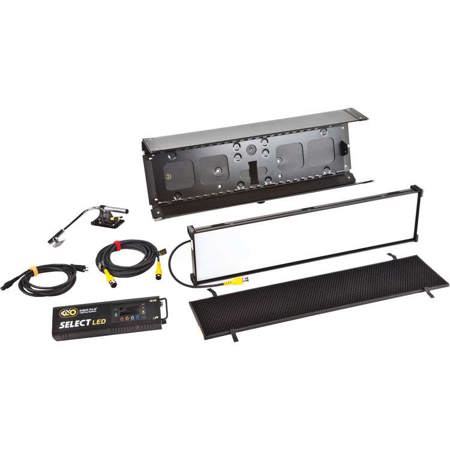
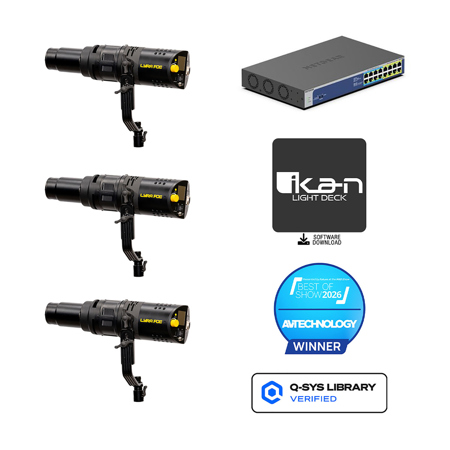
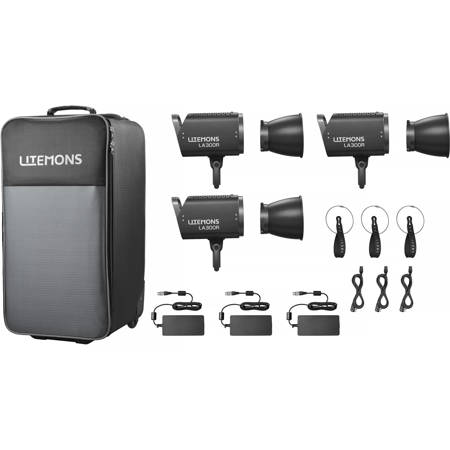
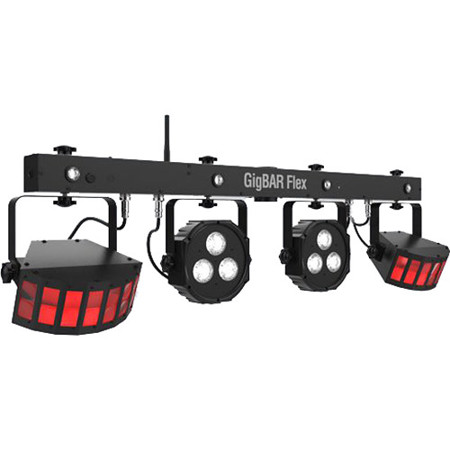
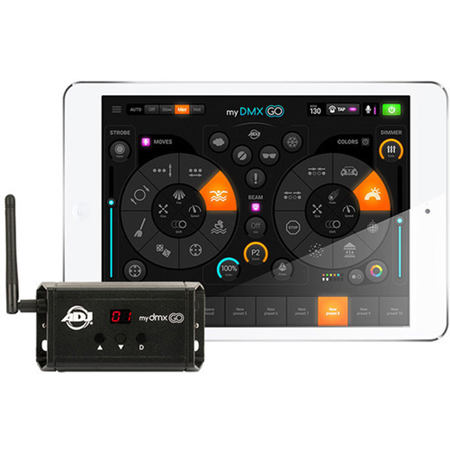
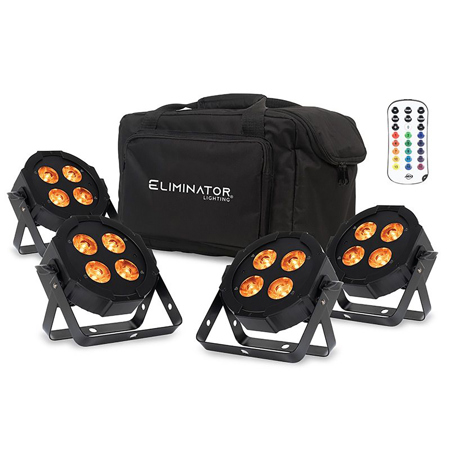
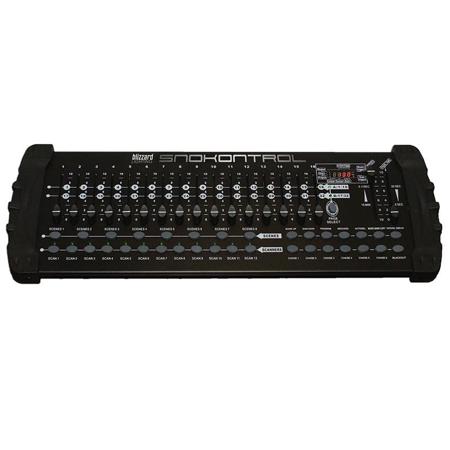
Beyond general illumination, effective church lighting systems incorporate specialized fixtures to highlight speakers, musicians, and architectural features. Front wash lights—such as Fresnel or LED wash fixtures—are typically mounted at a 45-degree angle to evenly light the altar, pulpit, or worship leaders, minimizing harsh shadows and ensuring clear visibility from every seat. Backlights and kick lights, often positioned behind or to the sides of the stage, help separate people from the background, adding depth and a sense of dimension that’s especially impactful during broadcast or live-streamed services. For churches that embrace contemporary worship styles or host seasonal events, atmospheric and accent lights—like LED pars, strip lights, or moving heads—can be used to bathe walls in color, highlight stained glass, or create dynamic visual effects that enhance the worship experience. These elements are managed through DMX control protocols, which allow for precise adjustments in color mixing, dimming, and movement across all fixtures. Control interfaces range from intuitive software solutions suitable for volunteers to robust physical lighting consoles designed for larger teams. As the weather shifts from warm summer days to the crispness of fall, and with the approach of holidays and community gatherings, having flexible lighting options ensures every service and event is both memorable and visually stunning.
Selecting the right church lighting system is a collaborative process, often involving input from pastors, musicians, technical staff, and volunteers. It’s also a thoughtful gift idea for congregations looking to invest in their space or for community members supporting a church’s mission. When considering upgrades, it can be helpful to look at related setups, such as those used in concerts or theatrical productions, for inspiration—many of the same principles apply, and exploring options like Concert Lighting Systems can reveal new possibilities for creative expression. Ultimately, the best church lighting systems are those that adapt to the unique needs of each community, supporting everything from intimate prayer gatherings to vibrant holiday celebrations, and ensuring every moment is beautifully illuminated.
Beyond general illumination, effective church lighting systems incorporate specialized fixtures to highlight speakers, musicians, and architectural features. Front wash lights—such as Fresnel or LED wash fixtures—are typically mounted at a 45-degree angle to evenly light the altar, pulpit, or worship leaders, minimizing harsh shadows and ensuring clear visibility from every seat. Backlights and kick lights, often positioned behind or to the sides of the stage, help separate people from the background, adding depth and a sense of dimension that’s especially impactful during broadcast or live-streamed services. For churches that embrace contemporary worship styles or host seasonal events, atmospheric and accent lights—like LED pars, strip lights, or moving heads—can be used to bathe walls in color, highlight stained glass, or create dynamic visual effects that enhance the worship experience. These elements are managed through DMX control protocols, which allow for precise adjustments in color mixing, dimming, and movement across all fixtures. Control interfaces range from intuitive software solutions suitable for volunteers to robust physical lighting consoles designed for larger teams. As the weather shifts from warm summer days to the crispness of fall, and with the approach of holidays and community gatherings, having flexible lighting options ensures every service and event is both memorable and visually stunning.
Selecting the right church lighting system is a collaborative process, often involving input from pastors, musicians, technical staff, and volunteers. It’s also a thoughtful gift idea for congregations looking to invest in their space or for community members supporting a church’s mission. When considering upgrades, it can be helpful to look at related setups, such as those used in concerts or theatrical productions, for inspiration—many of the same principles apply, and exploring options like Concert Lighting Systems can reveal new possibilities for creative expression. Ultimately, the best church lighting systems are those that adapt to the unique needs of each community, supporting everything from intimate prayer gatherings to vibrant holiday celebrations, and ensuring every moment is beautifully illuminated.